


1. Drakengard 3
Drakengard 3 was a glorious, bloody mess on the PS3, and exactly why it’s on this list. It actively worked against player expectations, with its bizarre musical boss fights, wildly varying gameplay segments, and a protagonist who'd rather kill everyone than save them. Sure, the framerate was often a crime against humanity, but its audacious narrative risks and unapologetic embrace of sheer chaos proved that a game could be deeply flawed yet undeniably visionary, challenging what players thought they wanted from an action RPG.

2. Okami
Okami, originally on PS2, was a masterclass in fusing folklore with genuinely inventive gameplay. Its sumi-e art style wasn't just aesthetic; it was the core mechanic, letting you literally paint solutions into existence. Yet, it struggled commercially, often brushed aside for more 'realistic' graphics. It's a stark reminder that true artistic vision, even when universally praised by critics, sometimes gets sidelined by market trends, proving that innovation can be appreciated, but not always rewarded, by the masses.
3. Alpha Protocol
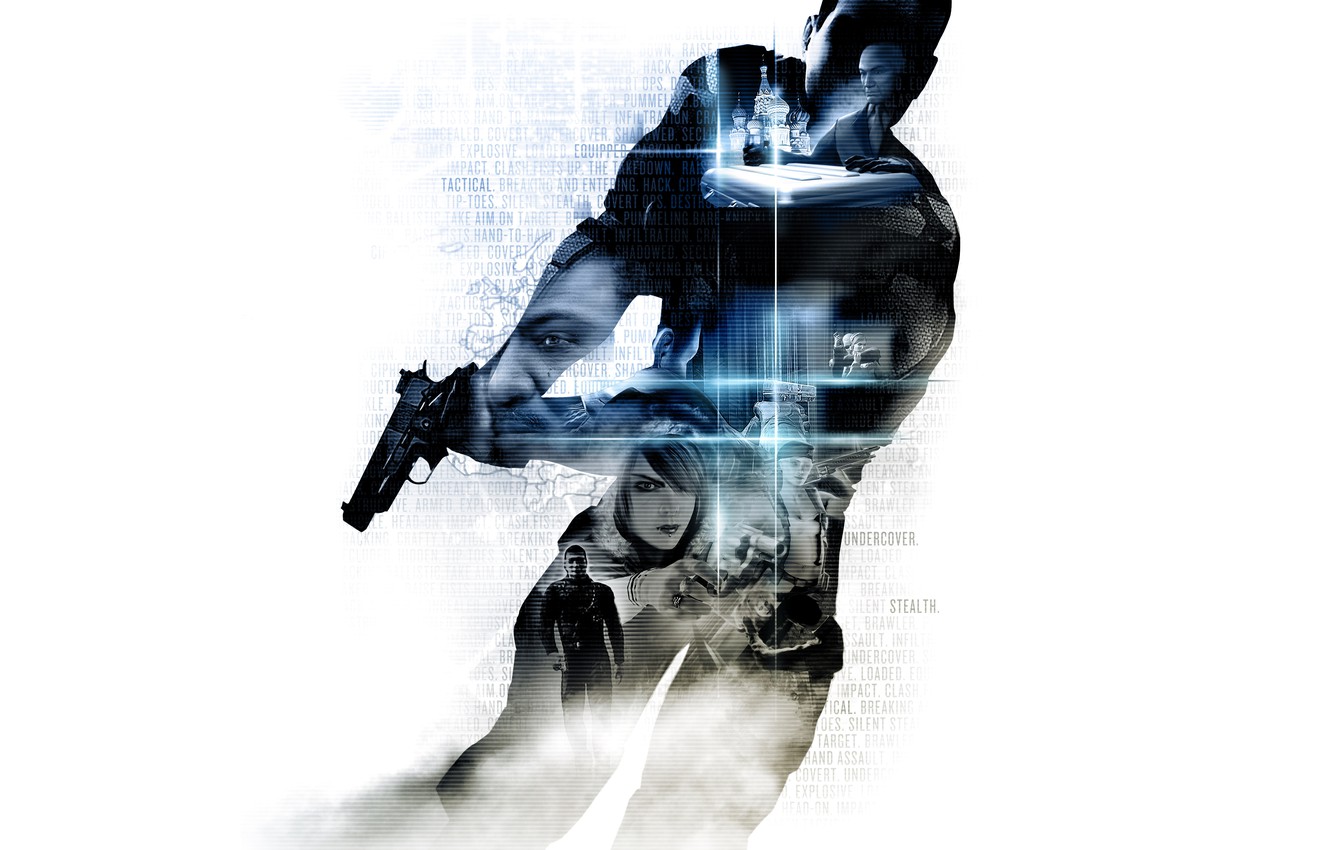
Alpha Protocol is the definition of a diamond in the rough, a true Obsidian classic from the 360/PS3 era. Its combat was clunky, sure, but the sheer depth of its reactive narrative and character relationships was revolutionary for a spy RPG. Every dialogue choice, every mission outcome, genuinely rippled through the entire game, making subsequent playthroughs feel drastically different. It was an ambitious, player-driven experience that got unfairly lambasted for its rough edges, a stark contrast to today's polished but often linear narratives.
4. Enslaved: Odyssey to the West
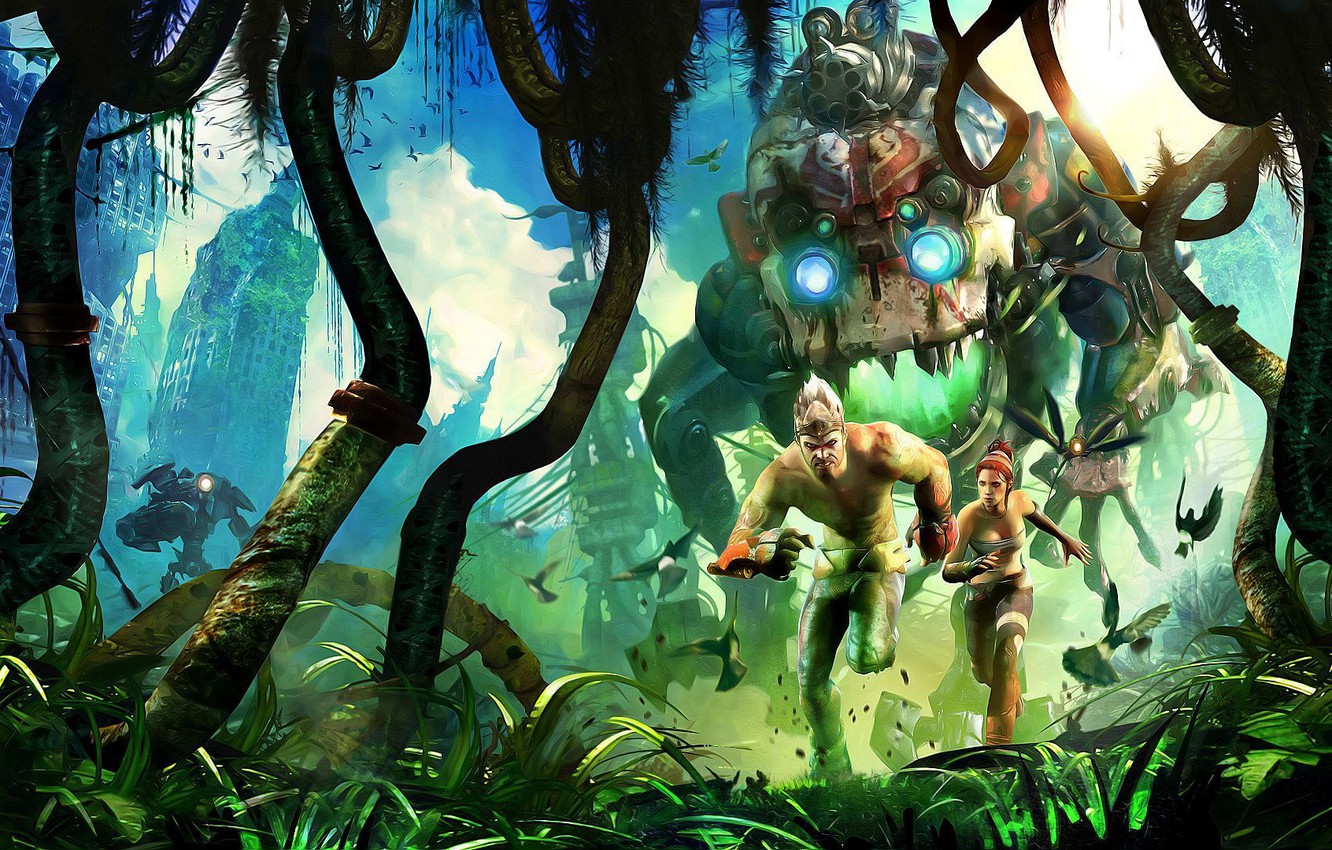
Enslaved: Odyssey to the West, a PS3/360 gem, was a narrative-driven action-adventure that put character connection front and center. Its "slave collar" mechanic forced symbiotic cooperation between Monkey and Trip, creating a unique gameplay loop beyond simple escort missions. The world was vibrant, the voice acting superb, and the story genuinely heartfelt. It's a shame it didn't find its audience, because it showed that linear, focused experiences with compelling character dynamics could offer more innovation than sprawling, empty open worlds.
5. Vanquish
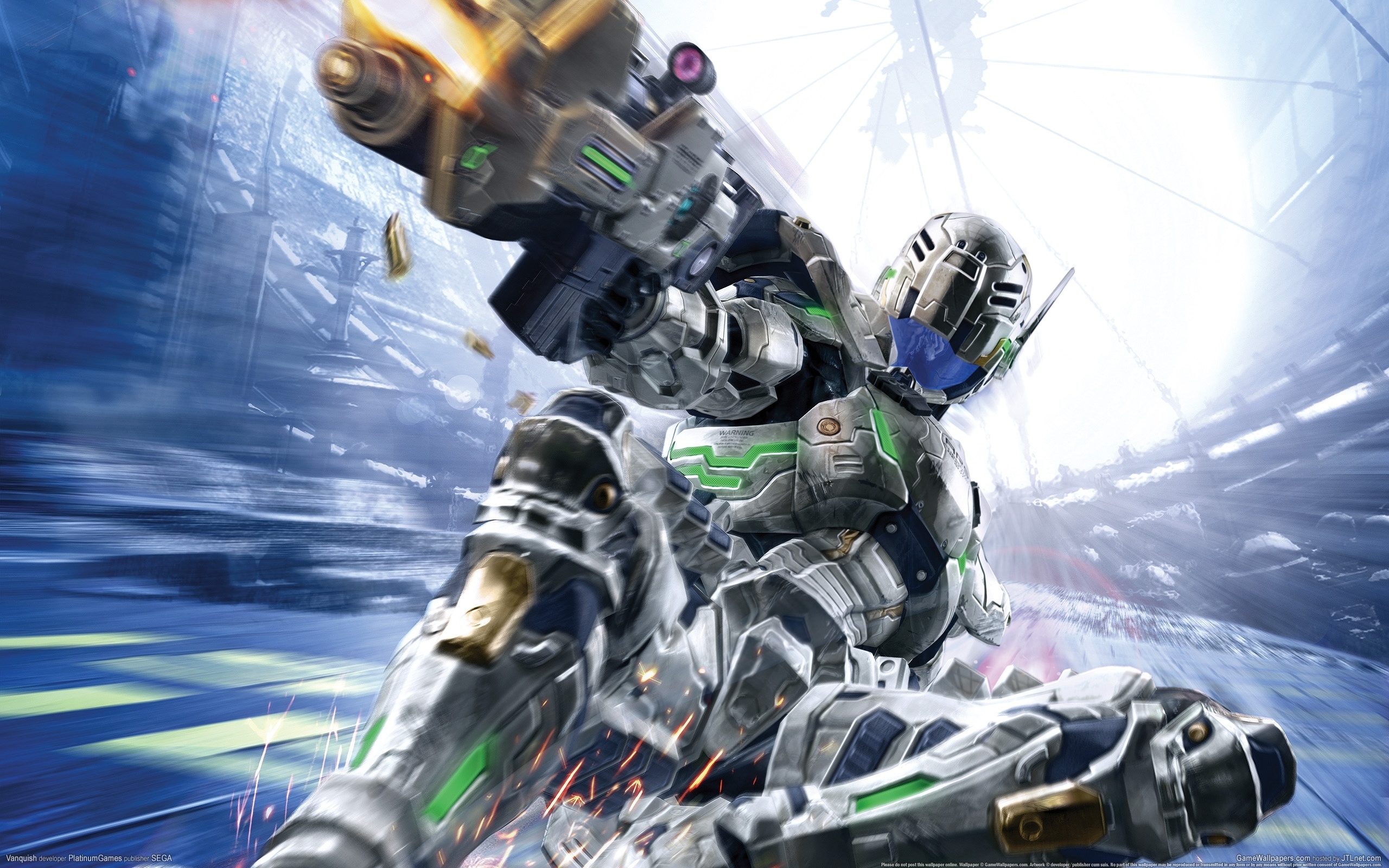
Vanquish, a PlatinumGames masterpiece on PS3/360, redefined what a third-person shooter could be. Its core mechanic – the Augmented Reaction Suit's rocket slide and slow-motion capabilities – turned every encounter into a ballet of bullet-time destruction and high-speed maneuvers. It was pure, unadulterated arcade action with a fluidity rarely matched, demanding skill and precision. Yet, like many innovative, focused experiences, it never quite hit the mainstream, perhaps too intense or too 'Japanese' for a Western market obsessed with cover shooters.
6. Deus Ex
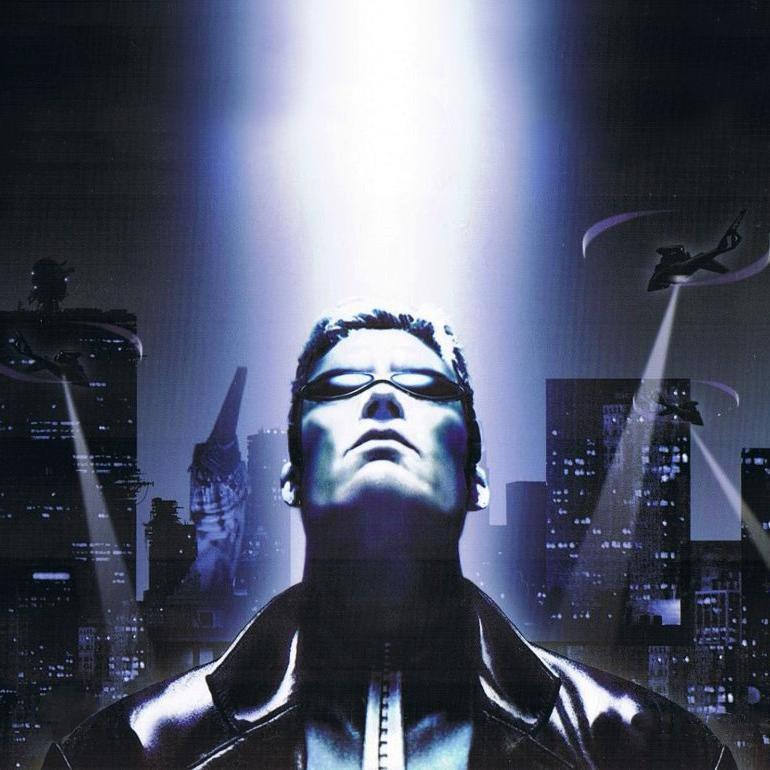
Deus Ex, the original 2000 PC release, remains the gold standard for immersive sims. It wasn't just about choices; it was about systems interacting, letting you approach problems with unprecedented freedom – stealth, combat, hacking, diplomacy. Its blend of conspiracy thriller narrative with deep RPG mechanics was groundbreaking. It proved that player agency didn't need to be signposted; it could emerge organically from a meticulously designed world, a lesson many modern "choice and consequence" games still struggle to grasp.
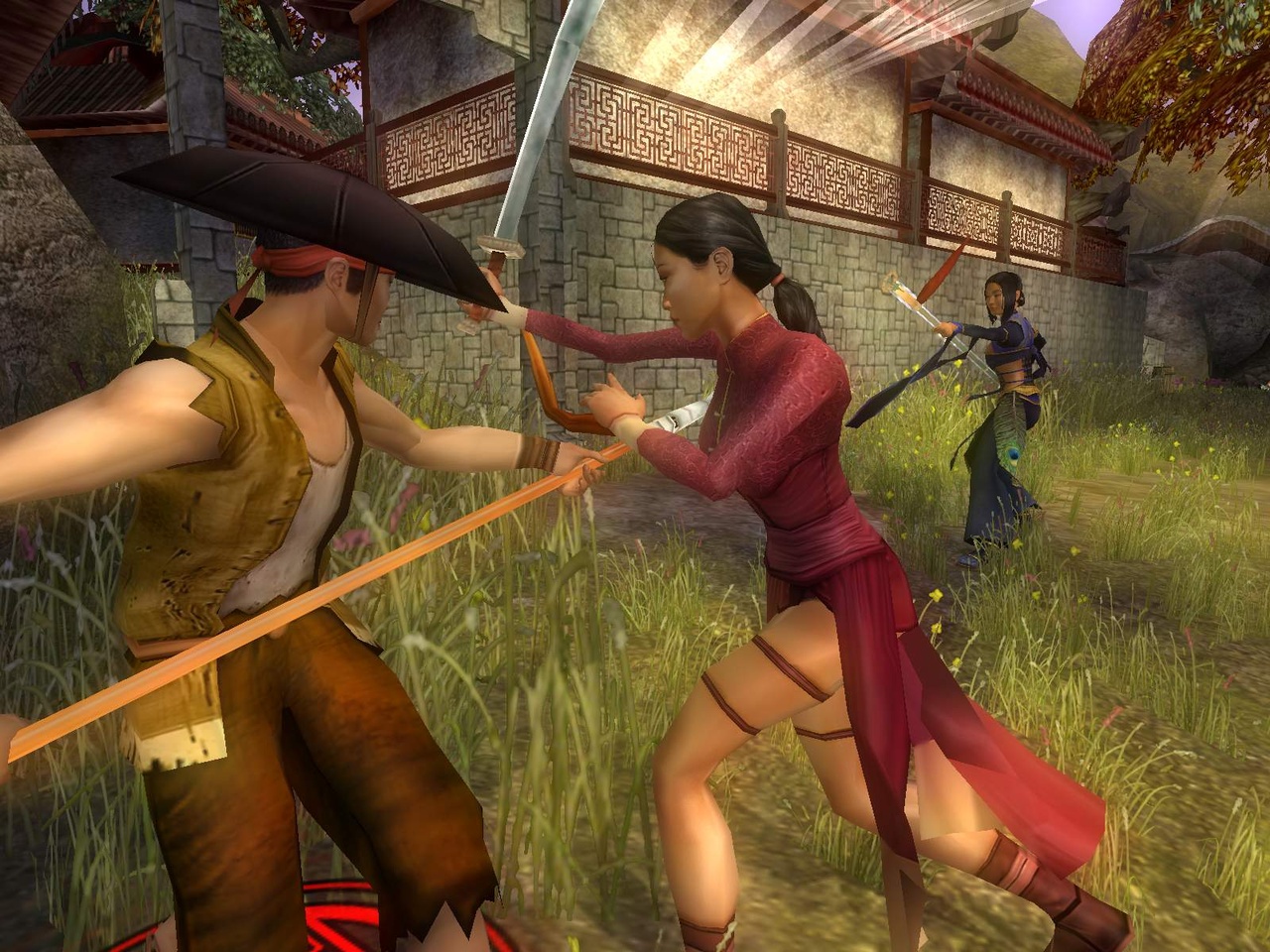
7. Jade Empire
Jade Empire, BioWare's original Xbox foray into martial arts RPGs, offered a refreshing change from their usual Western fantasy or sci-fi settings. Its unique combat system, blending real-time action with customizable martial styles, felt distinct. Plus, its moral alignment system, Way of the Open Palm versus Way of the Closed Fist, wasn't just good/evil; it explored philosophical differences. It proved that BioWare could innovate beyond their established tropes, delivering a culturally rich experience that deserved more sequels than it got.
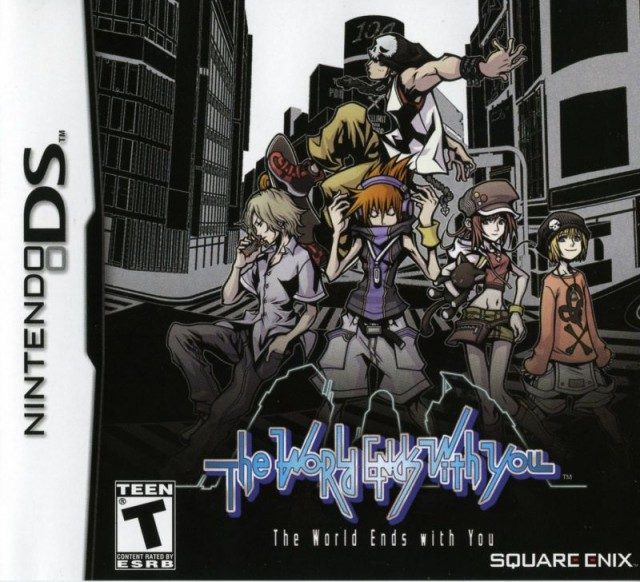
8. The World Ends With You DS
The World Ends With You on the DS was an absolute lightning bolt of innovation. Its dual-screen combat, requiring simultaneous control of two characters across two screens with distinct mechanics, was audacious and utterly brilliant. Add to that its Shibuya-infused style, killer soundtrack, and deep social mechanics influencing power-ups, and you had something truly special. It dared to push the boundaries of handheld gaming, proving that hardware limitations could inspire boundless creativity rather than restrict it.

9. Arx Fatalis
Arx Fatalis, from the now-revered Arkane Studios, was a PC RPG that tried things nobody else dared. Its spellcasting system, requiring players to literally draw runes in real-time with the mouse, was revolutionary, if a bit clunky. The immersive, underground world felt truly oppressive and alive, with physics-based environmental interaction ahead of its time. It’s a testament to Arkane’s early commitment to deep, systemic gameplay, a vision that often gets overshadowed by more commercially viable, less experimental titles today.