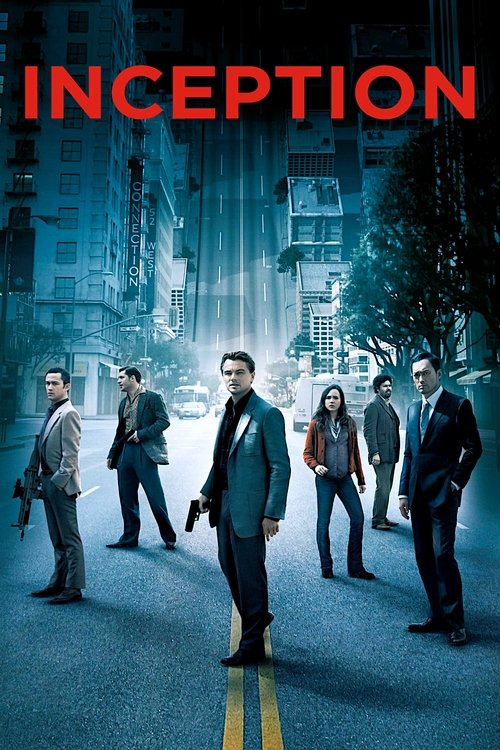
1. Inception
This film is like, the ultimate dream-within-a-dream simulator. Imagine building entire realities just from thoughts, right? For VR, it shows how deeply layered and personal experiences could get, where users might not even know what's real. And with AI, you could have narratives that adapt and evolve within those mental landscapes, creating stories that are truly unique to each person's subconscious. It's wild to think about.
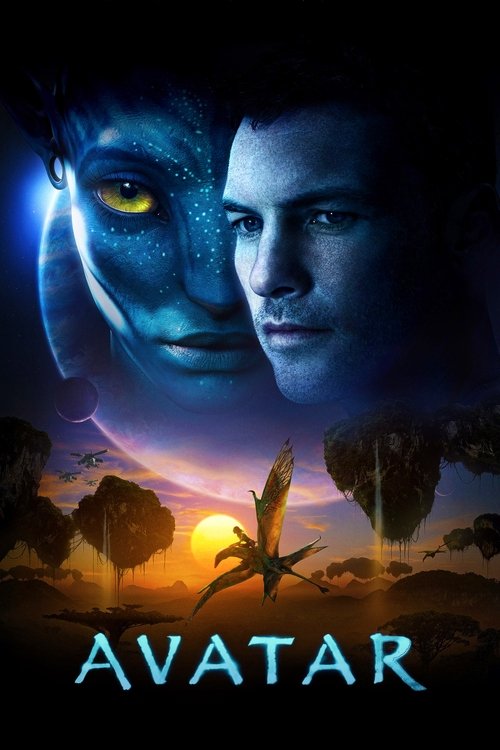
2. Avatar
Okay, so Avatar really showcased world-building on an insane scale, letting people inhabit another body in a completely different world. That's basically the dream for immersive VR, right? Future AI could help populate these vast, detailed environments with characters who react organically, making you feel truly connected to the virtual ecosystem. It’s all about crafting believable digital lives and experiences beyond our own, which is super exciting for storytelling.
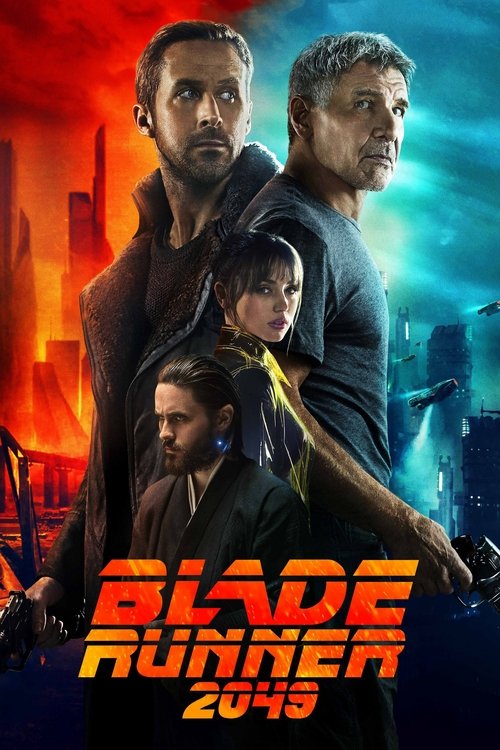
3. Blade Runner 2049
This one feels so real, exploring what it means to be alive, especially with advanced AI. The idea of synthetic beings having memories, emotions, and even souls? That's a huge narrative playground for VR. We could experience life through their eyes, or interact with AI characters so complex they blur the lines of reality. It challenges us to think about empathy and consciousness in a world where technology creates life, which is a powerful storytelling tool.
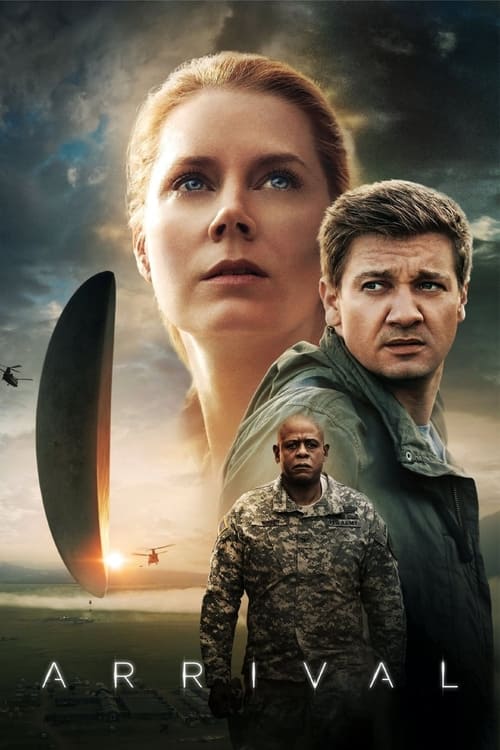
4. Arrival
Communication is key, and Arrival shows how understanding radically different forms of intelligence can reshape our world. For AI-driven narratives, this means developing story systems that can learn and adapt, not just to human inputs, but to entirely new ways of conveying information. Imagine interactive stories where you're deciphering an alien language in VR, and the AI guides your understanding, evolving the plot based on your interpretations. It's about deep, meaningful interaction.
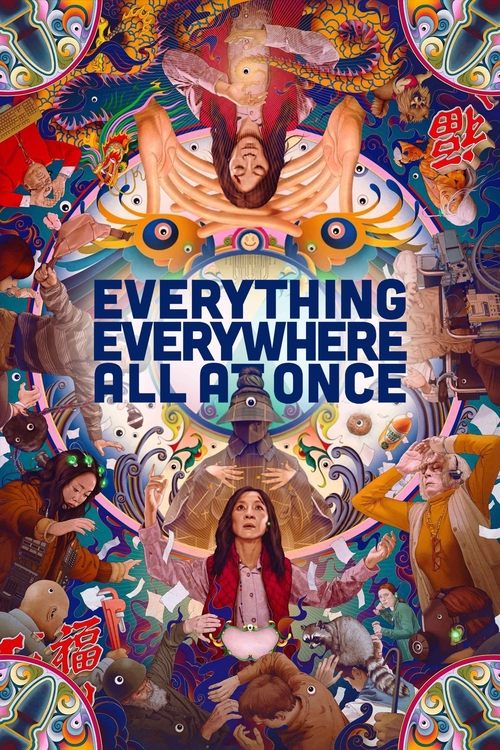
5. Everything Everywhere All at Once
Seriously, this movie is a masterclass in multiverse storytelling, jumping between countless realities. Imagine that in VR! AI could generate infinite narrative branches and alternate universes based on your choices, making every story truly unique. You could literally jump into another version of yourself and explore different outcomes. It's the ultimate example of how non-linear, user-driven narratives could completely change how we experience stories. So cool.
6. Dune
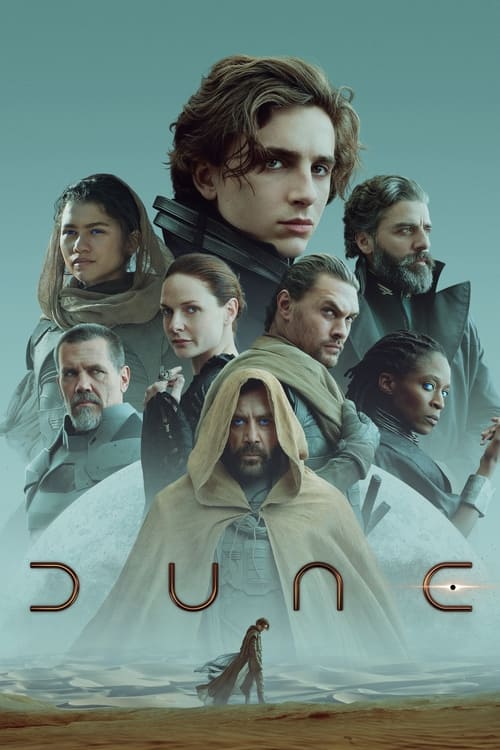
The world-building in Dune is just incredible, so rich and detailed, with deep lore and intricate political systems. This is what future VR environments need to be like – fully realized, believable worlds you can get lost in. AI could help craft those complex societies and characters, allowing for truly epic, long-form narratives that unfold organically. You could spend hours exploring the nuances of a culture, feeling like you're actually part of something huge.
7. Ready Player One
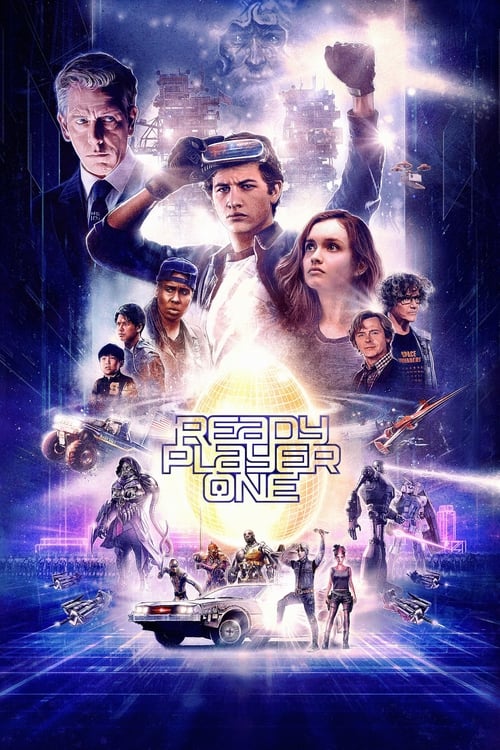
This movie is basically a love letter to what VR *could* be. A whole virtual universe where you can be anyone, do anything, and interact with pop culture history? That's the ultimate dream. AI will be crucial here, not just for generating content, but for creating intelligent avatars and NPCs who make that world feel alive and reactive. It’s about building a space where imagination is the only limit to your story.
8. Spirited Away
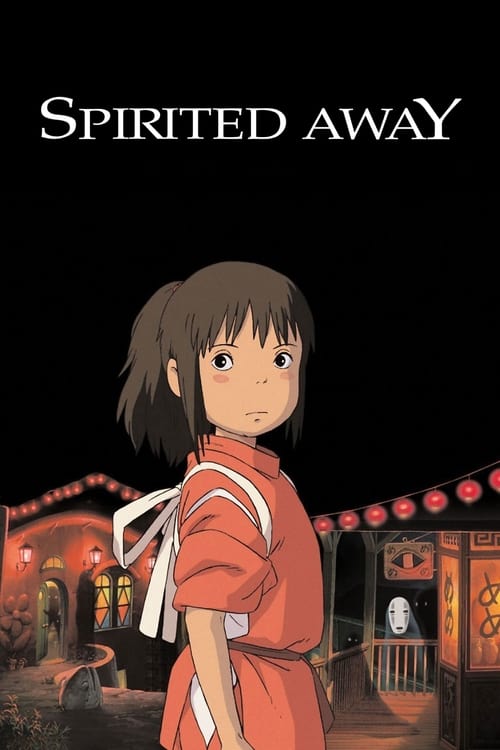
The way Spirited Away builds a magical, often surreal world with its own rules and spirits is amazing. This kind of imaginative world-building is perfect for VR, letting you step into a completely fantastical realm. AI could populate these spaces with unique, reactive spirits and characters, making the world feel truly alive and unpredictable. It’s about creating narratives where wonder and mystery are at the forefront, pushing the boundaries of what's possible.
9. The Matrix
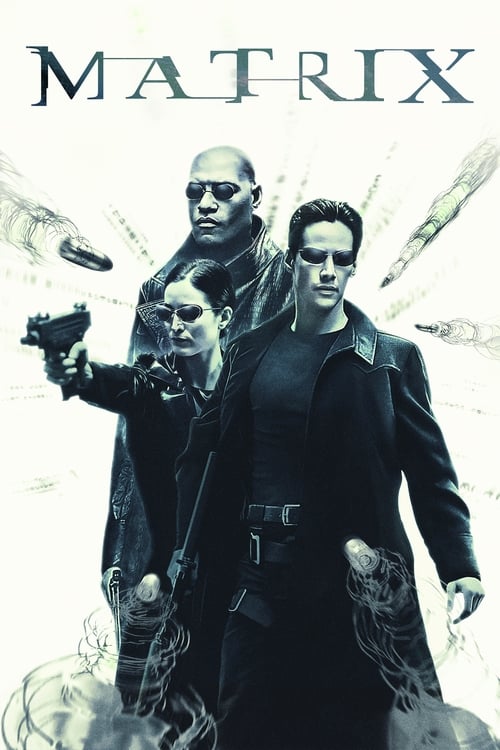
This film basically laid the groundwork for thinking about simulated realities. The idea of living in a world that feels real but isn't, and questioning your own existence within it – that’s core to future VR storytelling. AI could craft those simulations, evolving the narrative based on your choices, making you wonder what's really going on. It’s a powerful concept for stories that mess with your perception of reality.
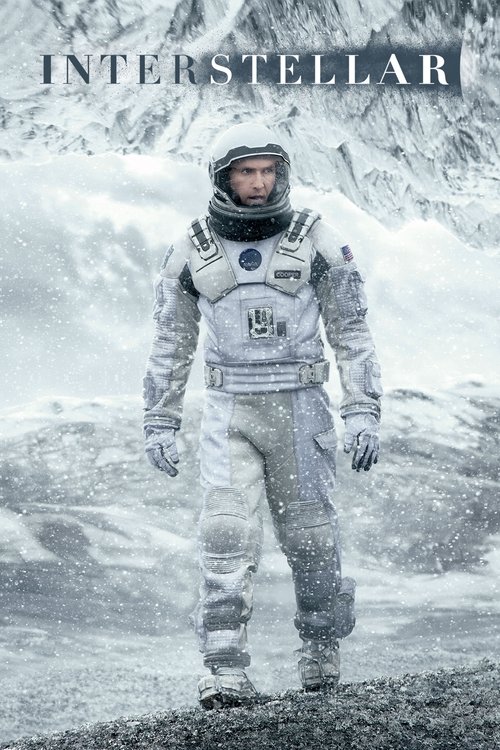
10. Interstellar
The sheer scale of Interstellar and its exploration of time and space really highlights how VR can transport us. Imagine experiencing time dilation or navigating black holes in a truly immersive way. AI could build and manage these vast, complex cosmic environments, creating narratives that push the boundaries of scientific imagination and human emotion. It’s about experiencing impossible journeys and profound concepts firsthand.

11. Barbie
Okay, hear me out. Barbie playfully explores what happens when a perfectly constructed, idealized world clashes with reality. This is a brilliant concept for VR, where AI could create these "perfect" narrative environments, then introduce glitches or challenges that make you question everything. It's about using AI to craft intentional imperfections, building stories around the collision of programmed ideals and unexpected human-like experiences. It’s surprisingly deep for future storytelling.