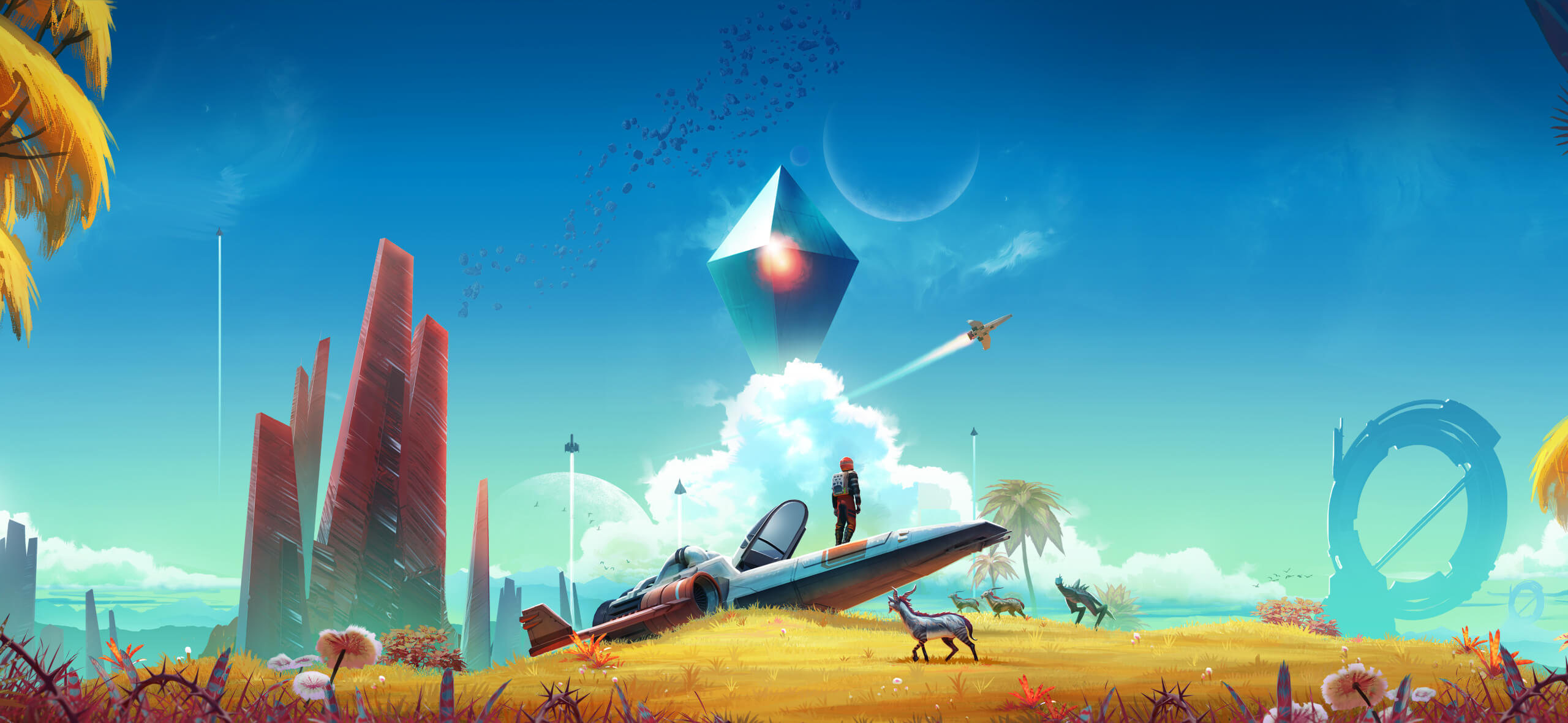
1. No Man's Sky
Man, *No Man's Sky* was the poster child for overhyped, underdelivered launches. It was practically a tech demo when it dropped. But Hello Games, instead of running, just kept pushing out free, substantial updates. We're talking base building, multiplayer, VR, full-blown storylines – they basically rebuilt the game piece by piece. It's now the sprawling, chill space sandbox everyone initially dreamed of, a testament to developer perseverance that most companies wouldn't dare attempt.
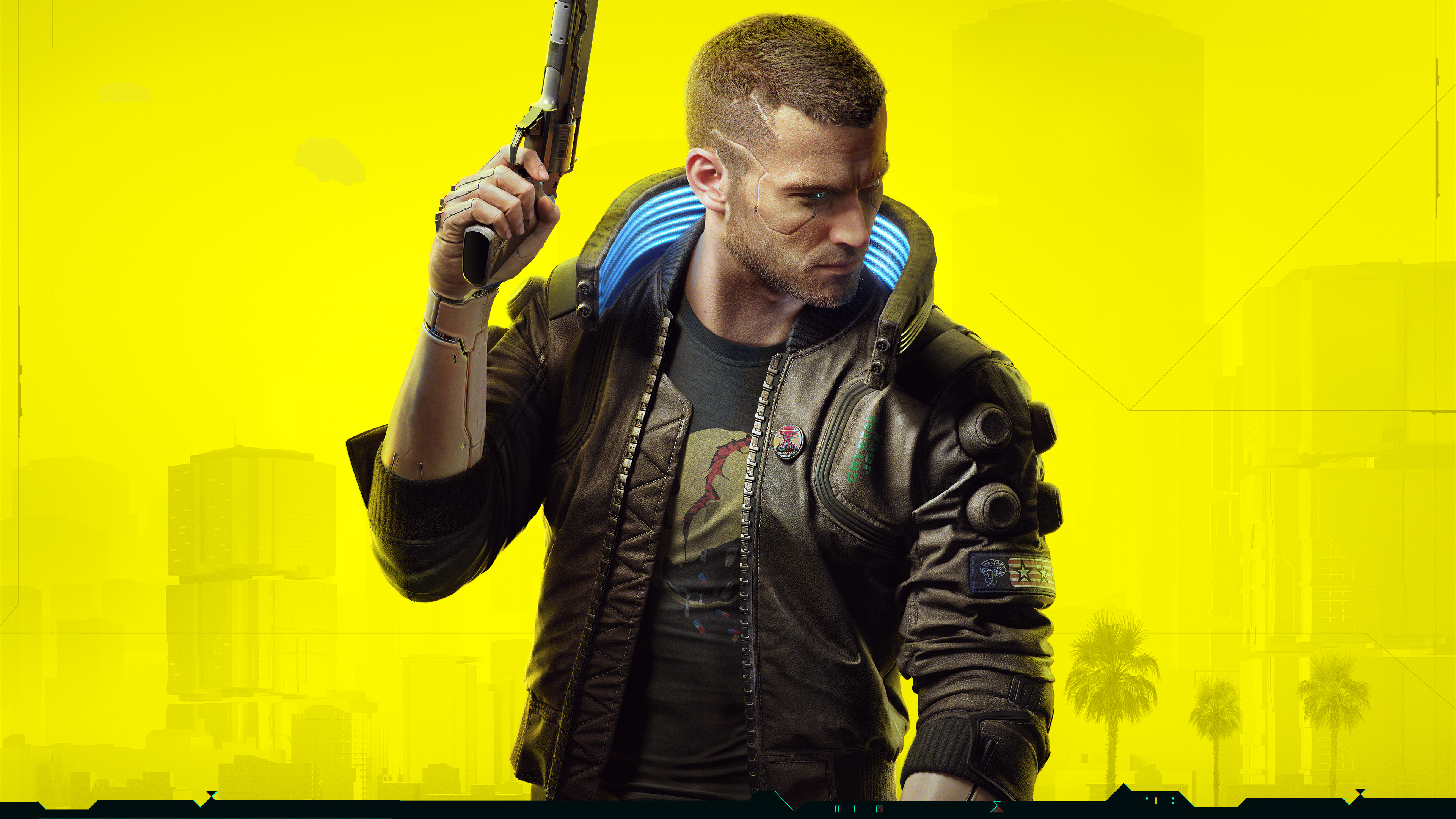
2. Cyberpunk 2077
*Cyberpunk 2077* launched like a car crash, especially on console, becoming a cautionary tale overnight. CD Projekt Red faced deserved backlash but then, slowly, methodically, they turned it around. Patch 2.0 and the *Phantom Liberty* expansion weren't just fixes; they were a systemic overhaul. Night City finally feels like the immersive, gritty RPG experience we were promised, though the initial sting of that disastrous launch still lingers for many.
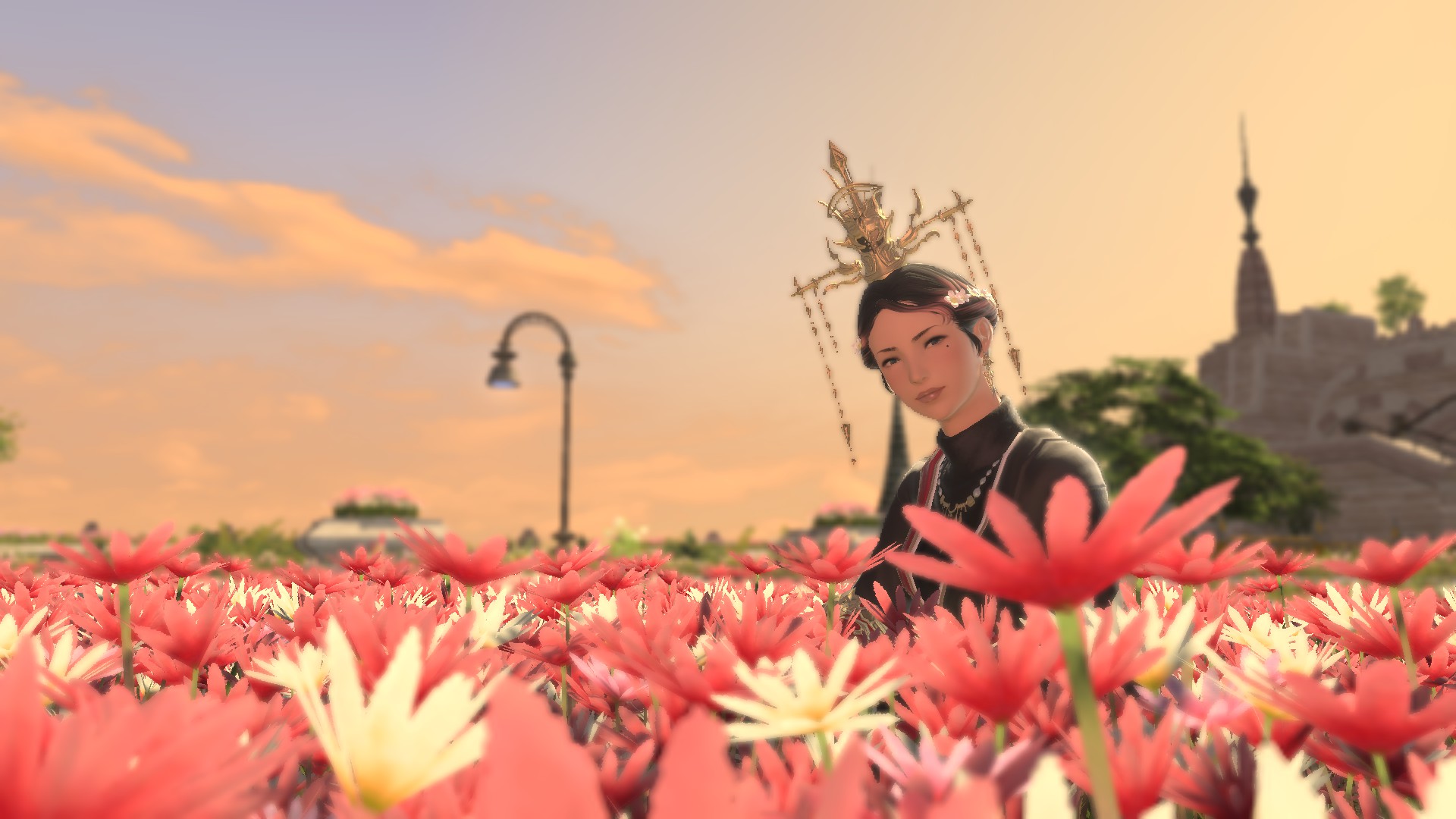
3. Final Fantasy XIV
*Final Fantasy XIV* didn't just get a second chance; it got a whole new *game*. Version 1.0 was so bad Square Enix literally pulled the plug, apologized, and then poured everything into *A Realm Reborn*. It’s an insane story of developer humility and dedication. Now, it's easily one of the best, most story-rich MMOs out there, proving that sometimes, you just need to nuke it from orbit and start fresh to truly succeed.
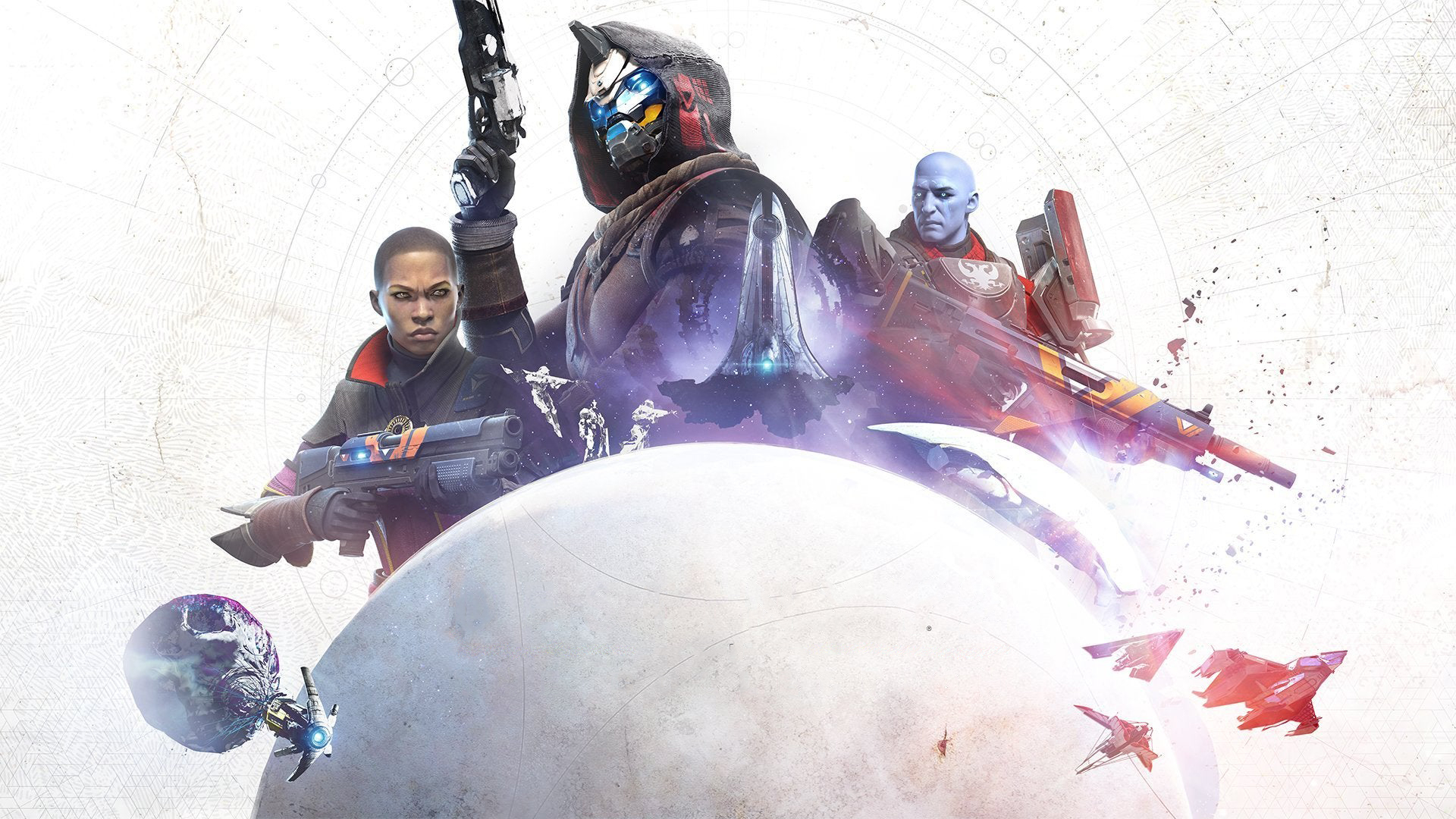
4. Destiny 2
*Destiny 2* started strong but quickly fizzled, becoming a content desert with confusing monetization. It felt like Bungie was trying to reinvent the wheel, badly. But then *Forsaken* dropped, kicking off a redemption arc that's seen the game evolve immensely. While it still has its F2P monetization quirks, the core gameplay loop and narrative have consistently improved, proving that even a live service game can find its footing after a wobbly start.
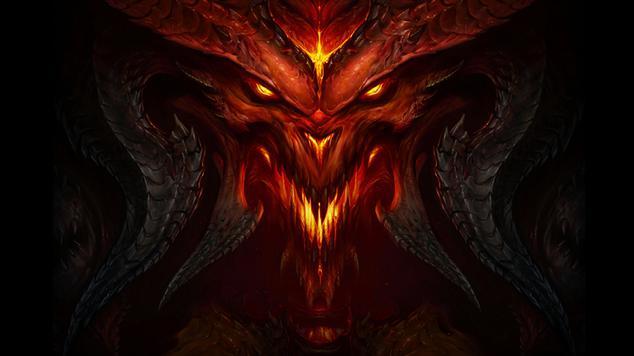
5. Diablo III
Oh, *Diablo III*. The launch was a mess of error codes and that infamous real-money auction house that fundamentally broke the game's economy and loot loop. It was a stark reminder of Blizzard's occasional missteps. But with *Reaper of Souls*, they ripped out the cancerous systems and rebuilt the endgame. Now, it's a slick, satisfying hack-and-slash, even if some purists still pine for *Diablo II*'s grittiness. A solid recovery, showing how crucial developer intervention can be.
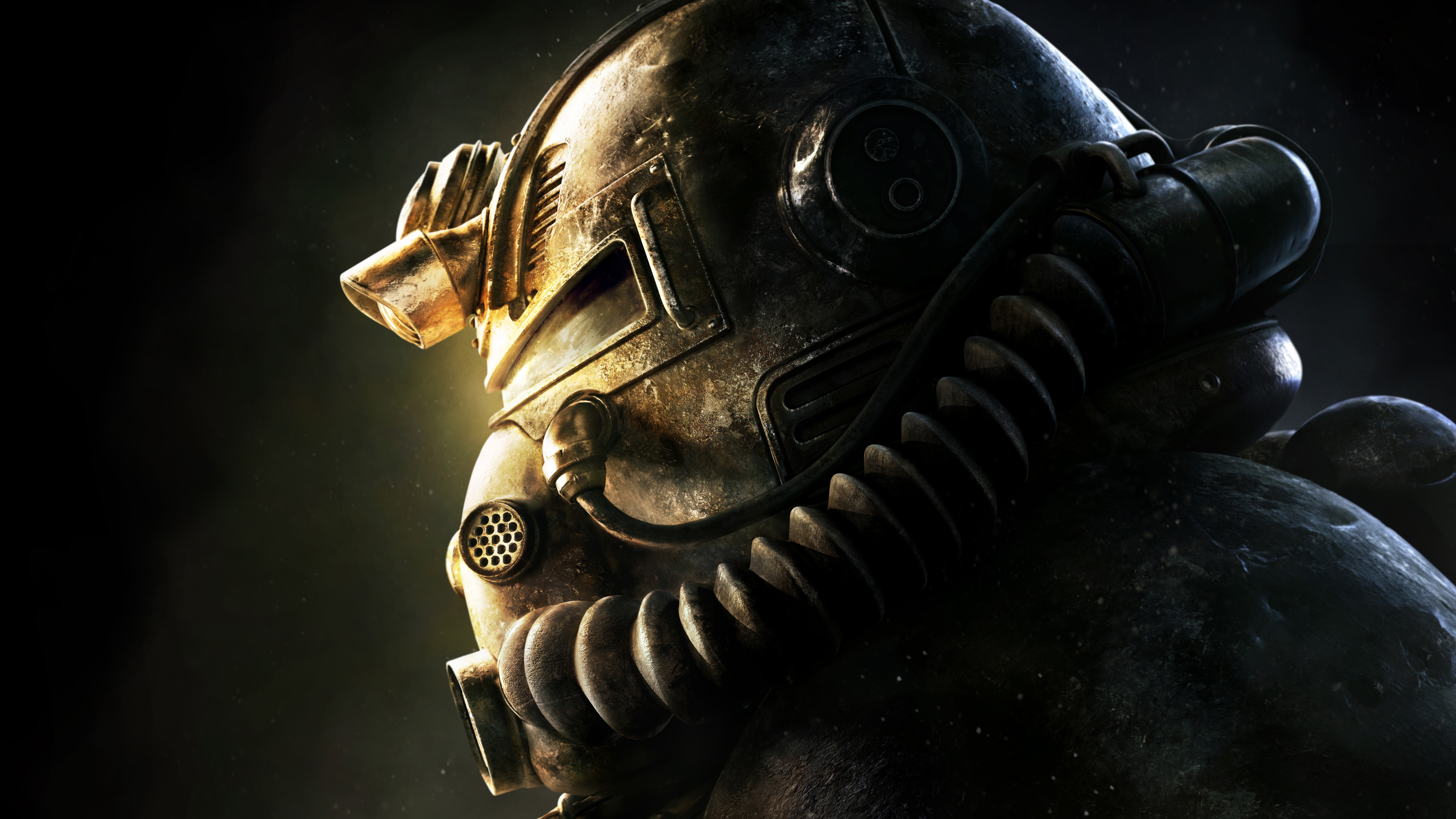
6. Fallout 76
*Fallout 76* was a public relations nightmare, launching as a buggy, empty shell of a *Fallout* game, plagued by shoddy quality and bizarre monetization decisions. It felt like Bethesda was completely out of touch. Yet, through sheer stubbornness and a string of significant updates like *Wastelanders*, they slowly patched it into something genuinely enjoyable. It’s still got its quirks, but it proved that even a game buried under mountains of negative press can eventually find its audience.
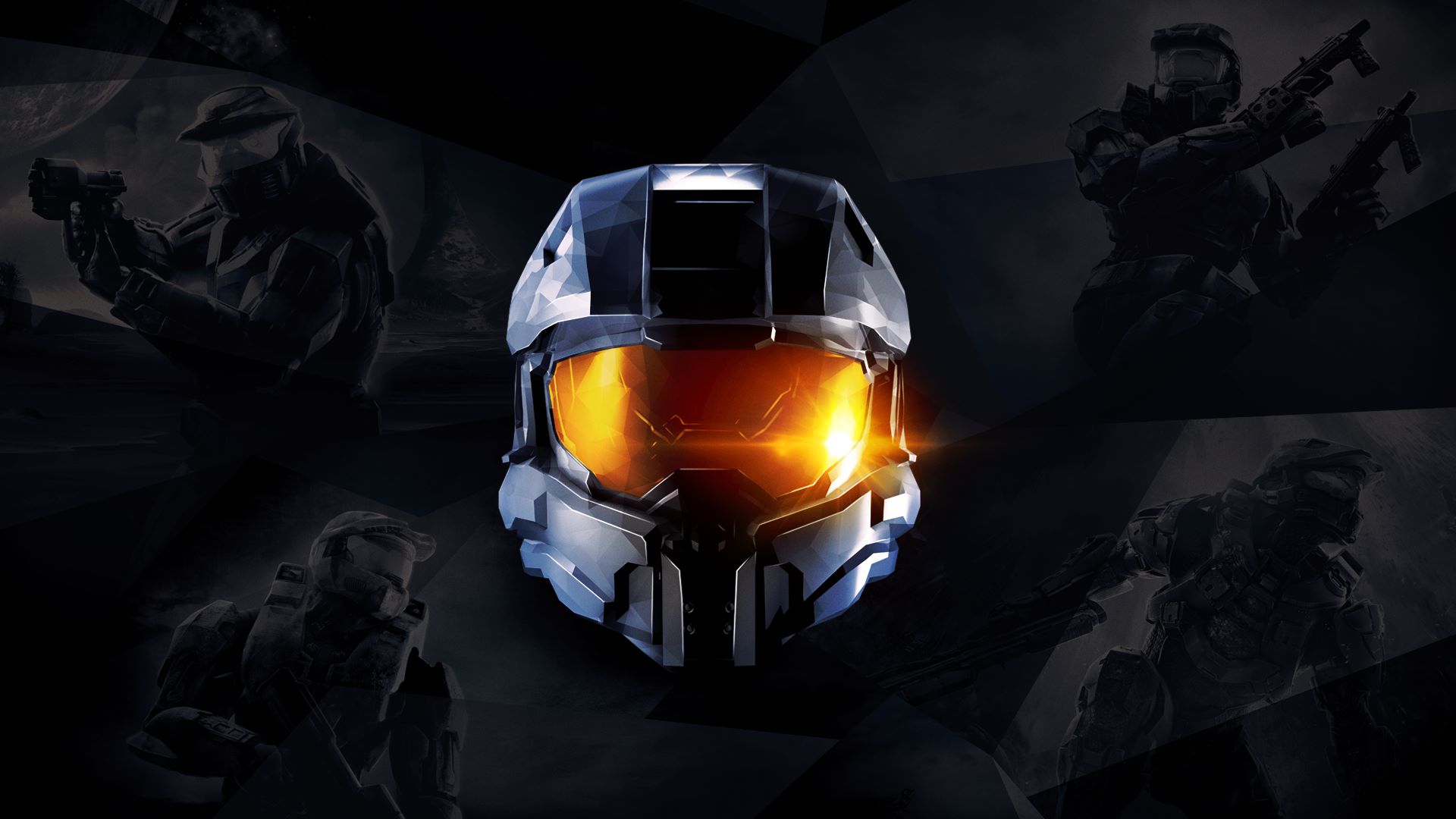
7. Halo: The Master Chief Collection
*Halo: The Master Chief Collection* launched so broken it was almost funny, if you weren't one of the poor souls who bought it. Matchmaking was a myth, and the sheer volume of technical issues was embarrassing for a franchise of *Halo*'s stature. But 343 Industries, over *years*, painstakingly patched it up, adding content, improving NetCode, and bringing it to PC. It's now the ultimate *Halo* archive, proving that even beloved classics can be redeemed from a disastrous start with enough dedication.