

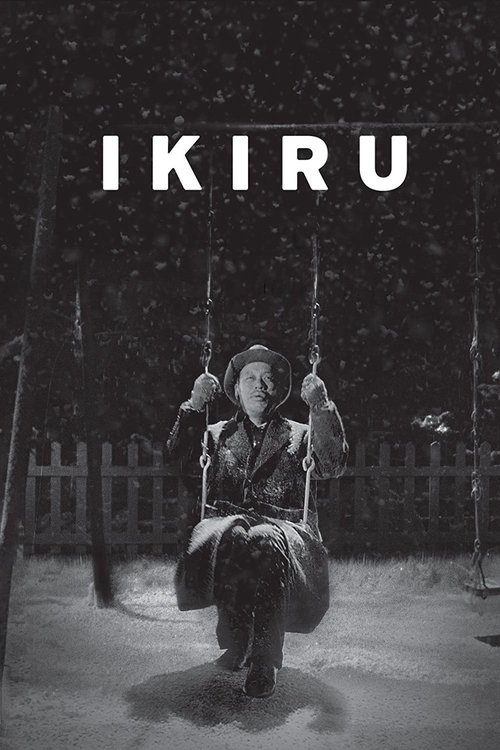
1. Ikiru
Akira Kurosawa's 1952 masterpiece, "Ikiru," offers a profound meditation on mortality and purpose. It follows a terminally ill bureaucrat who, facing his impending death, seeks to find meaning in a life previously defined by routine and paperwork. Kurosawa masterfully crafts a narrative that is both heartbreaking and ultimately uplifting, questioning societal structures and the individual's capacity for impact. The film's quiet, reflective power resonates deeply, a timeless exploration of what it means to truly live.
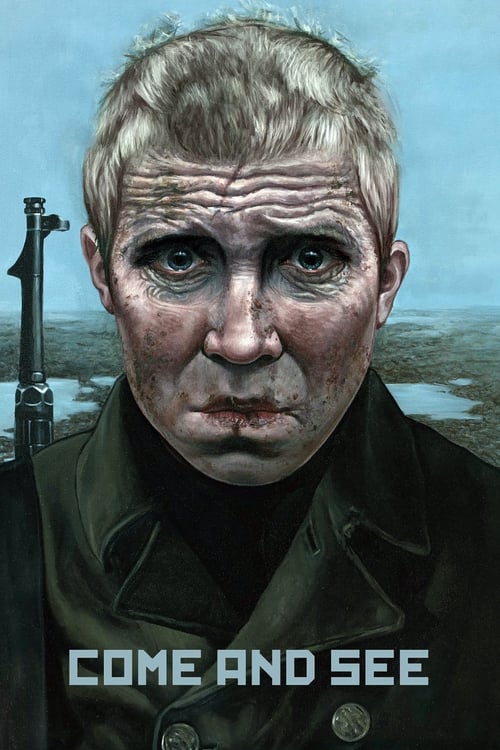
2. Come and See
Elem Klimov's "Come and See" (1985) is not merely a war film; it's a harrowing, almost hallucinatory descent into the horrors of World War II's Eastern Front. Through the eyes of a young Belarusian boy, Flyora, we witness the systematic destruction and unspeakable brutality inflicted by Nazi forces. The film's immersive, unflinching realism and Flyora's rapidly aging face offer a psychological assault, leaving an indelible, deeply disturbing impression. It's a testament to cinema's power to convey unimaginable suffering.
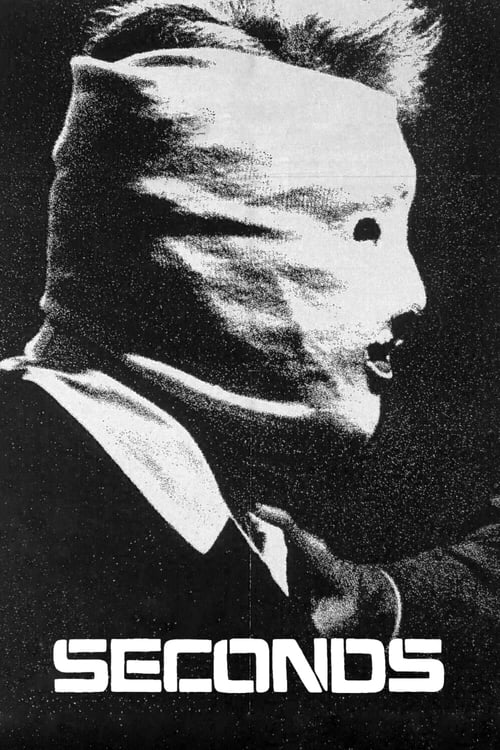
3. Seconds
John Frankenheimer's "Seconds" from 1966 is a chilling, prescient psychological thriller. It follows an aging, disillusioned banker who undergoes a clandestine procedure to assume a new identity and life. Rock Hudson delivers a career-redefining performance as the man grappling with his manufactured existence, leading to a spiraling sense of dread and paranoia. The film's stark black-and-white cinematography and existential questions about self and societal pressure create a truly unsettling and unforgettable experience.
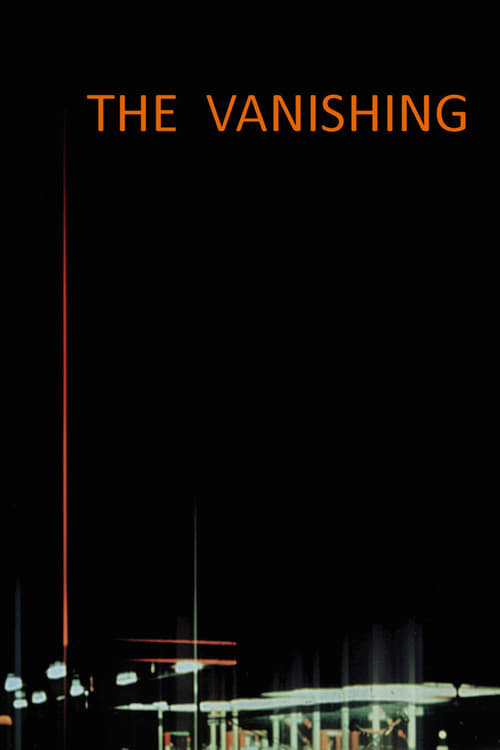
4. The Vanishing
George Sluizer's original "The Vanishing" (Spoorloos, 1988) is a masterclass in psychological suspense, far superior to its American remake. A man's girlfriend disappears without a trace at a gas station, leading him on an obsessive, years-long quest for answers. The film meticulously builds tension, not through jump scares, but through a chilling exploration of human curiosity and the terrifying banality of evil. Its infamous, audacious ending remains one of cinema's most disturbing and unforgettable climaxes.
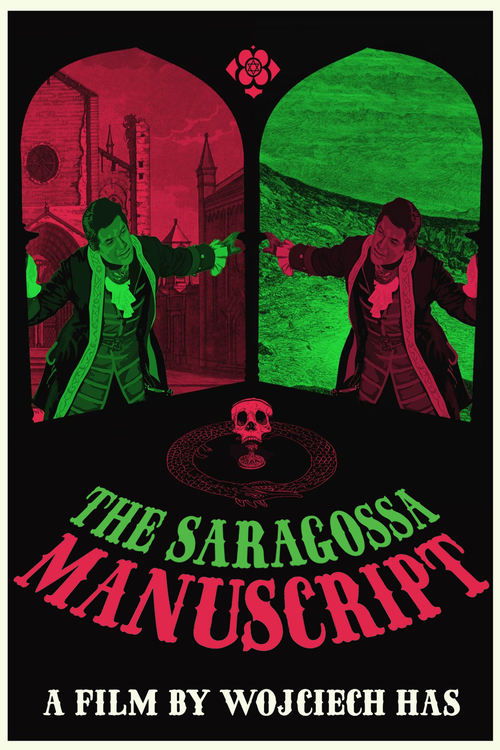
5. The Saragossa Manuscript
Wojciech Has's 1966 Polish epic, "The Saragossa Manuscript," is a sprawling, fantastical journey through nested narratives and philosophical puzzles. Set during the Napoleonic Wars, it follows a young officer encountering a bewildering array of characters and stories, each one leading to another in an intricate, dreamlike structure. Its baroque visuals and labyrinthine plot, steeped in mysticism and the supernatural, make for a unique and endlessly rewatchable experience that defies easy categorization.
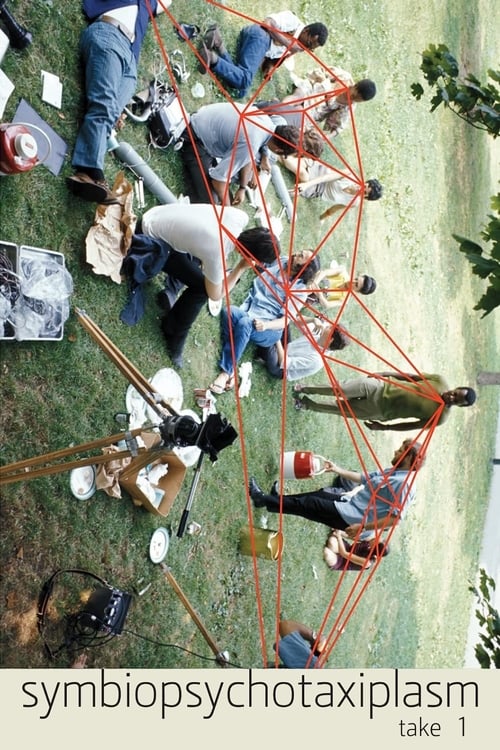
6. Symbiopsychotaxiplasm: Take One
William Greaves's "Symbiopsychotaxiplasm: Take One" (1968) is a groundbreaking, experimental documentary that dismantles the filmmaking process itself. Greaves sets out to shoot a scene in Central Park, but simultaneously films the crew, the crew filming each other, and the public's reactions. This meta-commentary on truth, performance, and authorship creates a fascinating, layered exploration of reality and cinematic construction. It's a chaotic, ingenious, and utterly unique piece of cinema history.

7. Vampyr
Carl Theodor Dreyer's "Vampyr" (1932) transcends conventional horror, offering instead a deeply atmospheric, dreamlike experience. Dreyer crafts a world steeped in shadowy dread and existential unease, utilizing innovative cinematography and sound design for its era to evoke a pervasive sense of the uncanny. It's less about jump scares and more about psychological penetration, a chilling, almost hypnotic meditation on death and the supernatural that lingers long after viewing. A true early masterpiece of horror.

8. Daisies
Věra Chytilová's "Daisies" (1966) is an anarchic, visually dazzling explosion of Czech New Wave cinema. Following two rebellious young women named Marie who decide "everything's spoiled, so we'll be spoiled too," the film is a vibrant, surreal critique of consumerism and patriarchy. Its fragmented narrative, audacious aesthetics, and playful destruction make it a radical, exhilarating, and endlessly thought-provoking cinematic experience, a joyful act of defiance.
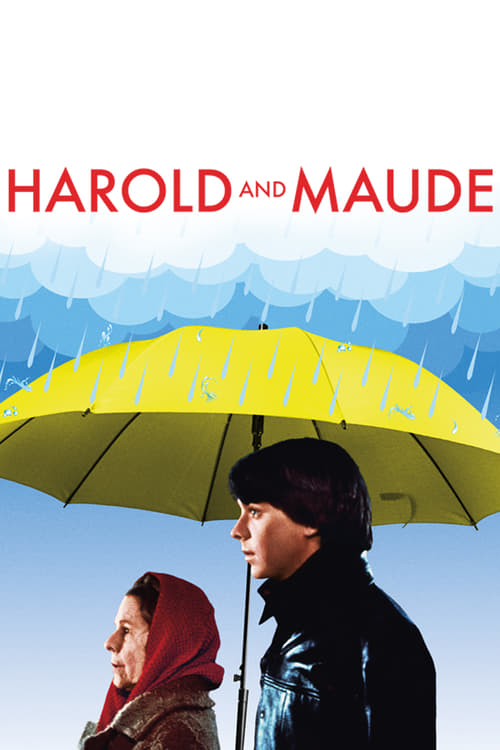
9. Harold and Maude
Hal Ashby's "Harold and Maude" (1971) is a darkly comedic, profoundly unconventional romance that defies easy classification. It chronicles the unlikely bond between a death-obsessed young man and a life-affirming octogenarian woman. Their journey together is a charming, poignant, and often hilarious exploration of living fully, finding joy in the absurd, and embracing individuality. Its unique sensibility and heartwarming message have solidified its place as a cult classic.

10. Possession
Andrzej Żuławski's "Possession" (1981) is a visceral, unhinged exploration of a marriage collapsing into grotesque madness. Set in Cold War Berlin, Isabelle Adjani delivers an astonishing, raw performance as a woman descending into a horrifying, ambiguous state. The film blends psychological drama with body horror and political allegory, creating an intensely disturbing and unforgettable experience that defies genre conventions. It’s a descent into the darkest corners of human emotion and physical manifestation.
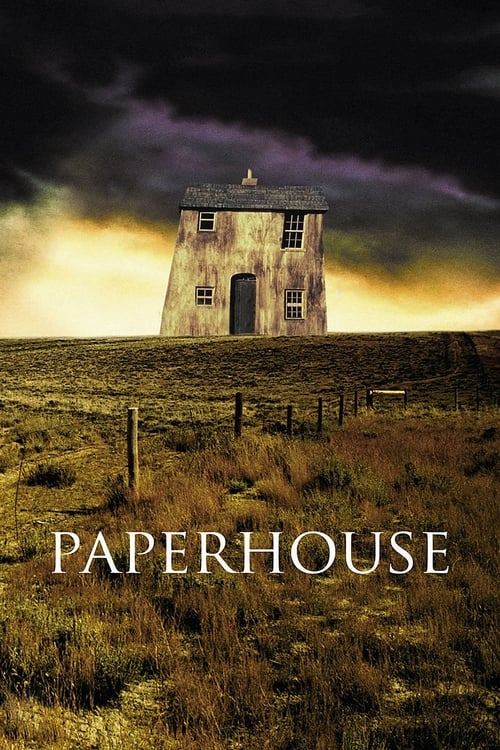
11. Paperhouse
Bernard Rose's "Paperhouse" (1988) is a hauntingly beautiful and deeply imaginative fantasy. A lonely young girl draws a house, and then finds herself able to enter it in her dreams, interacting with the world she creates. As her real life becomes entangled with her dreamscape, the film explores themes of isolation, illness, and the power of imagination. It's a visually stunning, emotionally resonant journey into the subconscious, both magical and melancholic.