1. System Shock 2
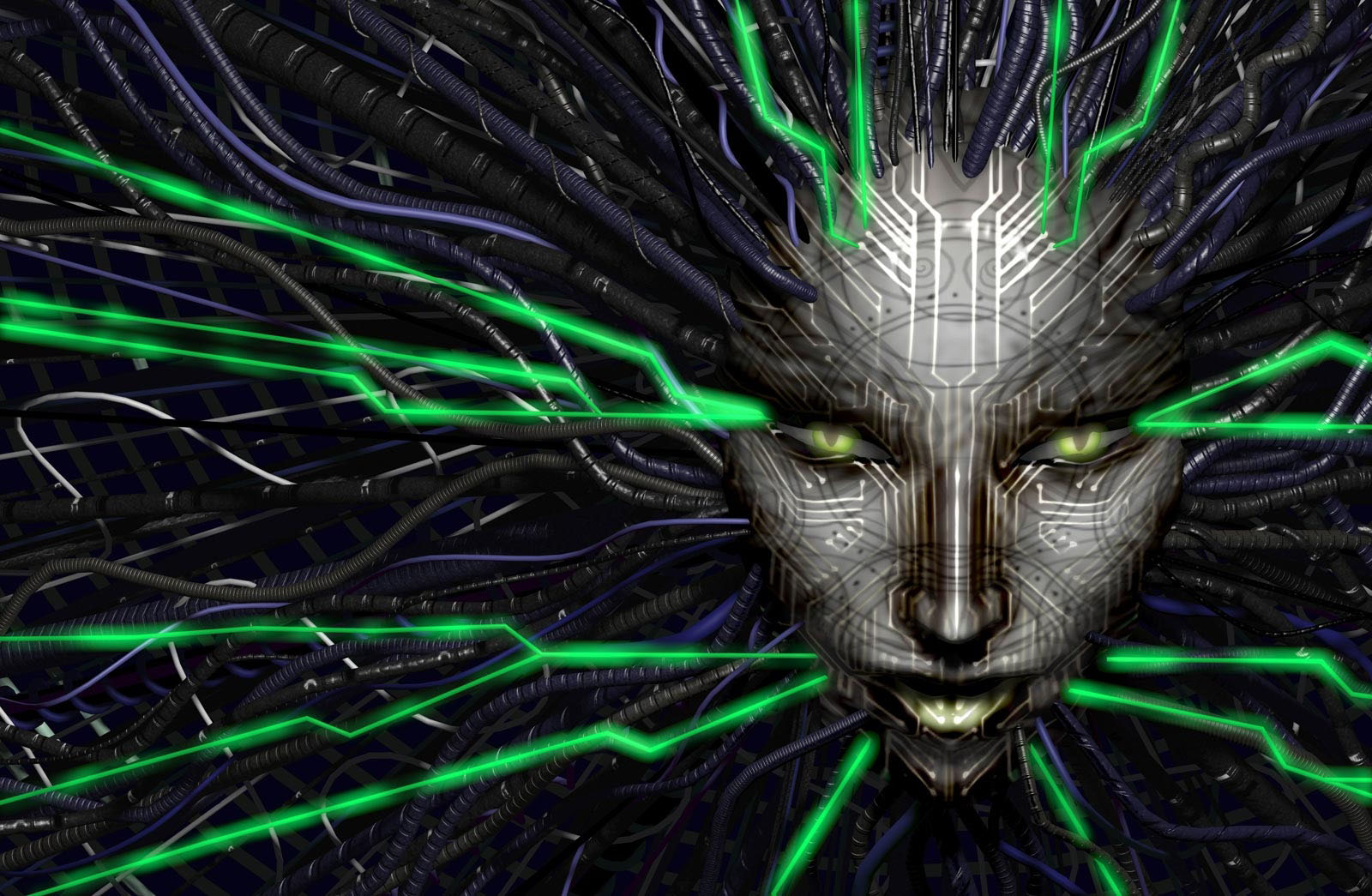
System Shock 2 was a revelation, blending first-person shooting with deep RPG mechanics and genuinely unsettling psychological horror. It pioneered environmental storytelling and emergent gameplay in ways few games had before, leaving a profound mark on titles like BioShock and even modern immersive sims. Its atmosphere was suffocating, its antagonist iconic, and its impact on game design truly undeniable, even if it never sold millions.

2. Okami
Okami on its initial release was a stunning artistic statement, bringing Japanese sumi-e brushwork to life in a video game. Its Celestial Brush mechanic, seamlessly integrated into both combat and puzzle-solving, felt genuinely innovative. While often compared to Zelda, its unique aesthetic and compelling narrative, steeped in folklore, carve out its own distinct legacy, proving that visual artistry can carry a game.
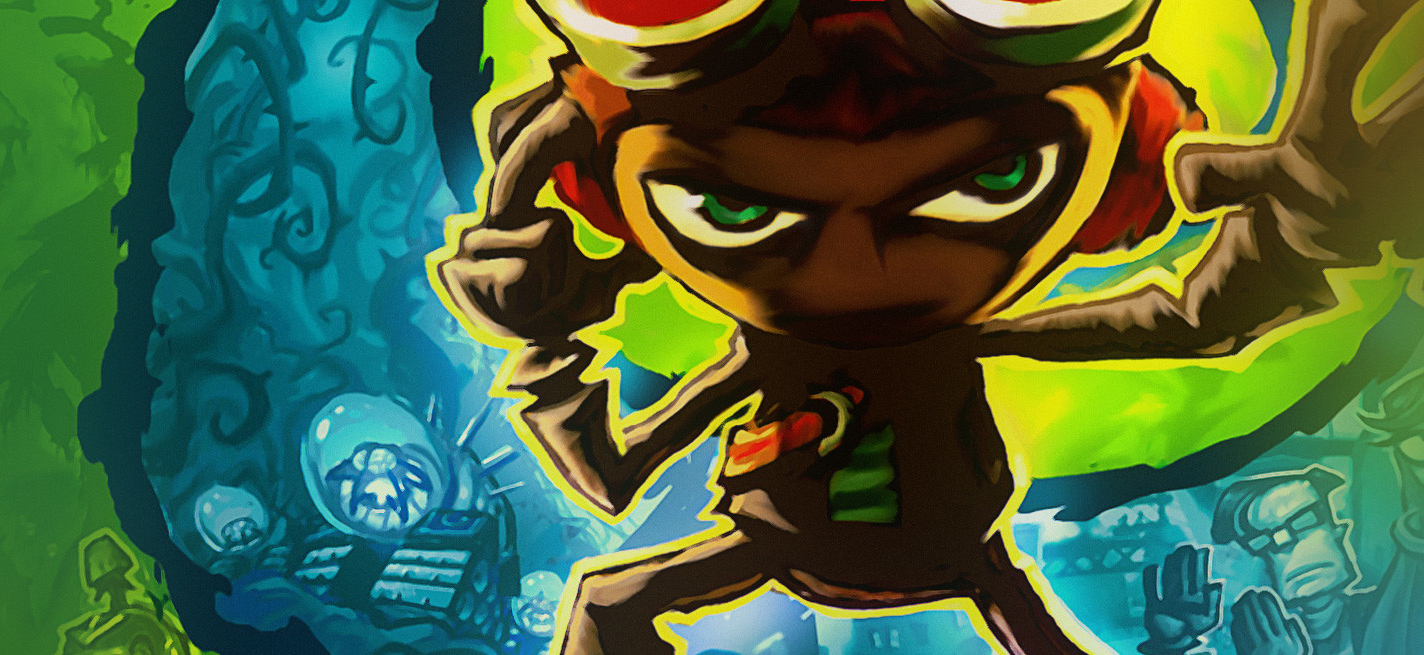
3. Psychonauts
Psychonauts presented a vibrant, imaginative world built around exploring the mental landscapes of its quirky characters. Its level design was consistently brilliant, each brain a unique, mind-bending playground reflecting its host's psyche. Double Fine's signature humor and heartfelt storytelling, wrapped in solid platforming, created a cult classic that championed creativity and tackled complex themes with surprising grace, if not immediate commercial success.
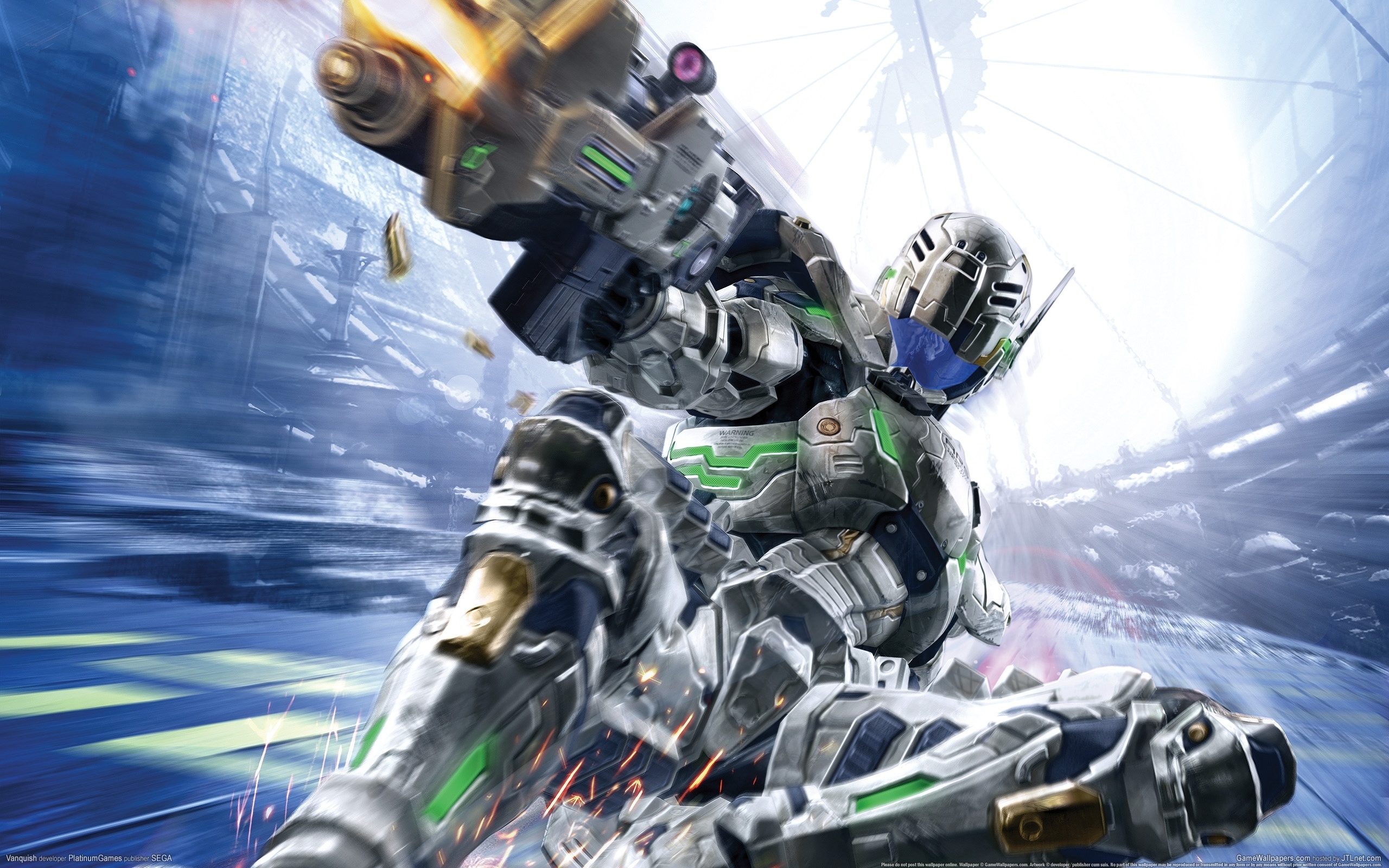
4. Vanquish
PlatinumGames' Vanquish delivered an unparalleled sense of speed and style to the third-person shooter genre. Its innovative "boost slide" mechanic allowed for incredibly fluid, high-octane combat, turning cover-based shooting on its head by emphasizing offense and mobility. While short, its precise controls and over-the-top action influenced many subsequent shooters, demonstrating how movement itself could be a primary weapon.
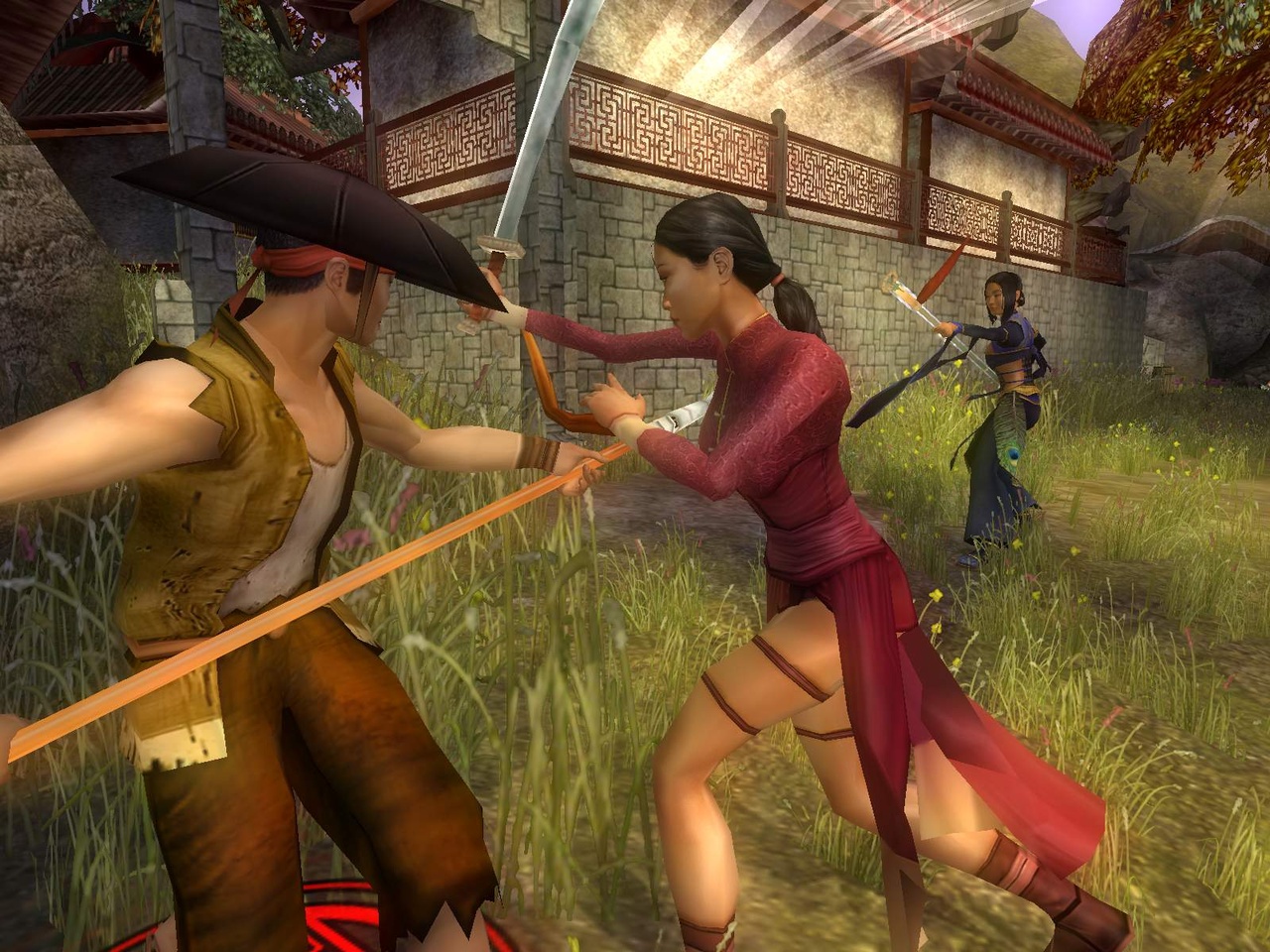
5. Jade Empire
Jade Empire represented BioWare's foray into a unique, fantastical wuxia setting, offering a distinct alternative to their usual sci-fi or high fantasy. Its blend of real-time combat with classic BioWare dialogue and morality choices, along with a rich, original mythology, made it a memorable, if overlooked, entry in their celebrated RPG lineage. It showcased their ability to craft compelling narratives outside established universes.
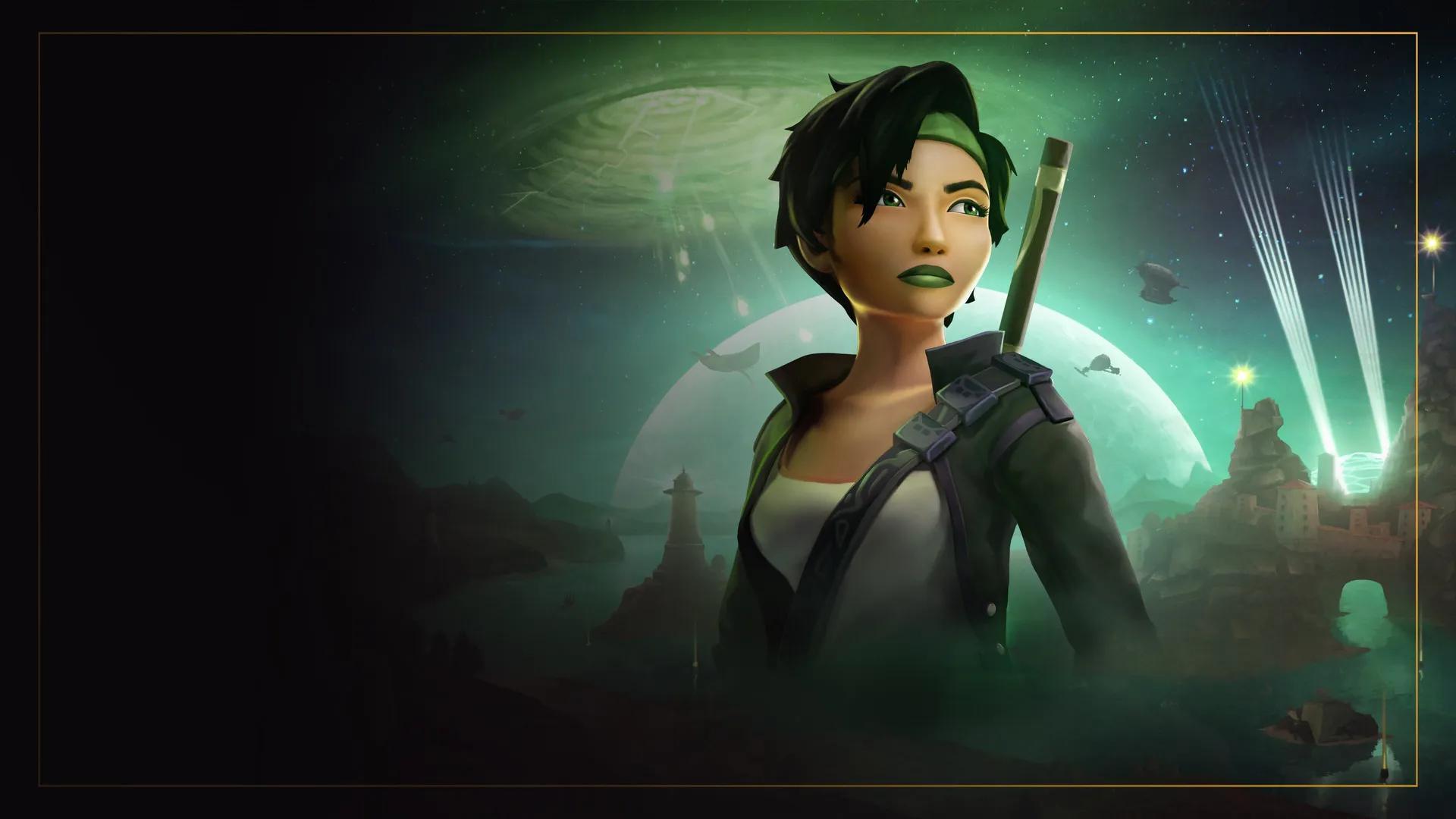
6. Beyond Good & Evil - 20th Anniversary Edition
The original Beyond Good & Evil, and now its 20th Anniversary Edition, was a masterclass in character-driven adventure. It blended stealth, combat, puzzle-solving, and photography into a cohesive, charming experience. Jade's journey to uncover a galactic conspiracy resonated deeply, praised for its strong narrative and artistic direction. It proved that games could tell mature, emotionally resonant stories with vibrant flair, often cited as a benchmark for its era.
7. SOMA
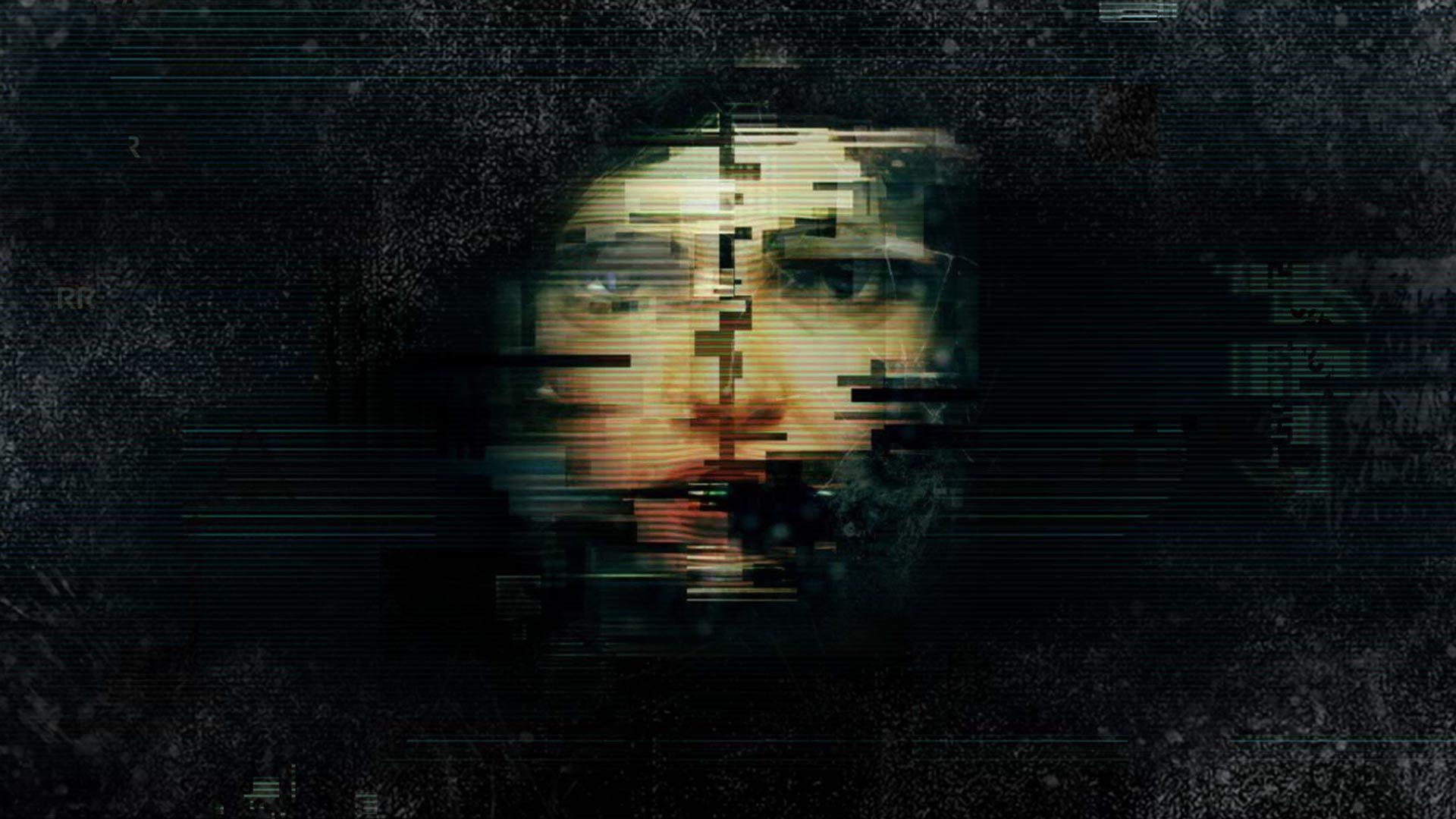
SOMA transcended typical horror by weaving a profound philosophical narrative into its unsettling atmosphere. Rather than relying solely on jump scares, it explored deep questions about consciousness, identity, and what it means to be human in a decaying underwater facility. Its psychological dread and thought-provoking story left a lasting impression, proving that existential terror could be far more potent than cheap thrills.
8. Messiah
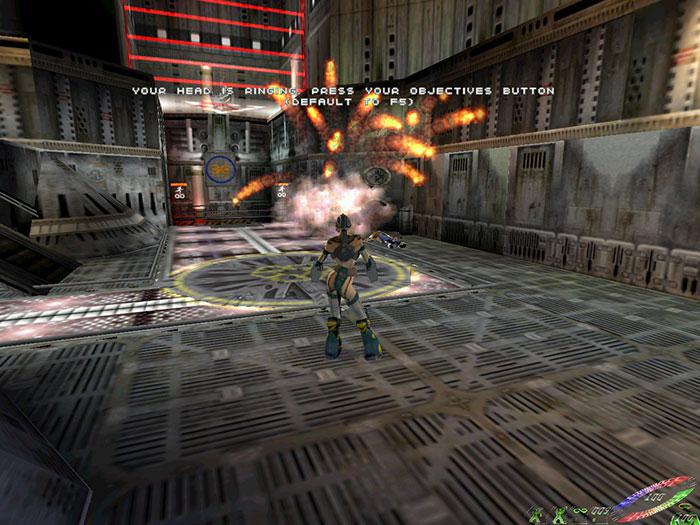
Messiah was an ambitious, if flawed, third-person action game known for its central possession mechanic. Players controlled Bob, a cherubic angel, who could possess various inhabitants to solve puzzles and engage in combat. This unique gameplay loop, combined with its dark, irreverent humor and early 3D graphics, made it a memorable, if somewhat clunky, experiment that dared to be different in a nascent 3D era.
9. Giants: Citizen Kabuto
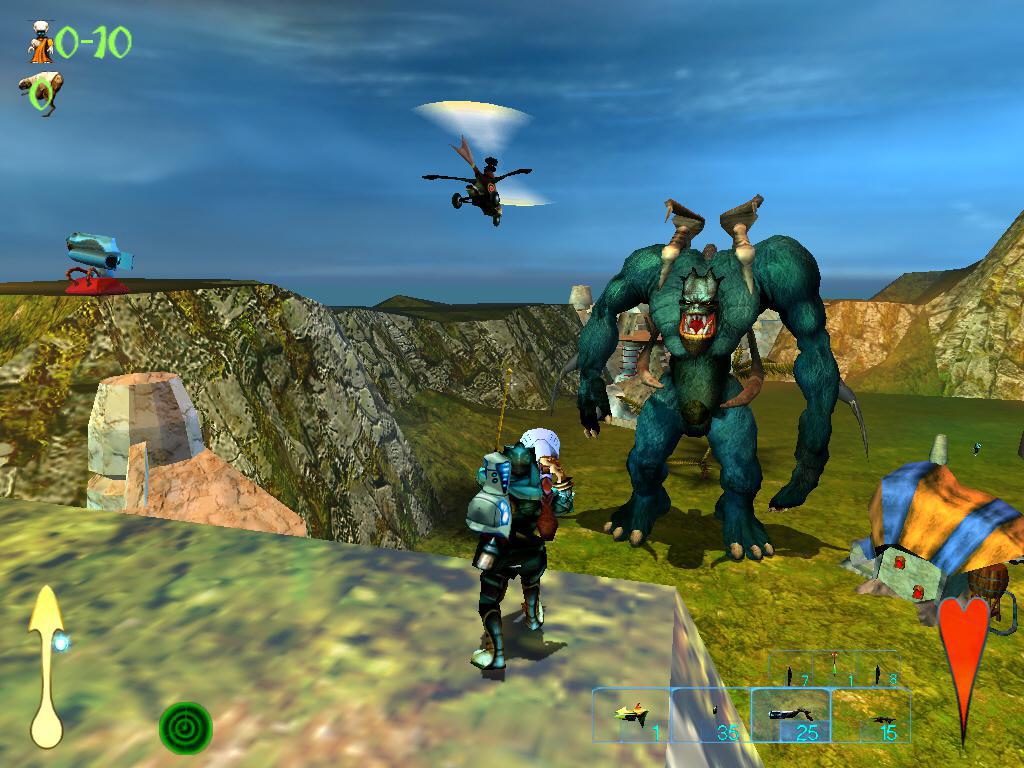
Giants: Citizen Kabuto was a genre-bending marvel, effortlessly shifting between third-person shooter action, real-time strategy, and even controlling a giant monster. Its irreverent humor, distinct factions with unique playstyles, and massive scale offered an experience unlike anything else. While perhaps too ambitious for its time, it showcased incredible creativity and remains a cult favorite for its sheer audacity and fun.
10. Sanitarium
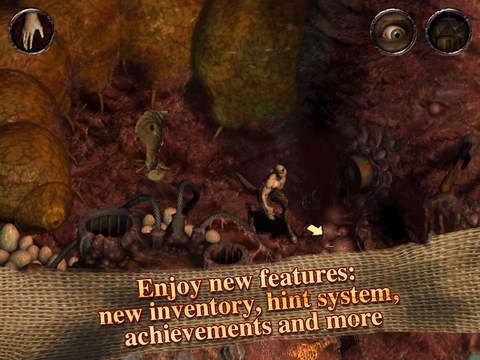
Sanitarium delivered a chilling psychological horror experience through the lens of a point-and-click adventure. Its surreal, nightmarish environments and fragmented narrative plunged players into the disturbed mind of its amnesiac protagonist. The game masterfully built an oppressive atmosphere and explored themes of madness and identity, leaving a haunting impression that few other horror games achieve with such unsettling grace.
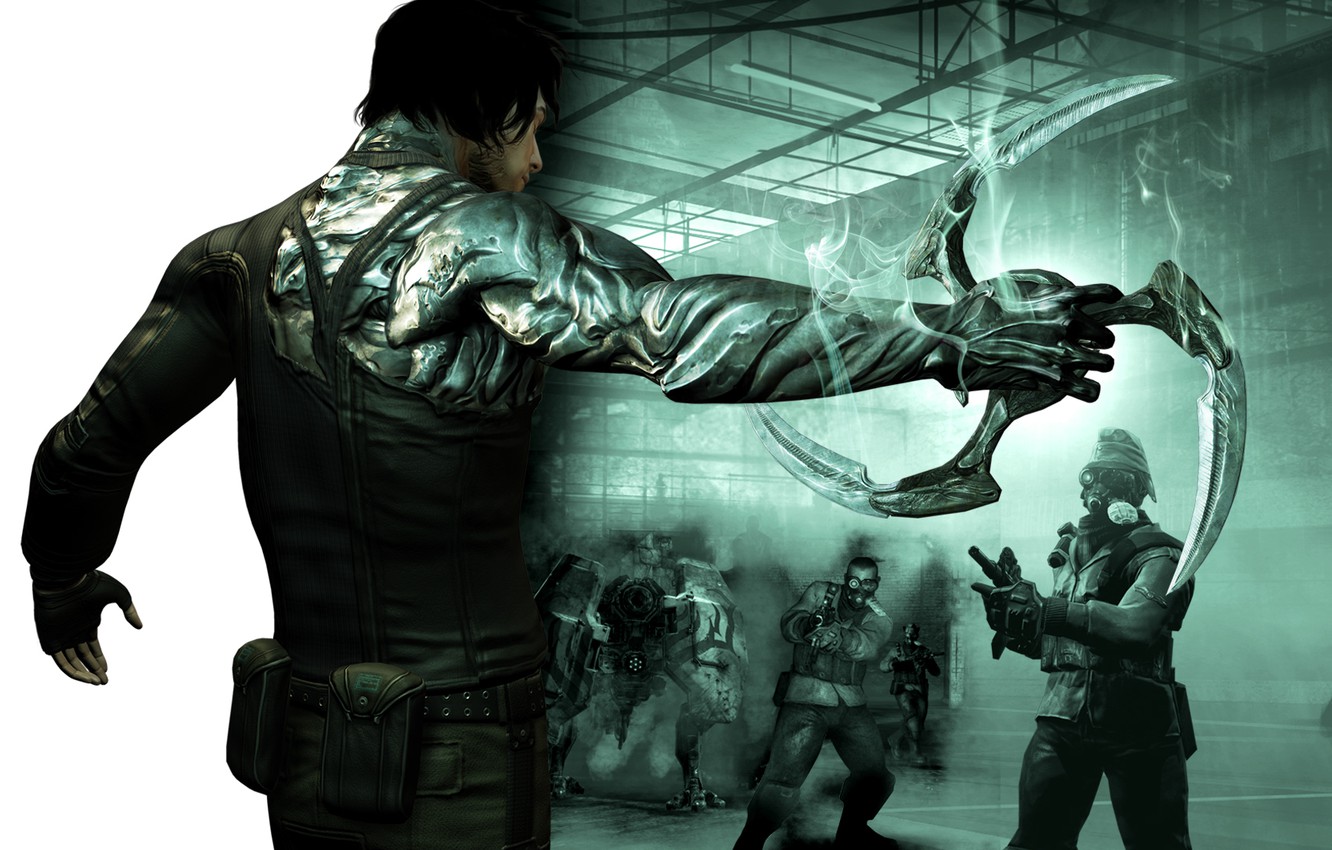
11. Dark Sector
Dark Sector is perhaps best known as the progenitor of Warframe, Digital Extremes' wildly popular free-to-play title. This early third-person shooter introduced the unique glaive weapon, which could be thrown and controlled mid-air, offering innovative combat possibilities. Its gritty, proto-sci-fi aesthetic and solid cover mechanics laid foundational elements that would later evolve into something far grander, a crucial stepping stone.
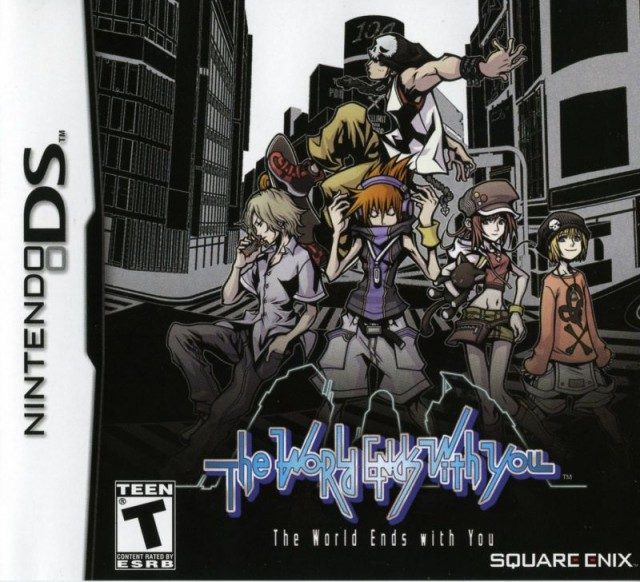
12. The World Ends With You DS
The World Ends With You on the DS was a groundbreaking RPG, perfectly leveraging the console's dual screens for its frenetic, strategic combat system. Its vibrant art style, iconic soundtrack, and deep dive into modern Shibuya youth culture created an unparalleled experience. It proved that innovative hardware utilization, paired with a compelling narrative and memorable characters, could redefine what an RPG could be.