

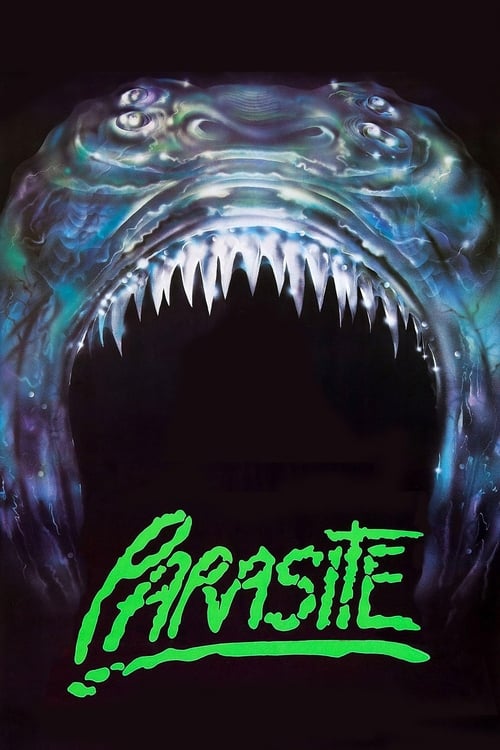
1. Parasite
Bong Joon-ho's Palme d'Or winner masterfully dissects class struggle, weaving a narrative that shifts from darkly comedic to chillingly tragic. It's a precise work of social commentary, employing genre fluidity to expose the grotesque inequalities inherent in modern capitalism. Few films so deftly challenge audience complicity, leaving an indelible mark long after the credits roll. The film's critical and popular success underscored a global hunger for cinema that speaks truth to power.
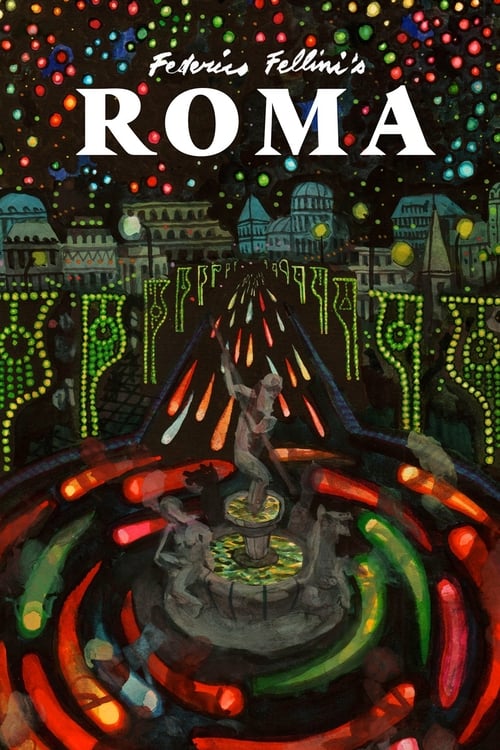
2. Roma
Alfonso Cuarón's deeply personal opus, a monochrome tapestry of memory, transports us to 1970s Mexico City. Through the eyes of a domestic worker, Cleo, it meticulously reconstructs an era, a family, and the profound societal shifts occurring beneath the surface of everyday life. This is a film not merely observed but felt, an intimate portrait that transcends its specific setting to explore universal themes of resilience and belonging.

3. Portrait of a Lady on Fire
Céline Sciamma's exquisite period drama redefined the female gaze, offering a tender, yet fiercely independent, exploration of love, art, and memory. Its slow burn intensity builds through lingering glances and unspoken desires, culminating in a profound emotional resonance. The film interrogates creation itself, posing questions about the artist's relationship with their subject and the enduring power of a moment captured.
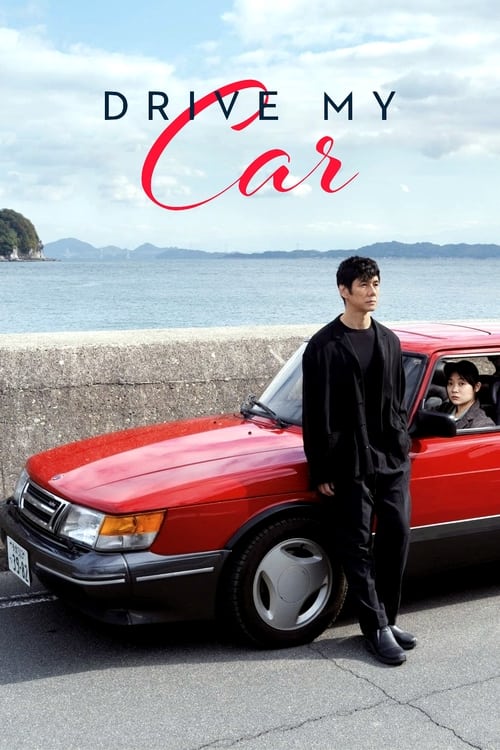
4. Drive My Car
Ryusuke Hamaguchi adapts Haruki Murakami with an elegiac touch, crafting a profound meditation on grief, communication, and the art of storytelling. The film unfolds with a deliberate, hypnotic rhythm, using theatrical rehearsals as a metaphor for processing unspoken trauma. Its extended runtime allows for a deep immersion into its characters' interior worlds, revealing the quiet, often painful, ways we connect and heal.
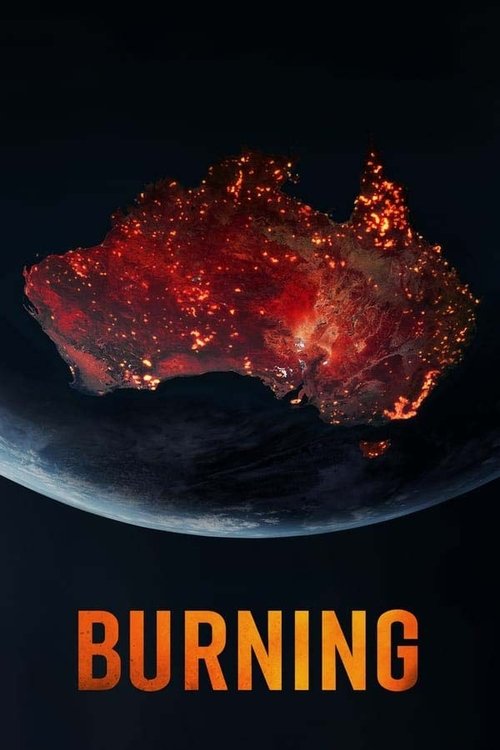
5. Burning
Lee Chang-dong’s haunting adaptation of a Murakami short story is a masterclass in ambiguity and simmering tension. It delves into themes of class disparity, jealousy, and existential uncertainty through the eyes of a young man caught between two enigmatic figures. The film’s slow-burning mystery leaves an unsettling imprint, compelling viewers to piece together a fragmented reality where truth remains elusive and deeply disturbing.
6. The Farewell
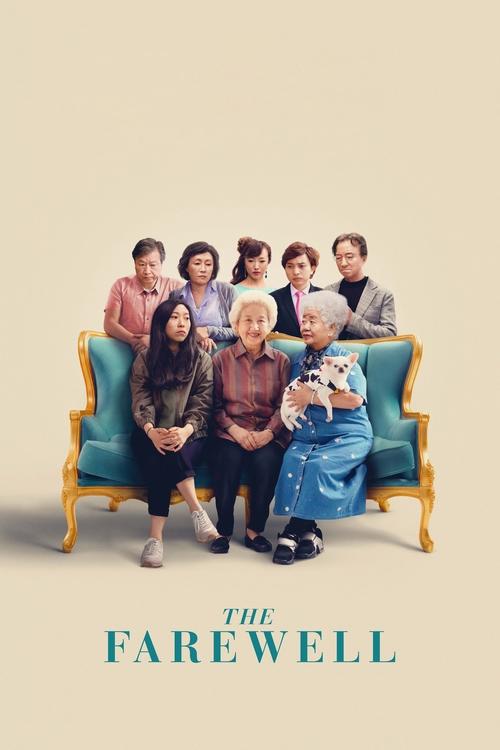
Lulu Wang’s poignant, often humorous, exploration of family and cultural identity offers a nuanced look at the complexities of grief and truth. Centered on a Chinese family’s decision to hide a terminal diagnosis from their matriarch, the film navigates the profound disconnects and enduring love across generations and continents. It's a deeply felt narrative questioning who owns a story and how we say goodbye.
7. Nomadland
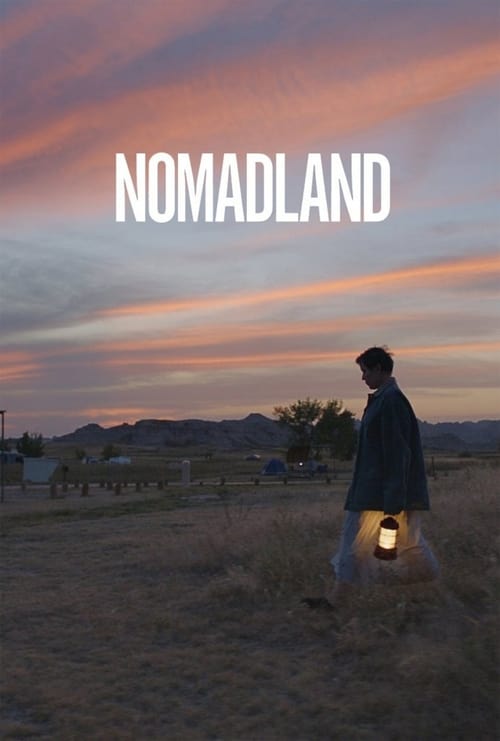
Chloé Zhao’s Oscar-winning feature offers a quiet, observational journey through the American West, following a woman who embraces a nomadic lifestyle after economic collapse. Blurring the lines between fiction and documentary, it captures a palpable sense of community among those living on the fringes. This film is a reflection on resilience, freedom, and the search for belonging in an increasingly precarious world.

8. Arrival
Denis Villeneuve’s intelligent science fiction explores the profound implications of communication with an alien species, transcending typical blockbuster tropes. It posits that understanding language is key to perceiving reality, twisting narrative time with remarkable elegance. This isn't merely a tale of first contact; it’s a deeply moving reflection on grief, free will, and humanity's shared capacity for both fear and empathy.
9. A Separation
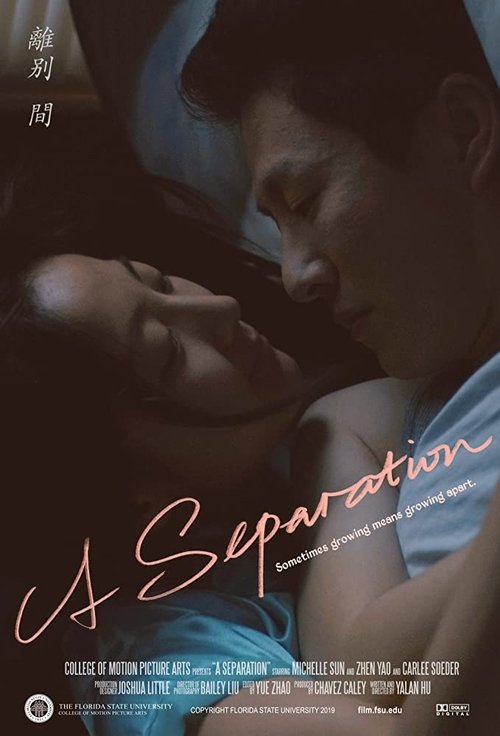
Asghar Farhadi's masterful Iranian drama meticulously dissects a failing marriage and the cascading moral dilemmas that follow. With a stark realism, it explores themes of truth, justice, and the profound cultural divides within a society, all viewed through the lens of ordinary people trapped in an escalating legal and ethical quagmire. It’s a powerful, empathetic study of human fallibility.
10. Under the Skin
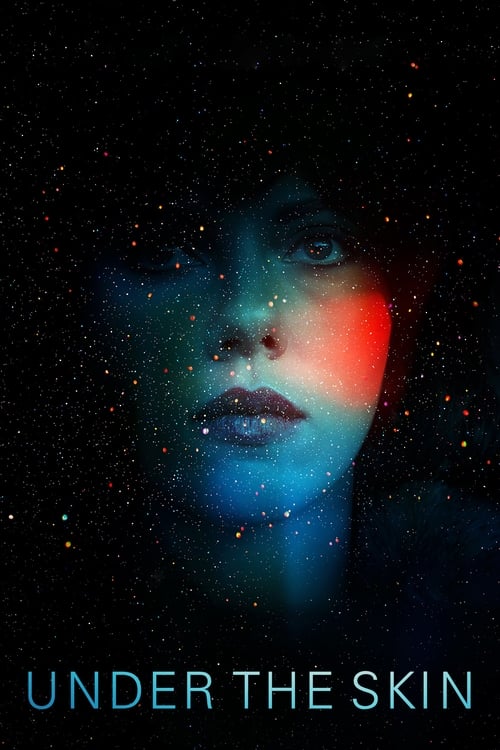
Jonathan Glazer’s chilling, atmospheric sci-fi horror film is a visceral, unsettling journey into identity and perception from an alien perspective. Scarlett Johansson’s performance as the enigmatic predator is mesmerizing, navigating the bleak Scottish landscape with a predatory grace. The film's minimalist approach and haunting sound design create a truly singular, disturbing cinematic experience that lingers long after viewing.
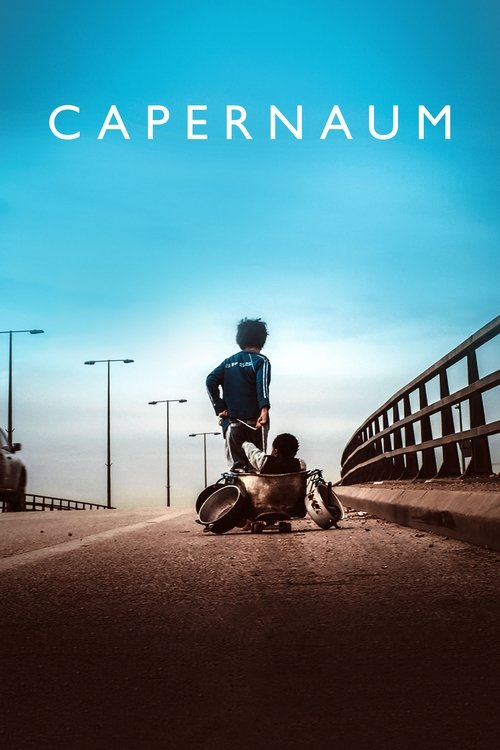
11. Capernaum
Nadine Labaki’s raw, neorealist drama offers an unflinching, heartbreaking look at child poverty and systemic injustice in Beirut, told through the eyes of a defiant young boy. The film’s powerful performances, particularly from its non-professional lead, lend an undeniable authenticity and urgency. It’s a difficult, yet vital, piece of cinema, demanding empathy and shining a stark light on global inequities.