1 / 6
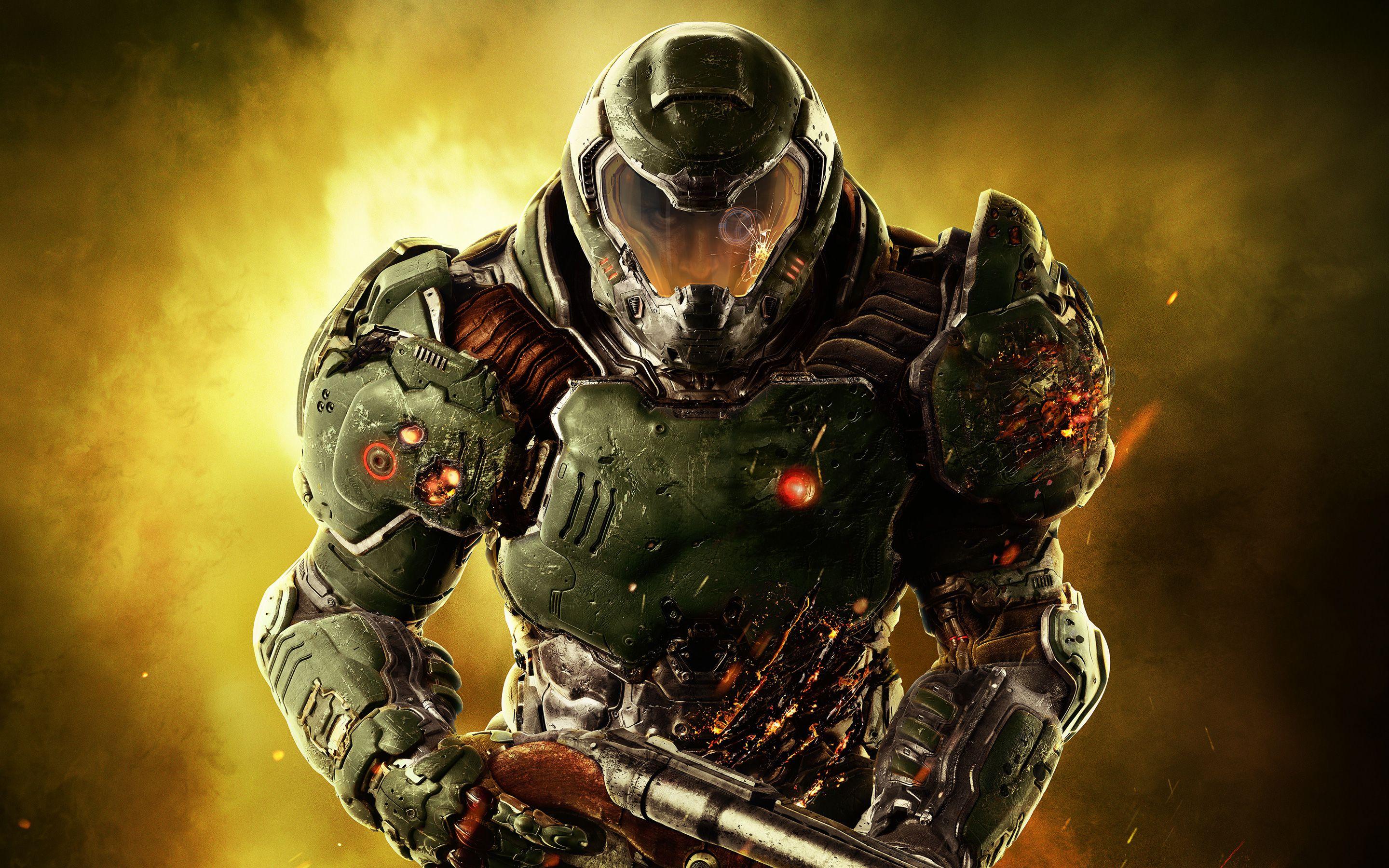
1. DOOM (2016)
This was a raw, visceral return to form, reminding us why single-player shooters can still dominate. It didn't just revive a classic; it perfected an aggressive, push-forward combat loop that felt relentlessly satisfying. The glory kills, the heavy metal soundtrack, the sheer, unadulterated power fantasy – it all coalesced into an experience that was both nostalgic and refreshingly modern. For a brief period, it felt like the industry remembered what made FPS games truly fun, creating a benchmark for intense, unapologetic action that felt timeless.
2 / 6
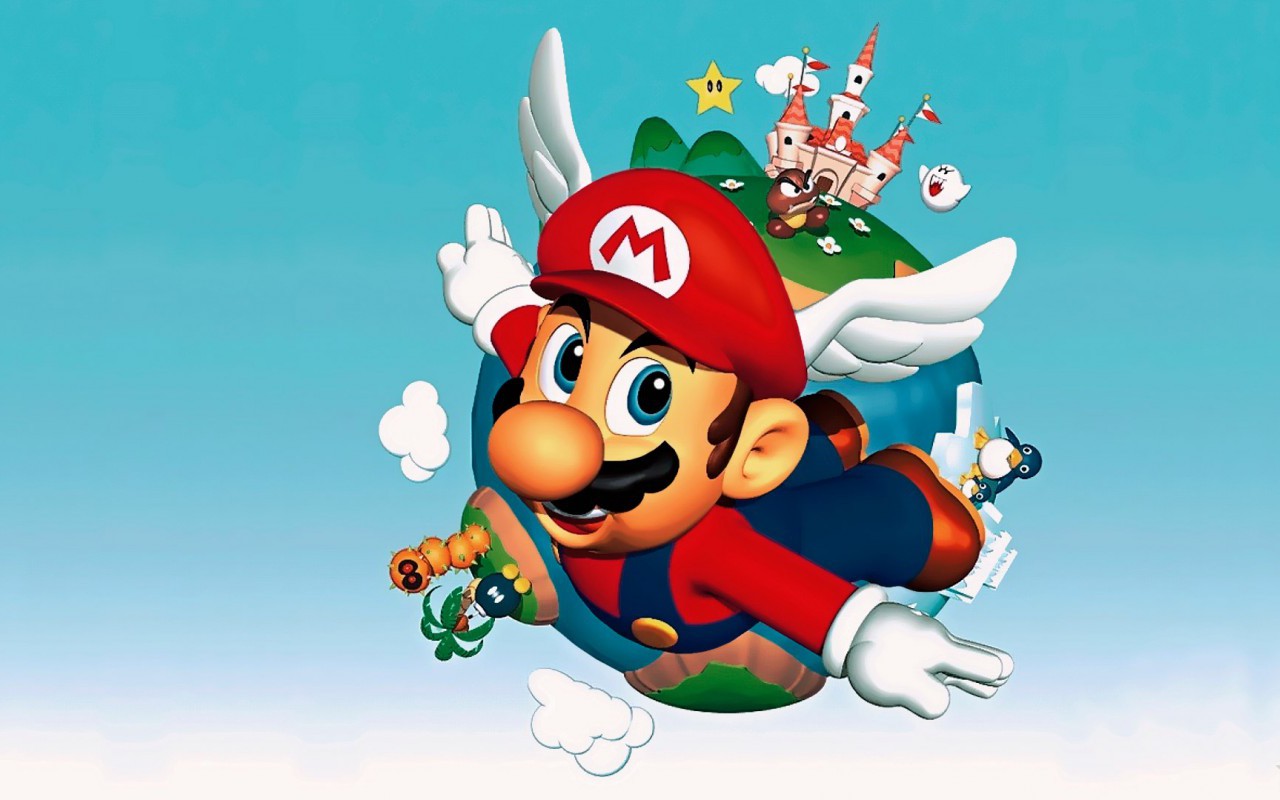
2. Super Mario 64
More than just a game, Super Mario 64 was a revelation. It didn't just step into 3D; it defined the grammar for an entire generation of 3D platformers. The camera control, the fluid movement, the sheer joy of exploring Peach's Castle and its expansive levels – it was a paradigm shift. This game taught us how to navigate and interact with virtual spaces in ways previously unimaginable, setting a standard for innovation and player freedom that few titles since have managed to truly surpass. It was pure, unadulterated digital magic.
3 / 6

3. EverQuest (1999)
Before MMOs became streamlined and solo-friendly, EverQuest was a brutal, beautiful, and deeply social beast. It demanded commitment, teamwork, and a tolerance for genuine risk, where death carried real consequences. This wasn't a game you played casually; it was a world you lived in, fostering intense community bonds out of necessity. That era of hardcore, interdependent online adventuring, where every journey felt like a perilous expedition and every victory a shared triumph, is a historical artifact now, largely supplanted by more accessible designs.
4 / 6

4. Street Fighter II: The World Warrior (1991)
This game wasn't just a fighting game; it was a cultural earthquake that reshaped the arcade landscape. Its meticulously crafted characters, precise controls, and deep, competitive mechanics drew crowds globally. Street Fighter II solidified the one-on-one fighting genre, inspiring countless imitators and establishing the blueprint for competitive gaming long before 'esports' was a household term. That palpable buzz of an arcade packed with players, queuing up to test their skills against a living legend, is a feeling that has largely vanished.
5 / 6
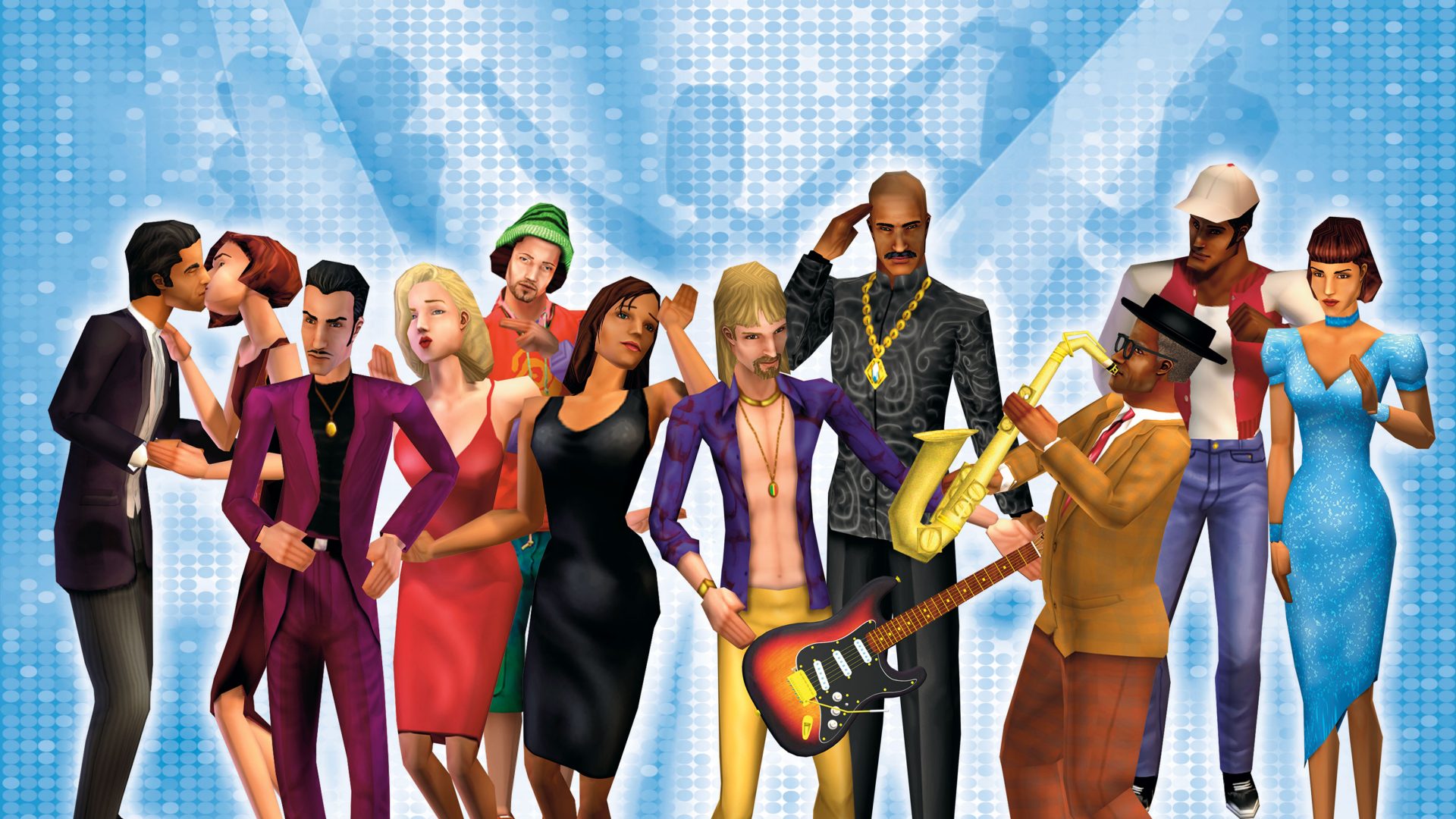
5. The Sims
When The Sims first arrived, it offered something fundamentally different: a life simulator without a win condition. It empowered players to build, to create stories, to experiment with virtual lives, acting as architects, directors, and even mad scientists. The appeal lay in its boundless sandbox nature, fostering creativity and observation in a way that traditional objective-driven games couldn't. It tapped into a universal human desire to build and nurture, carving out a unique and influential niche that felt both deeply personal and universally accessible.
6 / 6
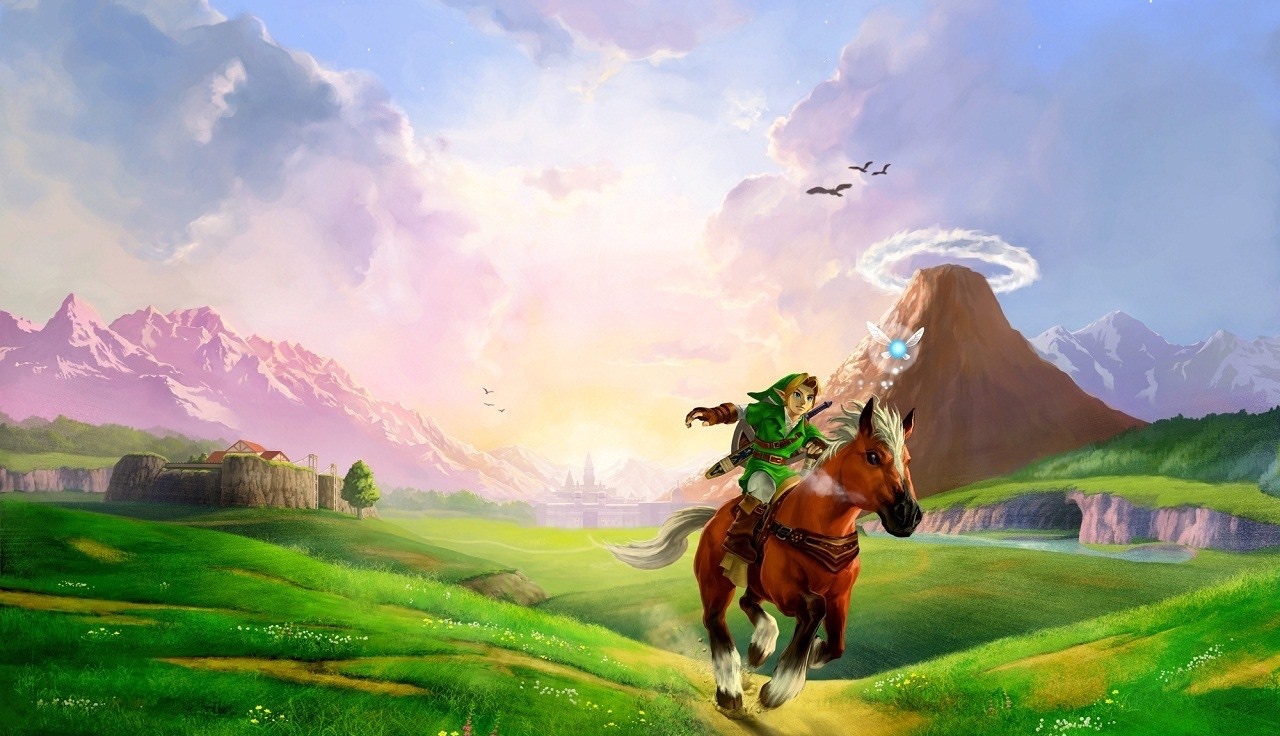
6. The Legend of Zelda: Ocarina of Time
Often hailed as a masterpiece, Ocarina of Time didn't just bring Zelda into 3D; it perfected it. Its innovative Z-targeting, sweeping narrative, unforgettable score, and perfectly paced progression created an unparalleled sense of adventure and wonder. This game established crucial mechanics and storytelling techniques that would influence countless titles across the industry. Playing it felt like discovering a new language for interactive experiences, a benchmark for epic fantasy and immersive world-building that many still chase but few ever truly capture.