

1. Trans-Europe Express (2009 Remaster)
Forget the remaster date; the original 1977 track was a paradigm shift. Kraftwerk meticulously crafted this odyssey with their custom sequencers and synthesizers, each oscillation calibrated for maximum hypnotic effect. The motorik rhythm, born from a pre-digital pulse, laid a foundational blueprint for nascent techno and, crucially, provided an undeniable rhythmic core for early hip-hop. Its stark, yet compelling, futurism remains profoundly influential.
2. Funkentelechy Vs. The Placebo Syndrome
George Clinton's opus was a masterclass in analog maximalism, a sprawling funk universe built with a dizzying array of guitars, horns, and synthesizers. The studio itself became an instrument, layering dense, interlocking grooves that defied simple categorization. This wasn't just music; it was a conceptual journey, pushing funk's boundaries into psychedelic, satirical, and deeply rhythmic territories, all captured on tape with astonishing depth.

3. The Chameleon
Herbie Hancock’s "The Chameleon" epitomizes the raw, unadulterated groove of 1970s jazz-fusion. The interplay between his Fender Rhodes and Bennie Maupin's bass clarinet, anchored by Harvey Mason's impeccable drumming and Paul Jackson's foundational bassline, established a new rhythmic paradigm. This was a track where every analog instrument breathed, creating an organic, yet intensely precise, funk architecture that still resonates with undeniable power.
4. Love Will Tear Us Apart
This isn't just a song; it's a stark, emotional landscape. Joy Division harnessed the nascent power of synthesizers to complement their signature desolate guitar textures and Peter Hook's iconic, high-register bassline. The production, raw yet meticulously arranged, captures an almost unbearable tension. It's a pre-digital encapsulation of existential dread, delivered with a melodicism that cuts right through the gloom.

5. Warm Leatherette
Daniel Miller, as The Normal, delivered an abrasive, minimalist manifesto with "Warm Leatherette." Stripping music down to its most skeletal form—a stark drum machine, a cold, insistent synth line, and spoken-word vocals—he forged an unsettling, almost industrial sound. It was punk's ethos re-imagined through rudimentary electronics, demonstrating how little was truly needed to create something profoundly impactful and genuinely unsettling.
6. The Message is Love
The Message delivered a quintessential piece of sophisticated disco-funk with this track. Its vibrant, layered arrangements, featuring lush strings, driving brass, and a propulsive rhythm section, epitomized the era's peak studio craftsmanship. The analogue warmth of the recording imbues the infectious groove with a tangible energy, a testament to intricate live instrumentation converging into a cohesive, uplifting, and utterly danceable statement.
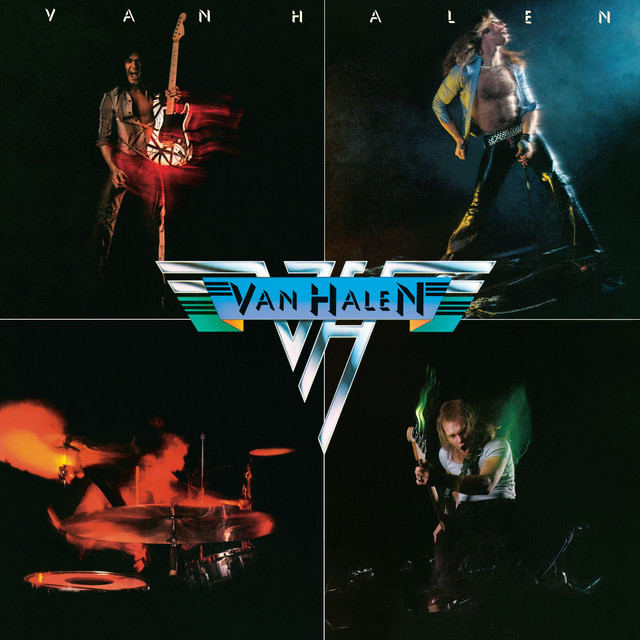
7. Van Halen (Remastered)
Ignore the "remastered" tag; the original 1978 album was a raw, unadulterated explosion of hard rock power. Edward Van Halen's guitar work, captured through analog tubes and tape, redefined electric guitar sonics, while Alex Van Halen's drumming provided an untamed, yet precise, rhythmic foundation. The sheer, visceral impact of tracks like "Eruption" remains a benchmark for pre-digital, high-octane rock performance.

8. Blue Monday
New Order synthesized post-punk's melancholia with emerging electronic dance music in "Blue Monday." Its iconic, machine-driven beat, primarily from an Oberheim DMX, paired with Peter Hook's driving bass and Bernard Sumner's cold synths, created an unprecedented hybrid. This wasn't just a song; it was a seven-minute declaration of the future, demonstrating the emotional depth achievable through meticulously programmed analog sequences.
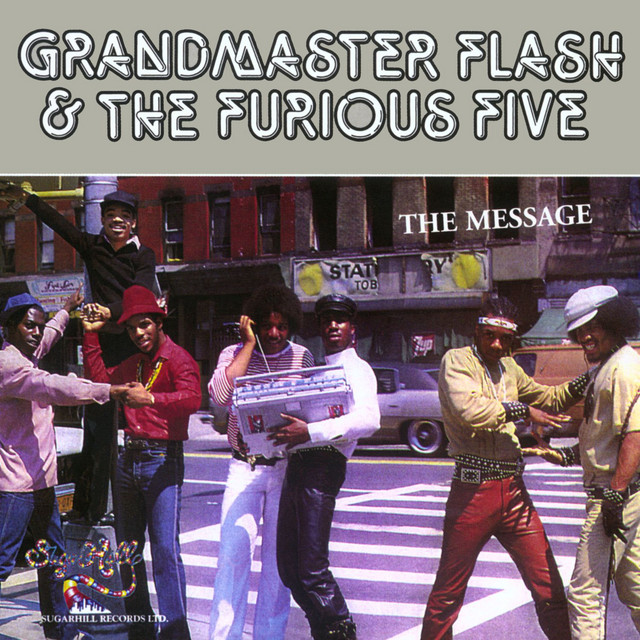
9. The Message
Grandmaster Flash & The Furious Five delivered a stark, uncompromising social commentary that changed music forever. The track's raw, stripped-down beat, built from analog drum machines and stark synth lines, provided an urgent backdrop to Melle Mel’s poignant observations. It proved that rap could be more than party music; it was a potent, pre-digital vehicle for truth, delivered with an undeniable, gritty urban rhythm.

10. Bela Lugosi's Dead (The Hunger Mix)
The original 1979 single, a cornerstone of gothic rock, enveloped listeners in a cavernous, almost terrifying atmosphere. Peter Murphy's vampiric vocals, Daniel Ash's angular guitar, and the expansive, analog-driven production created a soundscape of dread. The extended form allowed for a deep immersion into its dark, unsettling beauty, proving that pre-digital recording could conjure vast, evocative spaces with minimal elements.

11. Vitamin C
Can's "Vitamin C" is a masterclass in hypnotic repetition and rhythmic propulsion. The legendary Jaki Liebezeit's motorik beat forms an unshakeable foundation, around which the band weaves sparse, yet intensely captivating, analog textures. The track showcases how early experimental rock could transcend traditional song structures through sheer rhythmic force and tape-based improvisation, creating a trance-inducing groove that still feels utterly modern.