
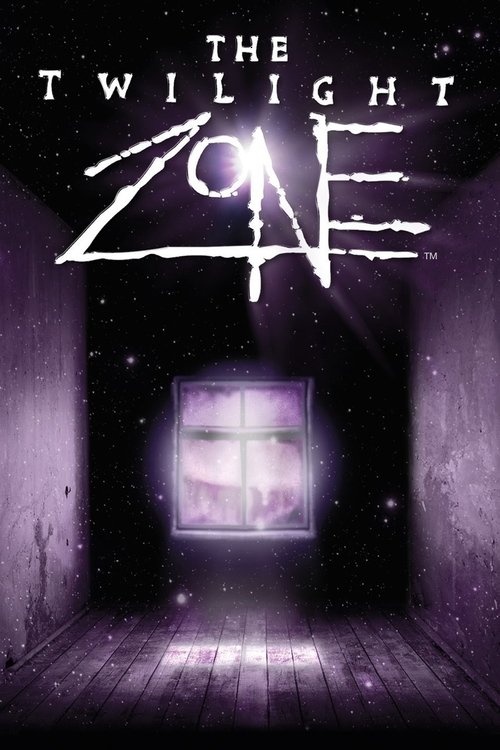
1. The Twilight Zone
Now, this one, it showed you things you just didn't expect to see on the little screen. Each week, a new story, a new puzzle. Rod Serling, he had a way with words, setting up these morality plays with a twist you rarely saw coming. And in glorious black and white, mind you, which only made those strange shadows and unsettling revelations all the more potent. It wasn't just entertainment; it made you think, and sometimes, it gave you a good chill. A true standout from the anthology era.
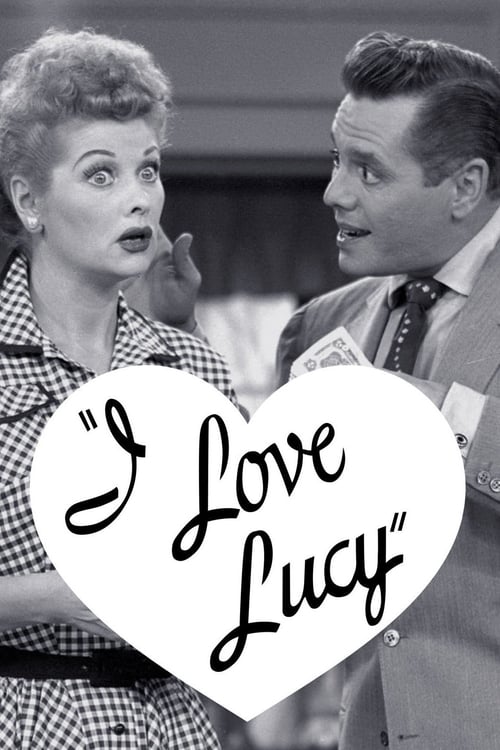
2. I Love Lucy
Oh, Lucy! Before color, before videotape, there was Desilu, and there was Lucy Ricardo getting into another scrape. Lucille Ball and Desi Arnaz, they had a chemistry, a rhythm that was just magic. And the live studio audience, their laughter was part of the show, a big part. It was a simple formula, but executed with such precision, like a well-rehearsed vaudeville act. And that chocolate factory scene? Pure, unadulterated gold.

3. The Fugitive
This was different, you see. Dr. Richard Kimble, always on the run, week after week, for a crime he didn't commit. It wasn't just a new bad guy; you followed *his* story, his desperate search. That voice-over gave it gravitas, a sense of impending doom. In black and white, the shadows and urgency felt more immediate. It kept you coming back, wanting to know if he'd finally clear his name. A true precursor to serialized storytelling.
4. M*A*S*H
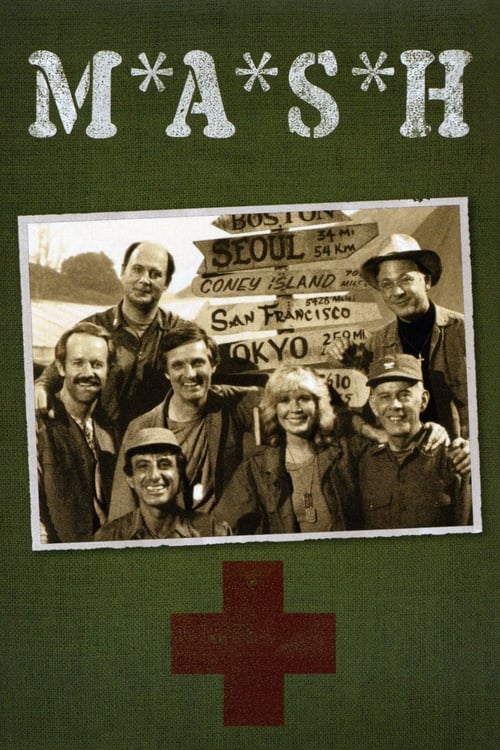
And here was a show that could make you laugh one minute, then hit you with the stark reality of war the next. It was a comedy, sure, but with a serious heart beneath all the wisecracks. Those doctors, stuck in that camp, you saw them change, grow, and sometimes, just barely hold it together. It blended humor and pathos in a way few managed, especially then. And that final episode, it was an event, a true send-off for characters we’d come to know intimately.
5. Hill Street Blues
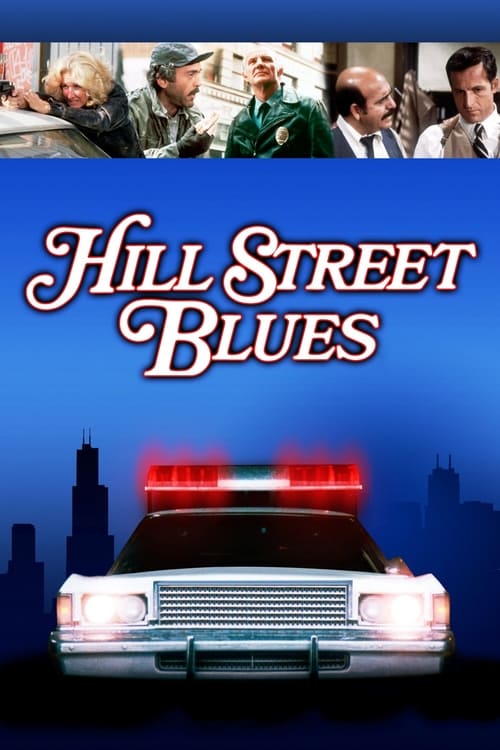
Now, this one changed things. It wasn't just a new case every week, neatly tied up by the credits. You had ongoing storylines, characters carrying their baggage from one episode to the next. The precinct felt like a living, breathing place, full of flawed people just trying to do their job. The gritty realism, the overlapping dialogue, it felt like you were right there. It pushed boundaries, showing television could tell complex, continuous stories, not just episodic ones.
6. Cheers
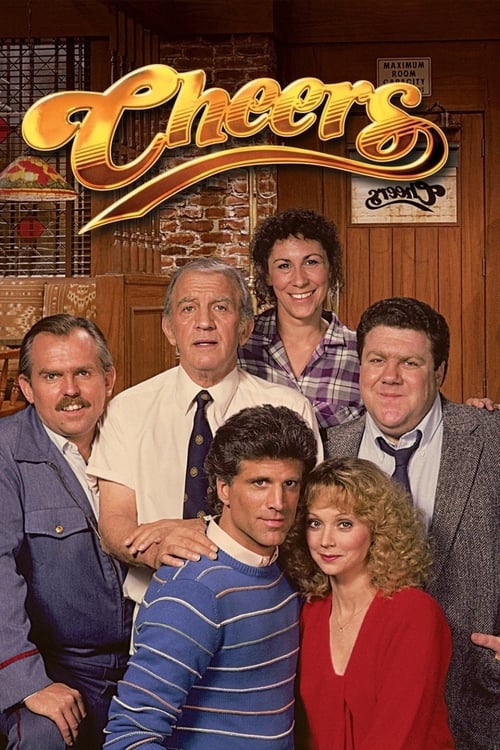
Where everybody knows your name! And it’s true, by the end, you felt like you knew everyone in that bar. A classic sitcom setup, a single location, but the writing was so sharp, and the ensemble cast, they just clicked. The jokes landed, relationships developed slowly, it felt like a comfortable hang-out every week. It perfected the multi-camera comedy, showing how much character development and warmth you could squeeze into a half-hour, without ever getting too sentimental.
7. The Andy Griffith Show
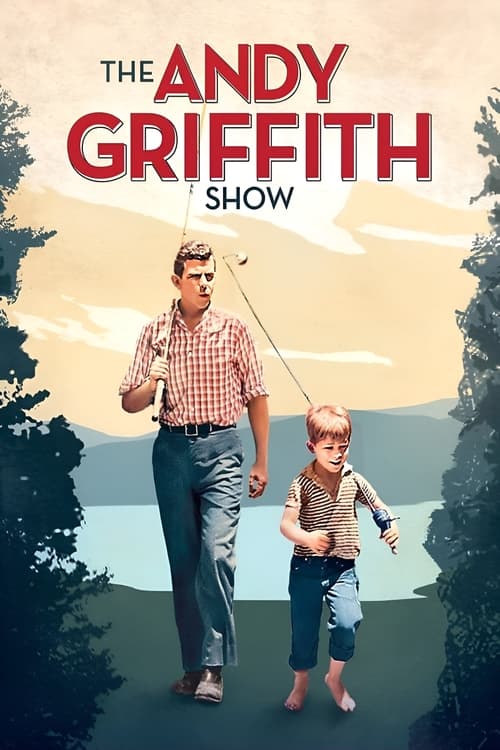
Oh, Mayberry. Such a gentle, warm place, wasn't it? Sheriff Andy Taylor, he wasn’t your typical lawman; he handled things with wisdom and a quiet humor. And Don Knotts as Barney Fife, well, he was a riot, a perfect comedic foil. It was a simpler time, yes, but the lessons were timeless, and the characters felt like family. Filmed in glorious black and white, the show had a timeless quality, a charm that still resonates. Just good, wholesome storytelling, week after week.