
1. Primer
This one’s already a puzzle box, right? AI could really help visualize the branching timelines and paradoxes in a new way, maybe even letting you explore different causality paths. Imagine a VR overlay showing the timeline shifts, or an AI narrator pointing out subtle clues you missed the first ten times. It’s perfect for unraveling with new tech.
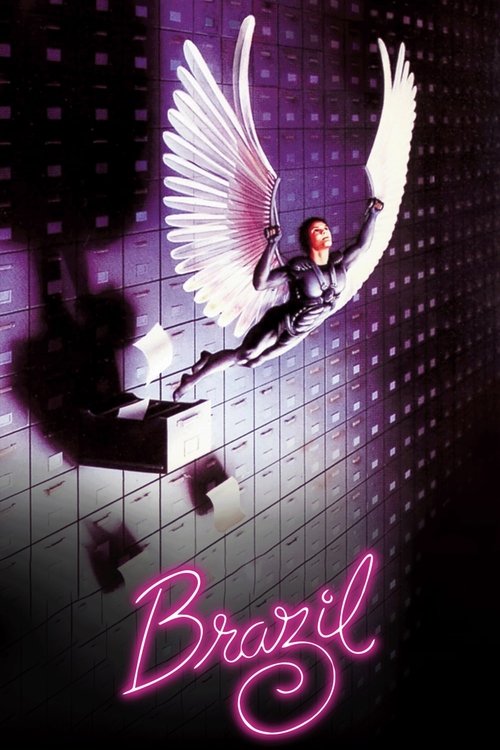
2. Brazil
Terry Gilliam's dystopian vision of bureaucracy and escapism is ripe for a 2026 update. Picture an AI dynamically altering the dream sequences based on your own subconscious data, or letting you navigate the labyrinthine office blocks in VR, feeling the oppressive weight of the system firsthand. It could make the satire hit even harder.
3. Possessor
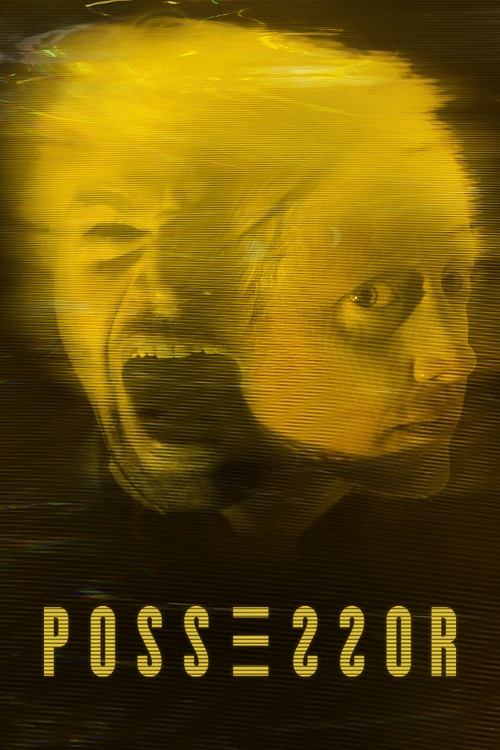
This film's mind-bending body-hopping concept is made for AI-enhanced viewing. Imagine an AI showing you the subtle shifts in personality within the same body, or even letting you experience the psychological invasion from both perspectives in a VR setting. It would amplify the intense identity crisis and ethical dilemmas.

4. Coherence
A dinner party, a comet, and a multiverse of possibilities. AI could map out every single timeline permutation, letting you jump between realities in a personalized VR experience. Or maybe it could highlight the subtle differences in character interactions across dimensions, making the already mind-bending narrative even more intricate and engaging.
5. The Fountain
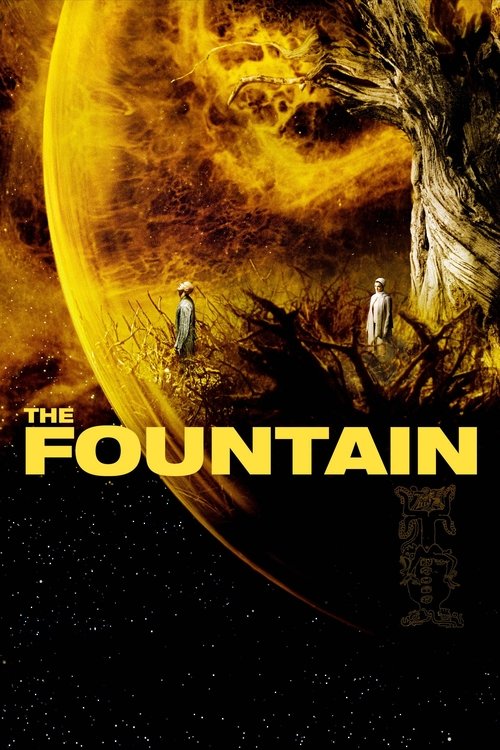
Darren Aronofsky’s epic of love, death, and rebirth across three timelines is so visually rich. An AI could weave these narratives even more seamlessly, perhaps letting you choose which era to focus on, or dynamically blending them into a personalized, emotional journey. It’d deepen the film’s already profound themes of eternity and connection.

6. Upstream Color
Shane Carruth's abstract, elliptical narrative about identity and connection through an organism is ideal for AI analysis. An AI could help untangle the non-linear storytelling, perhaps offering visual cues or even a personalized narrative thread that highlights specific emotional connections, making the dreamlike experience more comprehensible and deeply felt.

7. Tetsuo: The Iron Man
This cyberpunk body horror is a visceral, industrial nightmare. Imagine AI-driven haptic feedback, letting you *feel* the metal transforming flesh in a VR experience. Or an AI could generate personalized, even more grotesque, metallic mutations, pushing the boundaries of its already intense, raw, and boundary-pushing aesthetic.

8. Dark Star
John Carpenter’s debut is a quirky, philosophical sci-fi comedy. An AI could enhance the ship's sentient bomb's existential debates, perhaps generating new, unexpected philosophical arguments based on your input. Or imagine exploring the ramshackle spaceship in VR, interacting with the disaffected crew and their bizarre alien pet.
9. Beyond the Black Rainbow
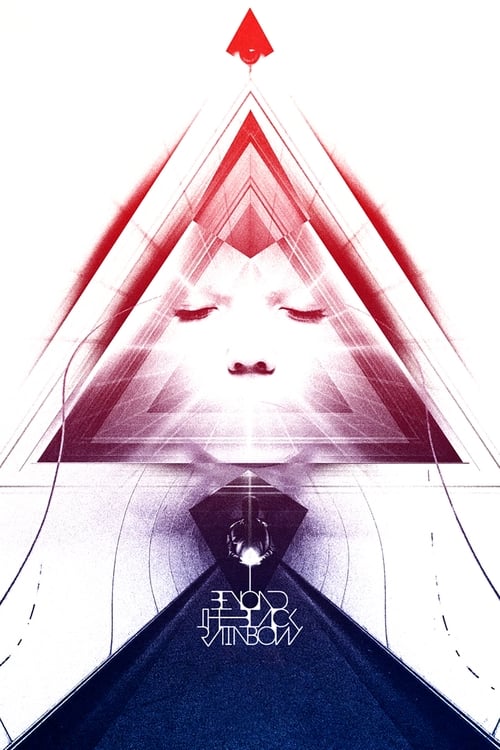
Panos Cosmatos’s psychedelic, retro-futuristic nightmare is a sensory overload. An AI could intensify the already stunning visuals and synth-heavy score, perhaps generating personalized, ever-shifting patterns and sounds in a VR environment, making the journey through the mysterious Arboria Institute even more hypnotically unsettling and visually arresting.
10. Come and See
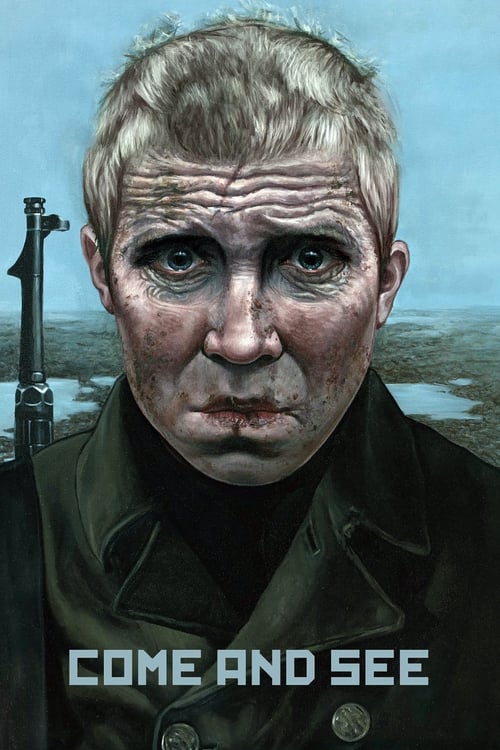
This harrowing war film from Belarus is already incredibly immersive. While not an obvious choice for "enhancement," an AI could provide historical context or emotional support layers in a non-intrusive way, or even generate personalized ambient soundscapes that amplify the film's profound sense of dread and loss, making its anti-war message even more impactful.