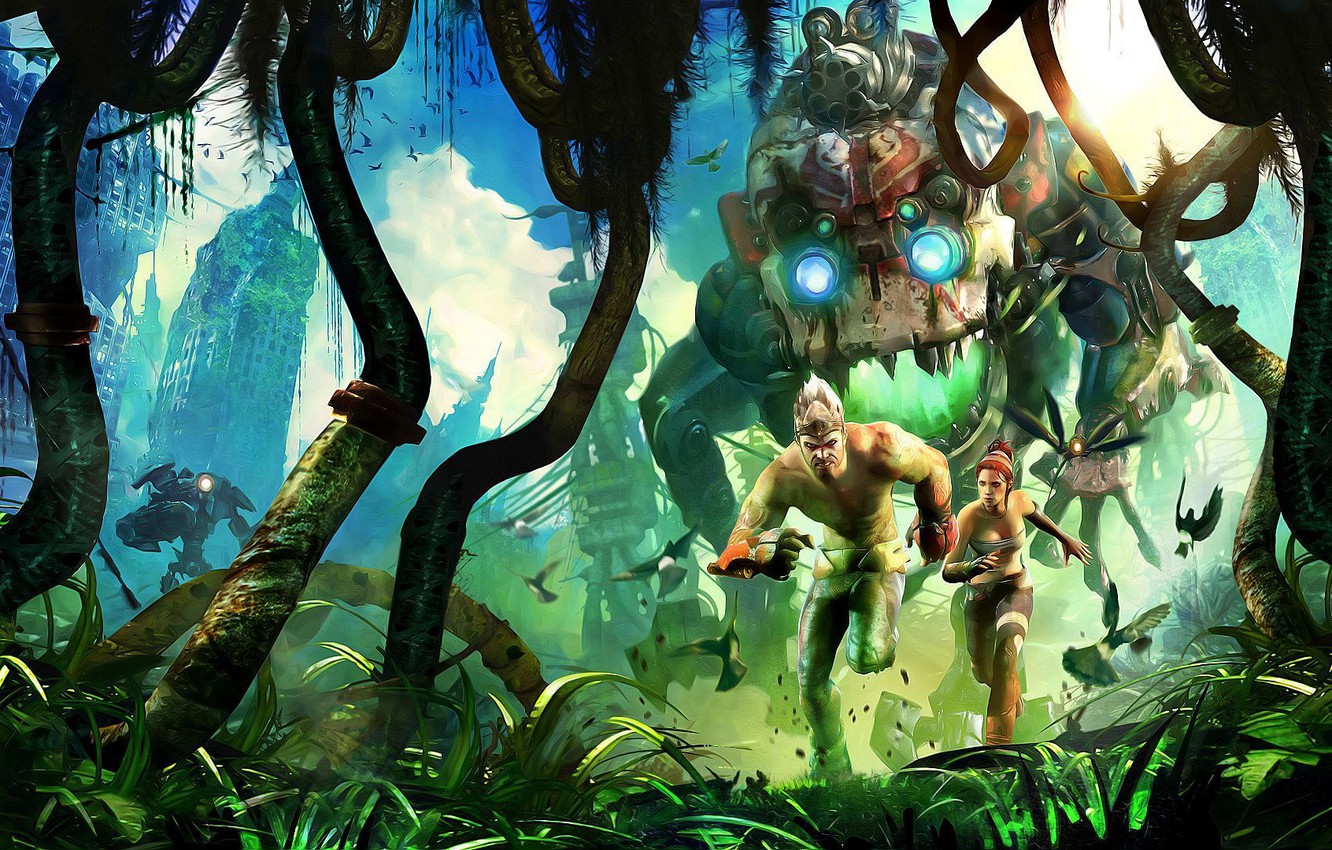
1. Enslaved: Odyssey to the West
Ninja Theory’s "Enslaved" arrived with a distinct vision, blending a post-apocalyptic journey with a surprisingly heartfelt narrative. Andy Serkis’s performance capture brought life to Monkey, forming an unlikely bond with Trip through a beautifully ruined world. And while its commercial success was limited, it cemented its place as a character-driven action-adventure, showcasing storytelling depth often overlooked in its era. It's a testament to the power of compelling digital performances.
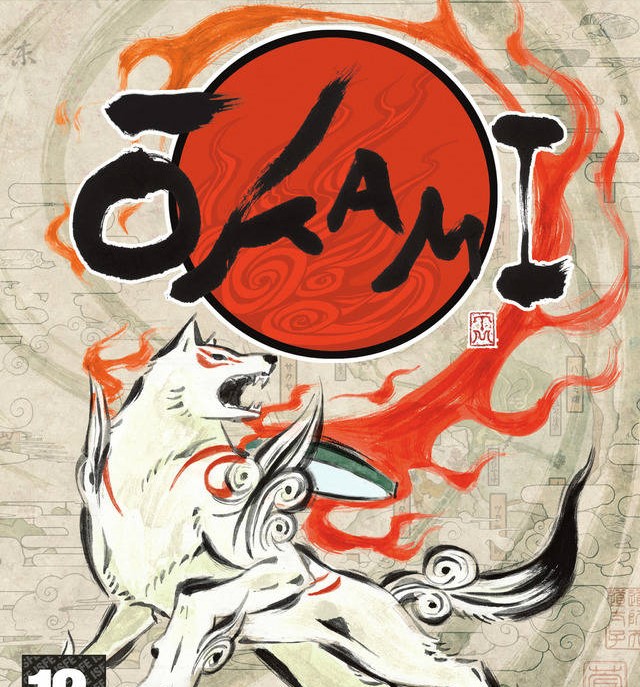
2. Okami
"Okami" remains a visual and auditory marvel, a sumi-e painting brought to life. Its unique Celestial Brush mechanic felt revolutionary, offering a blend of combat and puzzle-solving that was both innovative and deeply satisfying. And though it struggled to find a massive audience initially, its artistry, rooted in Japanese folklore and mythology, ensured its enduring legacy. It stands as a beautiful, playable testament to creativity over commercial pressures.
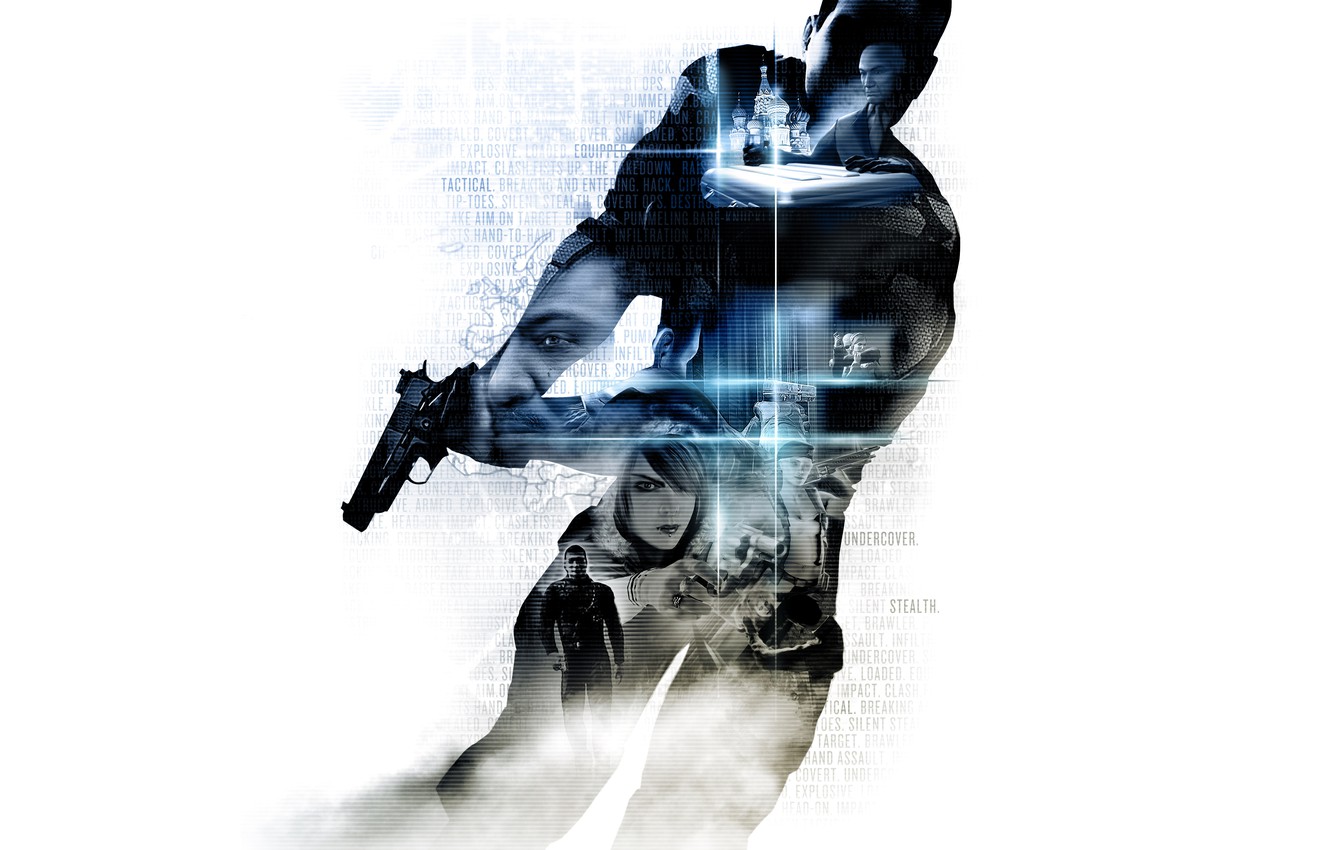
3. Alpha Protocol
Obsidian's "Alpha Protocol" was a fascinating, if flawed, attempt at an espionage RPG. Its combat was clunky, sure, but the sheer breadth of player choice, and how those choices genuinely twisted the narrative, was groundbreaking. And it offered a level of reactive storytelling that few games dared to approach, crafting a truly personal spy thriller where consequences mattered. It’s an acquired taste, yet deeply rewarding for those who embraced its ambition.
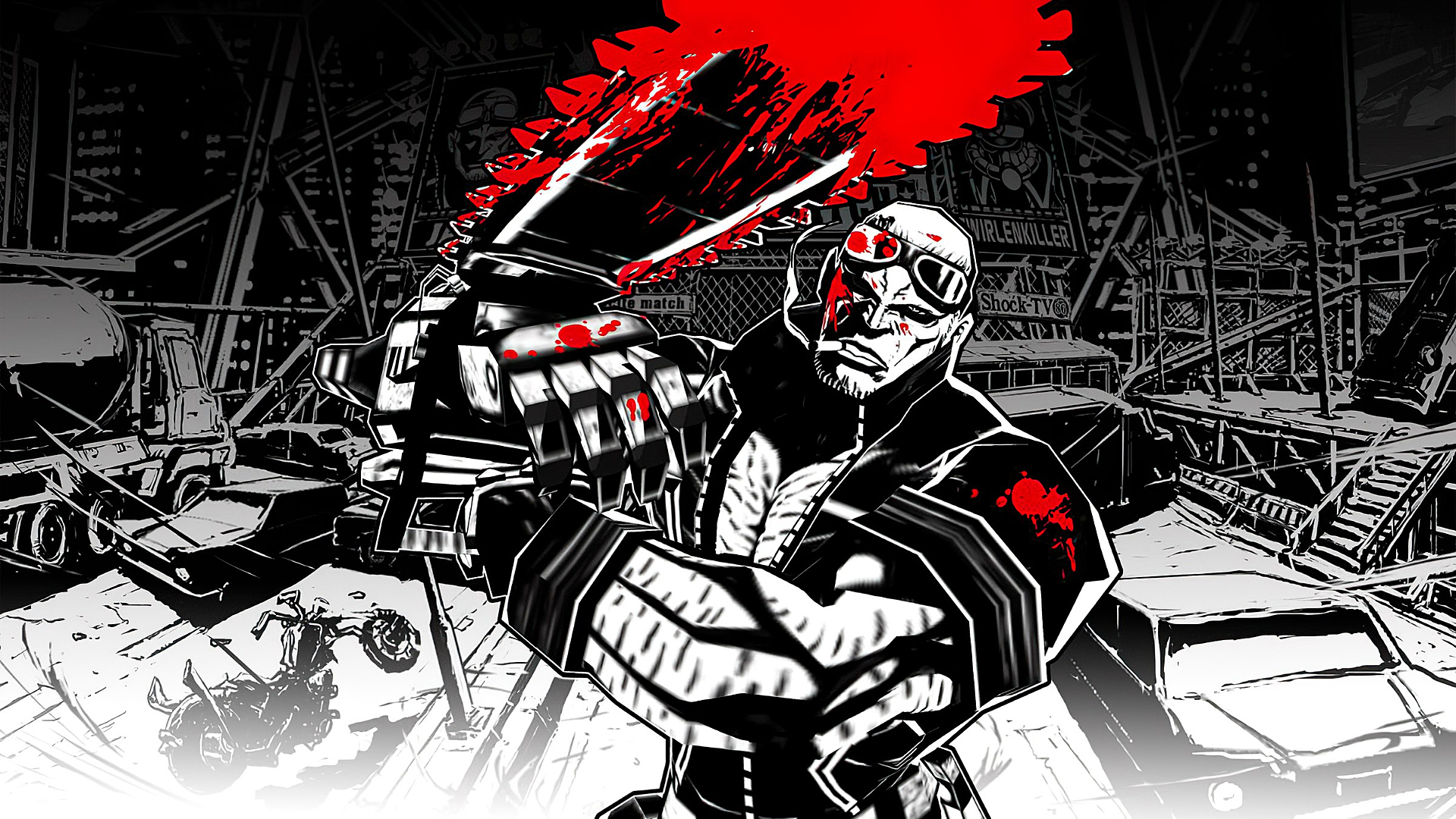
4. MadWorld
"MadWorld" dared to be different on the Wii, shunning family-friendly aesthetics for a stark, monochrome, graphic novel-inspired world. Its over-the-top violence was less gratuitous, more a stylistic choice, punctuated by genuinely sharp, often hilarious commentary. And it pushed boundaries, proving that mature, visually distinct experiences could thrive even on a console primarily known for its motion controls. It was a bold, blood-splattered statement.
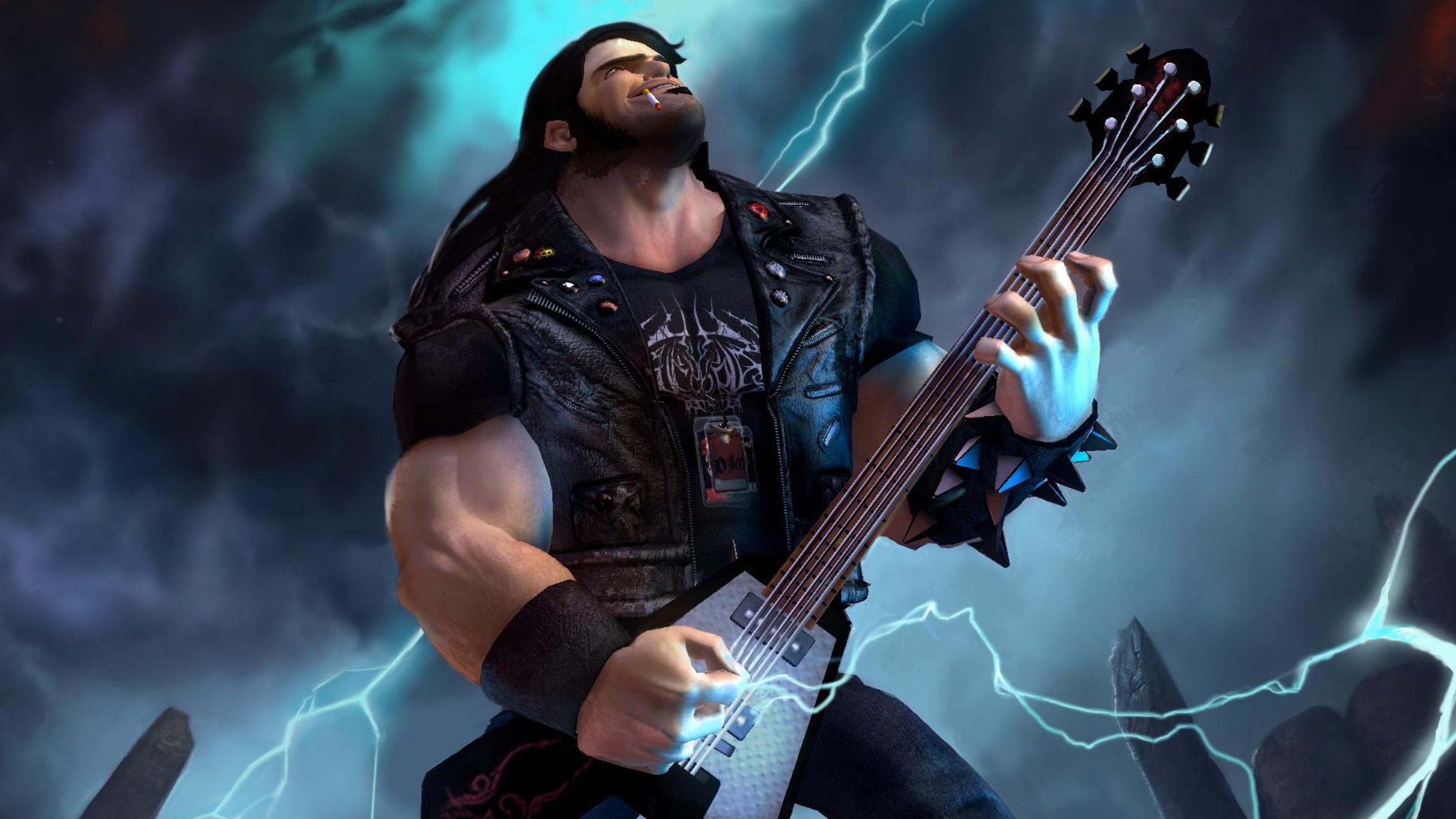
5. Brutal Legend
Tim Schafer's "Brutal Legend" was a love letter to heavy metal, a genre mash-up starring Jack Black as a roadie transported to a world built on rock. It blended action-adventure with real-time strategy, a combination that proved divisive but undeniably unique. And while its commercial performance didn't match its cult appeal, its distinctive humor, incredible soundtrack, and sheer devotion to metal culture made it unforgettable. It truly wore its heart on its sleeve.
6. Grim Fandango
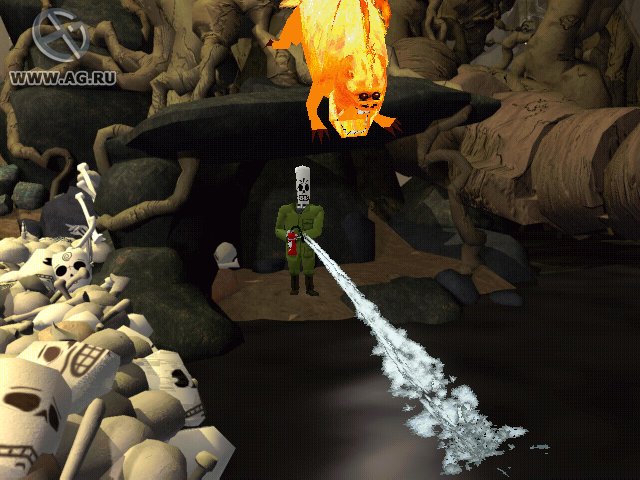
"Grim Fandango" cemented LucasArts' reputation for narrative brilliance, delivering a timeless point-and-click adventure steeped in film noir and Mexican folklore. Its stylized art design and witty dialogue remain iconic, following Manny Calavera through the Land of the Dead. And despite its initial commercial struggles, its profound storytelling and memorable characters ensured its status as a genre masterpiece. It’s a compelling journey through a beautifully imagined afterlife.
7. Giants: Citizen Kabuto
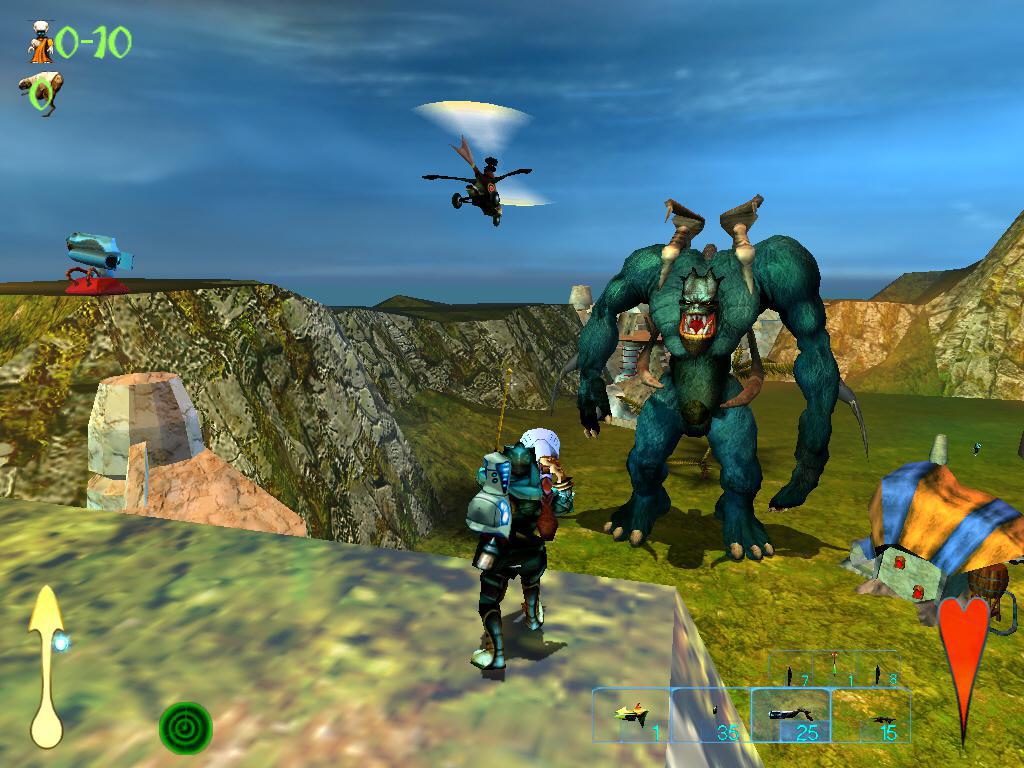
"Giants: Citizen Kabuto" was an eccentric blend of third-person shooter, real-time strategy, and sheer irreverence. Players could control distinct factions—the agile Meccaryns, the magic-wielding Sea Reapers, or the colossal Kabuto—each offering wildly different gameplay. And its anarchic humor and genuinely innovative mechanics, even if a bit rough around the edges, made it a memorable, if overlooked, gem. It was delightfully chaotic and ambitious.
8. Rez
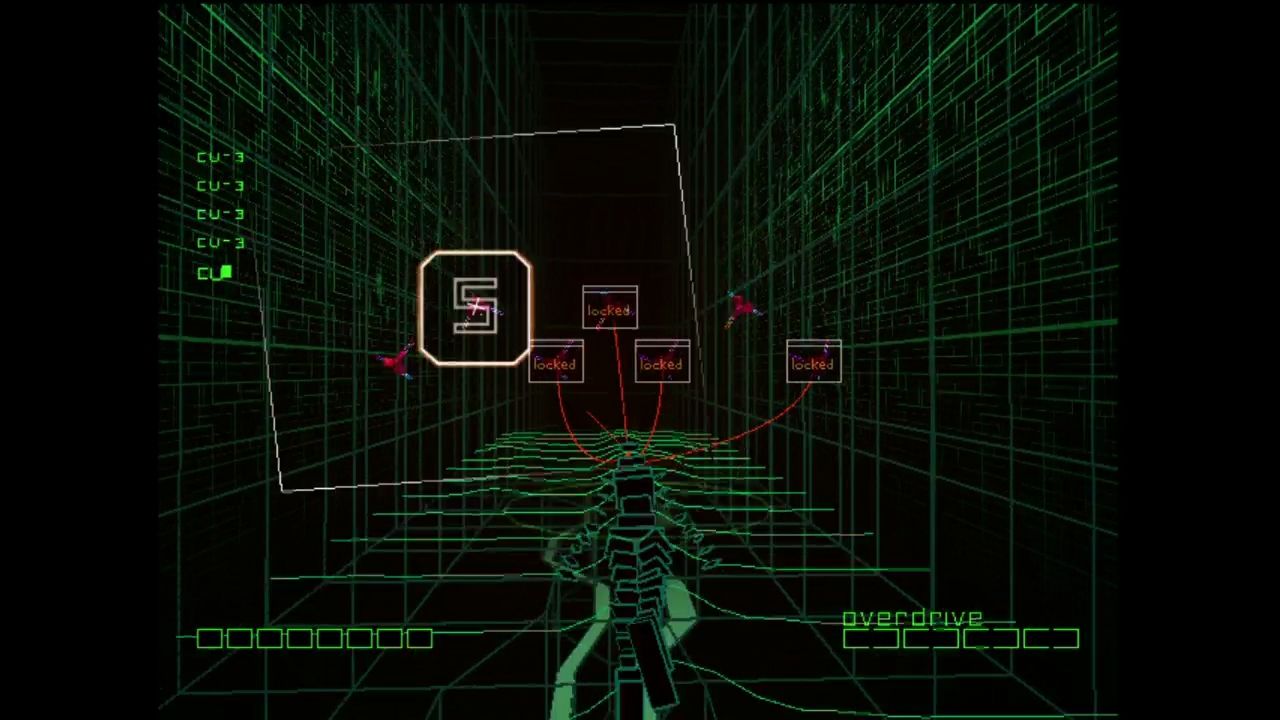
"Rez" isn't merely a game; it's a synesthetic experience, merging rhythmic shooting with evolving abstract visuals and a pulsating electronic soundtrack. Every shot fired, every enemy defeated, contributes to the dynamic music, creating an almost trance-like state. And while its core gameplay loop is simple, its immersive audio-visual design was revolutionary, establishing it as a masterpiece of sensory engagement. It’s a pure, unadulterated trip.
9. Vanquish
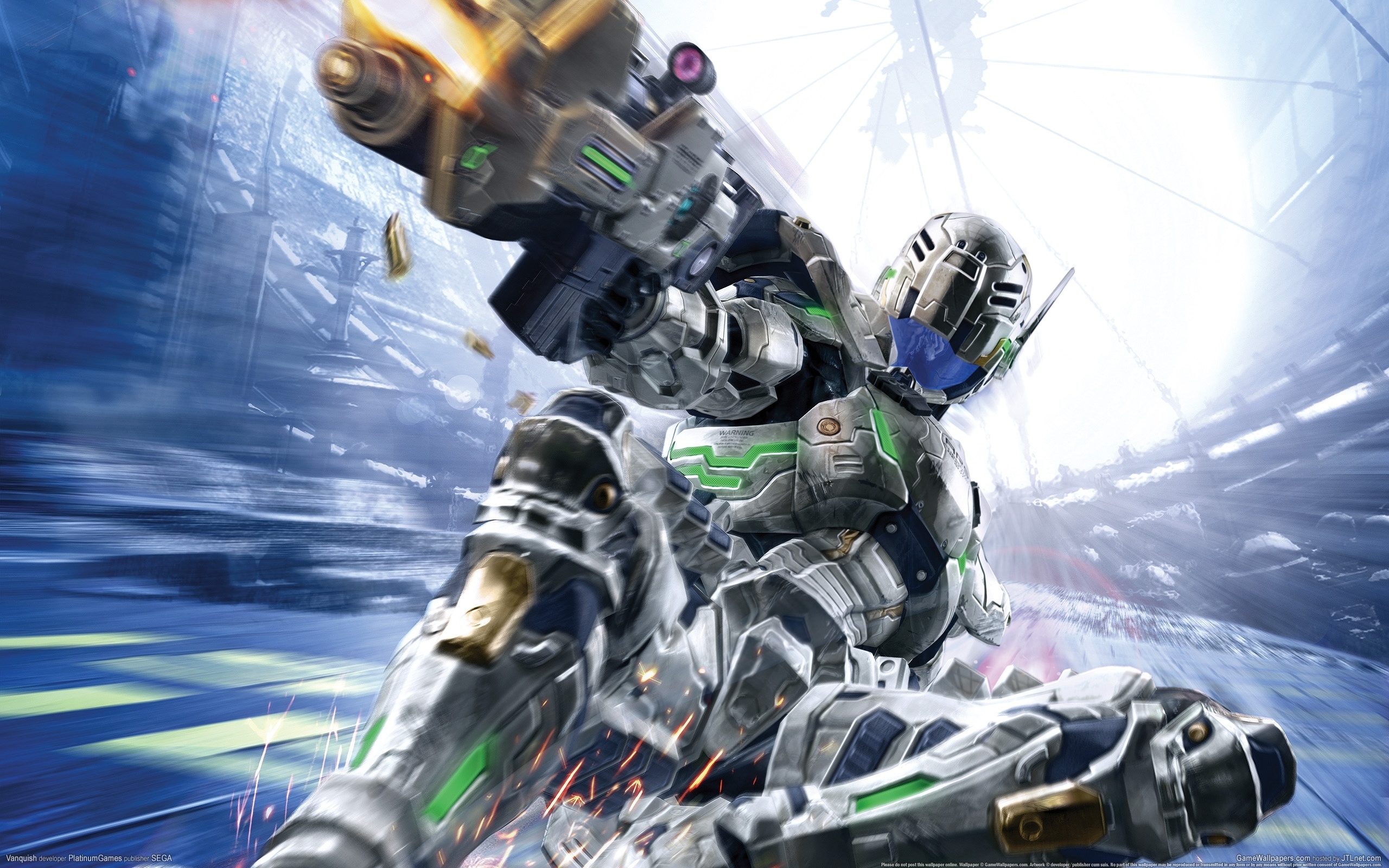
PlatinumGames' "Vanquish" defined high-octane action, pushing the third-person shooter genre with unparalleled speed and style. Its innovative "rocket slide" mechanic allowed players to boost around arenas, combining fast-paced movement with bullet-time precision. And while it might have been brief, the sheer exhilaration of its combat, demanding constant aggression and quick reflexes, left an indelible mark. It was pure, unadulterated adrenaline.
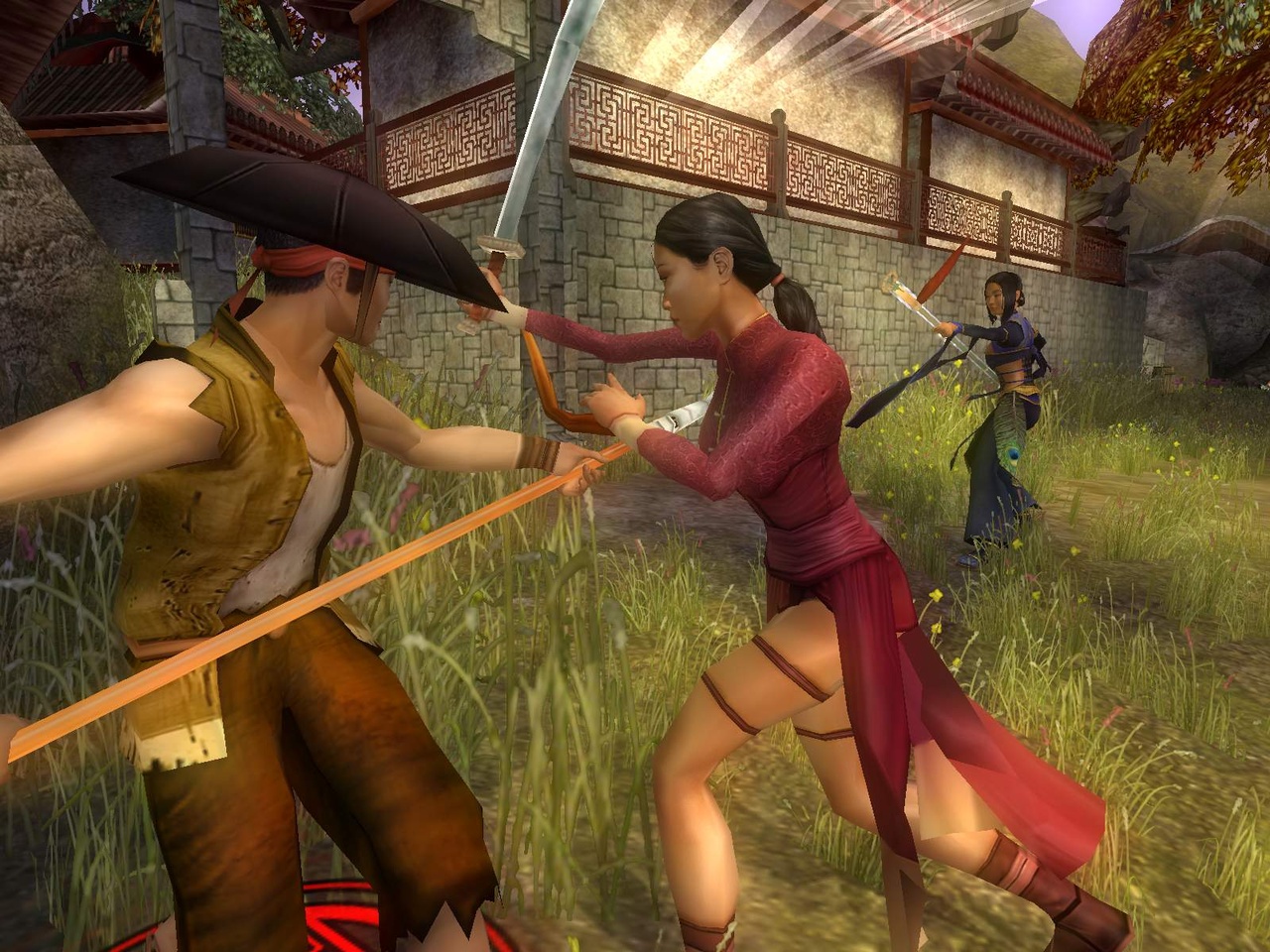
10. Jade Empire
BioWare stepped away from traditional fantasy with "Jade Empire," crafting an action RPG rooted in Chinese mythology and martial arts. Its unique setting, compelling characters, and signature BioWare moral choices offered a refreshing narrative. And though it often gets overshadowed by their other epics, its distinct Wuxia-inspired combat and deeply spiritual story make it a standout title, a testament to world-building outside conventional tropes.
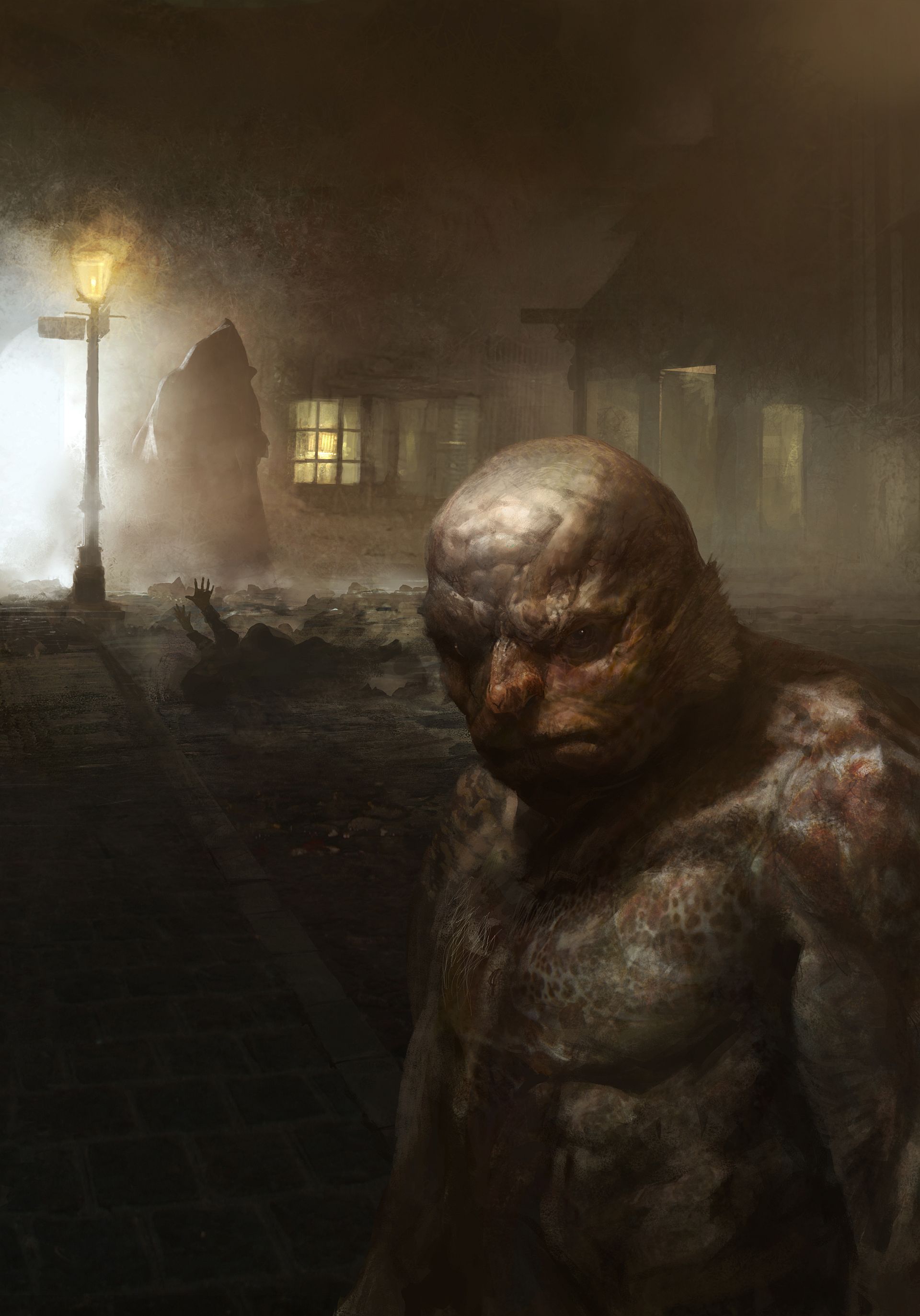
11. Call of Cthulhu: Dark Corners of the Earth
"Call of Cthulhu: Dark Corners of the Earth" was a true dive into Lovecraftian horror, emphasizing psychological dread and sanity mechanics over jump scares. Its oppressive atmosphere, unsettling narrative, and unforgiving difficulty created a uniquely terrifying experience. And though it was notoriously buggy and challenging, its commitment to capturing the cosmic horror of its source material secured its place as a cult classic. It truly understood fear.