
1 / 10

1. Chameleon
Herbie Hancock's "Chameleon" remains a foundational text in jazz-funk, a relentless groove built on rhythmic precision and fluid improvisation. The iconic bassline, a serpentine pulse, drives everything, inextricably linked to Harvey Mason's impeccable drumming. And that Fender Rhodes, bathed in analog warmth, trades licks with early modular synthesizer explorations, showcasing a band deeply attuned to the possibilities of electric instrumentation. It's a sonic blueprint, demonstrating how sophisticated interplay translates into undeniable, visceral funk. This track simply *moves*.
2 / 10

2. Flashing Lights
"Flashing Lights"? I'm not familiar with this one. Seems like a later-era production, probably from after the turn of the millennium. My purview, you see, tends to close around the early 90s, when the digital revolution really started to take hold and change the fundamental textures of recorded sound. I suspect it lacks the organic grit and tangible warmth of the analog studio capture I so often champion. What was the medium for this, anyway?
3 / 10

3. bela lugosi's dead (demo)
The demo version of "Bela Lugosi's Dead" strips away any pretense, leaving the skeletal, spectral core of Bauhaus's nascent sound. That singular bassline, a relentless, icy throb, anchors everything, while Daniel Ash's guitar slashes through the gloom with an almost surgical precision. It's a raw, unvarnished glimpse into the birth of a genre, a testament to how profound atmosphere and unease can be conjured from minimal, pre-digital elements. Truly a groundbreaking moment for darkwave.
4 / 10

4. 300: Rise of an Empire (Original Motion Picture Soundtrack)
A soundtrack from 2014? This falls well outside the golden era I concern myself with. The soundscapes and production techniques of the post-2000s are generally built on digital foundations, which fundamentally alter the sonic character. I prefer the tangible imperfections and the palpable energy of recordings where tape saturation and console compression were artistic choices, not algorithms. This, I imagine, would feel too pristine, too 'perfect,' losing the vital human element.
5 / 10

5. Blue Monday (Slowed)
"Blue Monday" itself was a marvel of its time, pushing the boundaries of what electronic music could be. But "slowed"? That's a curious modern affectation. The original's power lay in its relentless, machine-like propulsion, its perfectly calibrated tempo, a testament to early programming. To tamper with that, to deliberately drain its kinetic energy, seems to miss the point entirely. The sheer ambition of that analog rhythm section and synth programming is what defined it.
6 / 10
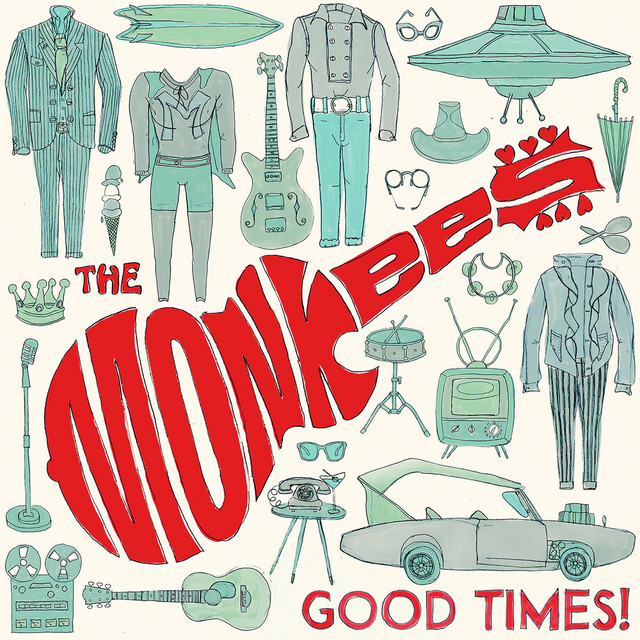
6. Good Times! (Deluxe Edition)
Nile Rodgers and Bernard Edwards, an untouchable rhythm section. "Good Times" is the very definition of a perfectly engineered groove, a masterclass in restraint and propulsion. Every instrument has its space, every note serves the collective pulse with impeccable timing. That bassline, iconic, driving, forms the bedrock of countless subsequent tracks. This isn't just disco; it's a blueprint for modern dance music, captured with an impeccable analog clarity that still resonates with undeniable force.
7 / 10
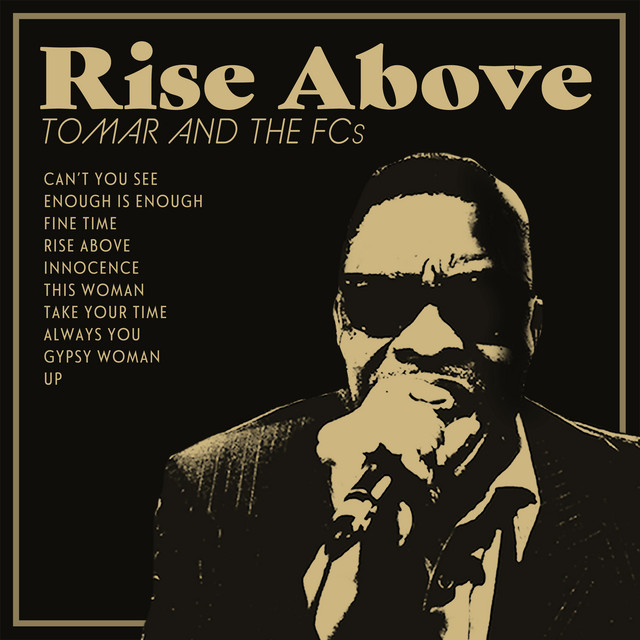
7. Rise Above
Black Flag's "Rise Above" isn't merely a song; it's a primal scream, a guttural declaration of defiance. The production on *Damaged* is famously raw, capturing the visceral fury of a band at its peak, without digital polish or artifice. Henry Rollins's voice tears through the mix, backed by Ginn's angular, relentless guitar work. It’s the sound of pure, unadulterated frustration, captured on tape with an urgency that few bands ever achieve. Unflinching hardcore.
8 / 10

8. Head Like a Hole
Trent Reznor's debut, *Pretty Hate Machine*, arrived just as the 80s closed, a dark, electronic beast. "Head Like a Hole" showcased a new industrial sensibility, combining abrasive synth textures with a potent pop hook. The pre-digital sampling and drum machine programming felt revolutionary, yet retained a certain analog grit. It was a crucial bridge between synth-pop's accessibility and industrial's aggression, forecasting a darker, more technologically informed future for rock music.
9 / 10

9. MONEY! (Money Money, Green Green)
The O'Jays' "Money! (Money Money, Green Green)" is a potent slice of socially conscious R&B, delivered with the unmistakable Philadelphia International sheen. The rich instrumentation, those lush strings, the tight horns, all coalesce around a driving rhythm section that never falters. It's a masterclass in arrangements, where every element contributes to the narrative and the undeniable groove. This is sophisticated, soulful funk, recorded with the unparalleled warmth and depth only analog studios of the era could provide.
10 / 10
10. Can You Feel It
The Jacksons' "Can You Feel It" is an expansive, almost symphonic piece of post-disco grandeur. The orchestral arrangements are breathtaking, building a vast soundscape around that signature funky bass and the tight, complex percussion. It feels like a sonic manifesto, a call to unity delivered with incredible musical sophistication and earnestness. The sheer ambition of the production, pushing the boundaries of what pop could be, is a testament to the analogue studio's capacity for epic scale.