
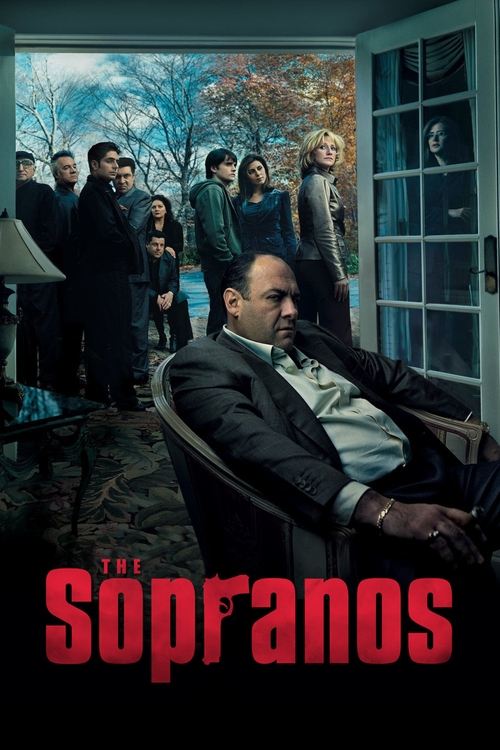
1. The Sopranos
Before Tony Soprano, TV anti-heroes just weren't a thing like this. HBO took a massive swing, giving us a crime boss in therapy, grappling with family, business, and his own dark soul. It redefined what a series could be, elevating television to cinematic art. Every episode felt like a chapter in a novel, demanding you pay attention, proving that a show could be both brutal and deeply introspective. This was the blueprint for prestige cable. Forget laugh tracks.
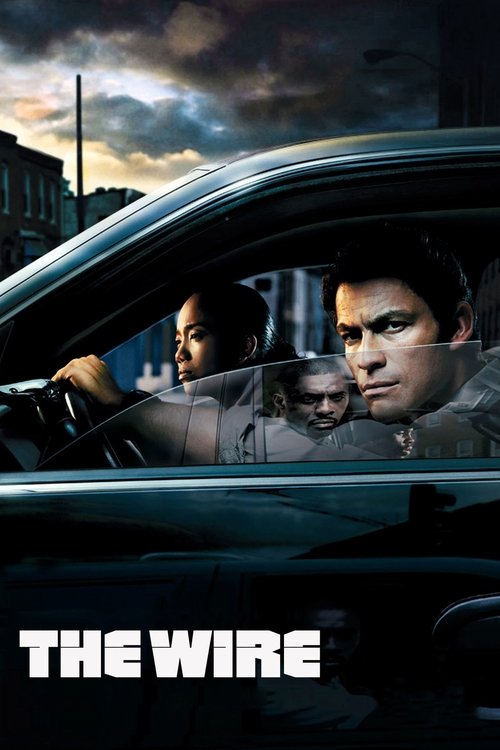
2. The Wire
You couldn't just watch an episode of The Wire; you had to live in its world. Baltimore became a character, with every institution – police, drug trade, politics, schools – meticulously dissected. It was an ensemble masterclass, showing how systemic issues impact everyone, from corner boys to city hall. The sprawling narrative felt more like a novel than a TV show, demanding commitment but rewarding you with unparalleled depth and realism. TV got smart.

3. Six Feet Under
Dealing with death every week, Six Feet Under was never an easy watch, but it was profoundly human. The Fishers, a family running a funeral home, let us into their messy lives, their grief, their desires. It pioneered serialized emotional arcs that resonated deeply, making the mundane extraordinary. That final montage alone solidified its place as a groundbreaking, emotionally complex drama, proving TV could handle life's biggest questions. No canned laughter here.
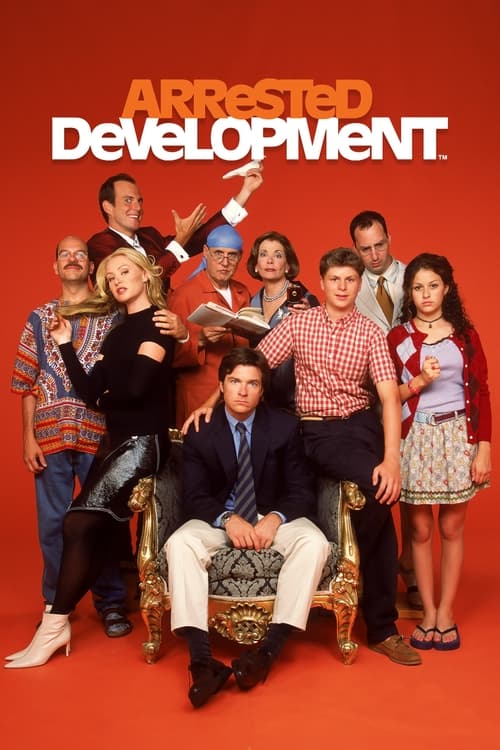
4. Arrested Development
This show was just... different. A mockumentary comedy where every line, every background gag, was a setup for a future punchline. Its dense, referential humor and ensemble cast of hilariously dysfunctional rich kids felt like nothing else on air. It was too smart for its own good, demanding repeat viewings before streaming even made that easy. Ahead of its time, a true cult classic that rewrote the comedy rulebook for the new millennium. Incredible stuff.
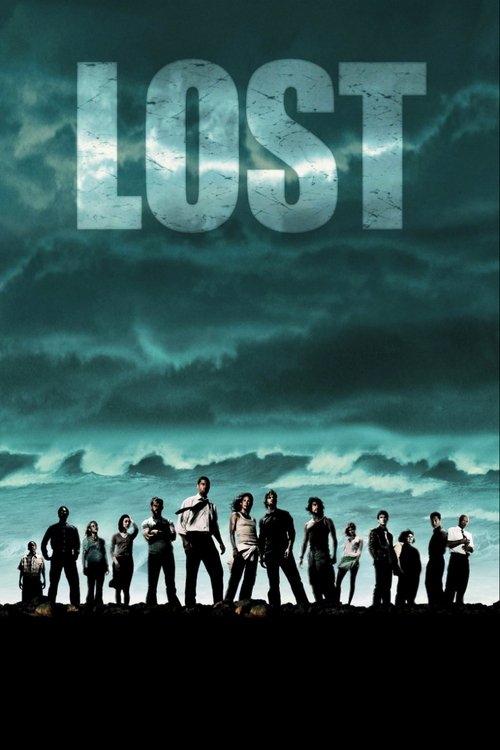
5. Lost
Lost kicked off the water cooler conversation for a new generation. A plane crash, a mysterious island, and a sprawling ensemble cast with hidden backstories – it was pure serialized addiction. You had to watch, you had to theorize. While the ending divided people, its impact on event television, on making viewers obsessed with ongoing mysteries and character arcs, was undeniable. It made appointment viewing exciting again. It was appointment TV.
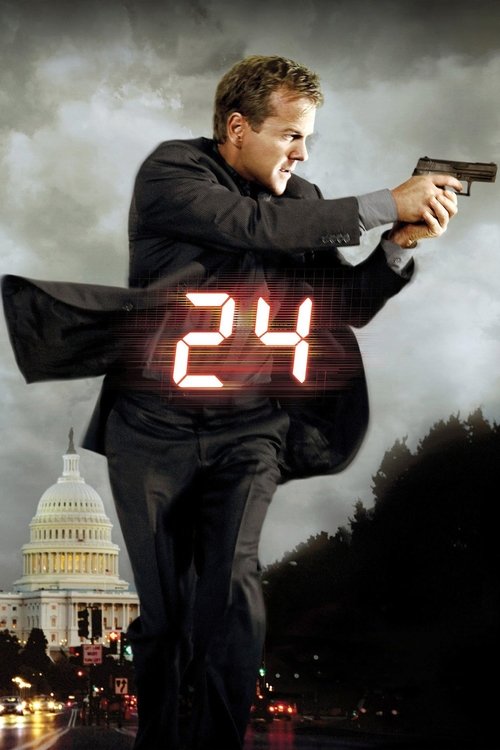
6. 24
Jack Bauer yelling "Dammit!" for 24 straight hours was a game-changer. The real-time format was a high-wire act, creating relentless tension and a truly immersive experience. It felt cinematic, with split screens and a ticking clock driving every single plot beat. This show proved that network TV could deliver high-stakes, serialized drama that kept you on the edge of your seat, making every minute count. You couldn't look away.
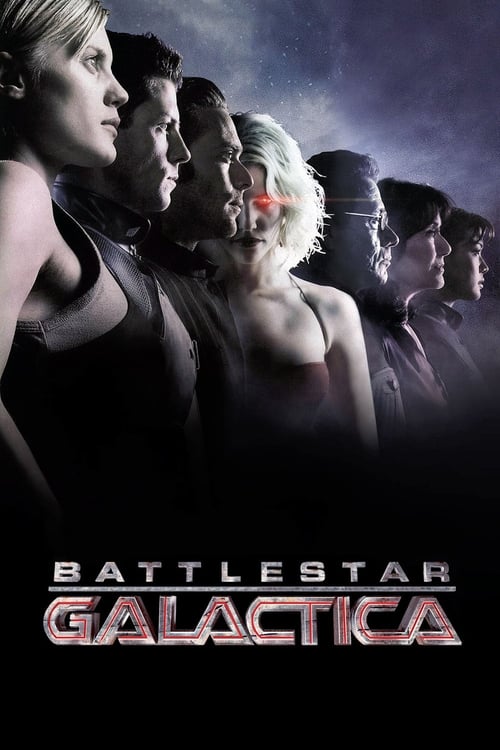
7. Battlestar Galactica
Who knew a reboot of an old sci-fi show could be so gritty and profound? BSG transcended its genre, using a war against Cylons to explore politics, religion, and what it means to be human. Its serialized storytelling, complex characters, and morally ambiguous choices were a revelation. It proved sci-fi could be prestige drama, tackling big ideas with a cinematic scope and unrelenting tension. So say we all. Truly groundbreaking.
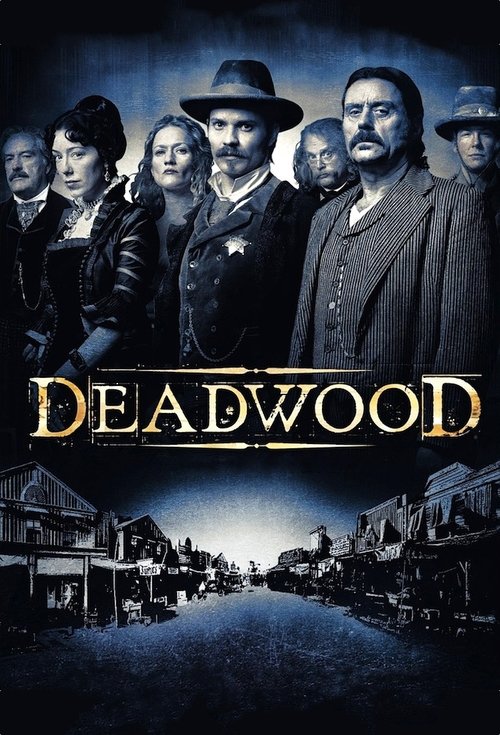
8. Deadwood
Deadwood was a masterclass in atmosphere and language. David Milch's dialogue was Shakespearean in its profanity and poetry, bringing a raw, visceral realism to the wild west. It wasn't just a western; it was a character study of a nascent society, grimy and brutal, yet striving for order. HBO let them take huge risks with tone and content, creating something truly unique and unforgettable, a rough gem. Unflinching, unapologetic television.
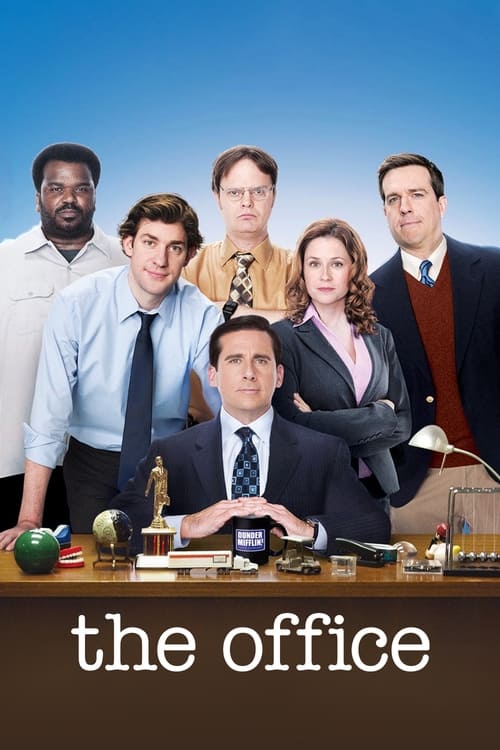
9. The Office
The American version of The Office took the mockumentary format and perfected it for mainstream comedy. Those cringe-worthy moments, the knowing glances at the camera, the slow-burn romances – it was all part of its genius. It showed you could build a serialized comedy around relatable workplace absurdities and deeply human characters, influencing a whole generation of sitcoms. Jim and Pam were just the start of something big. It changed comedy.
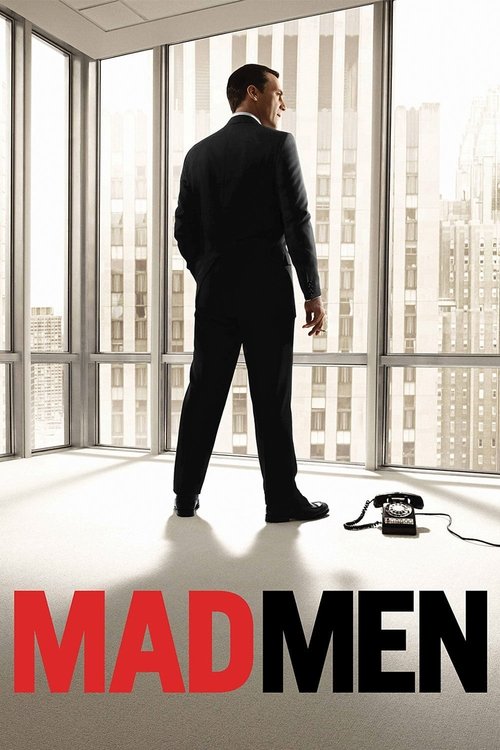
10. Mad Men
Mad Men was a slow burn, meticulously crafted, and utterly captivating. Don Draper, enigmatic and flawed, anchored a show that was less about advertising and more about identity, ambition, and the changing American landscape of the 60s. Its cinematic visuals, complex character development, and serialized narrative proved that TV could be as artful and insightful as any film. A true prestige drama benchmark, it was art on the small screen.