
1. Spiderland
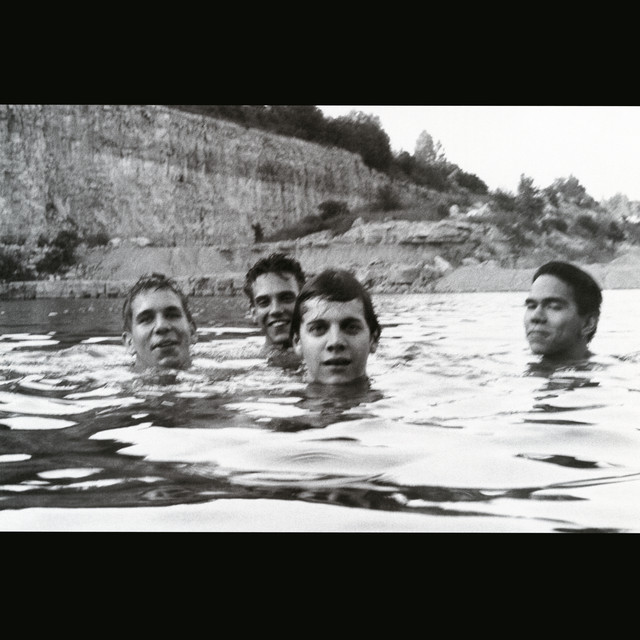
Slint's *Spiderland* felt like a transmission from a different dimension, its stark, angular guitars and whispered-to-screamed vocals a complete antithesis to grunge's mainstream roar. This wasn't just 'alternative'; it was architectural, a blueprint for post-rock's brooding intensity. Each track unfolds with a slow-burn dread, its quiet-loud dynamics less about catharsis and more about existential tension. A raw, unpolished glitch in the system, proving guitar music could be meticulously unsettling, laying groundwork for so much to come.
2. Laughing Stock
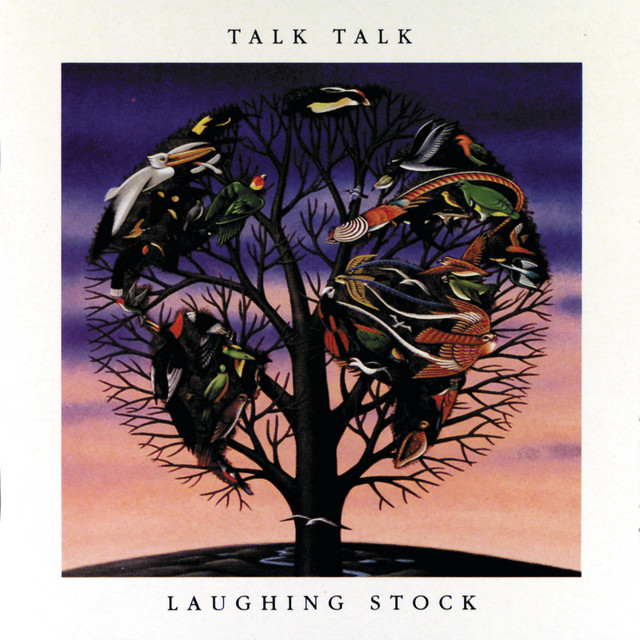
Talk Talk’s *Laughing Stock* wasn't just an album; it was an event horizon. Shedding their synth-pop skin entirely, they crafted a work of such profound, quiet beauty it still feels almost sacred. Every note, every space, every shimmering texture feels meticulously placed, yet utterly organic. It’s a spiritual journey through ambient jazz, post-rock, and avant-garde classical, recorded with an almost painful precision. This was the sound of artists pushing beyond genre, creating a hushed, expansive world that demanded deep listening, a true sonic anomaly.
3. Cor-Crane Secret
Gastr del Sol’s *Cor-Crane Secret* was a masterclass in controlled chaos, a puzzle box of sound that always felt on the verge of unraveling, yet never did. It melded intricate math-rock sensibilities with folk-tinged melodies, filtered through an avant-garde lens. David Grubbs and Jim O'Rourke were dissecting and reassembling musical DNA here, creating something intellectually stimulating and surprisingly beautiful. This wasn't background music; it was a challenging conversation, a digital-era folk-rock experiment that still rewards patient exploration.
4. Dog Man Star (Remastered)
Suede’s *Dog Man Star (Remastered)*, even more than the original, shimmers with a dark, opulent glamour. While Britpop was getting laddish, Brett Anderson was channeling Bowie and English decadence into something theatrical and deeply melancholic. The remastered clarity reveals every orchestral swell, every dramatic guitar riff, every yearning vocal inflection with pristine precision. It's an album that embraced digital sheen to enhance its baroque ambition, a glamorous, troubled counterpoint to the era's more straightforward rock. Pure, unadulterated drama.
5. Maxinquaye (Deluxe Edition)
Tricky’s *Maxinquaye (Deluxe Edition)* was a revelation, a murky, unsettling trip-hop masterpiece that blurred lines between hip-hop, rock, and ambient dread. Martina Topley-Bird’s spectral vocals slithered over distorted beats and found sounds, creating an atmosphere thick with paranoia and sensuality. The deluxe edition peels back even more layers of its dense production, highlighting the sheer inventiveness of its sonic tapestry. It wasn't just music; it was a mood, a shadowy corner of the digital soundscape that felt genuinely dangerous and intoxicating.
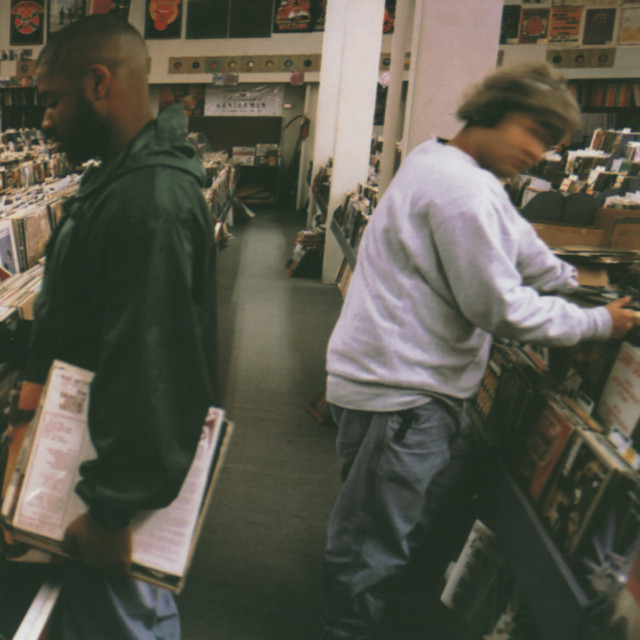
6. Endtroducing.....
DJ Shadow’s *Endtroducing.....* felt like someone had digitized an entire record store, then reassembled it into a cinematic, instrumental hip-hop odyssey. Every beat, every sample, every atmospheric flourish was meticulously crafted, creating a cohesive, deeply emotional narrative from disparate fragments. It wasn't just a collection of loops; it was a world built from sounds, proving the sampler was as potent an instrument as any guitar. This album wasn't just influential; it redefined what 'music' could be in the digital age.
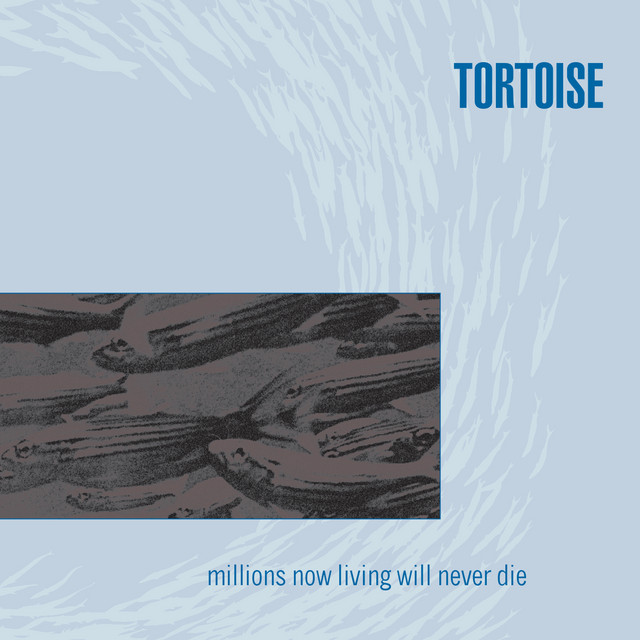
7. Millions Now Living Will Never Die
Tortoise’s *Millions Now Living Will Never Die* solidified post-rock as a serious force, moving beyond quiet-loud dynamics into something far more intricate and rhythmic. It was instrumental music that grooved, blending krautrock repetition with jazz fluidity and electronic precision. Each track felt like a complex machine, humming with purposeful intent, yet never sacrificing warmth. It was brainy and hypnotic, showing that rock could evolve into something entirely new, a digital-age fusion of analog sensibilities.
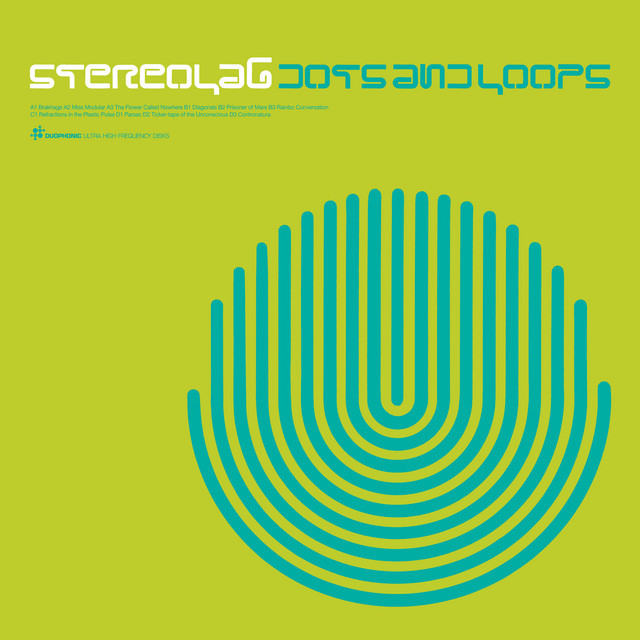
8. Dots And Loops (Expanded Edition)
Stereolab’s *Dots And Loops (Expanded Edition)* was a vibrant, intellectual pop dream, a meticulous fusion of motorik beats, French pop sophistication, and avant-garde arrangements. The expanded edition truly lets you appreciate their sonic precision, how every analogue synth hum and vocal harmony contributed to a greater, often disarmingly catchy whole. It was music for thinking and dancing, a meticulously constructed digital mosaic that felt both retro-futuristic and utterly timeless, a truly unique pop glitch.
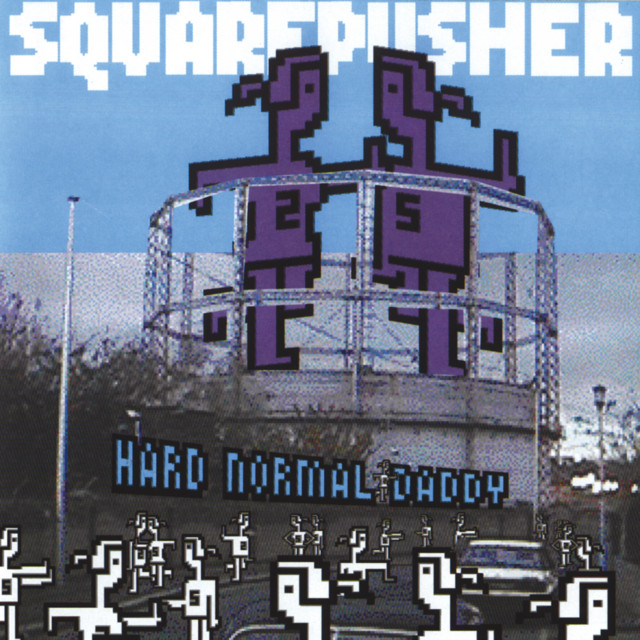
9. Hard Normal Daddy
Squarepusher’s *Hard Normal Daddy* was a sonic assault, a dizzying display of drum and bass taken to its absolute, frenetic extreme. Tom Jenkinson wasn't just making beats; he was dismantling them, reassembling them with a jazz musician's ear for improvisation and a hacker's disregard for convention. The sheer technical audacity, the blistering breakbeats, the warped basslines—it was utterly exhilarating, proving electronic music could be as virtuosic and raw as any rock band. A digital adrenaline shot.
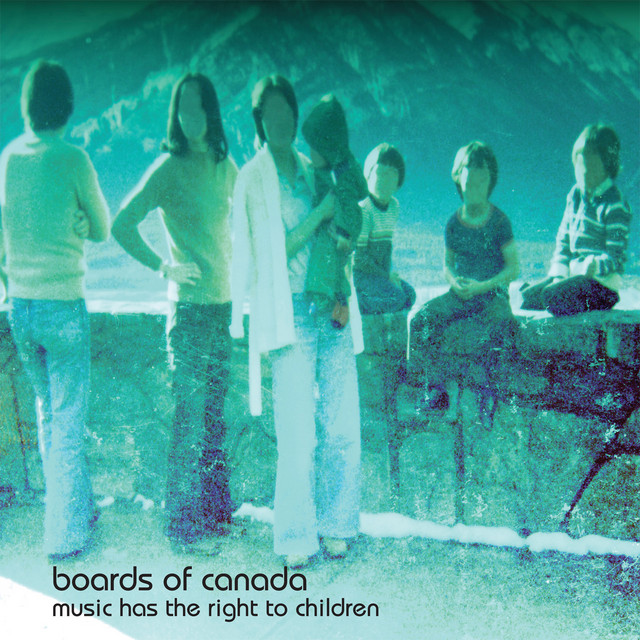
10. Music Has The Right To Children
Boards of Canada’s *Music Has The Right To Children* cast a long, hazy shadow over the late 90s, defining a strain of IDM that was deeply nostalgic and profoundly melancholic. Their signature sound—warped, analog-drenched samples, hazy synths, and subtle beats—created a universe of faded memories and childhood wonder. It felt like uncovering old VHS tapes, a beautiful, unsettling blend of innocence and decay. This wasn't just electronic music; it was a feeling, a digital echo of a forgotten past.