1. Wonderfalls
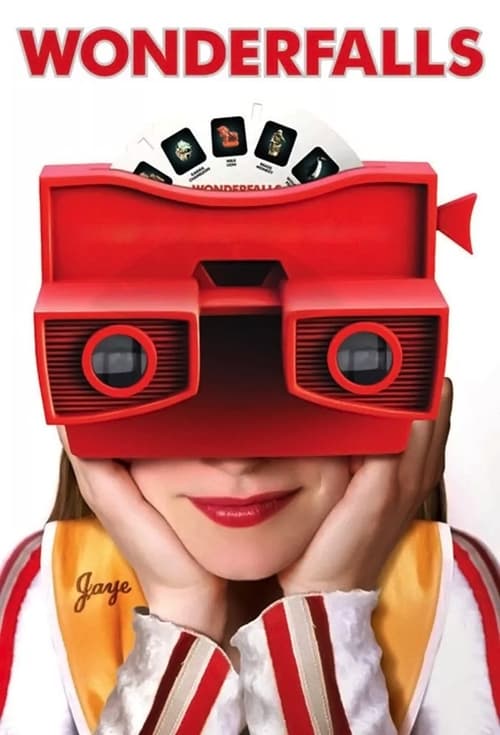
Before 'pushing boundaries' became a marketing slogan, 'Wonderfalls' arrived, a bizarre, beautiful, and deeply serialized show about a woman talked to by inanimate objects. Its quirky sensibility, dark humor, and commitment to a continuous, unfolding story was pure cable-era ambition, just airing on network Fox. It demanded attention, rewarding those who stuck with its unique, surreal narrative. A testament to early 2000s creative freedom, even if too fragile for the masses.
2. Terriers
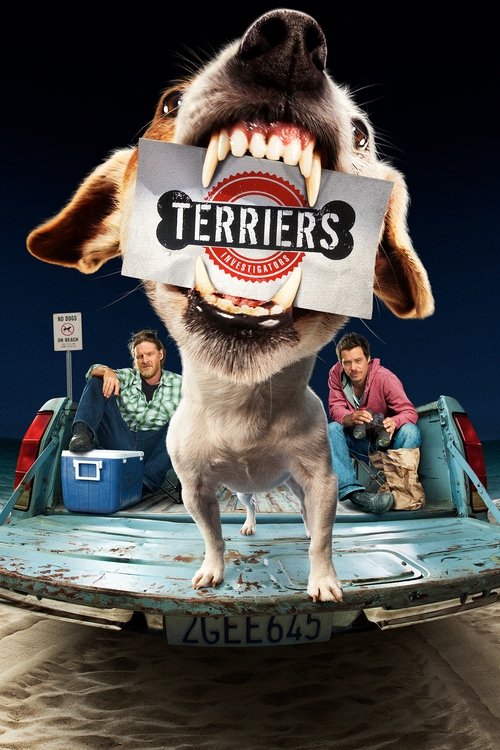
FX was already carving out its niche by 2010, and 'Terriers' fit right in. This isn't your flashy detective show; it's a gritty, character-first drama about two down-on-their-luck PIs. Its cinematic look and serialized storytelling felt like a long movie, demanding you invest in these messy lives. It perfectly encapsulated cable's willingness to build a whole world, even if that world was too niche for broad appeal. A genuine cult classic.
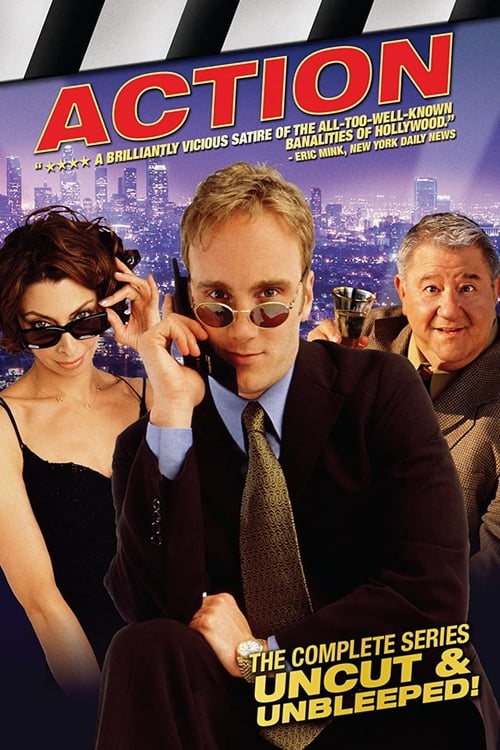
3. Action
Before 'Entourage' or 'Extras,' there was 'Action,' a brutal Hollywood satire that pulled no punches. Kirk Douglas playing himself, an unhinged producer, and a level of cynical, dark humor that simply didn't exist on network TV then. It was a pre-cable sensibility on Fox, a risk that was clearly too edgy for its time. It showed what TV *could* be, pushing boundaries for adult comedy long before it became standard.
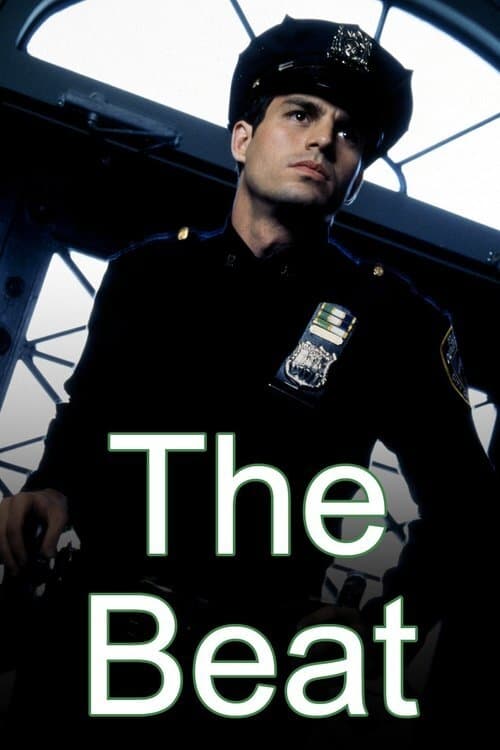
4. The Beat
From Dick Wolf, but this was no 'Law & Order.' 'The Beat' offered a serialized, character-driven look at two uniformed NYPD officers, diving deep into their personal and professional lives. It felt grittier, more intimate, a precursor to the grounded, ensemble dramas cable would later perfect. It was trying to tell a bigger story than just 'case of the week,' hinting at the evolving demands for depth in episodic storytelling.
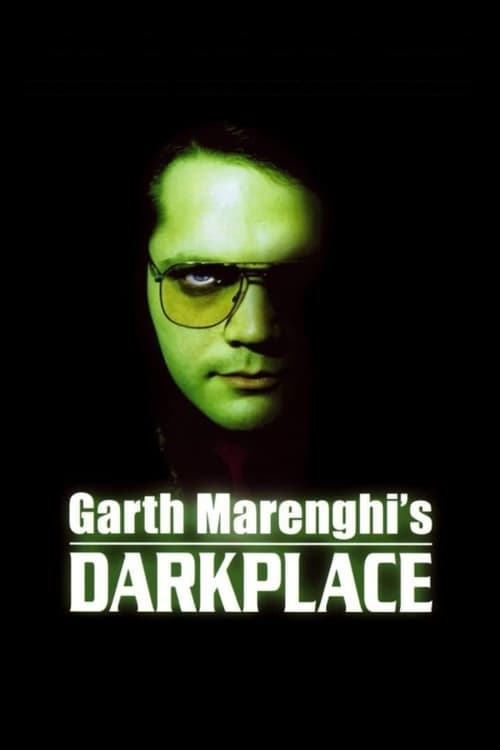
5. Garth Marenghi's Darkplace
This British gem is a masterclass in mockumentary, brilliantly parodying low-budget 80s horror and the inflated egos behind it. Its meta-comedy and unwavering commitment to the bit were revolutionary, influencing countless cult comedies. It showed how humor could be layered, self-referential, and incredibly smart, laying groundwork for the nuanced comedic styles that would later thrive on specialized channels and, eventually, streaming platforms.
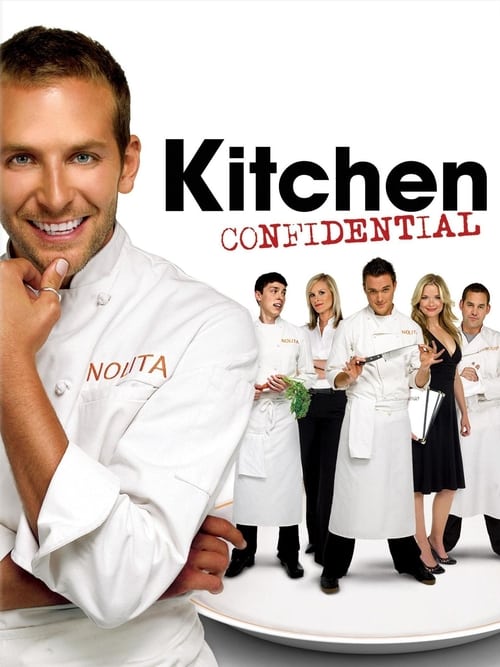
6. Kitchen Confidential
Based on Anthony Bourdain's book, this sitcom starring Bradley Cooper tried to bring a cable-esque edge to Fox. It was fast-paced, ensemble-driven, and aimed for a grittier, adult workplace comedy vibe than its network contemporaries. While it didn't last, it represented an attempt to inject serialized character development and a more cynical, less sanitized humor into the broadcast landscape, pushing for a different kind of sitcom.
7. The Riches
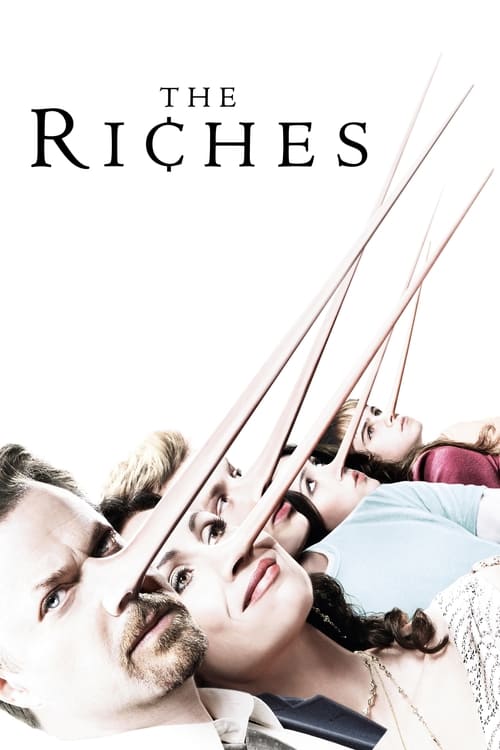
FX again, pushing boundaries with a serialized drama about a family of Irish Travelers who steal an identity and try to go 'straight.' Eddie Izzard and Minnie Driver delivered nuanced performances in a morally complex world. It was the kind of long-form, character-rich storytelling that cable excelled at, exploring identity and class with a daring that network television wouldn't touch, embodying early prestige TV.
8. Sports Night
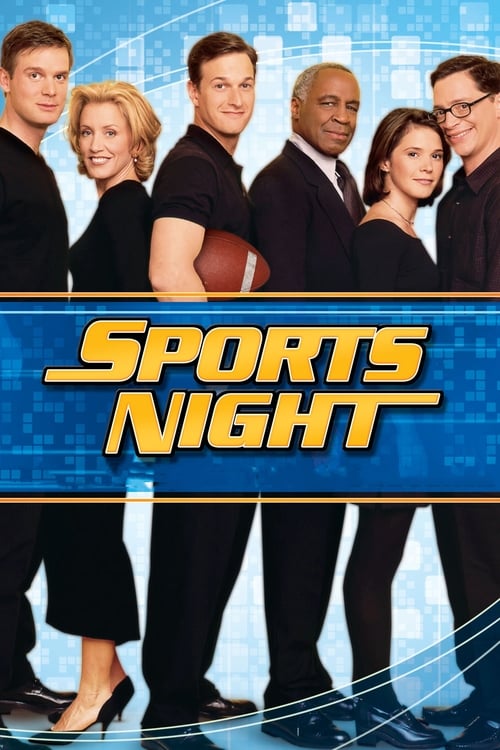
Aaron Sorkin's debut, 'Sports Night,' was a revelation. Its rapid-fire dialogue, walk-and-talks, and ensemble focus felt more like a play or a movie than a sitcom. It pioneered a dramatic sensibility within a comedic framework, blending witty banter with genuine emotional stakes. This hybrid paved the way for dramedies that prioritized character and dialogue over traditional joke structures, influencing a generation of writers.
9. Millennium
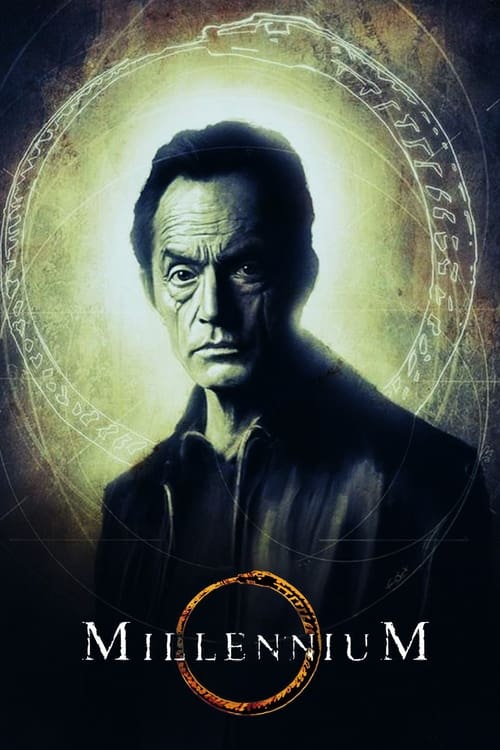
Darker and more unsettling than 'The X-Files,' Chris Carter's 'Millennium' delved into serialized horror and psychological thrillers on network TV. It was relentlessly atmospheric, pushing boundaries of what prime-time could be in terms of mood and subject matter. This show helped prove that audiences craved darker, more complex narratives, setting the stage for the grittier dramas that would later define cable's golden age.

10. The Comeback
HBO's 'The Comeback' was cringe-comedy before cringe was a genre. Lisa Kudrow's Valerie Cherish, a washed-up sitcom star, navigated reality TV with a camera crew documenting her pathetic attempts at a return. This mockumentary was painfully real, brilliantly exposing the artifice of fame and television itself. It was meta, daring, and perfectly suited to HBO's risk-taking, character-driven identity, truly ahead of its time.

11. K Street
Steven Soderbergh and George Clooney's HBO experiment was groundbreaking, blurring lines between fiction and reality. Shot just days before airing, it incorporated real politicians and current events into an improvised drama about lobbying. It was raw, ambitious, and hinted at the immediacy and serialized nature that on-demand viewing would eventually champion, challenging traditional production models and pushing the envelope for TV drama.
12. Titus
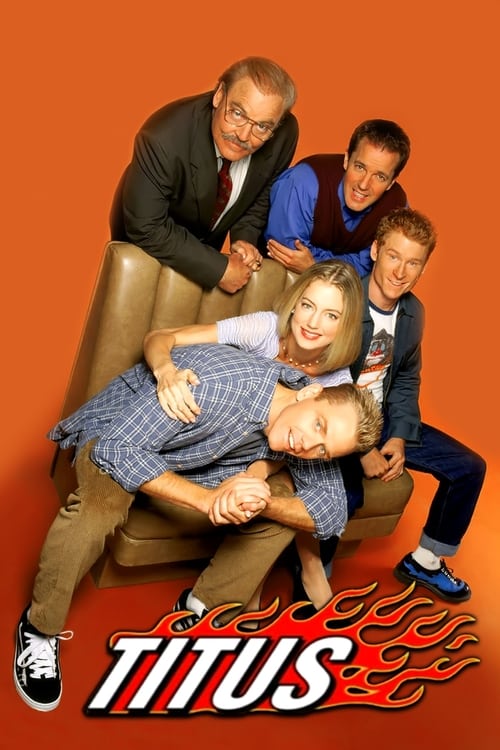
Christopher Titus brought his stand-up's dark, dysfunctional family stories to Fox, creating a sitcom that constantly broke the fourth wall and delved into seriously bleak humor. It was personal, edgy, and often uncomfortable, a deeply serialized character study disguised as a multi-cam. It pushed the boundaries of sitcom topics and narrative style for network TV, showing what was possible before cable fully took over the landscape.