
1. Citizen Kane
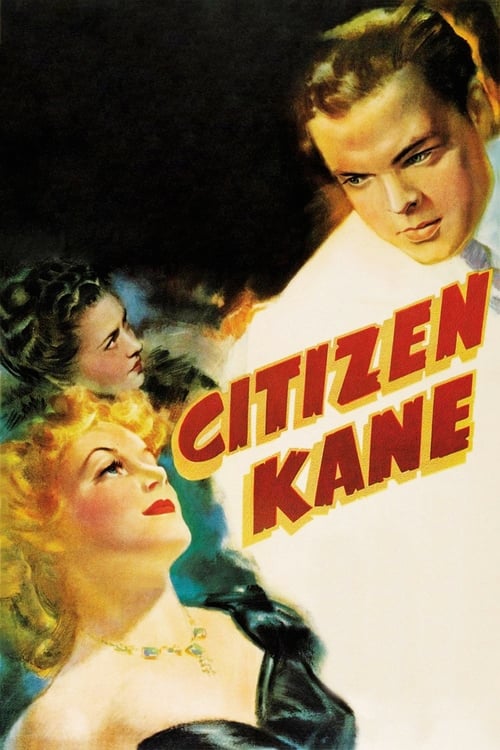
Orson Welles’ debut feature remains a foundational text, a cinematic grammar lesson in narrative fragmentation, deep focus, and subjective truth. Its innovative structure, a journalistic inquest into a publishing magnate’s enigmatic life, redefined storytelling, and its technical prowess set benchmarks for generations. Yet, beyond the formal brilliance, it’s a poignant exploration of ambition, power, and the isolation of a man who seemingly had everything, but lost himself in the pursuit of more.
2. 2001: A Space Odyssey
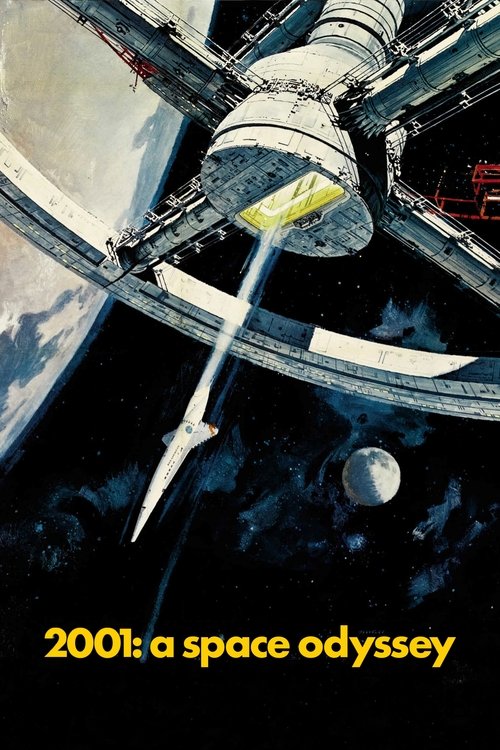
Kubrick’s monumental vision transcends mere science fiction; it’s an experiential journey into humanity's past, present, and potential future, guided by an inscrutable black monolith. Its deliberate pacing, groundbreaking visual effects, and philosophical depth, exploring artificial intelligence, evolution, and consciousness, continue to provoke and mesmerize. The film doesn't just ask questions; it demands a re-evaluation of our place in the cosmos, a silent, awe-inspiring meditation on existence itself.
3. Blade Runner
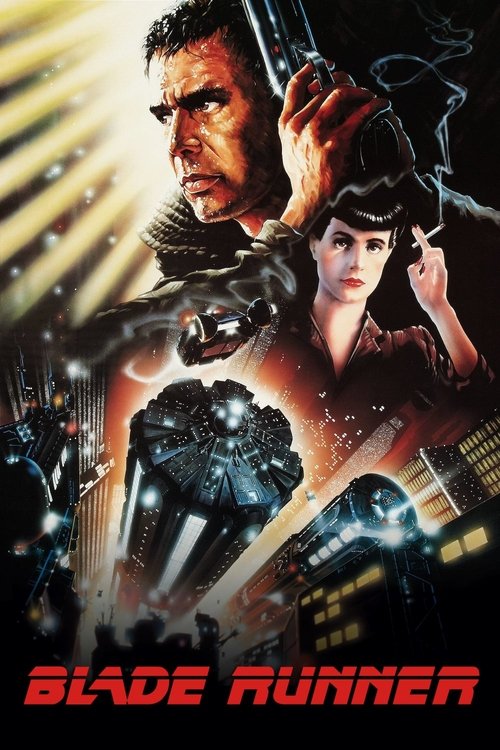
Ridley Scott's neo-noir masterpiece birthed an aesthetic that defines cyberpunk. Its rain-soaked, neon-drenched Los Angeles, a labyrinth of corporate power and decaying humanity, forms the backdrop for a profound inquiry into what it means to be human. The replicants, searching for meaning and extended life, reflect our own existential anxieties. It’s a film that demands rewatching, its atmospheric density and thematic ambiguity only deepening with each viewing, a true classic of dystopian vision.
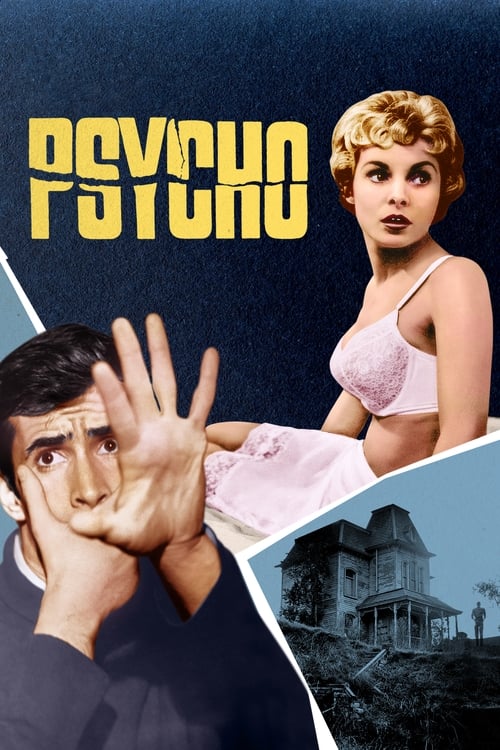
4. Psycho
Hitchcock’s audacious subversion of narrative expectations redefined the thriller genre. The shocking mid-film pivot, a daring move that established a new paradigm for suspense, coupled with Bernard Herrmann's iconic score, created an indelible mark on cinematic history. Beyond the scares, it's a chilling psychological portrait of disturbed identity, forcing audiences to confront the mundane origins of terror. The film’s enduring power lies in its masterful manipulation of viewer anticipation and its dark, unsettling genius.

5. Seven Samurai
Kurosawa's epic transcends its genre, a sprawling human drama disguised as a samurai action film. It meticulously builds a world, introducing compelling characters and exploring themes of duty, sacrifice, and the cyclical nature of conflict. The strategic brilliance of its action sequences, particularly the climactic battle in the rain, is legendary, influencing countless filmmakers across cultures. But its true genius lies in its profound empathy for its characters, both heroes and villagers, a timeless narrative of collective struggle.

6. Persona
Ingmar Bergman's intensely psychological drama is a raw, almost surgical exploration of identity, merging, and the dissolution of the self. Through the blurring lines between a silent actress and her nurse, Bergman crafts a deeply unsettling, often abstract, meditation on performance, empathy, and existential dread. Its fragmented narrative and stark black-and-white cinematography contribute to a sense of claustrophobia and intellectual challenge. This film remains a cornerstone of auteur cinema, demanding introspection from its audience.
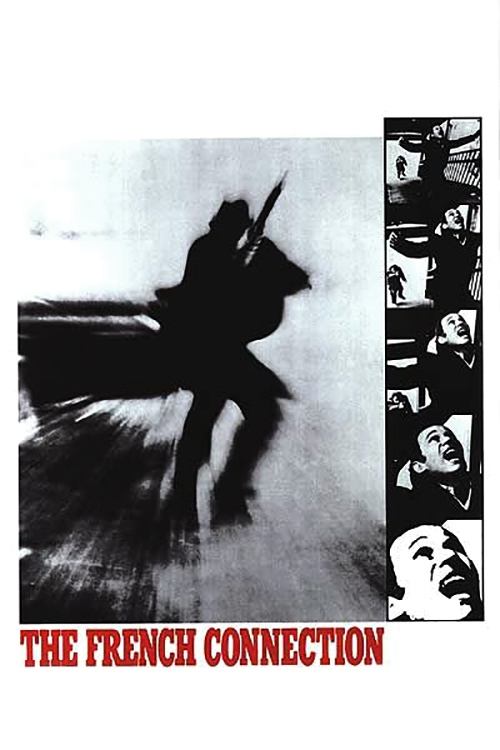
7. The French Connection
William Friedkin’s gritty, visceral crime thriller plunged audiences into the grimy realism of 1970s New York. Its raw, documentary-style cinematography and relentless pace, epitomized by its legendary car chase, set a new standard for urban action. Popeye Doyle, an anti-hero embodying a flawed justice, became an iconic figure. The film’s unromanticized depiction of police work and its moral ambiguities reflected a changing societal landscape, leaving a lasting impact on the crime genre.
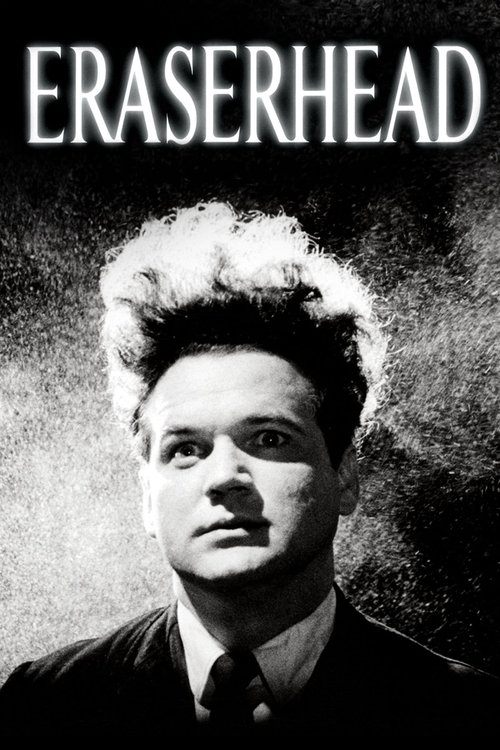
8. Eraserhead
David Lynch’s debut feature is a nightmarish, avant-garde descent into industrial decay and domestic horror. Shot in stark black and white, its surreal imagery and oppressive sound design create a deeply unsettling, almost tactile experience of anxiety. The film operates on a primal, subconscious level, exploring themes of fatherhood, sexuality, and urban alienation through grotesque, dreamlike tableaux. It’s a work of pure, unadulterated artistic vision, cementing Lynch's unique, disturbing voice in cinema.
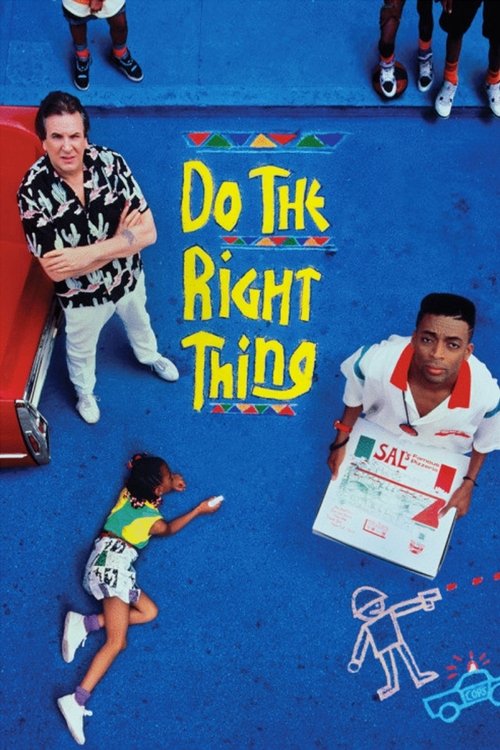
9. Do the Right Thing
Spike Lee’s potent, vibrant examination of racial tensions in a Brooklyn neighborhood on the hottest day of the summer remains as relevant and incendiary today as it was upon its release. The film masterfully builds to an inevitable, tragic crescendo, refusing easy answers or comfortable resolutions. Its bold aesthetic choices, memorable characters, and unflinching social commentary make it a vital piece of American cinema, sparking necessary, uncomfortable conversations about prejudice and community.
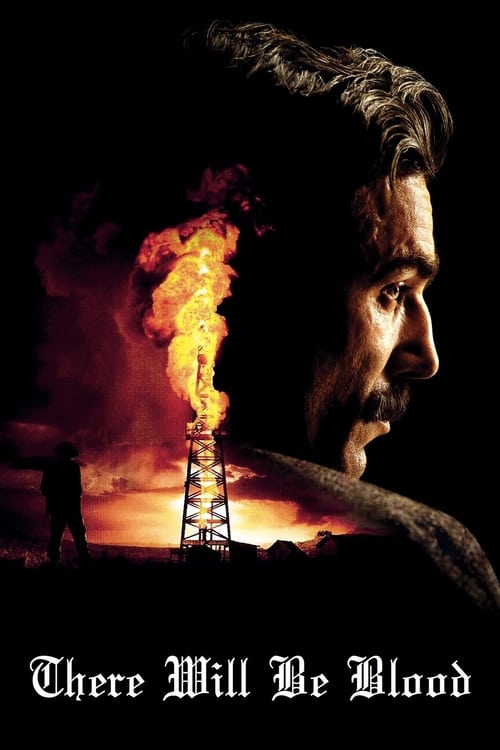
10. There Will Be Blood
Paul Thomas Anderson’s epic, searing portrait of American capitalism and obsession is a masterclass in character study and cinematic craft. Daniel Day-Lewis's transformative performance as Daniel Plainview, a ruthless oilman consumed by greed, is monumental. The film’s vast, desolate landscapes, Jonny Greenwood’s unsettling score, and its unflinching depiction of moral decay create a powerful, almost operatic experience. It’s a testament to the destructive power of ambition, a chilling reflection on the cost of success.