1 / 11
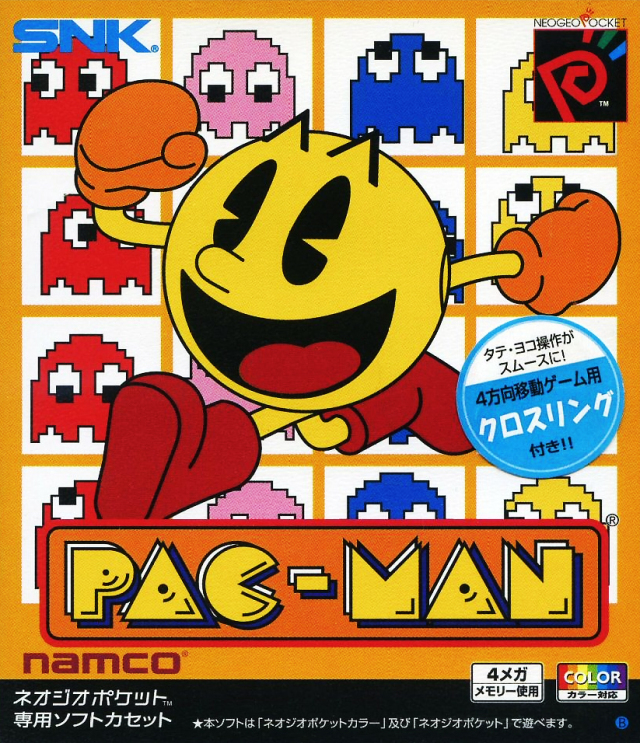
1. Pac-Man
Pac-Man wasn't just a game; it was a cultural phenomenon that transcended arcades. Its simple premise – gobble dots, avoid ghosts – became an addictive loop, drawing in players of all ages. This yellow pizza-slice character, alongside his spectral pursuers, became an immediate, recognizable icon, proving that games could be universally appealing. The game laid groundwork for intuitive design and competitive high-score chasing, cementing its place as a digital progenitor.
2 / 11
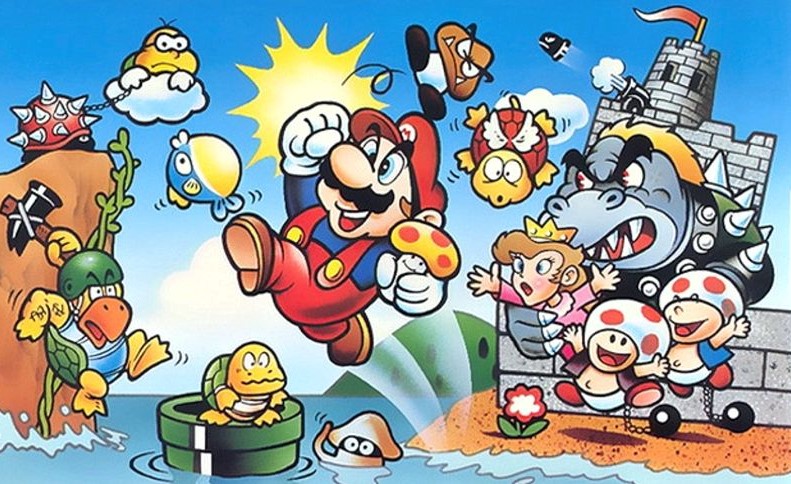
2. Super Mario Bros.
When Super Mario Bros. launched, it wasn't just another platformer; it was a lifeline for a struggling industry. Shigeru Miyamoto's masterpiece redefined side-scrolling action, introducing fluid movement, ingenious level design, and a sense of joyous exploration. Mario's iconic jumps and power-ups became a universal language, turning the NES into a household staple and cementing Nintendo's legacy. It taught an entire generation the sheer fun of digital adventure.
3 / 11
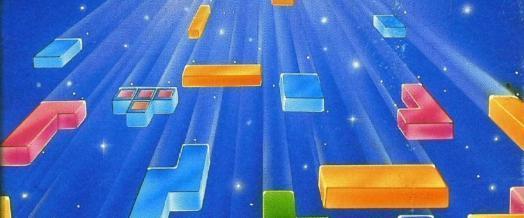
3. Tetris (1984)
Tetris, originating from Soviet Russia, is a masterclass in elegant design. Its premise – rotate and drop falling blocks to clear lines – is deceptively simple, yet it offers infinite strategic depth. This game transcended language barriers and hardware limitations, becoming a global phenomenon across every conceivable platform. It proved that abstract puzzles could be profoundly addictive and universally appealing, cementing its status as the quintessential "one more game" experience.
4 / 11
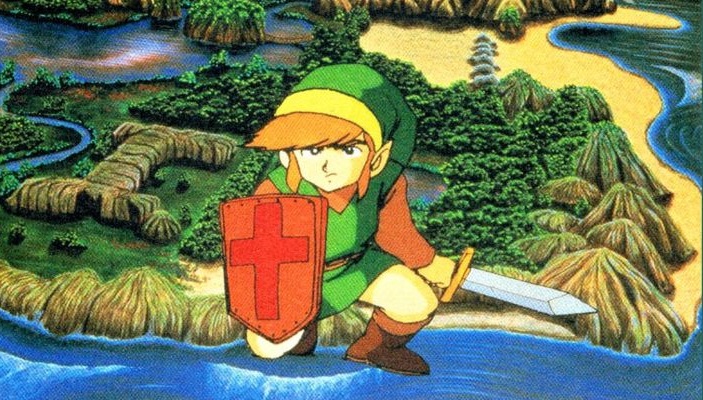
4. The Legend of Zelda
The Legend of Zelda offered something profound: a sense of true adventure and discovery. Link's journey through Hyrule, battling monsters and solving puzzles, wasn't just a series of challenges; it was an invitation to explore a rich, interconnected world. It established conventions for action-adventure games, emphasizing player agency and narrative progression. The enduring legacy lies in its ability to evoke wonder, fostering a deep, almost spiritual connection with its fantastical realms.
5 / 11

5. DOOM (2016)
DOOM (2016) was a seismic re-evaluation of the first-person shooter. Instead of cover-based tactics, it demanded aggressive, relentless forward momentum, rewarding players for visceral, up-close glory kills. It stripped away unnecessary complexity, focusing on raw speed, heavy metal soundtracks, and satisfying gunplay. This reboot wasn't merely a nostalgia trip; it redefined what a modern, brutal FPS could be, proving that a classic formula could be reinvented with spectacular results.
6 / 11
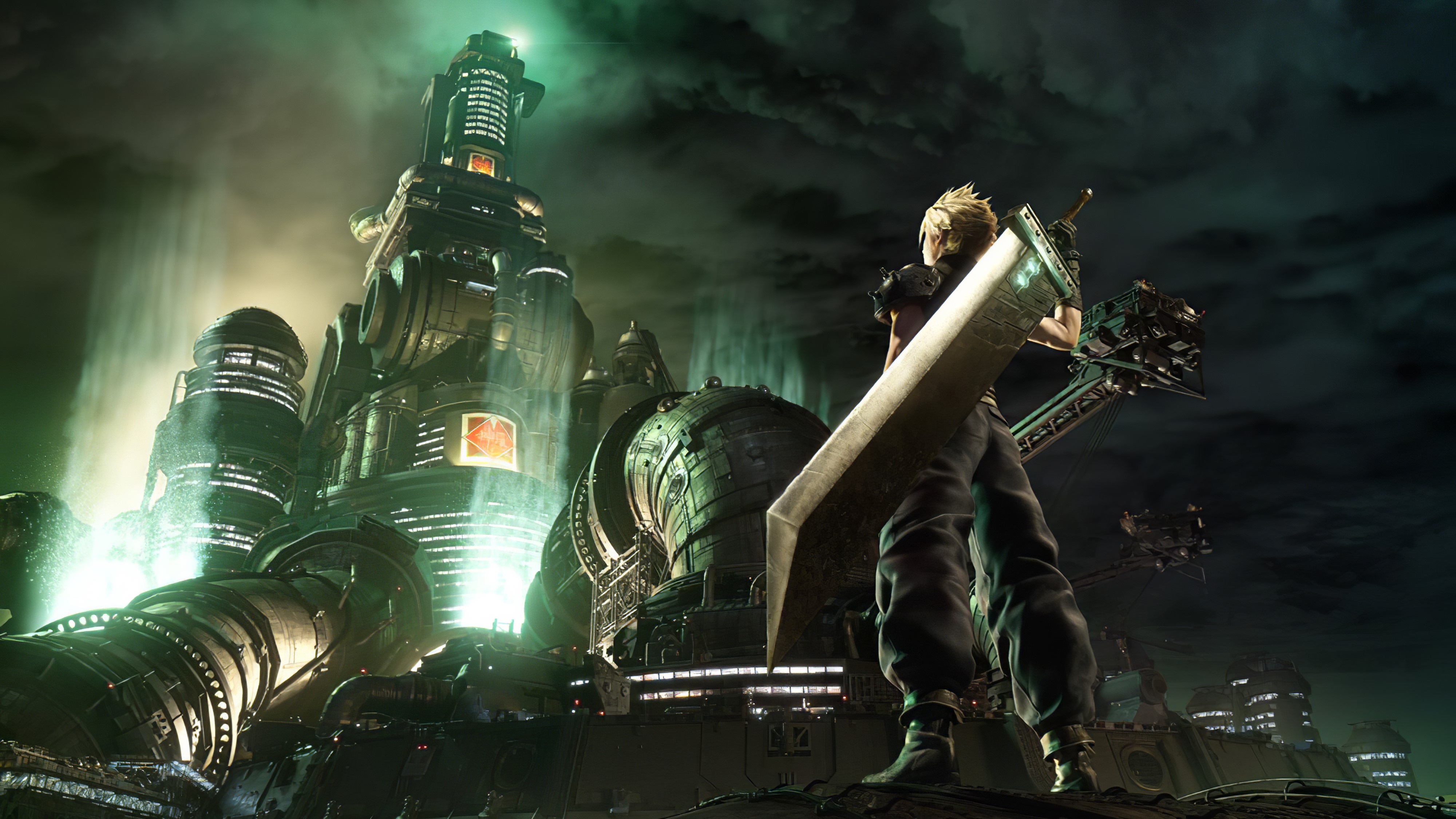
6. Final Fantasy VII
Final Fantasy VII wasn't just a JRPG; it was a cultural event that pushed the boundaries of video game storytelling. Its cinematic scope, mature themes, and memorable characters resonated deeply with millions. The narrative, tackling environmentalism and corporate greed, alongside its groundbreaking 3D graphics, introduced a vast new audience to the genre's emotional potential. It became a benchmark for epic, character-driven digital narratives.
7 / 11
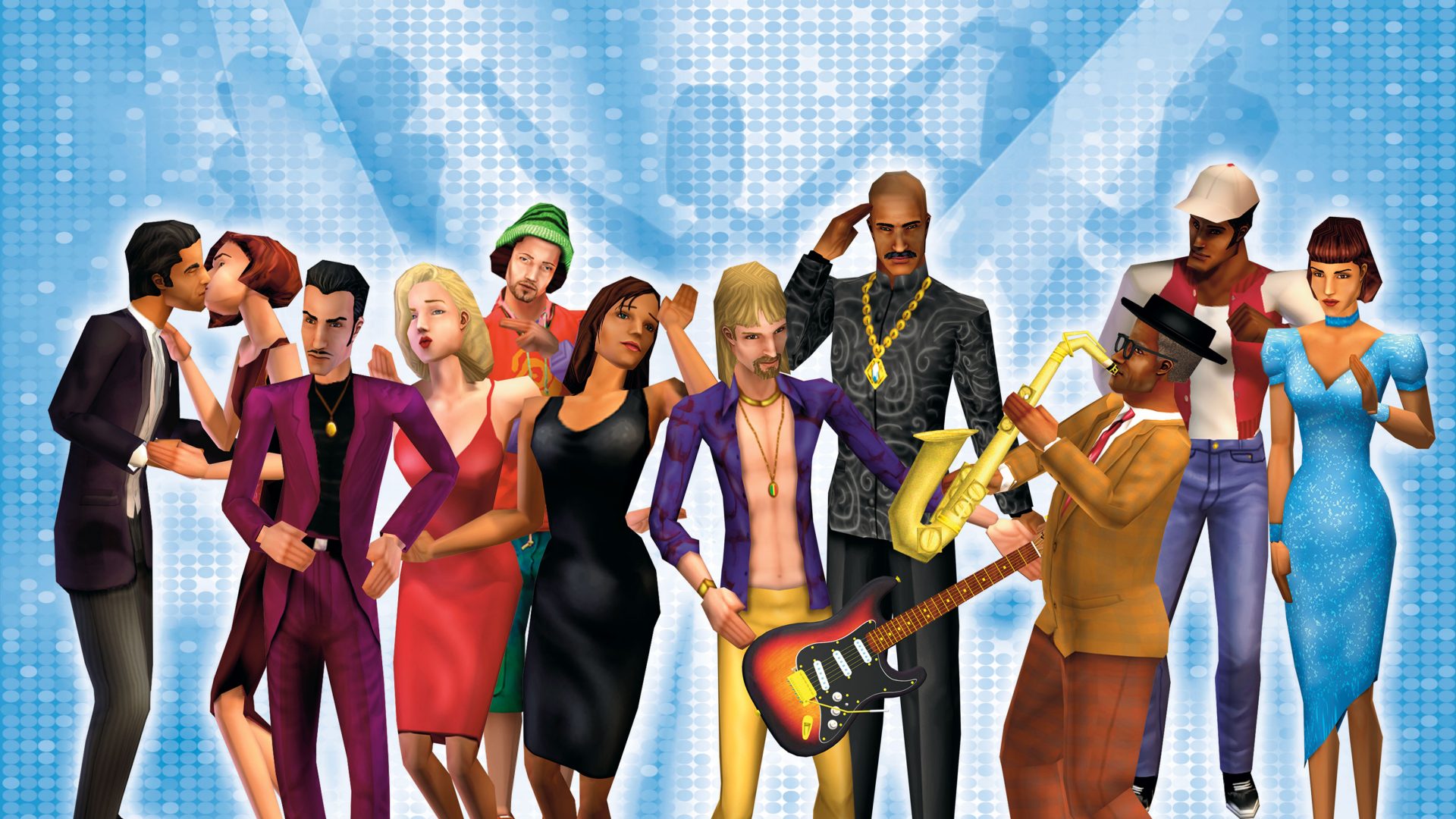
7. The Sims
The Sims offered an unprecedented level of freedom and creative expression. It wasn't about winning; it was about living, building, and telling emergent stories with virtual people. This "digital dollhouse" concept captivated a massive, diverse audience, particularly those new to gaming. It democratized creativity, allowing players to design homes, manage relationships, and explore life's mundane and dramatic aspects, profoundly influencing simulation games and user-driven content.
8 / 11
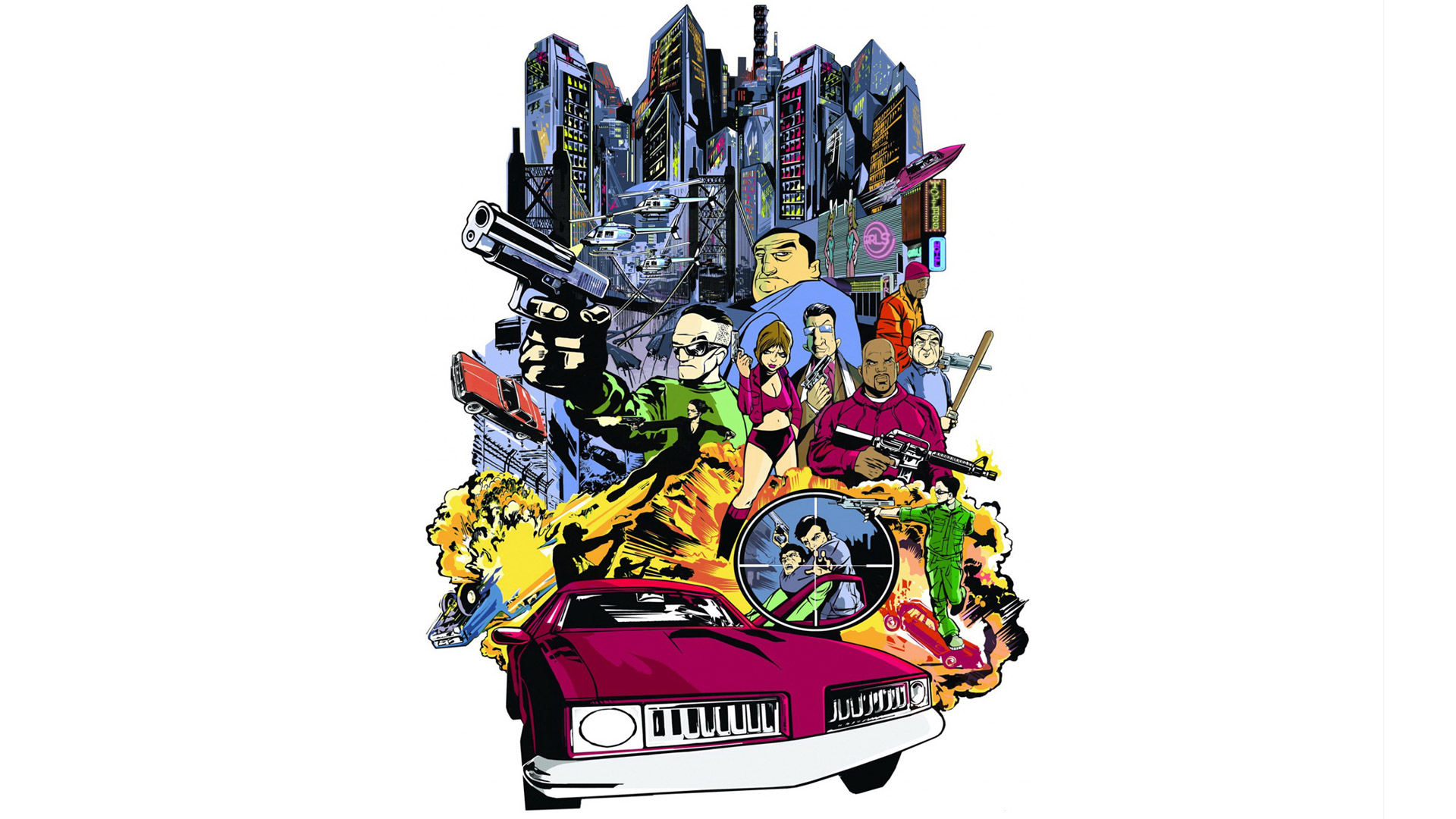
8. Grand Theft Auto III
Grand Theft Auto III shattered conventions, establishing the modern open-world sandbox. Its gritty, satirical portrayal of Liberty City, coupled with unprecedented freedom to explore, commit crimes, and hijack vehicles, was revolutionary. This game ignited controversy but also redefined player agency, showing that worlds could be truly interactive and nonlinear. It became a blueprint for countless open-world experiences, proving the power of player choice in a vast digital playground.
9 / 11
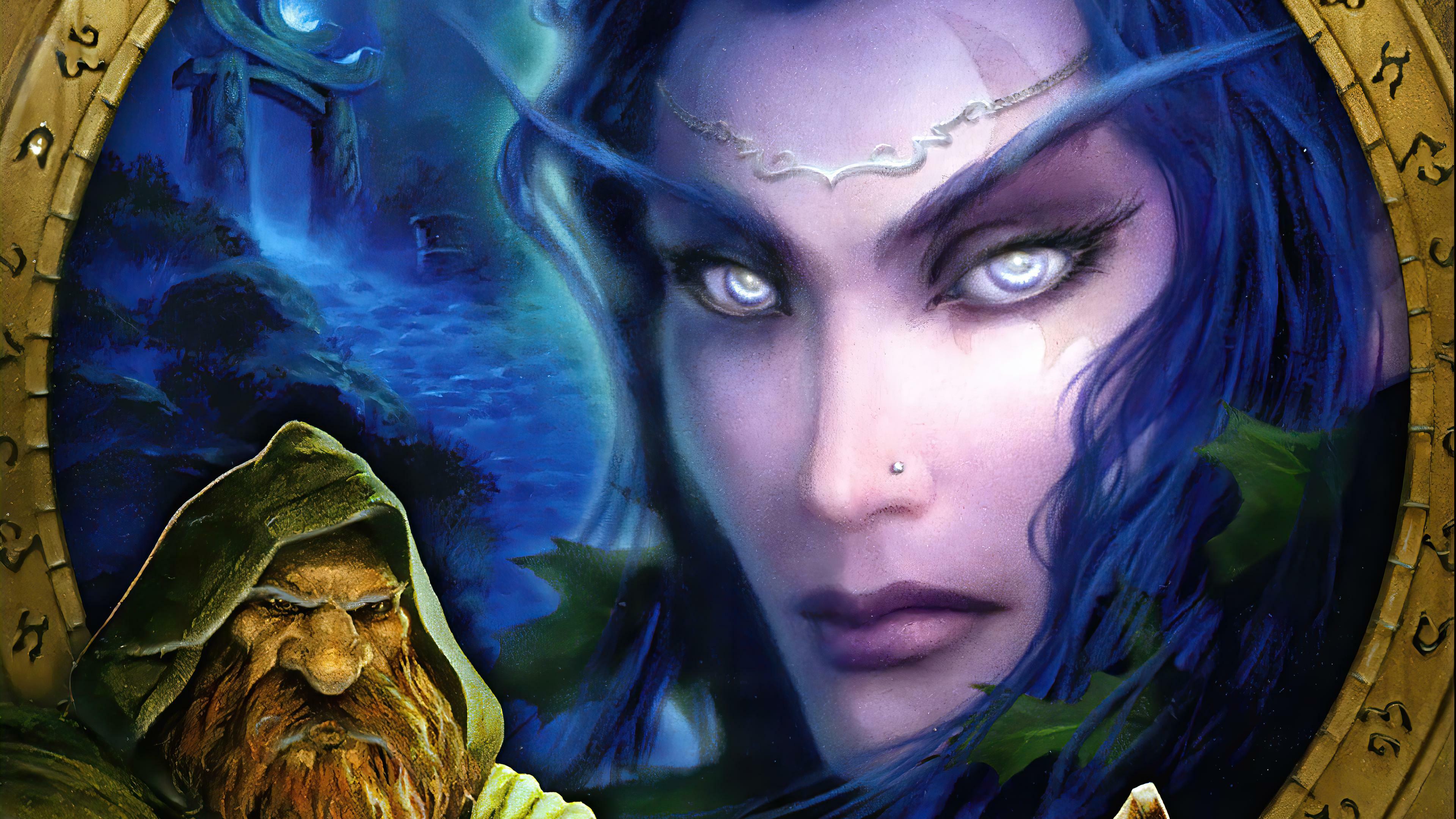
9. World of Warcraft
World of Warcraft transcended gaming; it became a persistent digital society. Its vast, evolving world, deep lore, and unparalleled social infrastructure fostered communities, economies, and real-world relationships. Millions logged in daily, not just to quest, but to connect. WoW proved the immense power of shared online experiences, influencing countless MMOs and demonstrating how virtual spaces could become significant parts of people's actual lives.
10 / 11
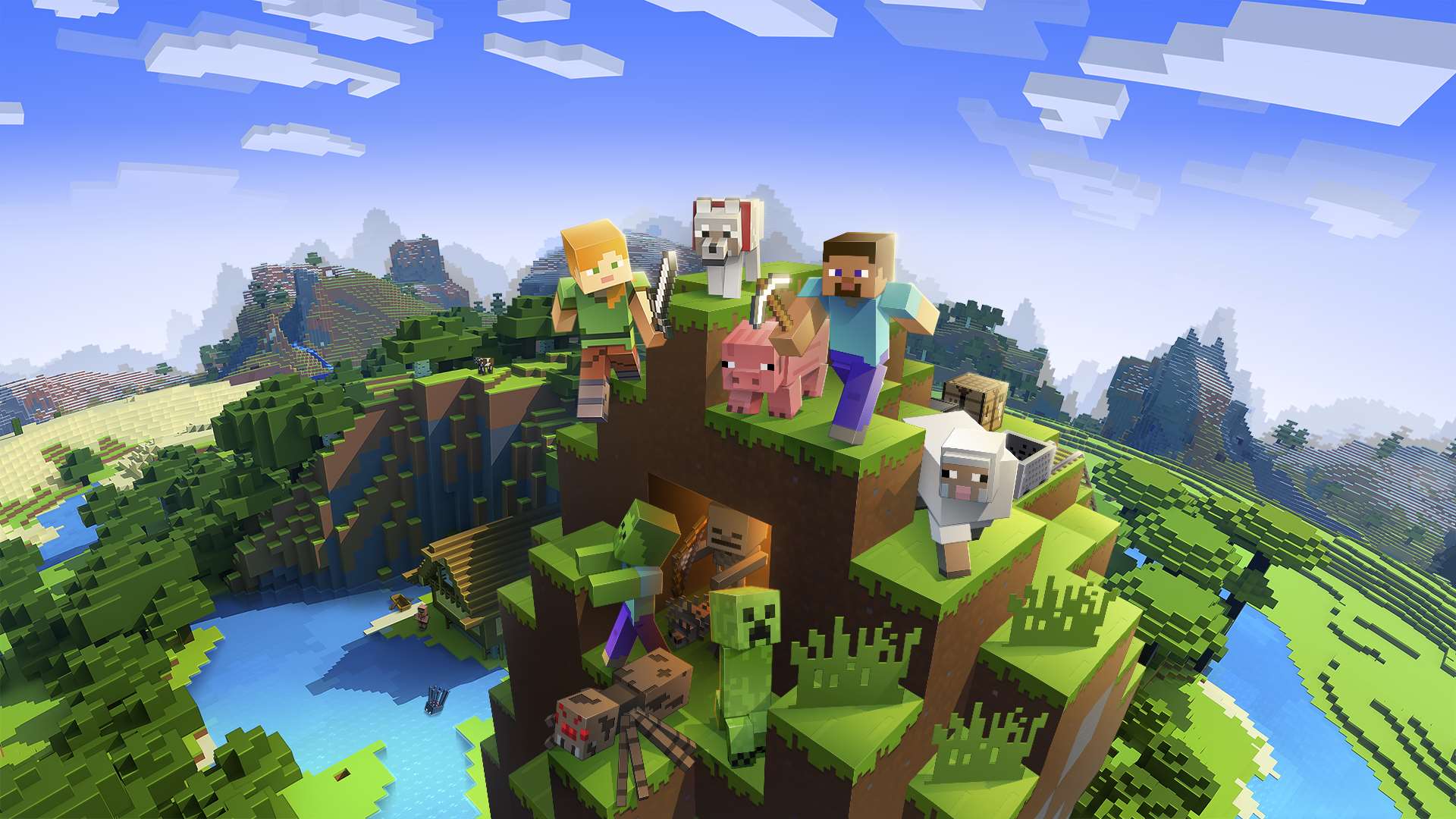
10. Minecraft
Minecraft is a phenomenon of pure creative freedom. With its blocky aesthetic and infinite procedural world, it invited players to build, explore, and survive on their own terms. It democratized game design, turning millions into digital architects and storytellers. Its influence stretches from education to pop culture, proving that simple tools, combined with boundless imagination, can create an entire universe of play.
11 / 11
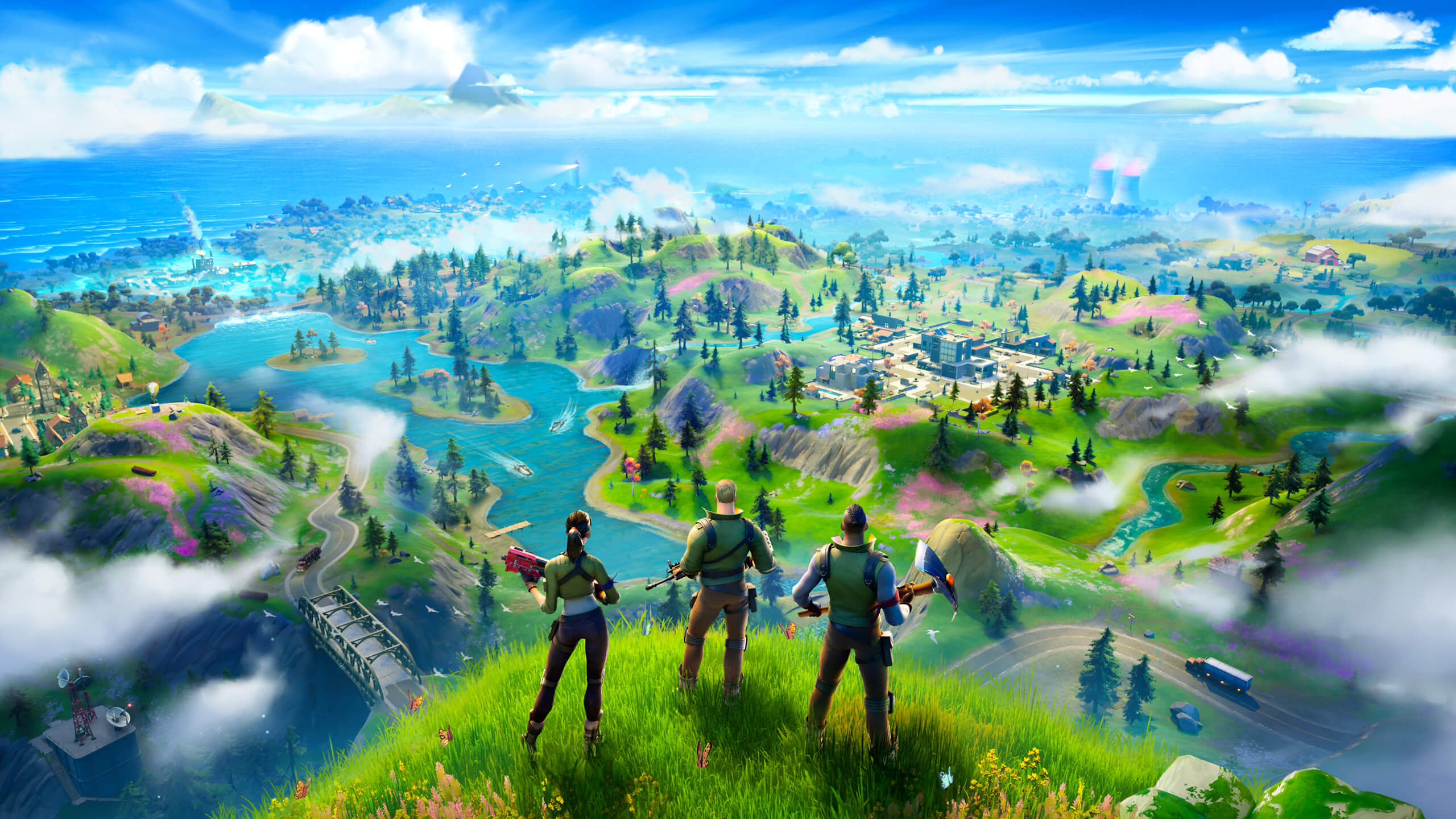
11. Fortnite Battle Royale
Fortnite Battle Royale isn't just a game; it's a social platform and a cultural hub. Its free-to-play model, distinctive art style, and constant updates, alongside its dance emotes and live in-game events, made it a global sensation. It blended competitive shooting with pop culture integration, becoming a virtual hangout for millions. Fortnite demonstrated the power of cross-platform accessibility and live-service engagement in fostering a massive, constantly evolving community.