
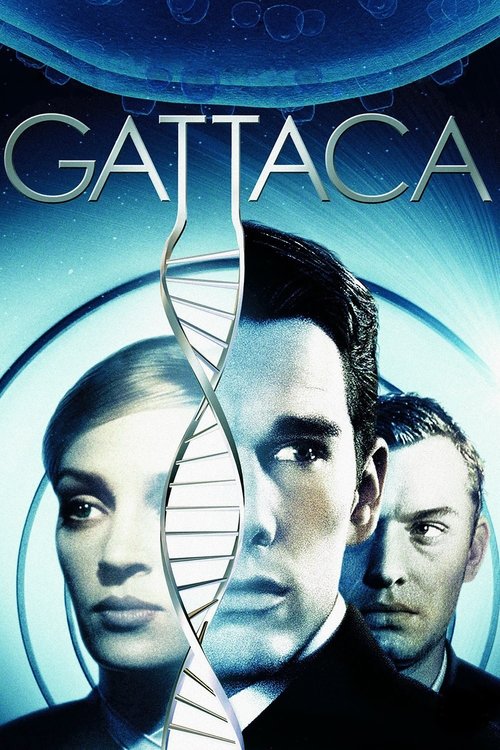
1. Gattaca
This film's vision of genetic engineering and societal stratification feels more relevant than ever. Imagine AI-driven narrative systems trying to generate a world where your potential is determined before birth. The hopeful message about human spirit overcoming algorithmic predictions is something we're still figuring out in our increasingly data-driven lives. It's a classic, really.

2. Coherence
Talk about mind-bending narrative design! This movie shows how a simple premise can unravel reality, questioning identity and choice. An AI trying to simulate its non-linear, branching possibilities would probably get stuck in a loop. It's almost like a VR experience where every decision creates a new, parallel existence, making you wonder which one is real. Super cool.

3. Primer
The sheer complexity of its time-travel mechanics is legendary. Trying to map out its timeline would break even the most advanced AI's processing power. It’s a masterclass in minimalist sci-fi, demonstrating how deep a story can go without big budgets, just pure, intricate ideas. This film practically wrote the handbook for complex, emergent VR narratives.
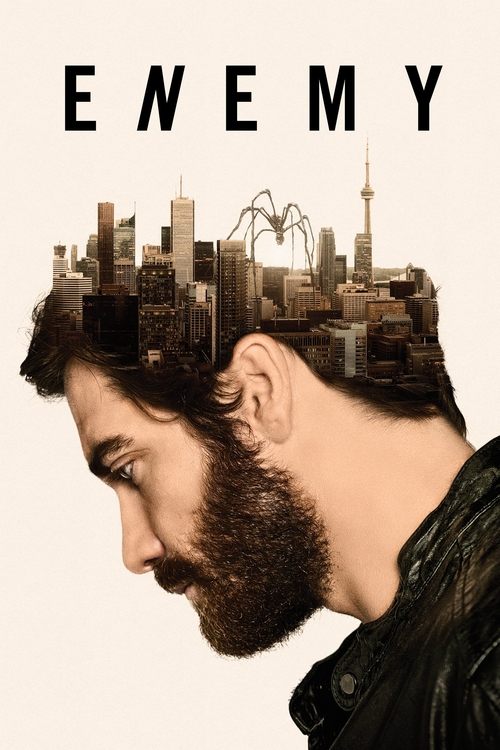
4. Enemy
This one uses doppelgängers to explore identity and subconscious fears in a way that’s unsettling and deeply psychological. Imagine an AI trying to generate two identical characters with subtly distinct personas, reflecting an individual's fragmented psyche. It's like a VR experience designed to make you question who you are, pulling you into a dreamlike, symbolic space.

5. Upstream Color
Its narrative is less about plot and more about pure sensory experience and emotional connection, almost like a guided meditation. An AI would struggle to replicate its abstract, dreamlike storytelling, which relies on feeling rather than logical progression. It's a prime example of how content creation can transcend traditional structures, perfect for immersive VR narratives.

6. Dark City
Before The Matrix, this film explored a reality manipulated by unseen forces, where memories are manufactured. It perfectly sets the stage for AI-driven virtual worlds where our pasts can be rewritten. The concept of architects shaping our perceived reality is something VR creators are literally doing now, making its themes incredibly prescient.
7. The Man from Earth
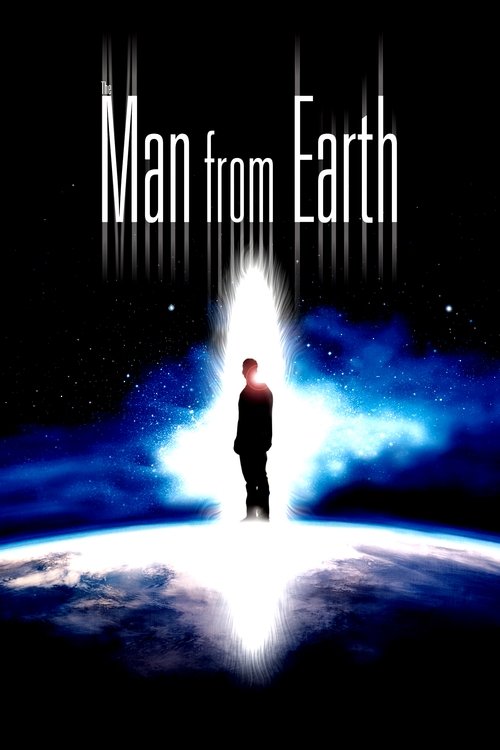
A single-room conversation piece, yet it grapples with millennia of human history and existence. Its power lies in pure dialogue and intellectual curiosity. Training an AI to generate such profound, speculative discourse, maintaining narrative coherence over thousands of years, is a huge challenge. It shows how much impact pure storytelling can have.
8. Under the Skin
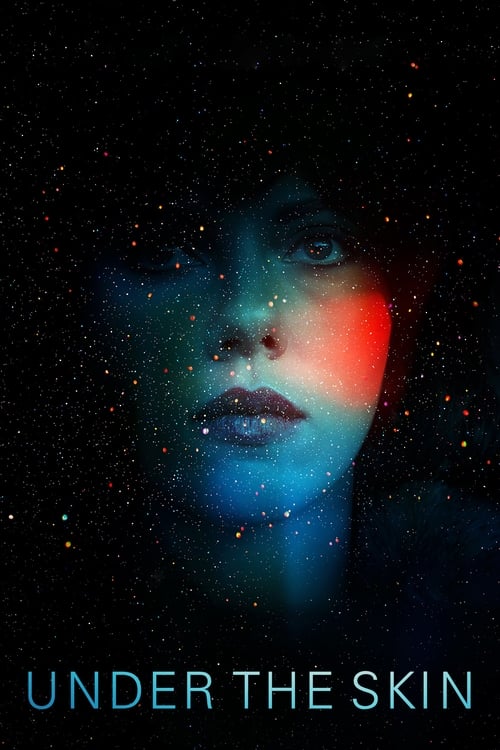
This film uses an alien perspective to dissect humanity, creating a truly unsettling, immersive experience. Its visual storytelling and sparse dialogue push the boundaries of how we consume narratives. Imagine an AI learning to craft such a nuanced, non-human viewpoint for a VR experience, where empathy and terror blend. It's incredibly innovative.
9. The Lobster
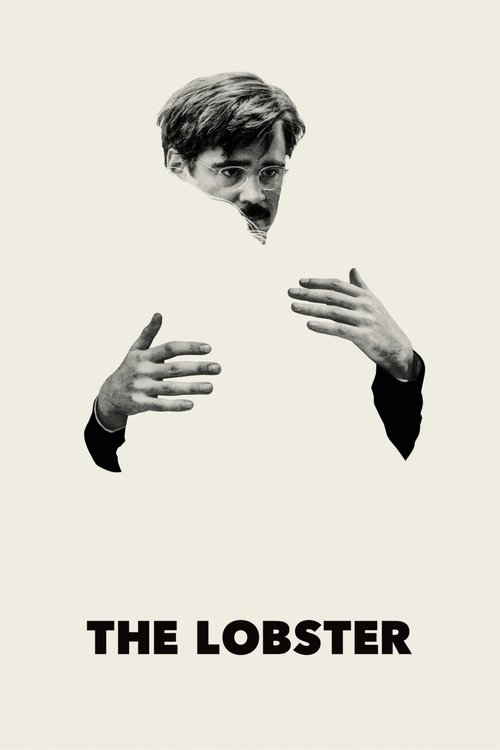
A darkly comedic take on societal pressures and relationships, set in a world with bizarre, rigid rules. Its unique premise and deadpan delivery are hard to categorize. An AI trying to invent such a specific, absurd social system and its consequences would need an incredible understanding of human satire and existential dread. It's truly one-of-a-kind.
10. Paprika
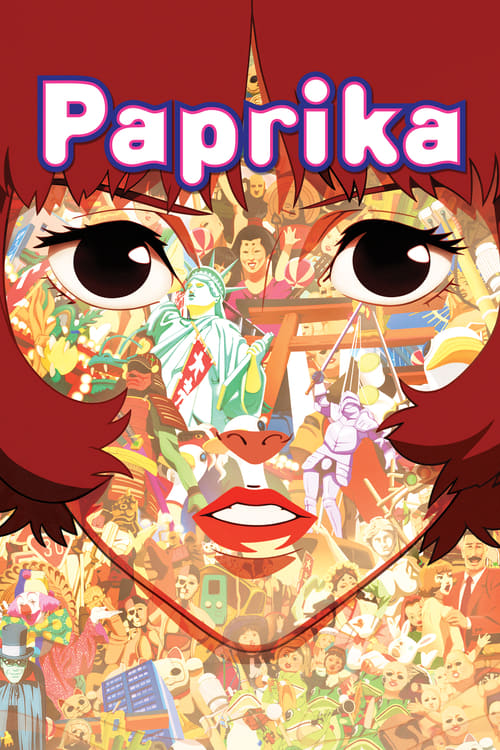
This anime masterpiece dives into a world where therapists enter patients' dreams using a device called the "DC Mini," blending reality and subconscious. It's basically a blueprint for advanced VR and AI-driven dreamscapes, predicting mind-sharing tech. The chaotic, vibrant imagery and fluid narrative are still a benchmark for virtual content.