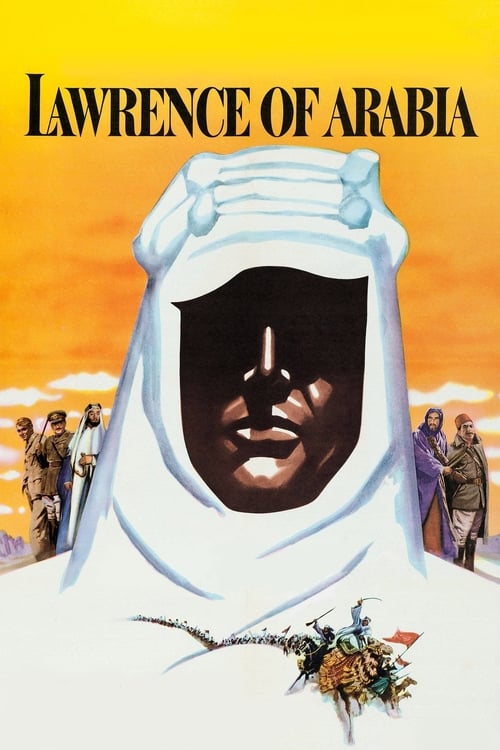
1. Lawrence of Arabia
David Lean’s epic is more than a historical spectacle; it’s a profound study of identity forged in the crucible of war and colonial ambition. Peter O'Toole’s T.E. Lawrence navigates the harsh beauty of the desert, his idealism clashing with the brutal realities of power and betrayal. Lean’s command of scope and composition remains unparalleled, reflecting a grand filmmaking era. The film interrogates heroism, cultural assimilation, and the often-tragic pursuit of a unified vision amidst disparate peoples, making it a timeless cinematic achievement.
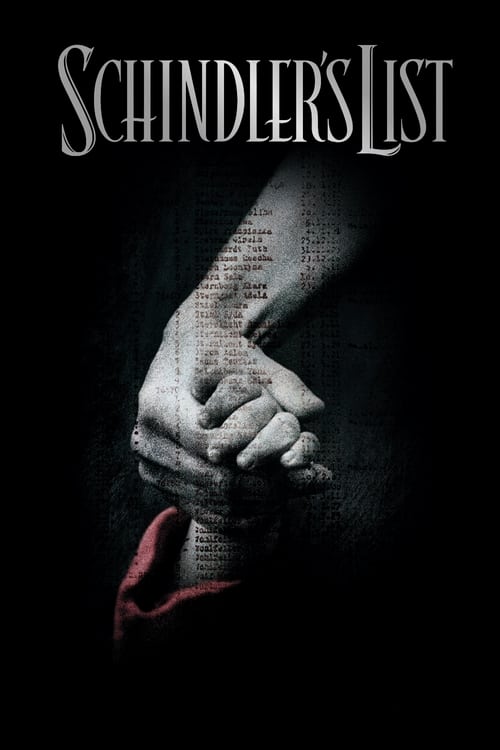
2. Schindler's List
Spielberg’s unflinching portrayal of the Holocaust offers a stark, necessary reflection on humanity's capacity for both immense cruelty and extraordinary compassion. Shot in stark black and white, it transcends mere historical recounting, becoming a deeply personal and agonizing meditation on moral choices in the face of unimaginable atrocity. It challenges viewers to confront the past, understand the weight of individual action, and never forget the horrors it depicts, a vital, harrowing testament to the power of cinema as a historical record.

3. Barry Lyndon
Kubrick’s meticulous period piece, a triumph of visual artistry, meticulously recreates 18th-century Europe. Filmed almost entirely with natural light, its painterly aesthetic is breathtaking. Yet, beneath the exquisite surface lies a biting satire on social climbing and the arbitrary nature of fate, following an anti-hero whose ambition is constantly undermined by his own character flaws. It’s a deliberately paced, immersive experience, a masterclass in mood and detail that critiques societal structures with a detached, almost anthropological gaze.

4. Ran
Kurosawa's late-career masterpiece, a re-imagining of Shakespeare's King Lear set in feudal Japan, is a devastating exploration of power, betrayal, and the cyclical nature of violence. Its vibrant, meticulously composed battle scenes and stunning costume design belie a profound philosophical pessimism. Kurosawa’s directorial vision is at its peak, portraying the folly of human ambition and the destruction wrought by unchecked ego with operatic grandeur and heartbreaking intimacy, a truly epic and timeless tragedy.
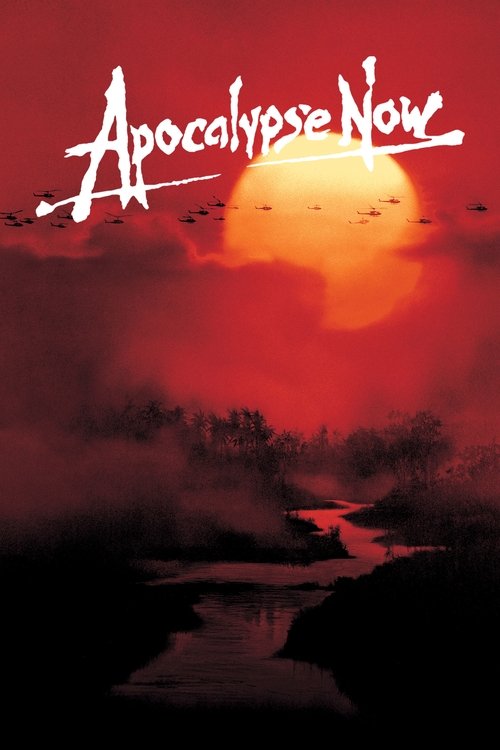
5. Apocalypse Now
Coppola’s hallucinatory descent into the heart of darkness during the Vietnam War is less a historical recounting and more a fever dream of psychological collapse. Drawing from Conrad, it probes the moral decay of conflict, pushing its characters, and the audience, to the brink of sanity. The film’s production itself became legendary, a chaotic reflection of its themes, cementing its place as a visceral, unforgettable experience that dissects the brutal absurdities of war and human nature.
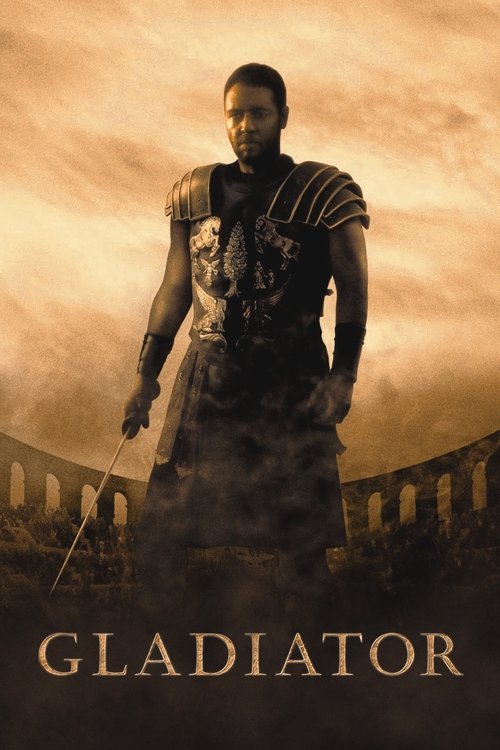
6. Gladiator
Ridley Scott revitalized the historical epic, crafting a visceral tale of revenge and honor in the Roman Empire. While perhaps taking liberties with historical accuracy, its emotional core resonates deeply. Russell Crowe’s Maximus is an iconic figure, embodying the struggle against tyranny and corruption. The film’s grand scale, impressive set pieces, and compelling narrative tapped into a primal desire for justice, proving that historical fiction can still capture the spirit of an era with thrilling contemporary relevance.
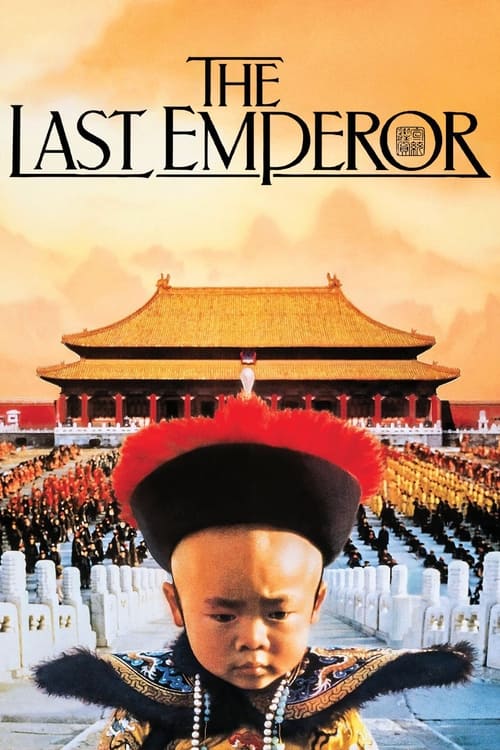
7. The Last Emperor
Bertolucci’s sumptuous biography of Puyi, China’s last emperor, offers an intimate yet sweeping look at a nation in profound transition. From the Forbidden City to communist re-education, it charts a life caught between tradition and modernity, personal isolation and historical upheaval. The film’s visual splendor, coupled with its poignant exploration of identity and political change, provides a unique lens through which to understand a complex century of Chinese history, earning its place as an epic of personal and national transformation.
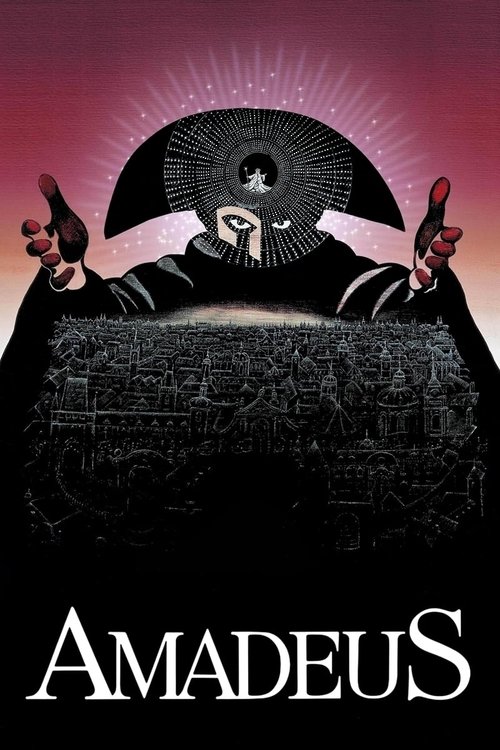
8. Amadeus
Miloš Forman’s exuberant portrayal of Wolfgang Amadeus Mozart’s life, seen through the envious eyes of Antonio Salieri, brilliantly dissects genius, mediocrity, and divine inspiration. It’s a vibrant, theatrical exploration of artistic rivalry and human frailty, set against the opulent backdrop of 18th-century Vienna. While dramatized, it captures the spirit of the era and the profound impact of Mozart’s music, making complex historical figures accessible and emotionally resonant, a compelling study of ambition and artistic legacy.
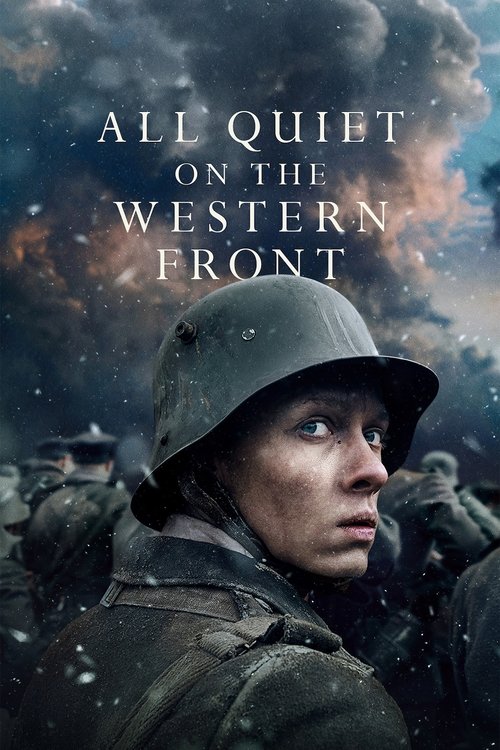
9. All Quiet on the Western Front
Lewis Milestone’s 1930 adaptation, a harrowing depiction of World War I from the German perspective, remains a powerful anti-war statement. It strips away any romanticism, focusing instead on the brutal, dehumanizing reality of trench warfare and the lost generation it created. Its unflinching realism, groundbreaking for its time, established a cinematic language for war that continues to influence. This film forces viewers to confront the profound human cost of conflict, a stark, enduring indictment of war's futility.
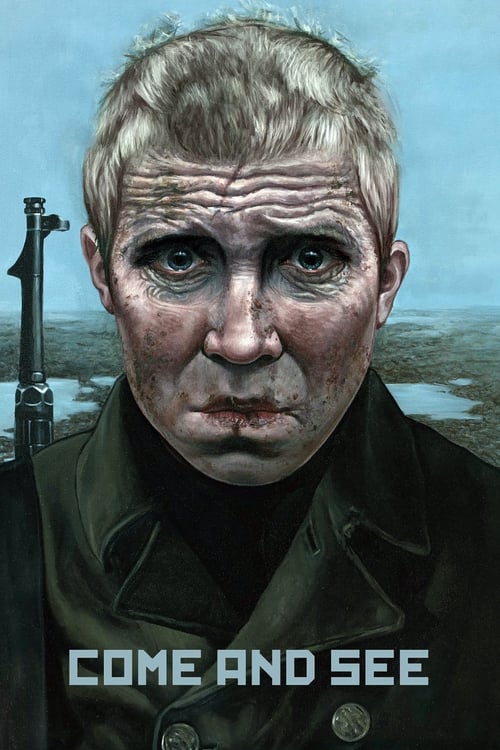
10. Come and See
Elem Klimov’s Soviet anti-war film is an unrelenting, surreal, and deeply disturbing account of Nazi atrocities in Belarus during WWII, seen through the eyes of a young boy. It’s a visceral, almost hallucinatory experience that doesn't shy away from the unspeakable horrors of war. The film’s raw emotional intensity and unflinching portrayal of barbarity make it one of the most powerful and difficult cinematic reflections on conflict, a truly unforgettable and essential, if profoundly unsettling, historical document.