
1 / 10
1. Elite
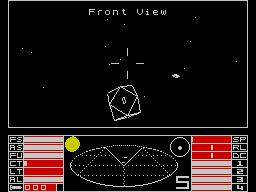
Launched in 1984, Elite wasn't just a game; it was an entire universe contained in minimal code. Its wireframe graphics offered a vast, procedurally generated galaxy, pioneering true open-world gameplay long before the term existed. Players freely traded, fought, and explored, fundamentally reshaping expectations for player agency and emergent narratives in digital space. It truly set a precedent for future sandbox experiences.
2 / 10
2. Myst
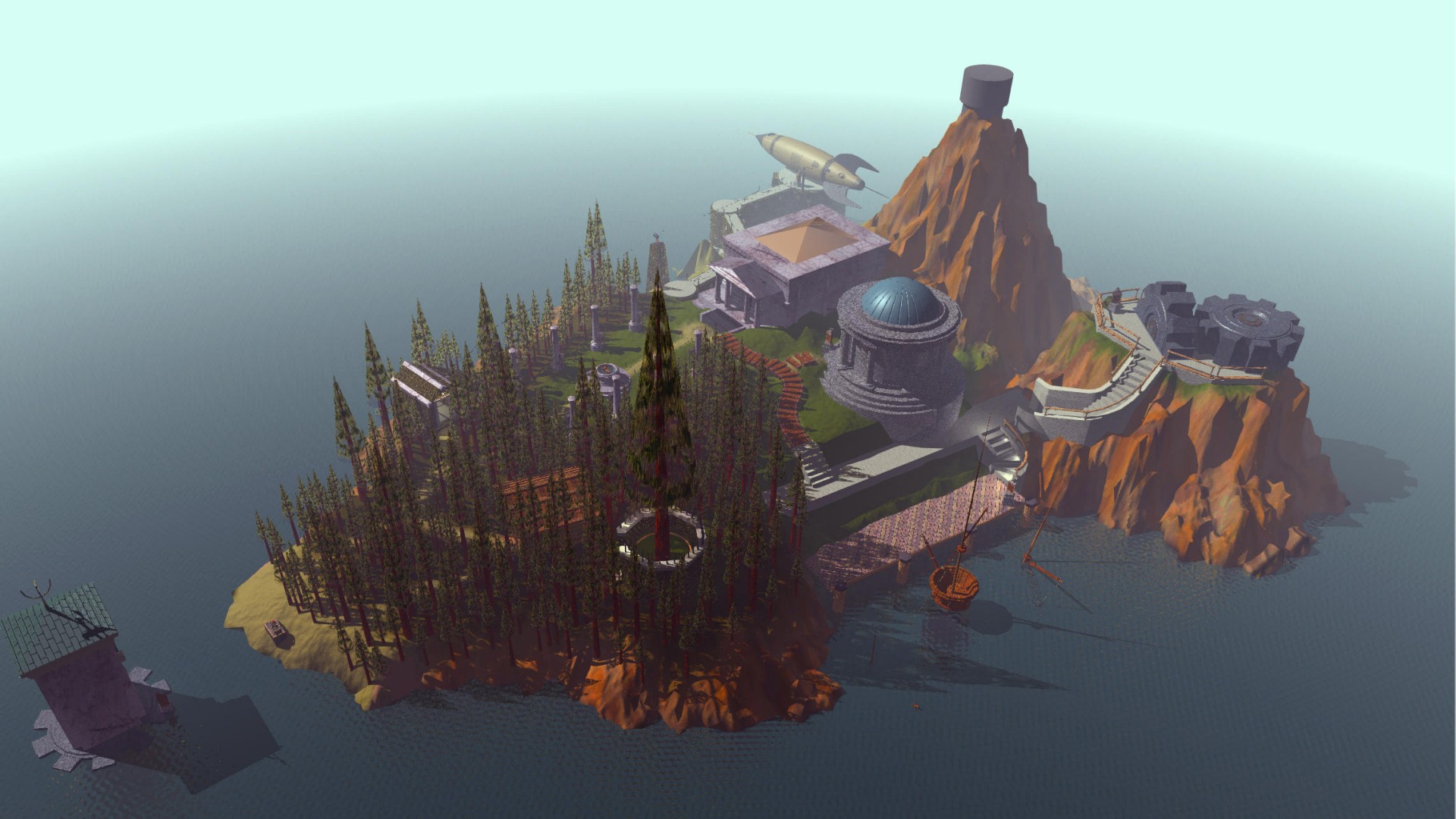
When Myst arrived, it leveraged the then-new CD-ROM technology, immersing players in a hauntingly beautiful, static world. This point-and-click adventure prioritized atmosphere, complex puzzles, and environmental storytelling over action. It demonstrated that games could be thoughtful, slow-paced experiences, appealing to a broader audience and proving that narrative depth and intellectual challenge could drive commercial success.
3 / 10
3. Deus Ex
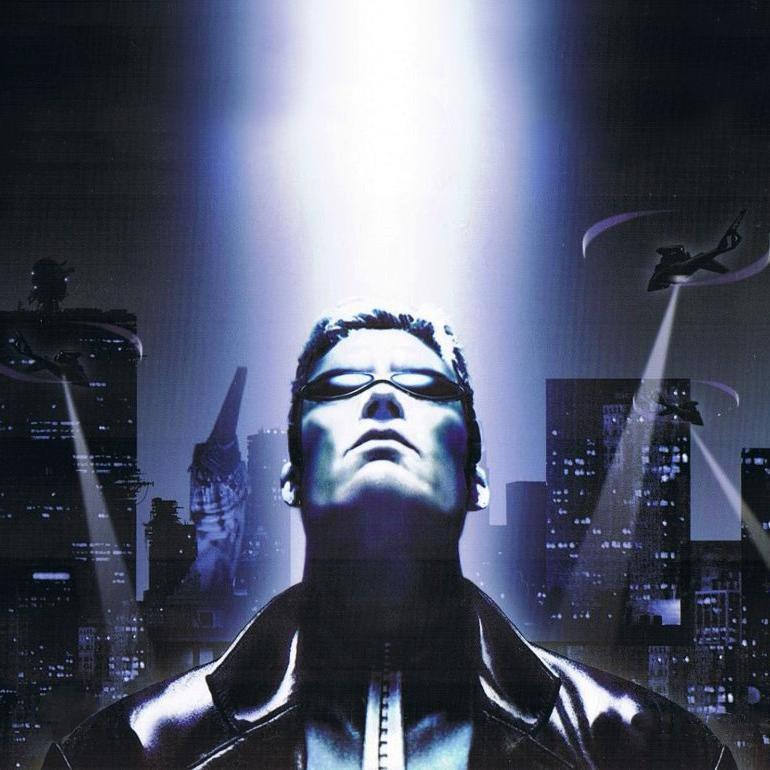
This game, released in 2000, blurred genre lines, offering an "immersive sim" experience unlike anything before. Player choices, both moral and tactical, genuinely impacted the narrative and gameplay. It championed systemic design, allowing multiple approaches to every objective, from stealth to direct confrontation. Deus Ex proved that games could be profound, complex explorations of philosophy and consequence.
4 / 10

4. Thief: The Dark Project
Thief didn't just feature stealth; it invented a coherent stealth *system*. Its emphasis on light, shadow, and sound as core mechanics forced players to think like a burglar. The environmental design encouraged exploration and careful planning, creating a palpable sense of vulnerability and tension. It laid the groundwork for an entire genre, showing how absence of combat could be compelling.
5 / 10
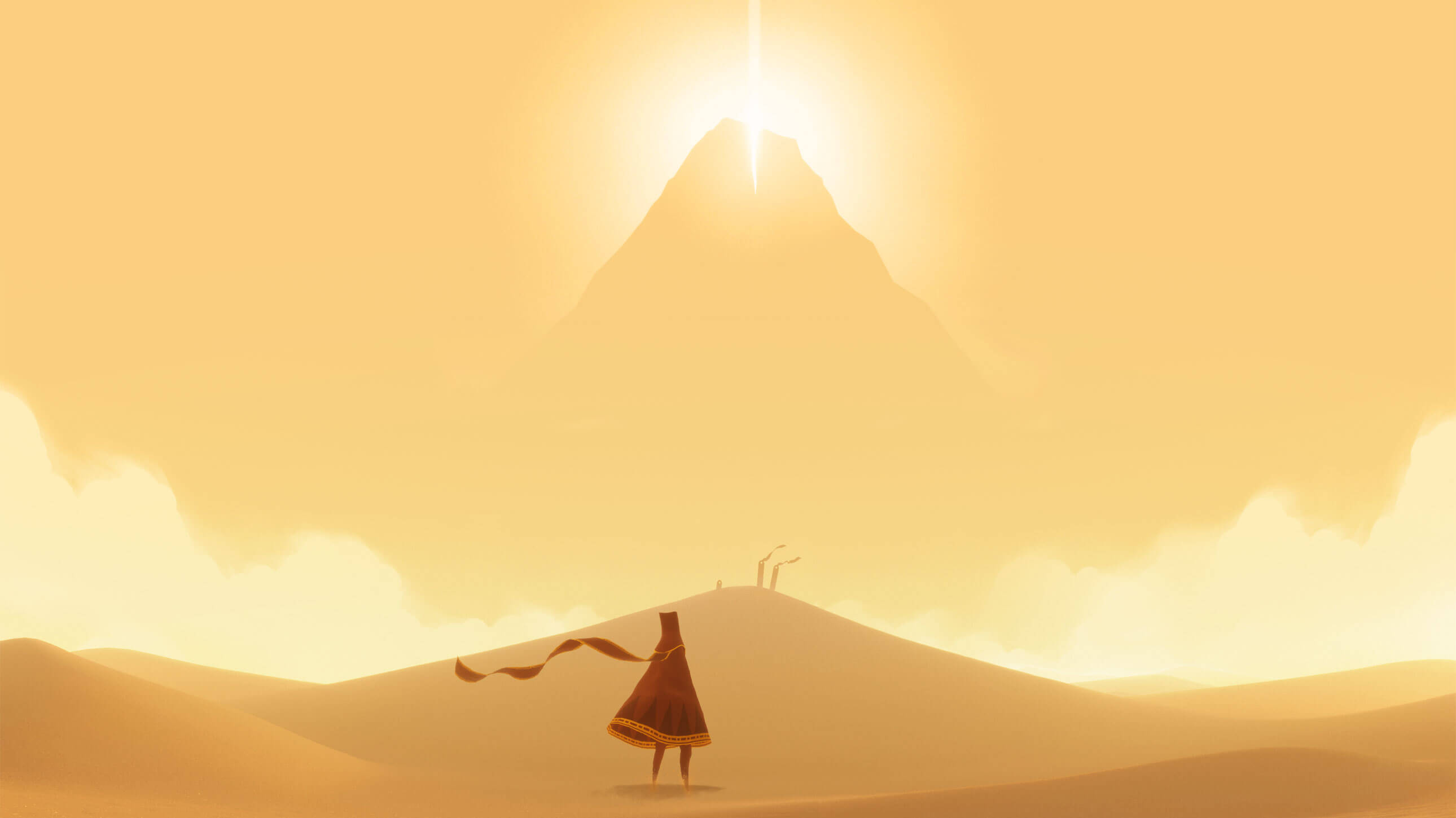
5. Journey
This game offered a profoundly emotional, wordless narrative through its visual design and unique co-op mechanic. Players connected with strangers, often without direct communication, traversing a beautiful, desolate world together. Journey proved that games could evoke deep feelings of companionship and awe through minimalist design and shared experience, moving beyond traditional competitive or combative interactions.
6 / 10

6. Papers, Please
A stark, bureaucratic simulator, Papers, Please turned the mundane task of an immigration inspector into a gripping moral dilemma. Players confronted daily choices with real consequences for virtual families and political factions. It masterfully used simple mechanics to explore complex themes of duty, empathy, and systemic oppression, demonstrating games' power as social commentary and interactive fiction.
7 / 10
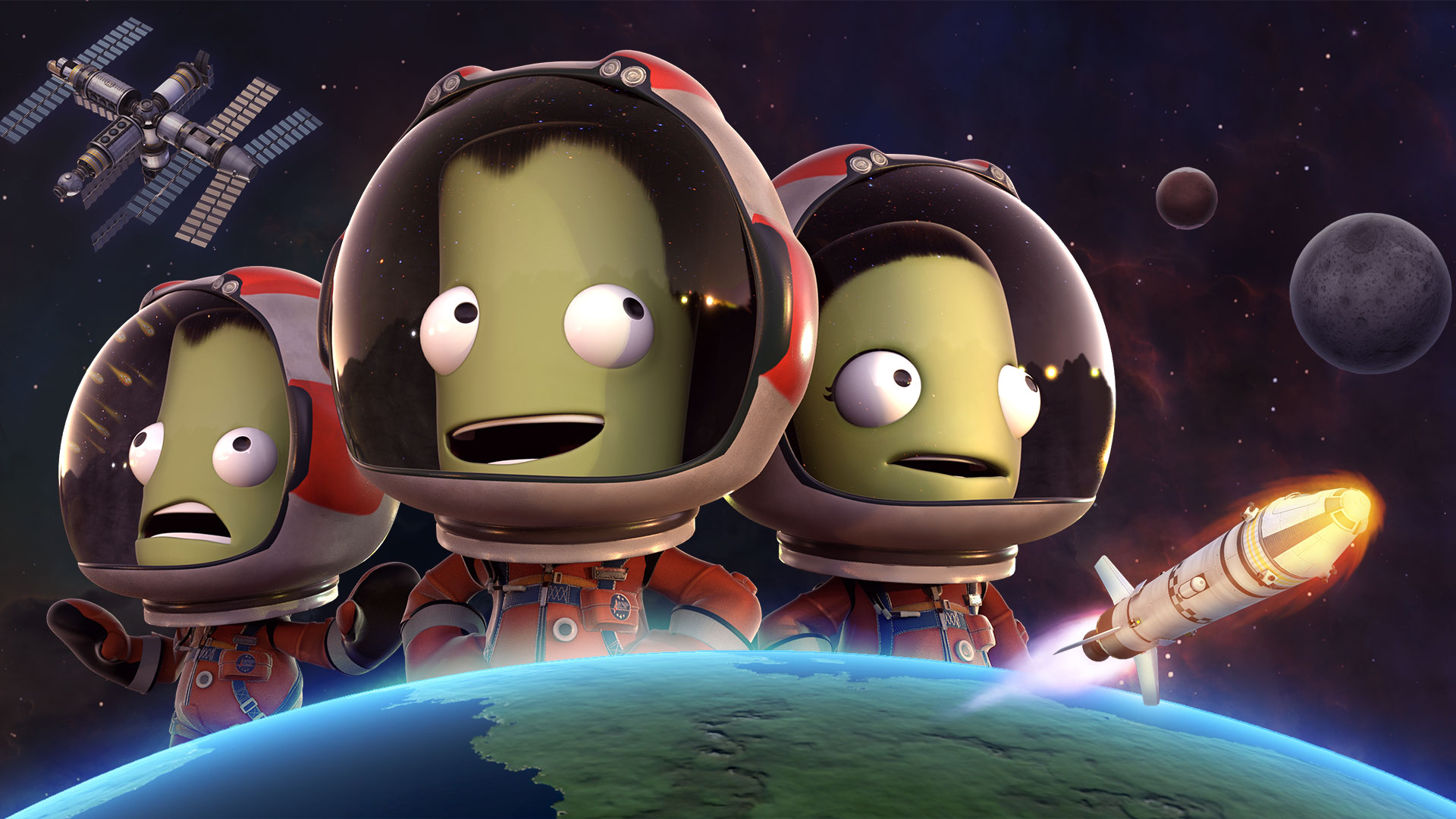
7. Kerbal Space Program
More than a game, KSP became a playful, yet rigorous, lesson in orbital mechanics and rocket science. Players designed and launched rockets, often failing spectacularly, but learning from every explosion. It democratized complex scientific principles through accessible, creative sandbox gameplay. This title fostered a generation's interest in engineering and space, proving education could be profoundly entertaining.
8 / 10
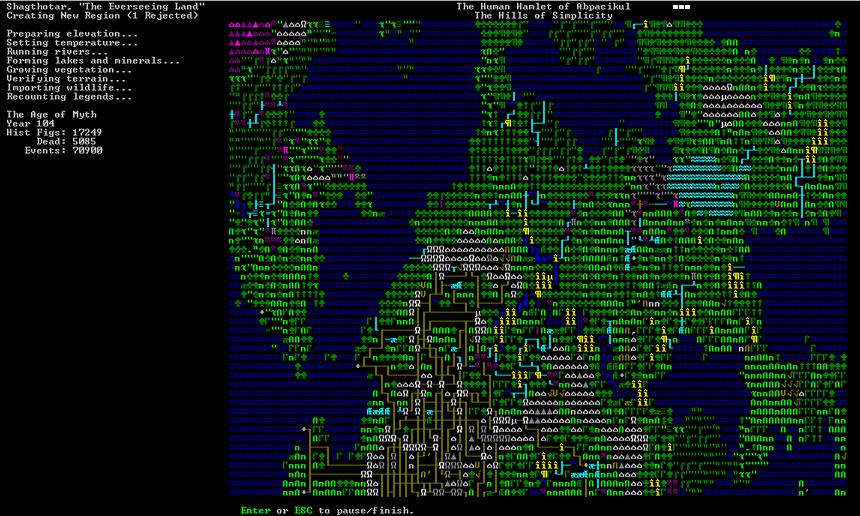
8. Dwarf Fortress
While notoriously inscrutable, Dwarf Fortress is an unparalleled simulation engine, generating entire fantasy worlds with deep histories and emergent narratives. Its text-based interface belies an intricate, living world where every dwarf has a personality and memory. It’s a testament to procedural generation's potential, showcasing how systems can create stories far beyond authored content.
9 / 10

9. Outer Wilds
This game reinvented exploration by centering it around a recurring time loop. Players uncovered cosmic mysteries by piecing together clues across a miniature solar system, where every discovery felt genuinely earned. It championed curiosity-driven gameplay and environmental storytelling, demonstrating that non-linear narrative and player-driven understanding can create unparalleled intellectual satisfaction.
10 / 10
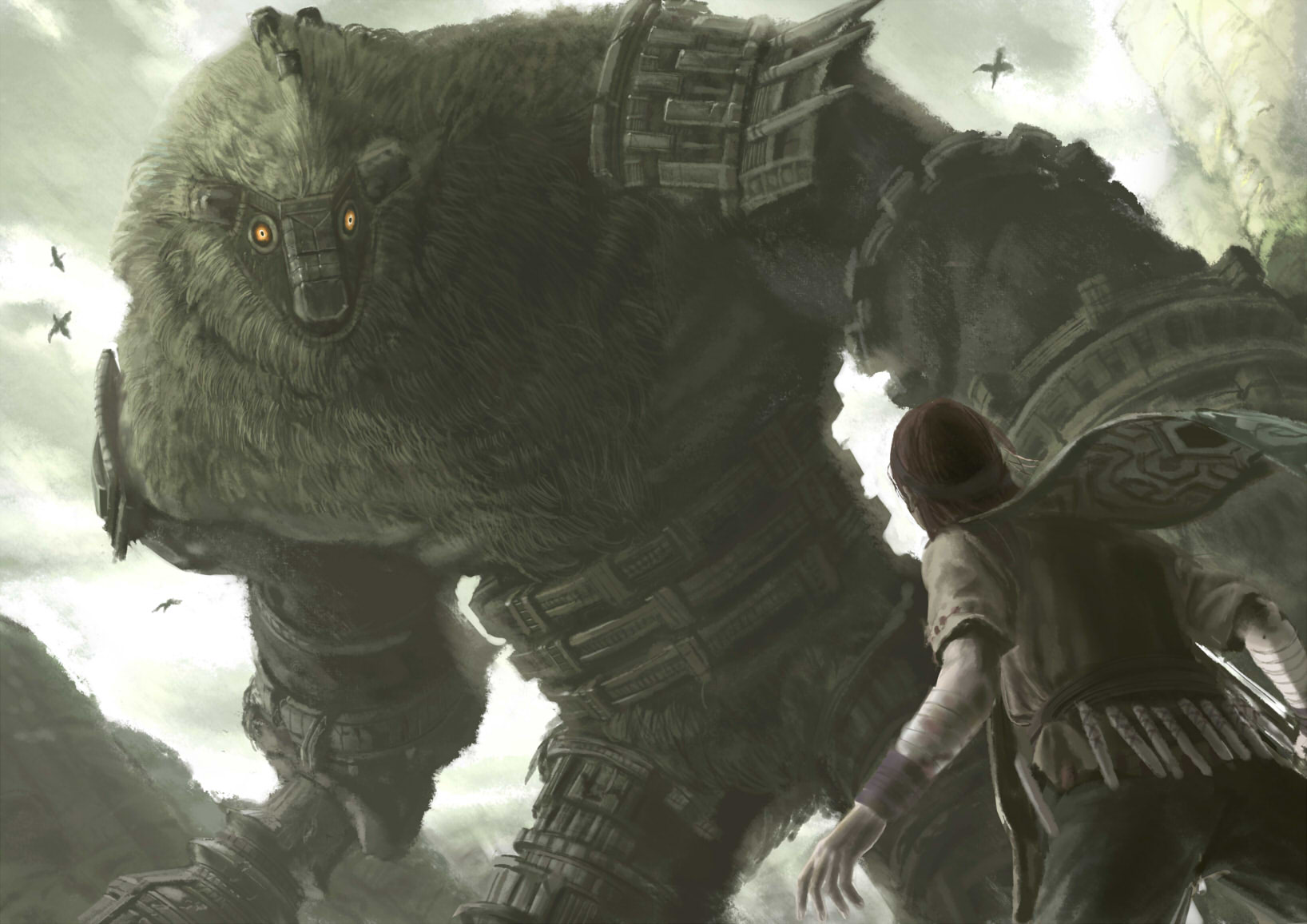
10. Shadow of the Colossus (2011)
Though presented as a remaster, its core design remained revolutionary. It stripped away traditional combat, focusing solely on monumental boss battles as environmental puzzles. The emotional weight of each encounter, coupled with the desolate beauty of its world, created a unique, melancholic experience. It showcased how minimalist narratives and epic scale could evoke powerful feelings.