
1 / 10
1. Max Headroom
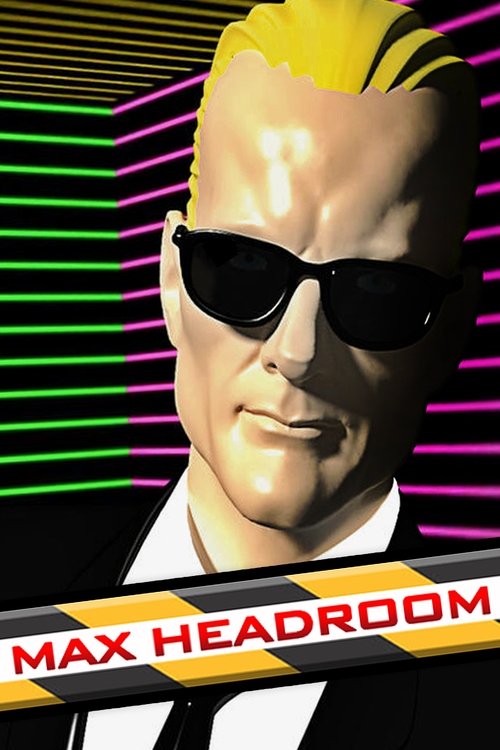
Max Headroom (1987) was a glitchy, neon-soaked peek into a dystopian future that felt too real, too fast. It wasn't just a show; it was a broadcast interruption, a digital punk rock anthem wrapped in a corporate nightmare. Its analog visual effects, the stuttering AI host, and its sharp satire on media manipulation and consumerism made it feel like a warning signal beamed directly from tomorrow. It burned so bright, it probably fried some capacitors back then.
2 / 10

2. The Adventures of Pete & Pete
The Adventures of Pete & Pete (1993) was like a fever dream filtered through a Nickelodeon lens, and I mean that in the best way. It proved that kid’s TV didn’t need to talk down; it could be genuinely weird, poetic, and utterly charming. From Artie, the Strongest Man in the World, to endless summer days, its surreal humor and unforgettable soundtrack created a universe that still sticks in your brain, buzzing like a forgotten ice cream truck.
3 / 10
3. Captain Power and the Soldiers of the Future
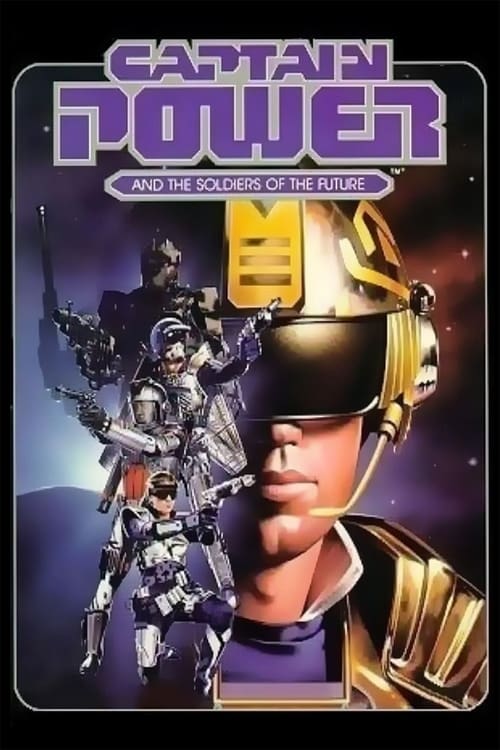
Captain Power and the Soldiers of the Future (1987) was dark, man, like, really dark for a show with interactive toys. It was a bleak future where humanity fought sentient machines, and the stakes felt genuinely high. The practical effects and early CGI were ambitious, even if clunky, and that interactive element was pure 80s magic. It tried to do so much with so little, and its grim aesthetic still holds up as a pioneering sci-fi effort.
4 / 10
4. The Prisoner
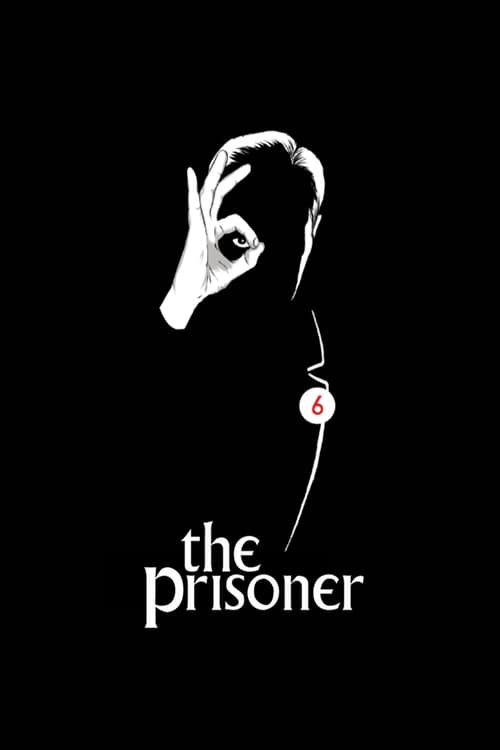
The Prisoner (1967) wasn't just a show, it was a mind-bender, a paranoid puzzle box disguised as television. Patrick McGoohan's Number Six, trapped in a seemingly idyllic village, fought against unseen forces and existential dread. Every episode was a psychological trip, full of symbolism and bizarre technology, questioning identity and freedom long before anyone else dared. It was a masterclass in unsettling atmosphere, pure genius.
5 / 10
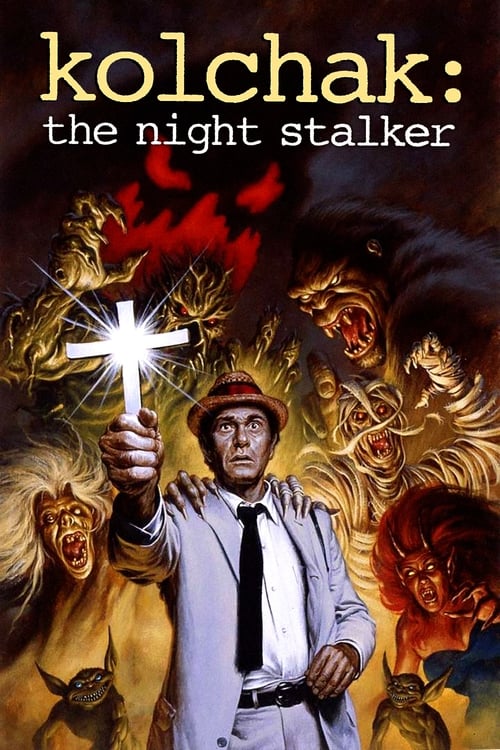
5. Kolchak: The Night Stalker
Kolchak: The Night Stalker (1974) was the grainy, cynical blueprint for every monster-of-the-week show that followed. Darren McGavin's Carl Kolchak, the perpetually disbelieved newspaper man, chased vampires, werewolves, and all sorts of ghouls through the gritty streets of Chicago. His practical effects were surprisingly effective, and his world-weary narration grounded the supernatural in a way that made it feel terrifyingly real. A true unsung hero of analog horror.
6 / 10
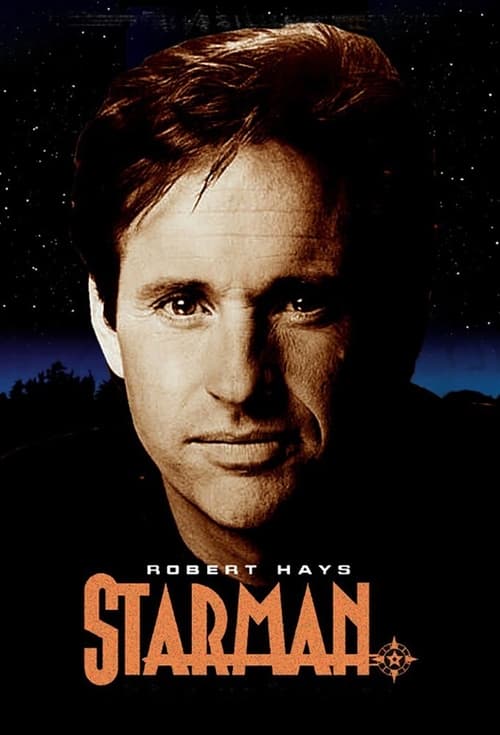
6. Starman
Starman (1986) picked up where the movie left off, sending an alien trying to get home across America. It was a gentle, often melancholic road trip, with Robert Hays embodying the alien's innocence and curiosity perfectly. This show felt different; it wasn't about explosions, but about understanding humanity through an outsider's eyes. It had a quiet, persistent charm, a real heart that flickered brightly on late-night syndication.
7 / 10
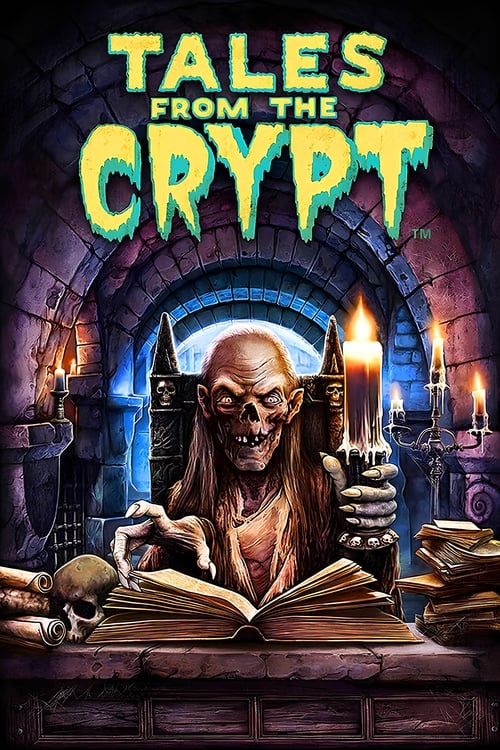
7. Tales from the Crypt
Tales from the Crypt (1989) on HBO was a glorious, gory, practical-effects-driven horror anthology. The Crypt Keeper was a puppet master of pure schlock and charm, introducing twisted morality tales with a cackle. It was unapologetically adult, pushing boundaries with its violence and black humor. Every episode felt like a miniature B-movie, packed with celebrity cameos and a budget that showed, unlike anything else on TV.
8 / 10

8. Lexx
Lexx (1997) was a glorious, low-budget, European space opera acid trip. It was weird, dark, and utterly unique, about a living spaceship and its motley, often morally questionable crew navigating a chaotic universe. The effects were delightfully practical and bizarre, the humor was pitch-black, and the whole thing felt like it was made on another planet. It was maximalist sci-fi on a shoestring, and it never stopped being surprising.
9 / 10
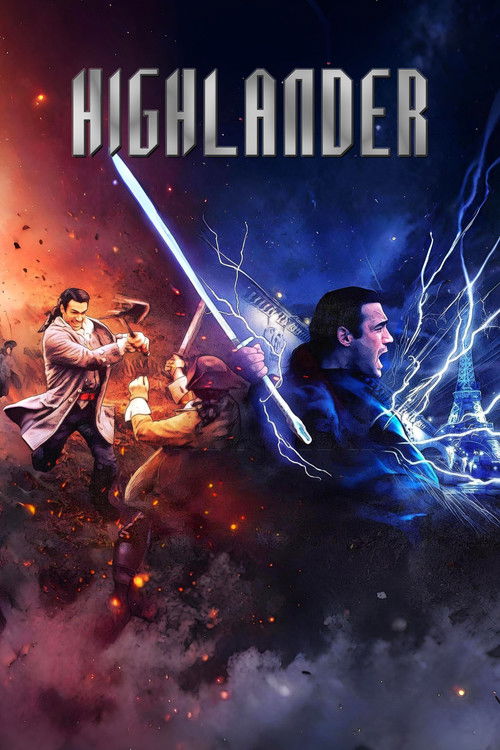
9. Highlander: The Series
Highlander: The Series (1992) took the "There Can Be Only One" mythos and ran with it, creating a sprawling, sword-fighting saga across centuries. Adrian Paul's Duncan MacLeod was the ultimate immortal, grappling with love, loss, and endless battles. It was syndicated gold, delivering solid action, a surprisingly deep mythology, and a distinct 90s urban fantasy vibe. The quickening effects alone were worth tuning in for.
10 / 10

10. Forever Knight
Forever Knight (1992) was moody, atmospheric urban fantasy before it was cool. A 800-year-old vampire, Nick Knight, works as a homicide detective in modern-day Toronto, brooding over his immortality and seeking redemption. It was a soap opera of the damned, blending crime procedural with gothic romance and existential angst. The whole thing just *felt* like late-night cable, all shadows and dramatic stares, absolutely owning its premise.