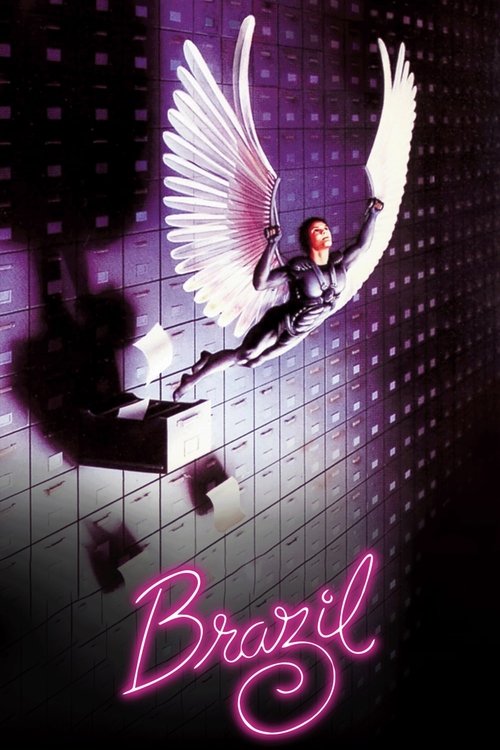
1. Brazil
So, Terry Gilliam's 1985 vision of a dystopian bureaucracy is still ridiculously relevant. Its bizarre, dreamlike world feels like a glitch in the matrix, showing how far creative storytelling could push against rigid systems. You get these wild, imaginative set pieces and a narrative that twists like a corrupted data stream, making you think about control and freedom in an increasingly automated world. It's truly an experience.
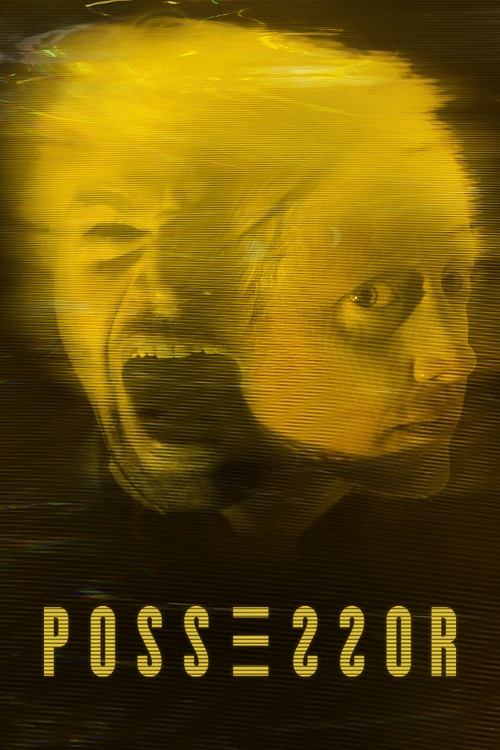
2. Possessor
This 2020 flick is a total head-trip, diving into identity and control through brain-implant tech. It’s like, what if you could inhabit someone else’s life, or if an AI could perfectly mimic consciousness? Brandon Cronenberg doesn't hold back, giving us a super visceral, almost VR-like experience that makes you question what's real and who's in charge. It's a dark, intense look at future tech and its price.

3. Upstream Color
Shane Carruth's 2013 film is a puzzle box, honestly. It tells its story through feeling and abstraction, totally ignoring traditional plot structures. Imagine an AI generating narratives based purely on emotional resonance and subconscious connections – that's this movie. It's not about being told what to think, but about feeling your way through a beautifully complex, almost biological, story. You'll be thinking about it for ages.

4. Coherence
Okay, this 2014 indie gem proves you don't need a huge budget to mess with reality. It’s a dinner party that spirals into a mind-bending exploration of parallel universes, almost like a glitch in a shared VR experience. The way the characters try to make sense of the chaos feels so real, pushing narratives past expected outcomes with just a few people and a comet. It's super smart and keeps you guessing.
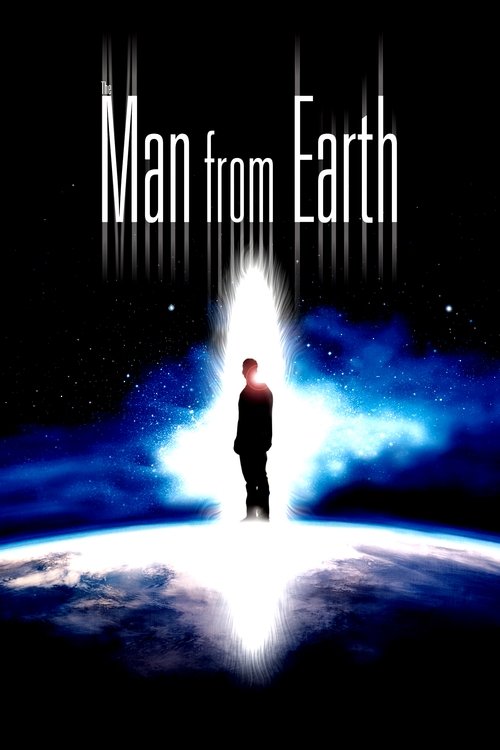
5. The Man from Earth
This 2007 film is just a bunch of people talking in a living room, but the premise? Absolutely wild. A man claims to be immortal, and the entire movie is a dialogue-driven narrative where ideas are the real special effects. It's a masterclass in how compelling a story can be without visual spectacle, hinting at AI's potential to craft deeply intellectual, character-focused narratives that challenge everything we know.
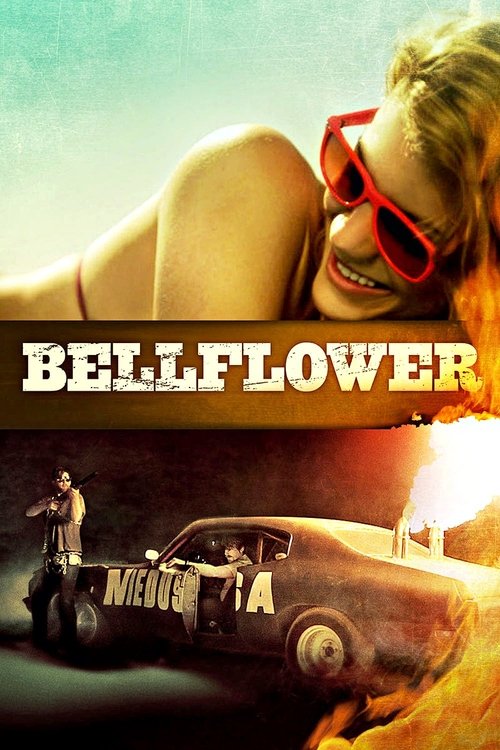
6. Bellflower
Watching 2011's Bellflower feels like stepping into someone's raw, unfiltered imagination. It's about two friends obsessed with apocalyptic scenarios, building flamethrowers and custom cars. The DIY aesthetic and visceral storytelling are almost like a user-generated VR experience gone beautifully, tragically wrong. It’s gritty, romantic, and shows how deeply human desire can shape even the most extreme narratives.

7. Aniara
Aniara, from 2019, is a Swedish sci-fi journey that’s incredibly chilling. It's about a spaceship full of people trying to escape Earth, but then they get lost in space. The film explores how we cope with isolation and hopelessness in an advanced, yet trapped, environment. It’s a powerful, melancholic look at humanity's search for meaning when all digital comforts and narratives eventually fail.
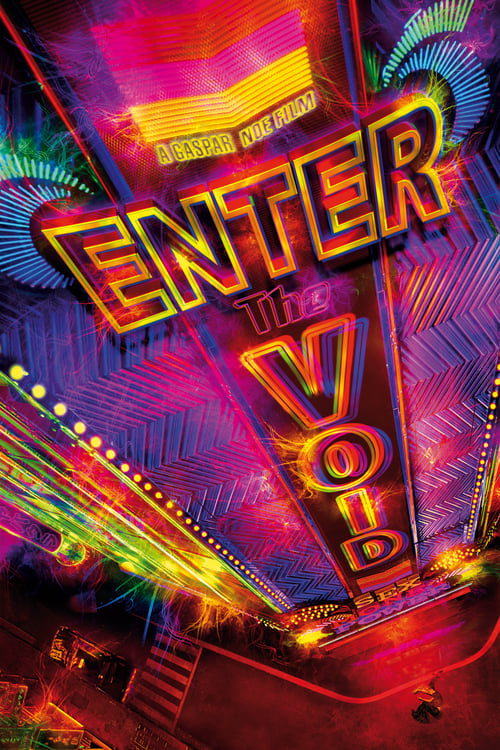
8. Enter the Void
Gaspar Noé's 2010 movie is pure sensory overload. Shot almost entirely from a first-person perspective, it’s like a psychedelic, out-of-body VR trip through life, death, and the afterlife in Tokyo. It completely discards traditional storytelling for an immersive, dreamlike experience. This film really pushes the boundaries of cinematic language, hinting at what truly personalized, AI-driven narrative experiences could feel like.
9. Beyond the Black Rainbow
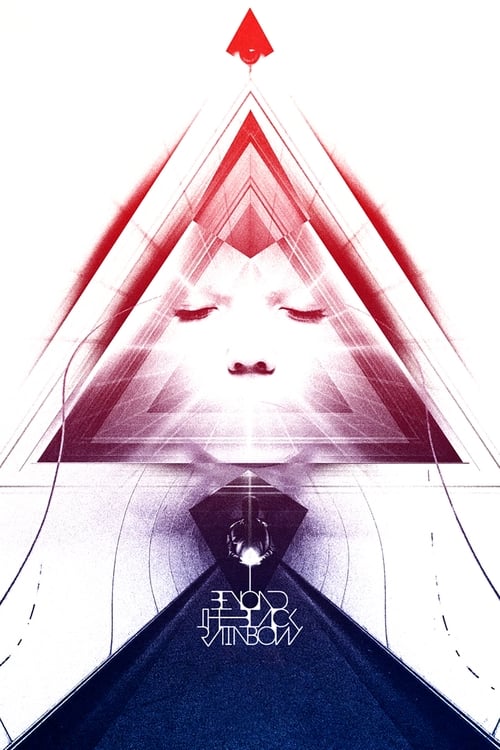
Panos Cosmatos’ 2010 debut is a visual feast, a retro-futuristic fever dream. It’s less about plot and more about atmosphere, sound, and incredible imagery, almost like an art installation in film form. The narrative is sparse, allowing the viewer to get lost in its hypnotic, neon-drenched world. It’s a perfect example of aesthetic algorithms creating an unforgettable, deeply unsettling experience.

10. Tetsuo: The Iron Man
If you want to see a narrative algorithm completely obliterated, watch Tetsuo: The Iron Man from 1989. It's a Japanese cyberpunk body horror flick that’s aggressively experimental. It’s loud, chaotic, and visually overwhelming, transforming human flesh into metal. This film is pure, unadulterated creative energy, showing how far content creation can push beyond conventional limits, even if it's utterly disturbing.
11. The Endless
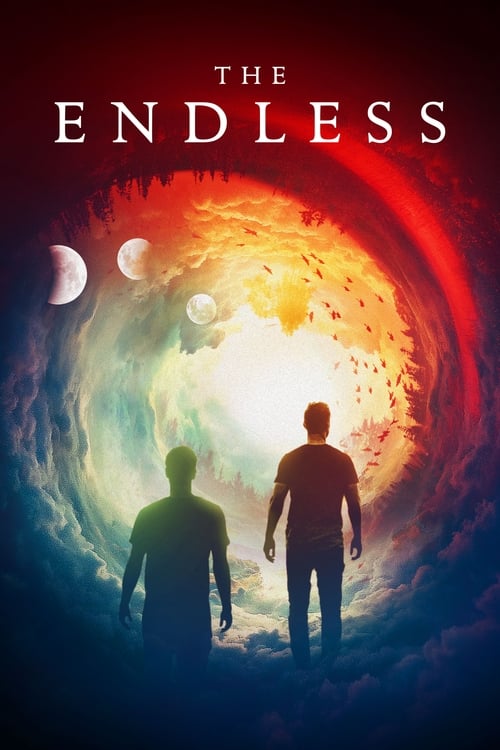
The Endless (2017) is a smart, indie horror film that plays with time loops and cosmic dread. It's about two brothers returning to a UFO death cult, and things get really weird. It’s like a sophisticated AI creating interconnected narratives that subtly warp reality. This movie proves you can build a rich, complex world and narrative that genuinely breaks traditional expectations, all on a smaller scale.