1 / 11
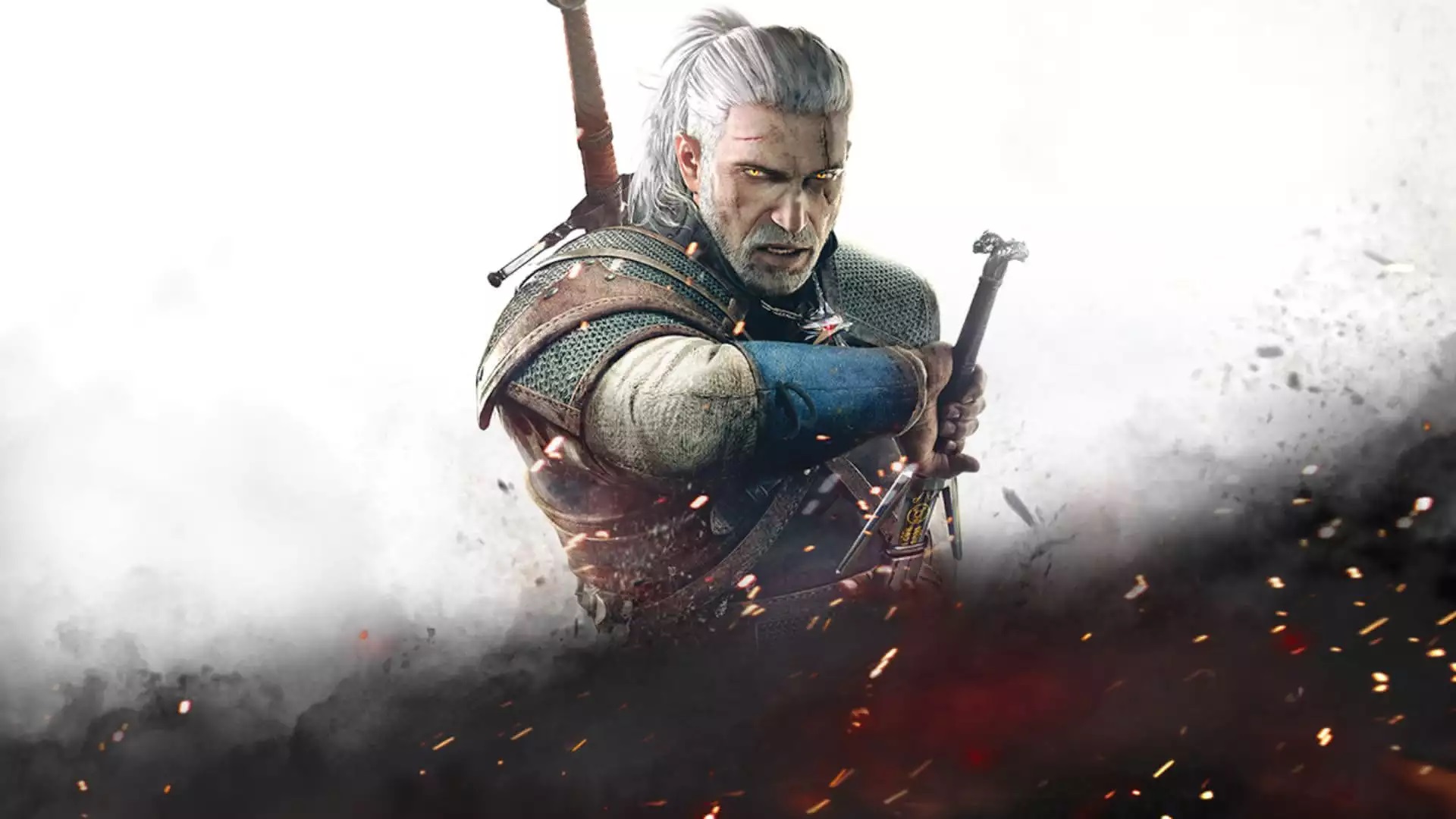
1. The Witcher 3: Wild Hunt
CD Projekt Red's masterpiece set a benchmark for RPGs, truly feeling like a world built by passionate devs, not just algorithms. It's ironic how a game so rich in mature storytelling and moral ambiguity would fit into a portfolio seeking 'family-friendly' content. Its enduring popularity and critical acclaim speak volumes, proving that quality, rather than endless monetization, creates lasting legacies. Still, money talks louder than ethics for some.
2 / 11
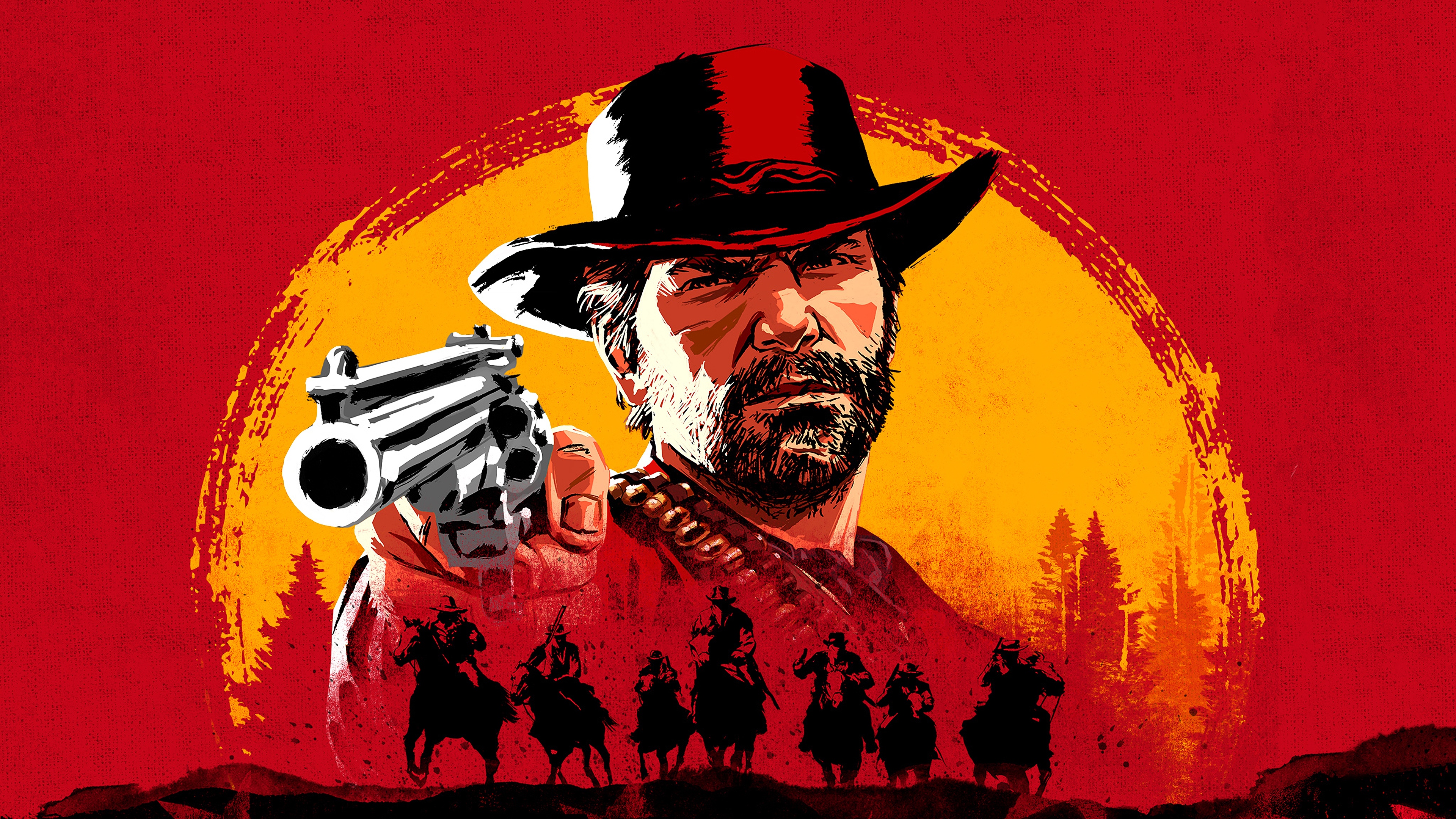
2. Red Dead Redemption 2
Rockstar’s sprawling Western epic is a technical marvel and a narrative triumph, despite its sometimes-ponderous pacing and mission design linearity. You get lost in its meticulously crafted world, feeling every dusty boot step. It's a goldmine of single-player content, a real anomaly in today’s live-service-obsessed market. One wonders if even its sheer scale and quality could tempt a buyout without fundamentally altering its soul.
3 / 11
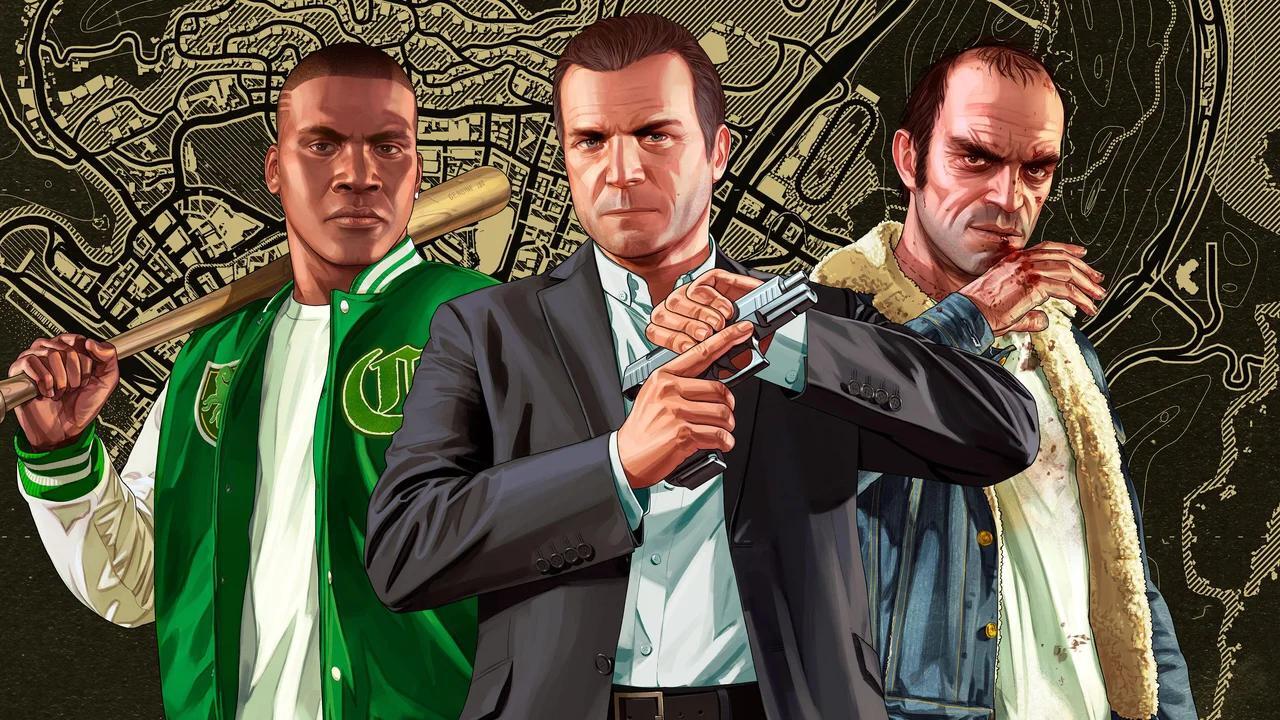
3. Grand Theft Auto V
This game is practically its own financial ecosystem, still printing money years after launch, mostly thanks to GTA Online. It's the ultimate cash cow, proving that if you build it, and then keep adding microtransactions, they will come, endlessly. Given its immense, consistent revenue stream and controversial themes, it’s a wonder it hasn't already been a target for investment, or maybe it has, just quietly.
4 / 11
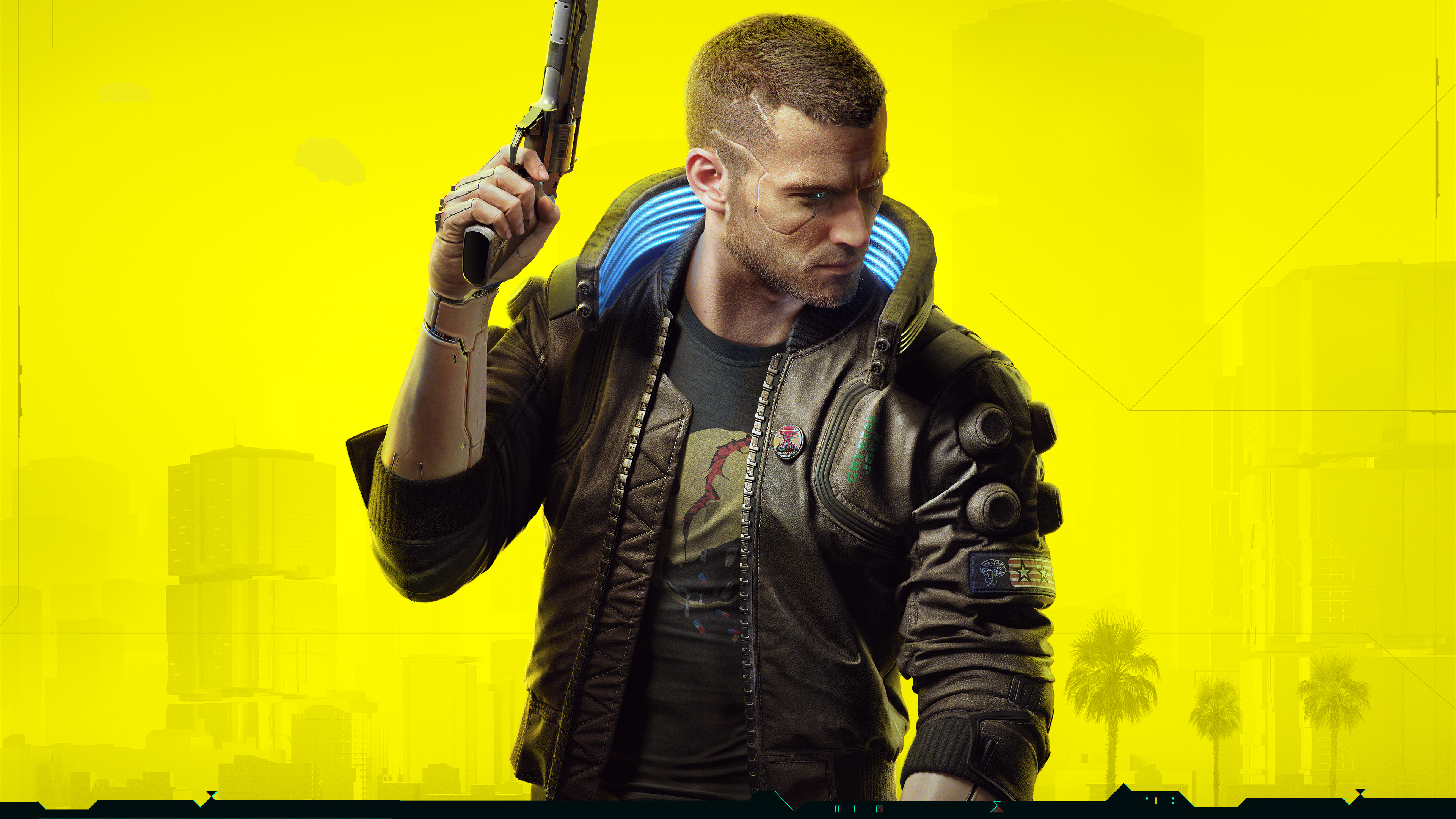
4. Cyberpunk 2077
Oh, Night City. What a rollercoaster of hype, disappointment, and eventual redemption. CDPR’s comeback story is commendable, fixing a broken launch and delivering on many promises. Yet, the initial stain on their reputation and the crunch culture accusations are hard to forget. It’s a game that represents both the best and worst of modern AAA development, a risky, expensive venture that ultimately found its footing.
5 / 11
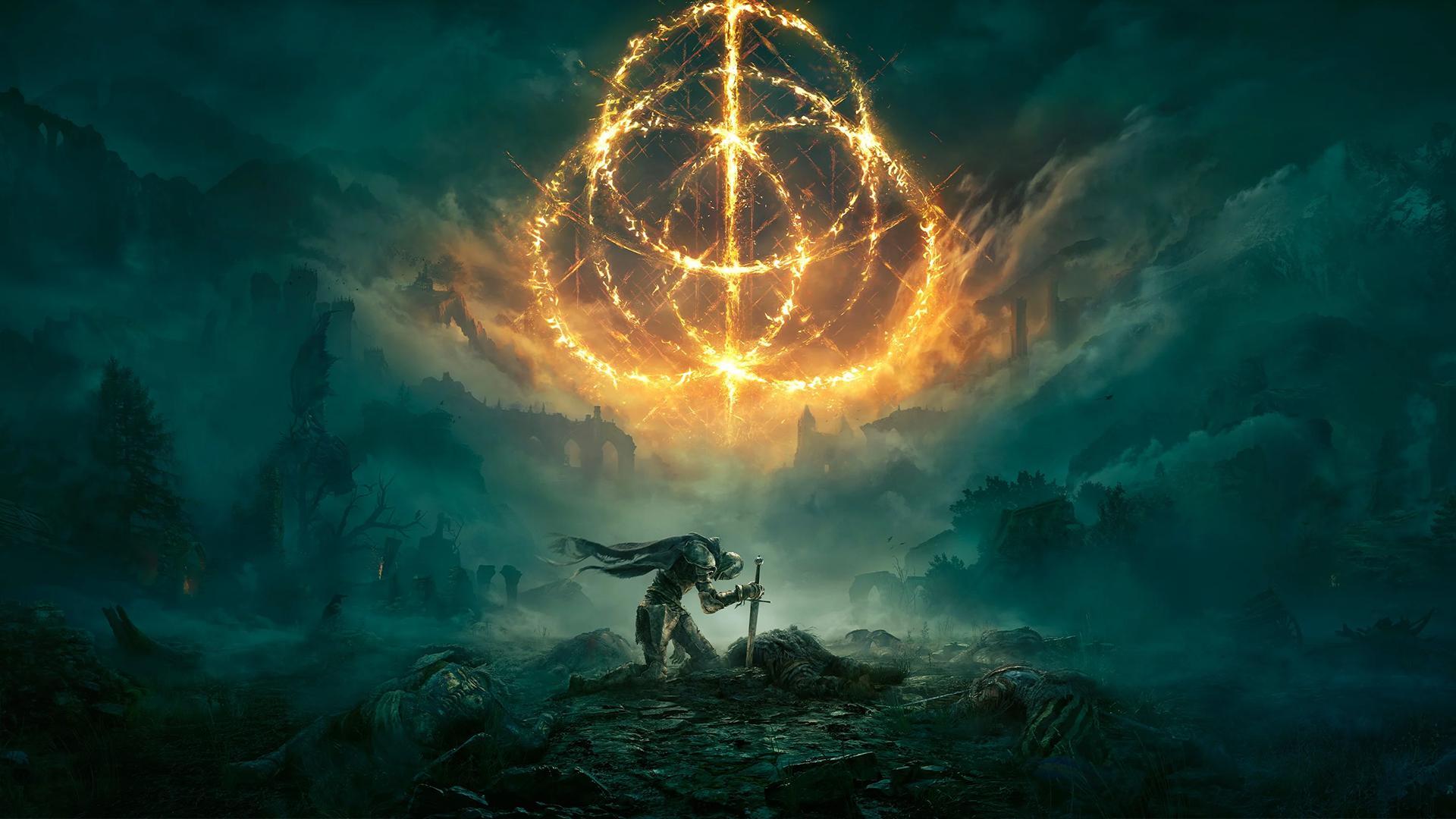
5. Elden Ring
FromSoftware struck gold again, merging their notoriously challenging combat with an unparalleled open-world design that respects player discovery. It’s a massive success, proof that players crave meaningful exploration over endless markers. This game doesn't hold your hand, which is exactly why it resonated so deeply. Its global appeal and critical darling status make it an obvious, valuable asset for any investor.
6 / 11
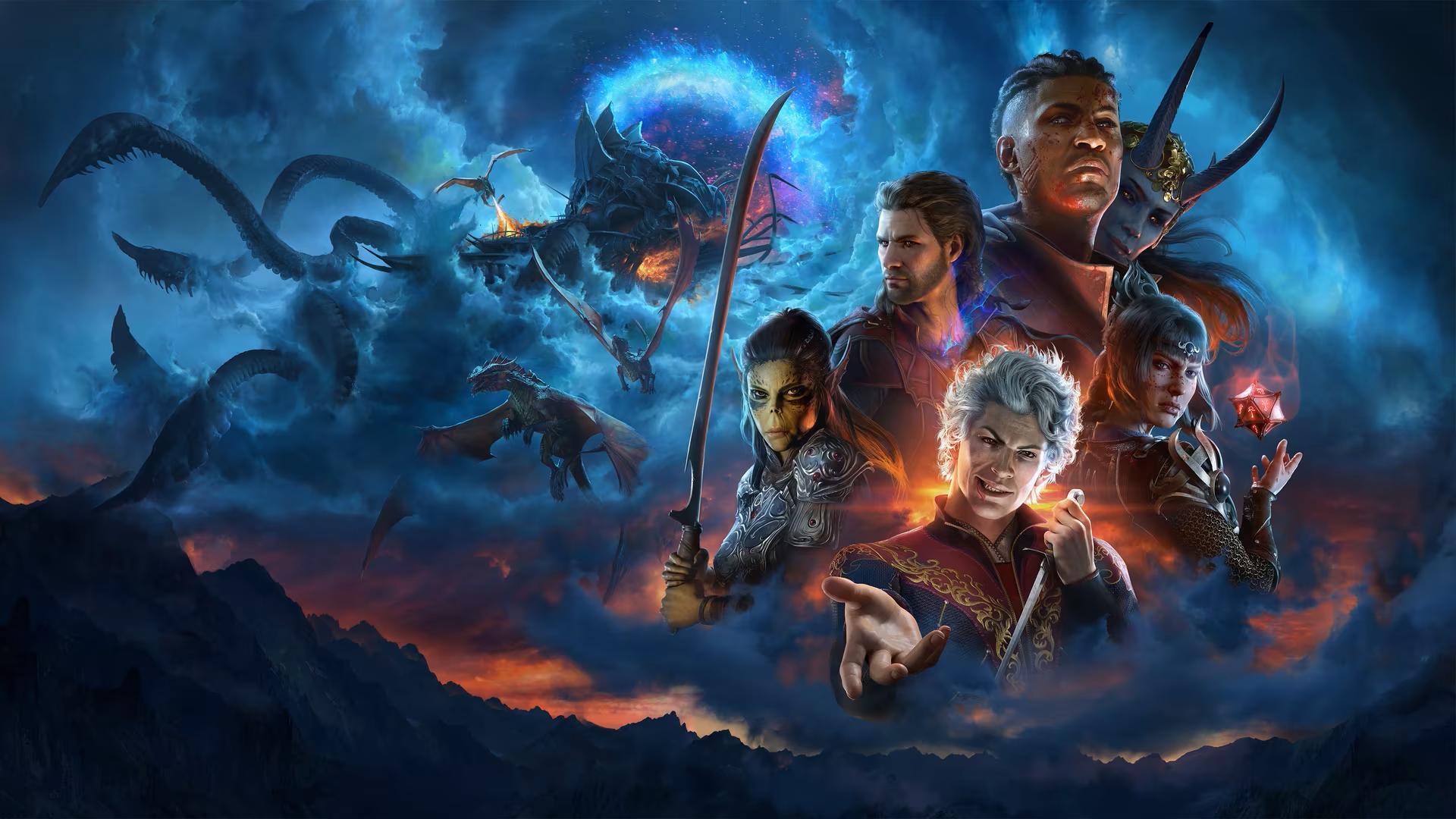
6. Baldur's Gate III
Larian absolutely redefined what a modern RPG could be, delivering an experience so rich and player-choice-driven, it shames most other studios. This game launched as a complete, polished product, devoid of predatory monetization, earning undying player loyalty. Its monumental success demonstrates that gamers will pay full price for quality, a lesson many publishers desperately need to learn. An ethical triumph, really.
7 / 11
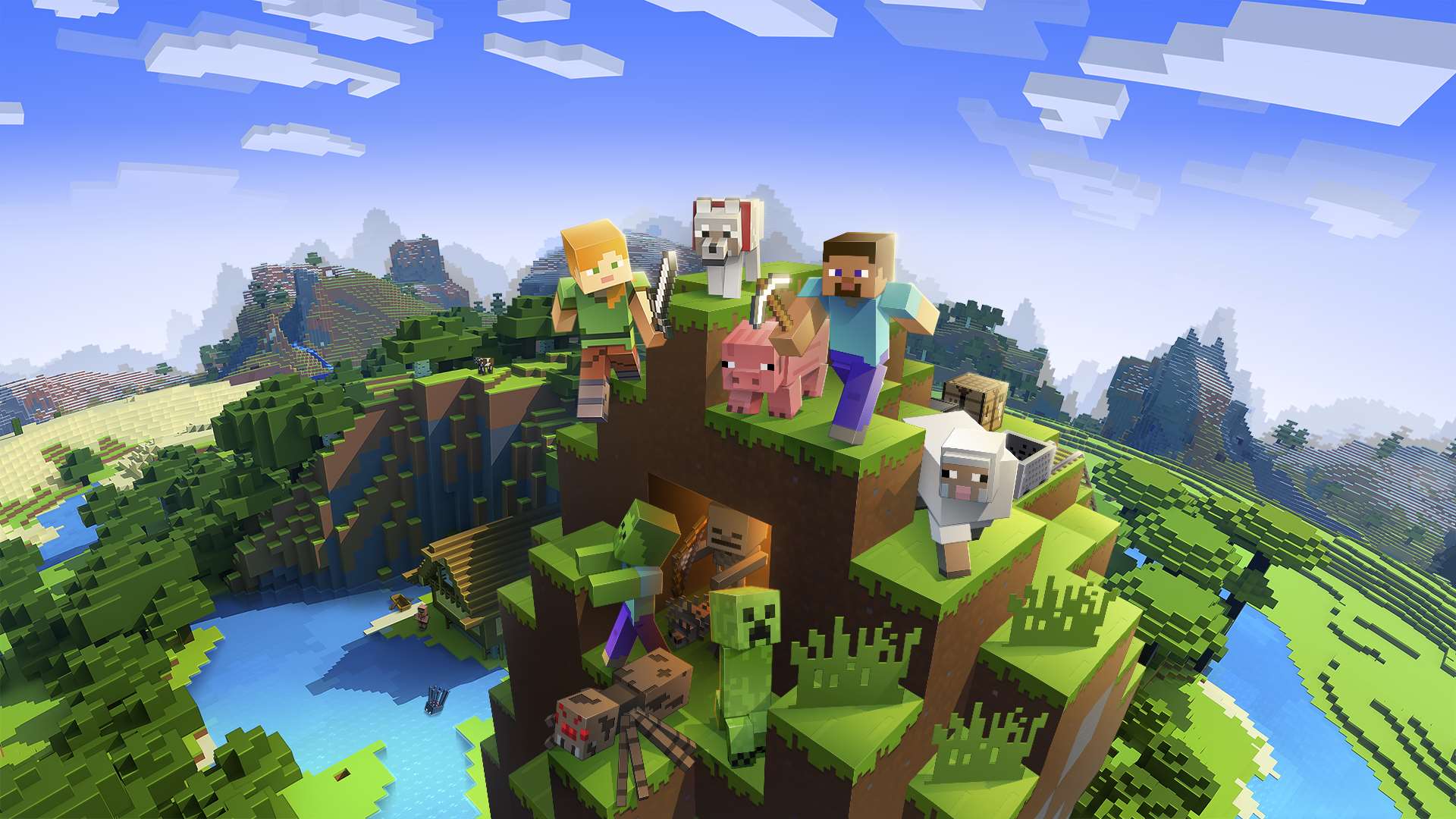
7. Minecraft
The ultimate sandbox, a cultural phenomenon that transcends gaming. It’s less a game and more a digital canvas for endless creativity, appealing to literally every demographic. Microsoft owns it, and its enduring, universal appeal makes it an incredibly safe and lucrative investment, practically a utility at this point. If there’s one game that feels universally "safe" for any major investment, it's this one.
8 / 11
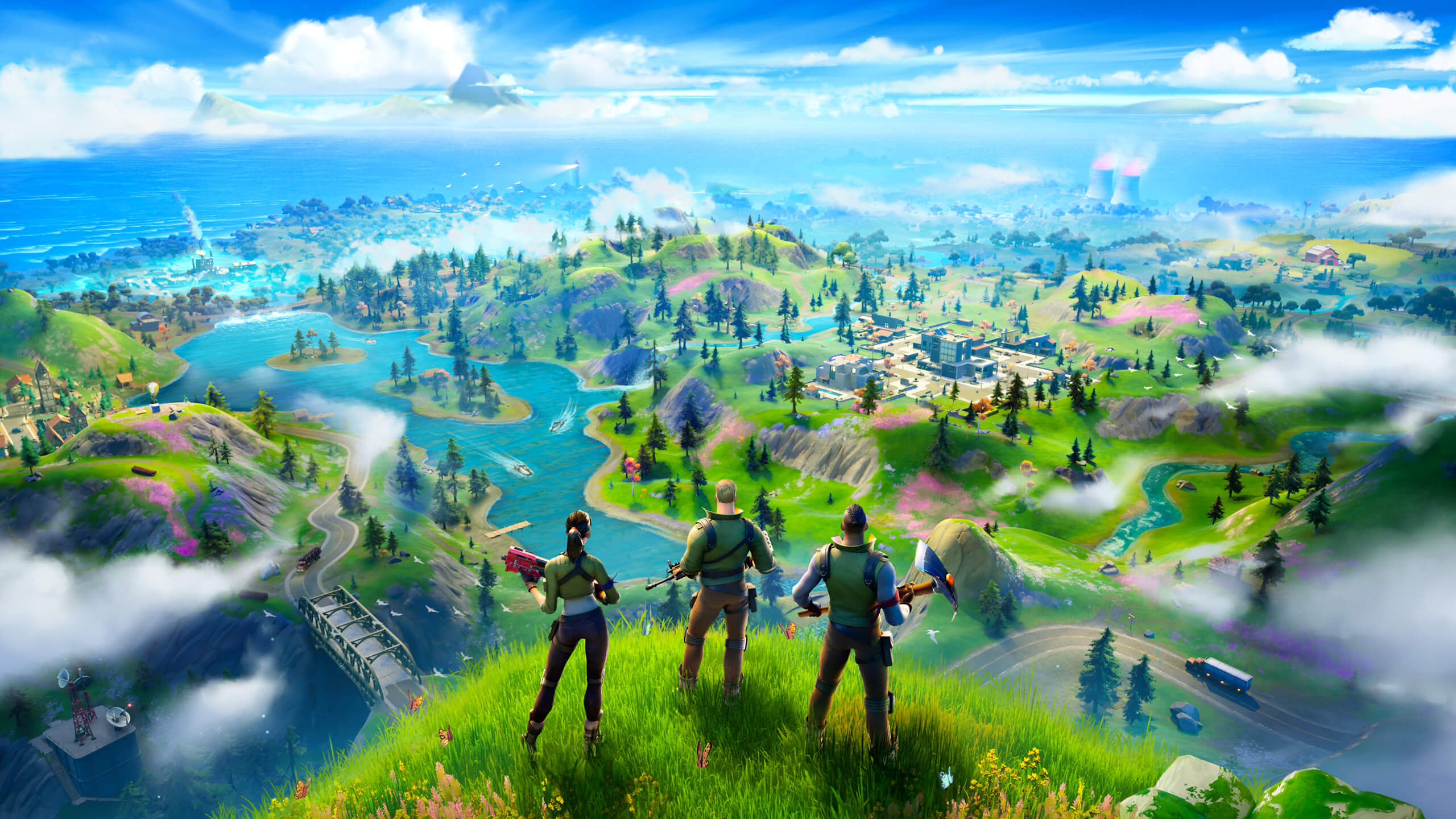
8. Fortnite Battle Royale
Epic Games built an empire on this free-to-play juggernaut, constantly evolving and dominating the cultural zeitgeist. It’s a masterclass in live-service monetization and cross-promotional events, blurring lines between game and social platform. Its massive, engaged audience and constant revenue stream make it an obvious target for any major investment entity looking for an immediate, colossal return.
9 / 11
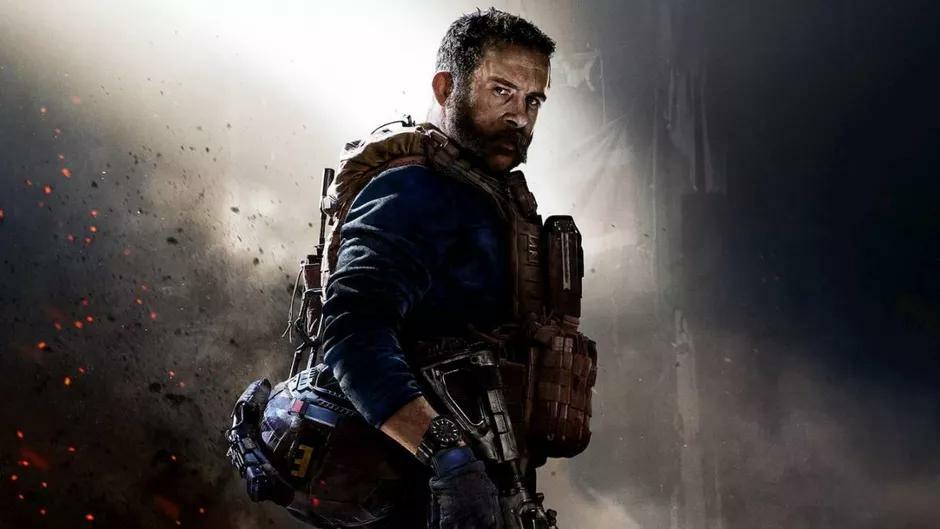
9. Call of Duty: Modern Warfare (2019)
This reboot brought CoD back to its gritty, realistic roots, a welcome change for many after years of futuristic fatigue. It’s a sales behemoth, consistently topping charts and dominating the multiplayer FPS space. Activision Blizzard's controversies aside, the *Call of Duty* brand remains an absolute titan. Its consistent commercial success makes it an undeniable, attractive acquisition target for its sheer market penetration.
10 / 11
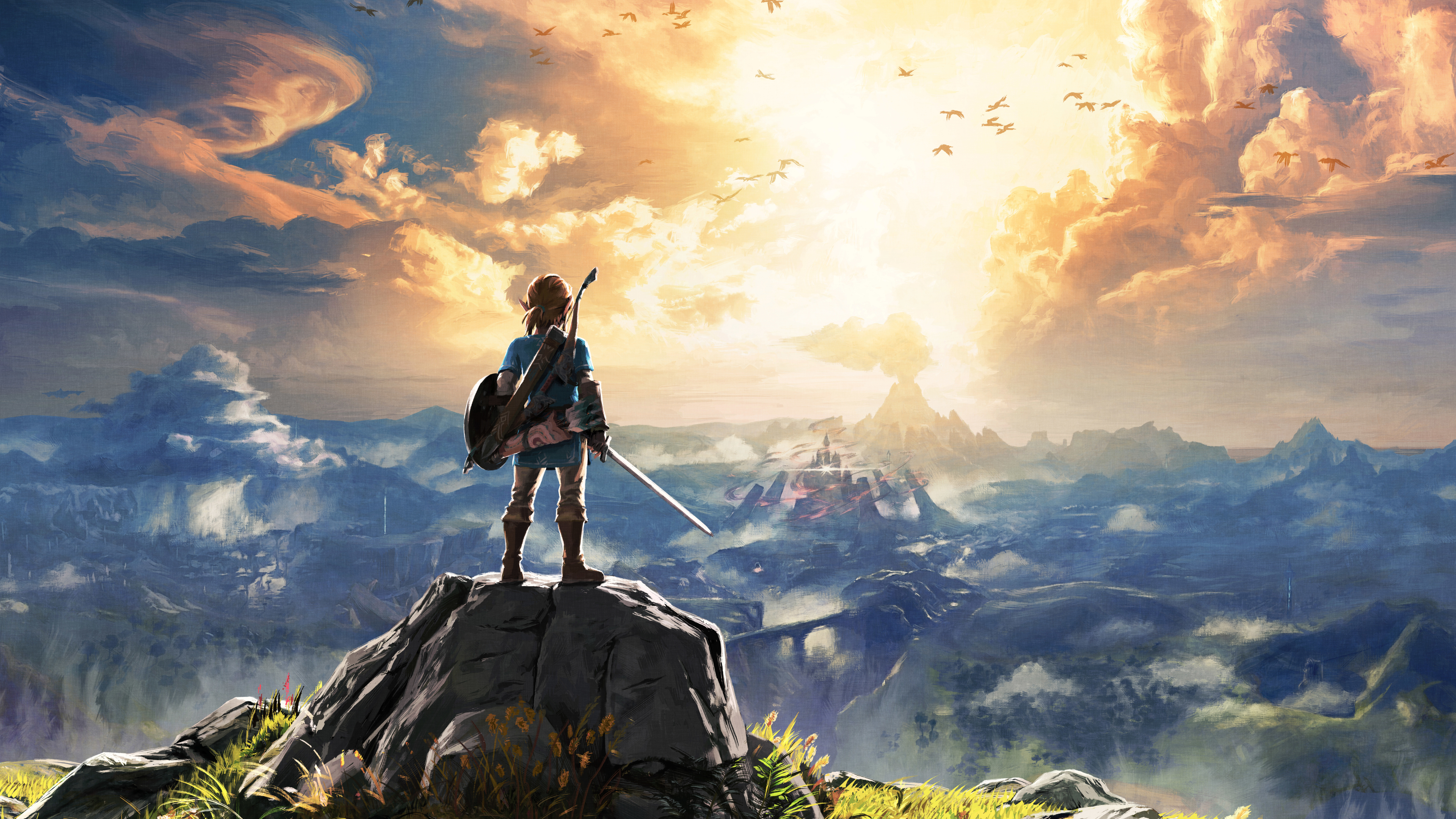
10. The Legend of Zelda: Breath of the Wild
Nintendo reinvented their most iconic franchise, delivering an open-world masterpiece that truly encourages exploration and experimentation. It’s a critically acclaimed, system-selling phenomenon that proved innovation doesn't always need to come with a gritty, "mature" rating. Its unique charm and universal appeal make it a highly desirable, if unlikely, candidate for external investment, given Nintendo's tight control.
11 / 11
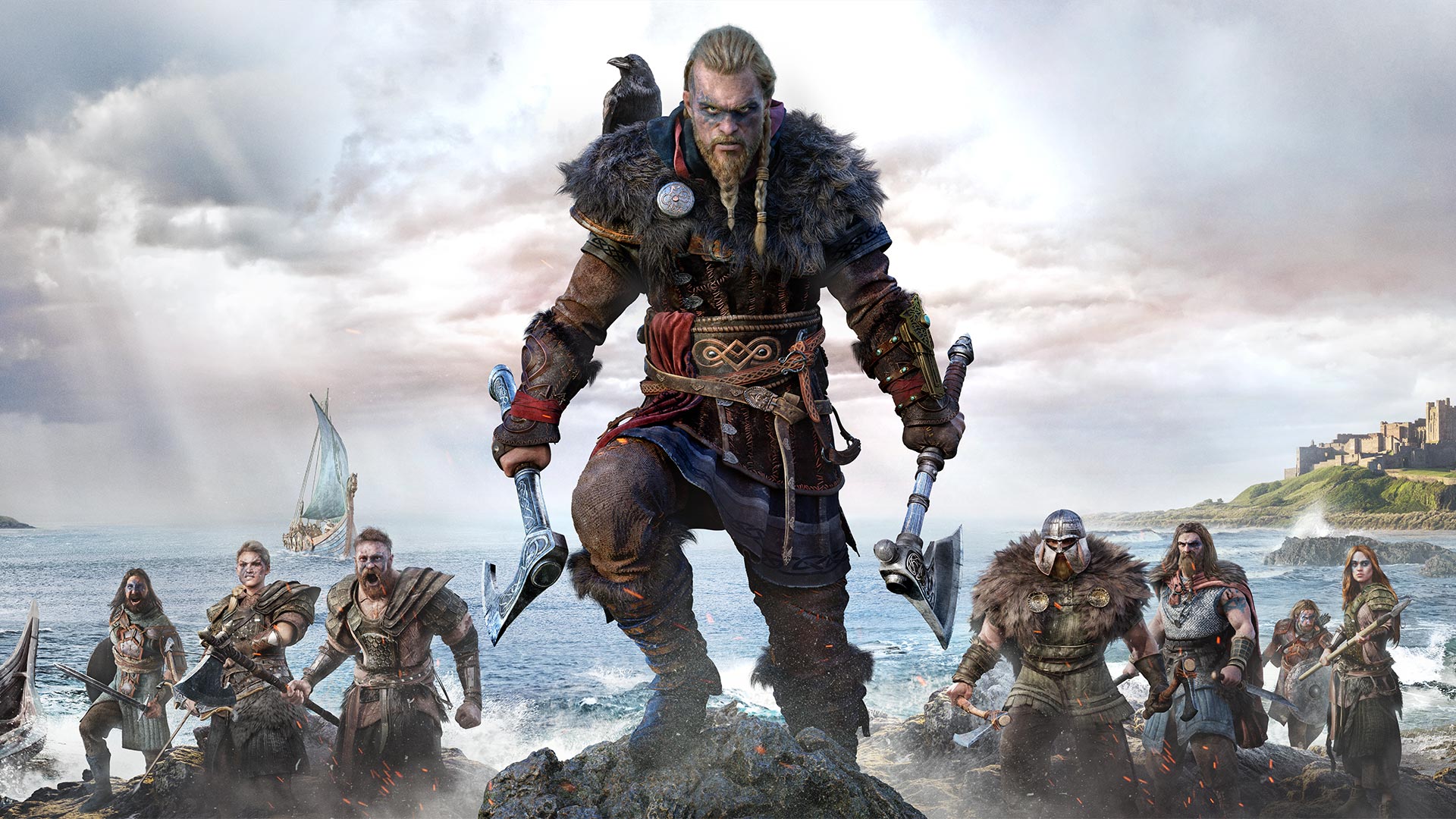
11. Assassin's Creed Valhalla
Ubisoft’s continued iteration on the open-world formula, offering a sprawling Viking saga with plenty to do, if sometimes repetitive. It's another example of a huge, established franchise that consistently sells well, despite feeling a bit bloated at times. These games are reliable earners, the kind of steady, predictable intellectual property that big money loves to acquire and then milk for all it's worth.