


1. Okami
Released in 2006, this adventure title showcased true artistic vision, blurring the lines between game and painting. Its Celestial Brush mechanic offered an innovative, tactile way to interact with the world, making every stroke meaningful. While not a commercial giant, its unique aesthetic and heartfelt narrative cemented its place as a revered classic, proving that exceptional design can outweigh marketing budgets.
2. Psychonauts
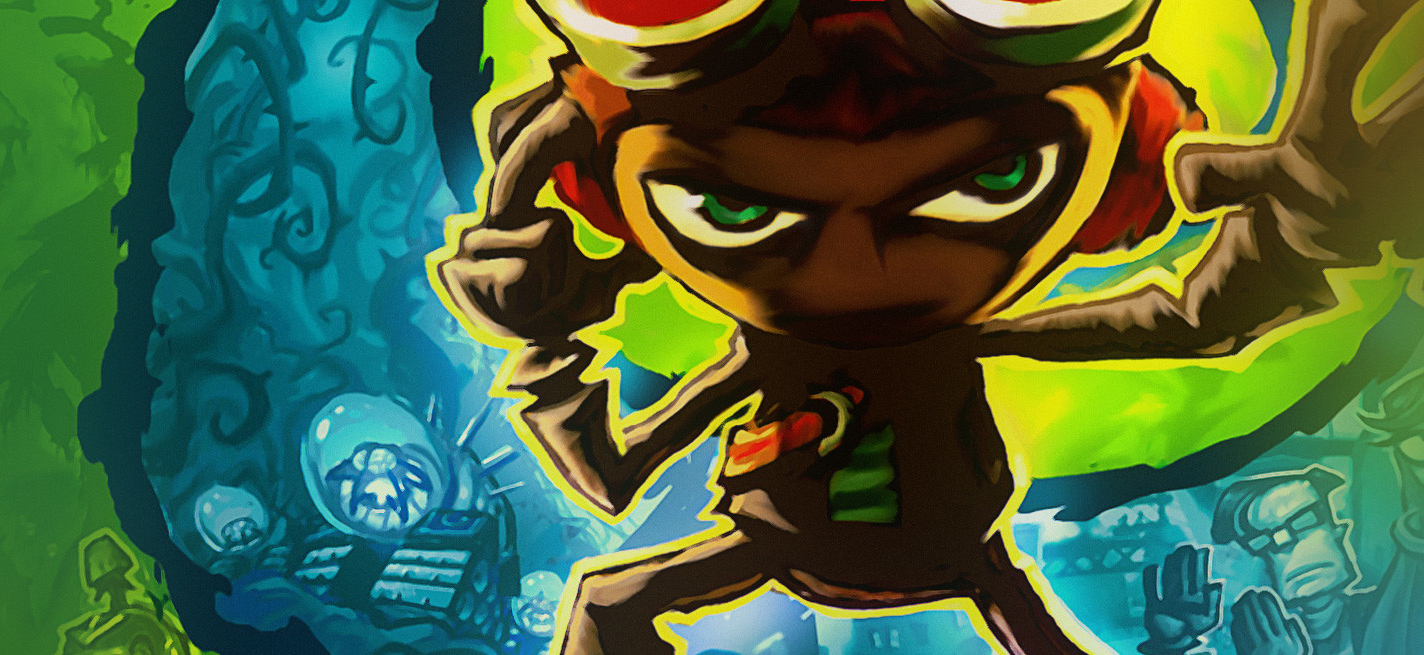
Tim Schafer’s 2005 brainchild invited players into the wonderfully bizarre minds of others. Its platforming might have been standard, but the sheer creativity of each psychological landscape and the sharp, witty dialogue made it stand out. A testament to Double Fine’s unique storytelling, it built a loyal following that celebrated its inventiveness, even if mainstream success eluded its initial run.
3. Vampire: The Masquerade - Bloodlines
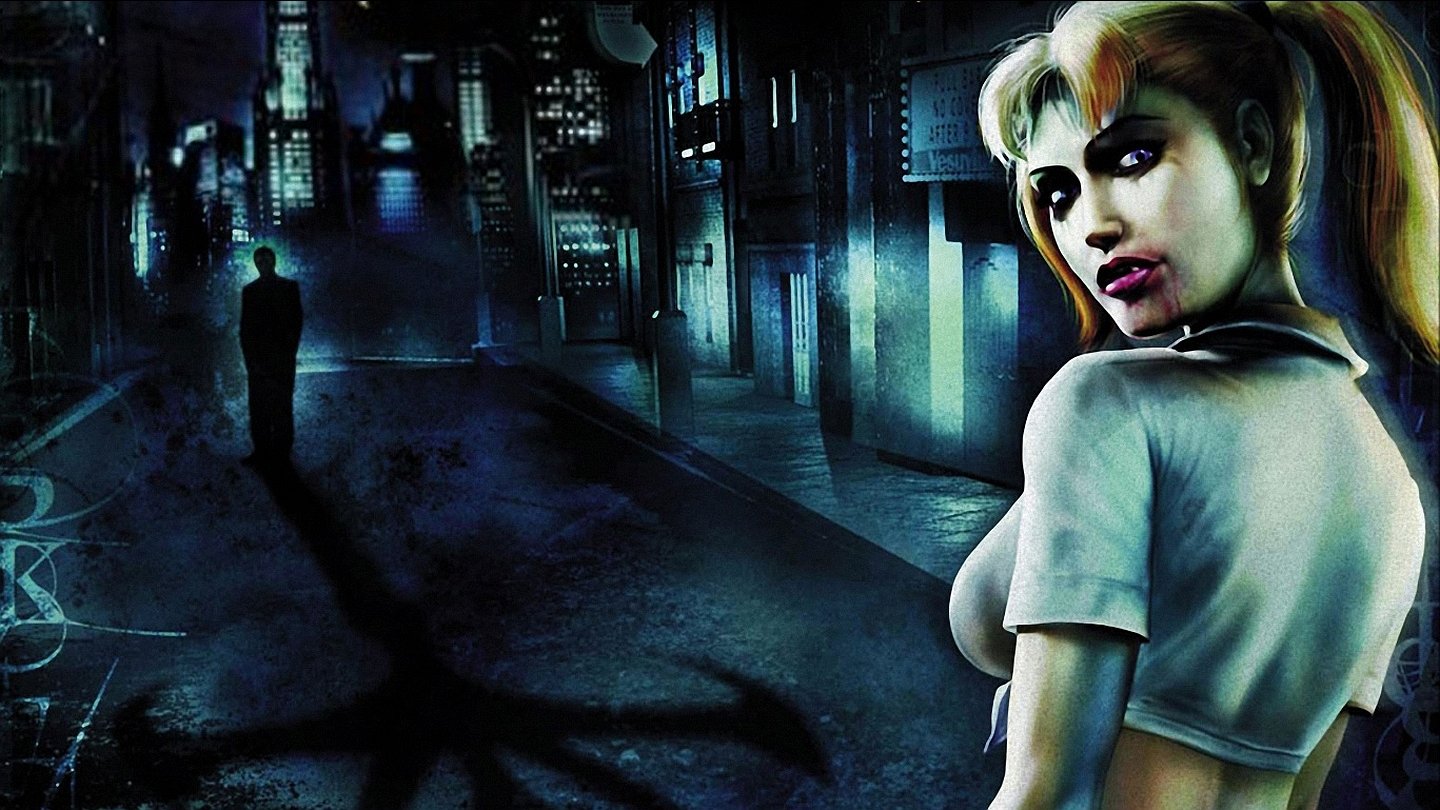
Launching in 2004, this RPG arrived famously unfinished, yet its ambition shone through. The rich, dark world of World of Darkness, coupled with unparalleled player choice and branching narratives, created an experience unlike any other. It became a legend, painstakingly patched by its community, showcasing how profound writing and atmosphere can transcend technical imperfections.
4. Ikaruga
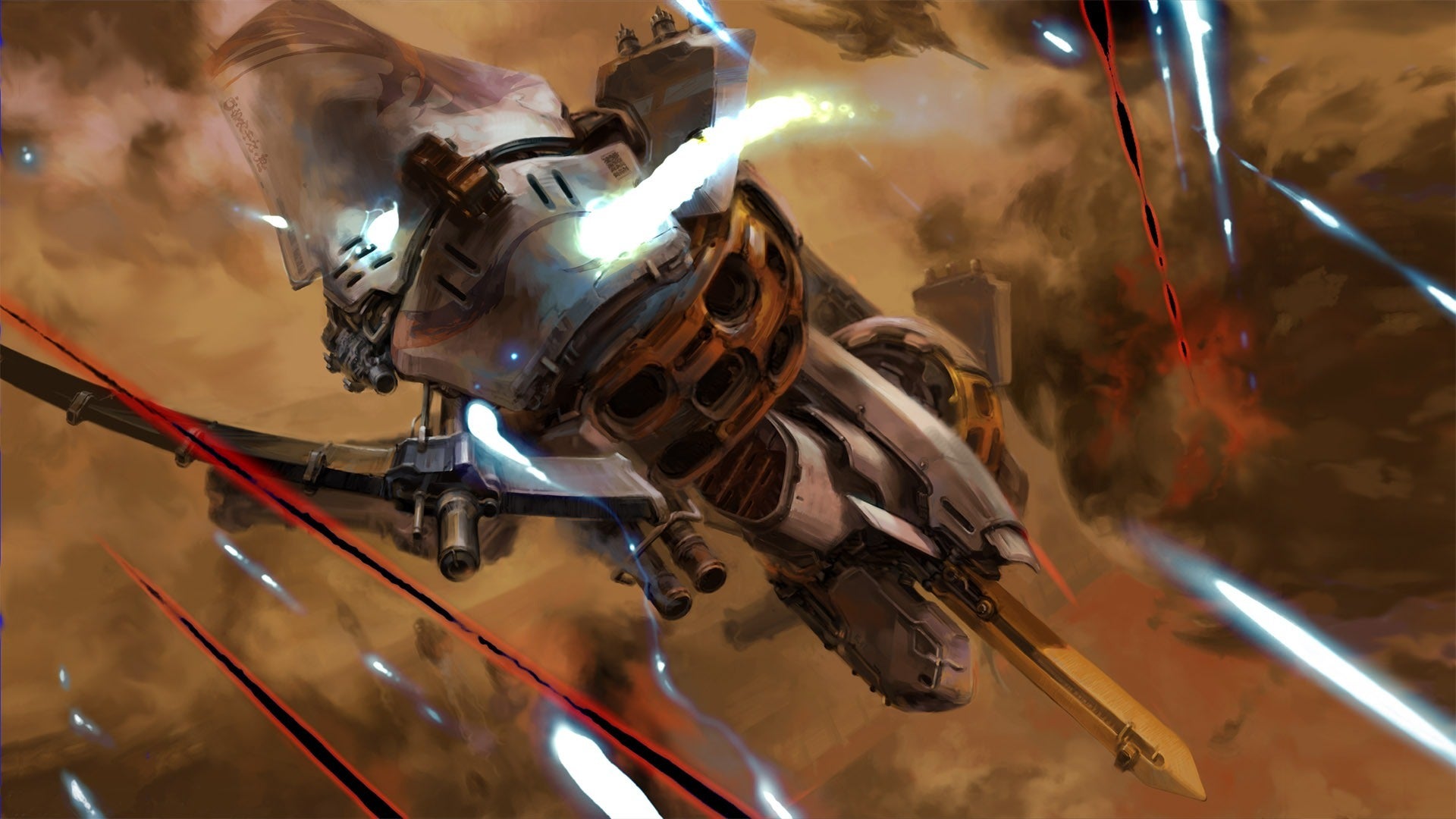
From 2001, this shoot 'em up is a masterclass in precision and pattern recognition. Its core polarity-switching mechanic forces players into a rhythmic dance with bullet hell, demanding absolute focus and strategic thinking. It’s a game that doesn't just ask for skill, it demands it, cementing its status as a benchmark for the genre and a brutal, beautiful test of reflexes.

5. Alpha Centauri
Sid Meier's 1999 spiritual successor to Civilization explored complex philosophical themes within a deep 4X strategy framework. Players colonized a new planet, guiding factions with distinct ideologies. Its narrative depth, robust customization, and intricate strategic layers offered a cerebral challenge that few games then, or now, could match, appealing to those seeking more than just conquest.
6. Singularity
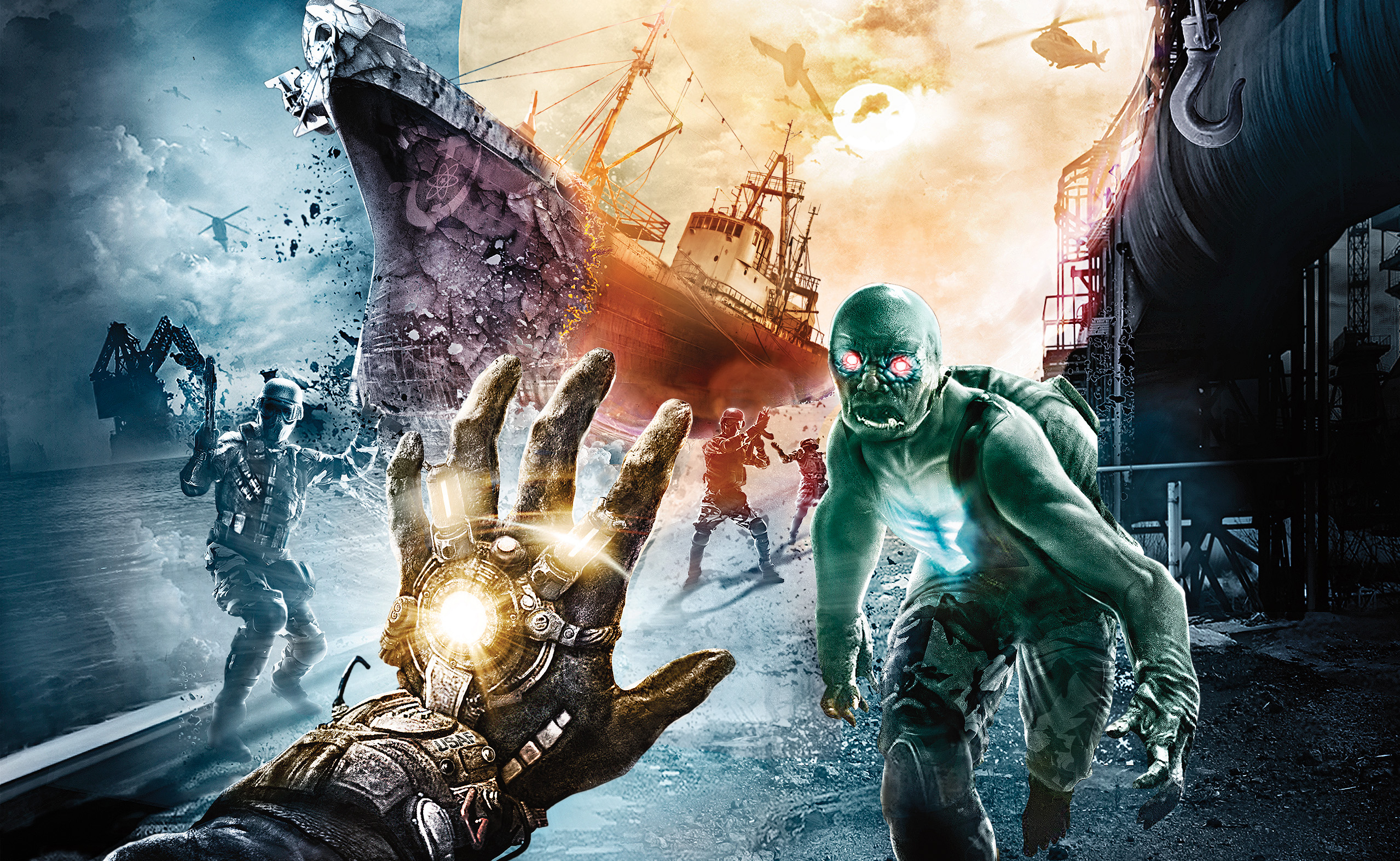
This 2010 first-person shooter from Raven Software offered a compelling blend of Soviet-era horror and unique time-manipulation powers. Despite solid gunplay and an intriguing premise that allowed players to age or de-age objects and enemies, it flew under the radar. It remains a quality example of an FPS that dared to innovate beyond conventional mechanics, earning its quiet admiration.
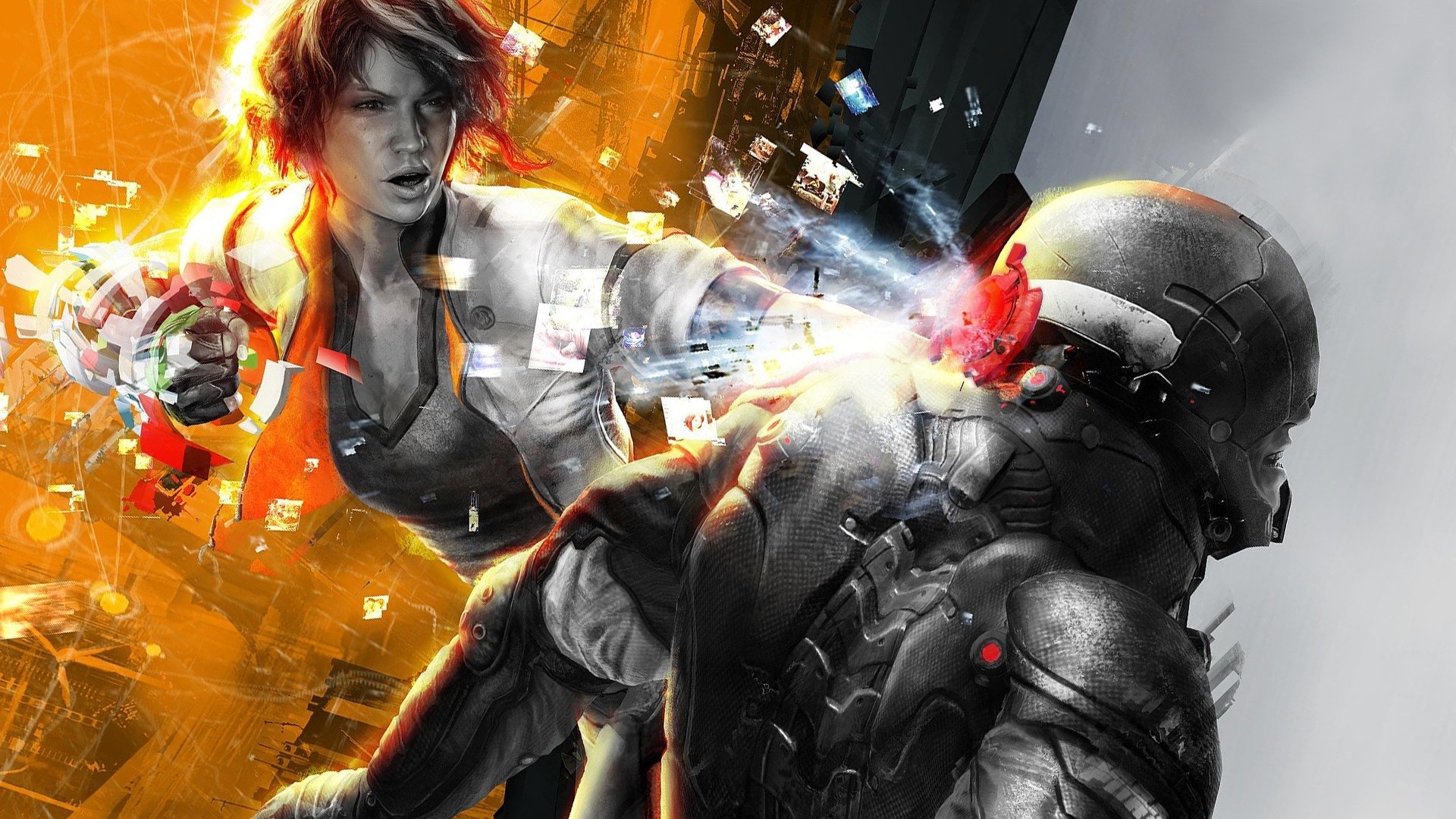
7. Remember Me
Don't Nod's 2013 debut was a visually stunning cyberpunk adventure set in Neo-Paris, introducing a unique "memory remixing" mechanic. While its combat was perhaps less polished, the game’s strong narrative, evocative art direction, and innovative puzzles surrounding altered memories provided a distinct experience. It proved that fresh ideas and bold aesthetics could carve out a memorable niche.
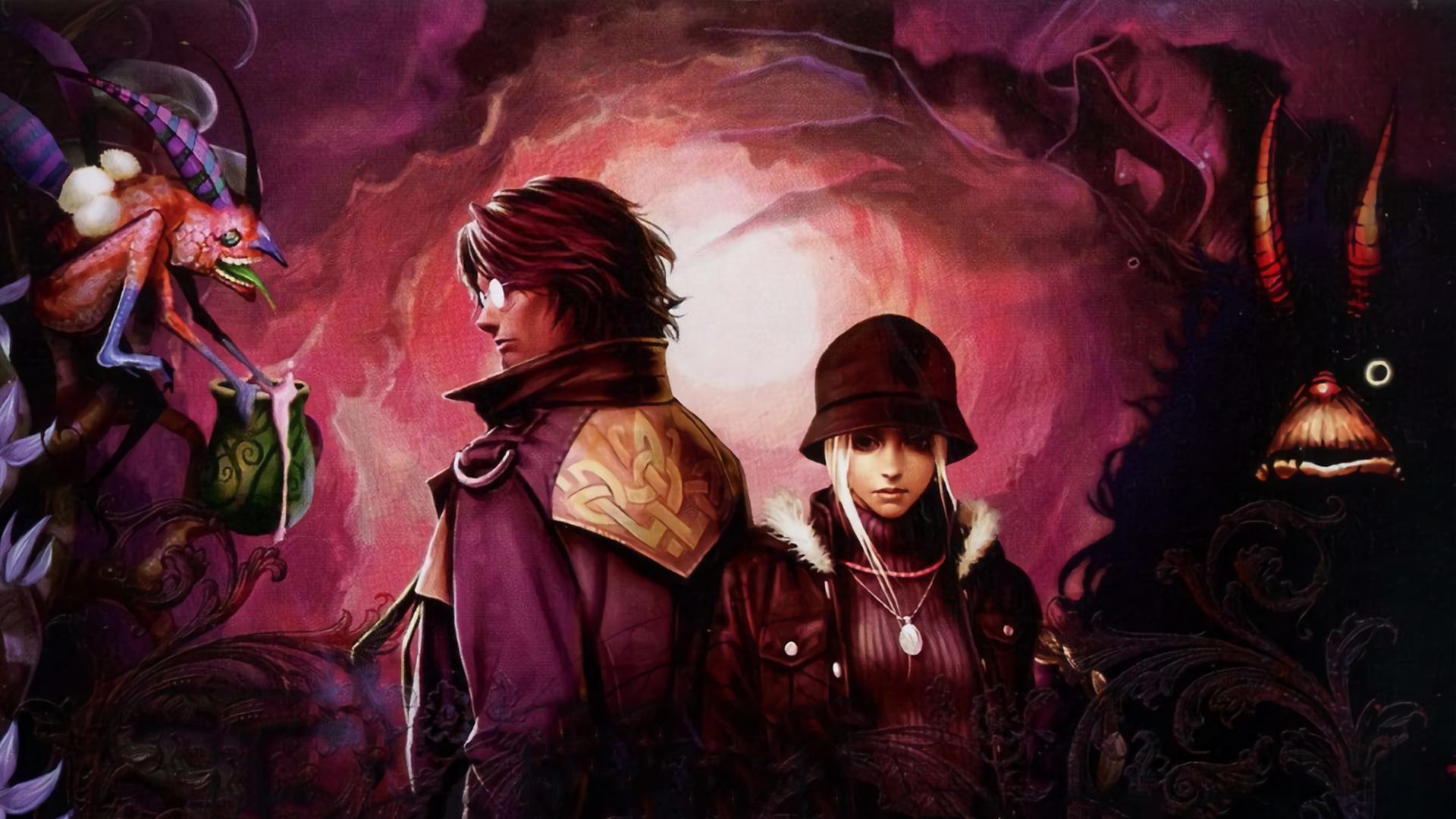
8. Folklore
Released in 2007 for the PlayStation 3, this action RPG immersed players in a dark, Celtic-inspired fantasy world. Its distinctive mechanic involved literally devouring the souls of defeated "Folks" to gain their abilities, offering a unique combat loop. While perhaps not a commercial juggernaut, its atmospheric storytelling and unique creature design left a lasting impression on those who ventured into its realm.