


1. Cross Road Blues
Robert Johnson, man, he didn't just sing the blues; he bled 'em. This track, recorded in '36, is more than a song; it's a damn primal scream from the Delta. You hear the myth, the grit, the sheer, unvarnished power in every bent note and raw vocal. It's the bedrock, a foundational tremor that shook everything that came after, from rock 'n' roll to metal. Raw, real, and still unsettling today.
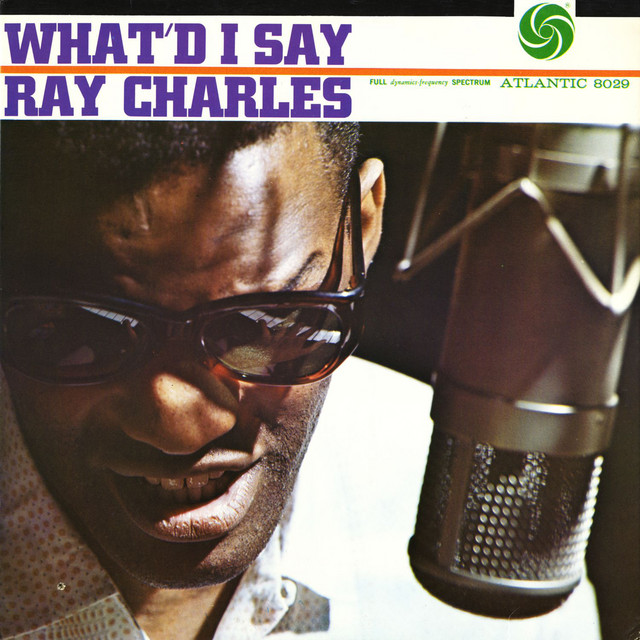
2. What'd I Say
Ray Charles, 'The Genius,' dropping this in '59 changed the game. It’s gospel fervor colliding head-on with rhythm & blues, a call-and-response rave-up that sounds like a revival meeting and a juke joint rolled into one. The sheer joy, the improvised vocal shouts, the electric piano riff – it’s a masterclass in controlled chaos. This wasn't just crossover; it was an explosion, busting down the doors for soul music.

3. My Favorite Things
Coltrane took a Rodgers and Hammerstein show tune and blew it into the stratosphere in '61. Forget the movie; this is modal jazz exploration, spiritual and deeply hypnotic. That soprano sax, weaving in and out of the shifting harmonies, it’s like a sonic prayer. He wasn't just playing notes; he was seeking transcendence, pushing the boundaries of what jazz, or any music, could be. Still mind-bending after all these years.

4. Whole Lotta Love
Zeppelin, 1969. This isn't just a riff; it's a goddamn tectonic plate shifting. Page's guitar sound, that monstrous, swaggering blues-rock foundation, then that psychedelic breakdown in the middle, it's pure studio wizardry. It was heavy, dirty, and dangerous, setting the template for hard rock and a good chunk of what became metal. You felt it in your bones, a primal roar echoing from the speakers.
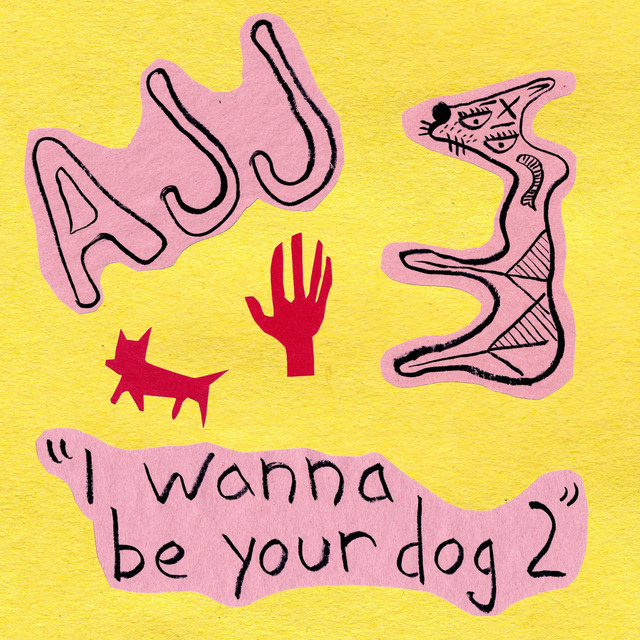
5. Motor Away / I Wanna Be Your Dog 2
While not 'Motor Away', Iggy Pop and The Stooges' 'I Wanna Be Your Dog' from '69 is the sound of a garage band ripping holes in the fabric of polite society. That relentless, pounding piano, the single-chord guitar assault, and Iggy's sneering, primal howl – it's pure, unadulterated aggression. This was a blueprint for punk, a blunt instrument of rock 'n' roll nihilism that cleared the decks for a new kind of rebellion.
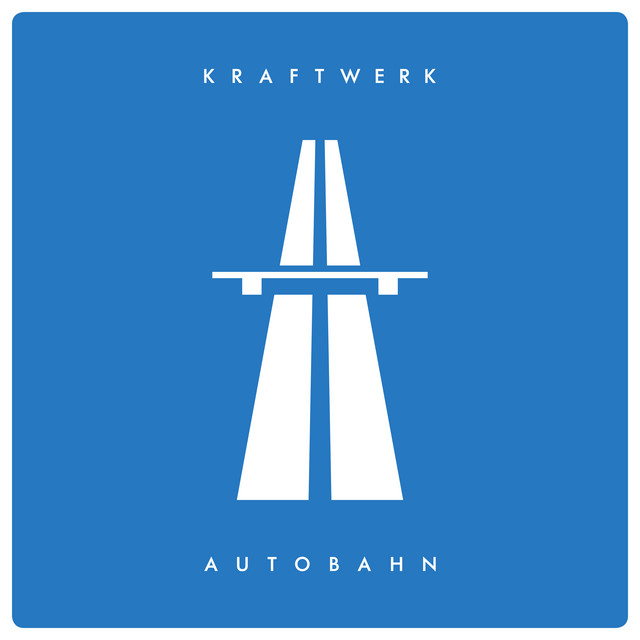
6. Autobahn (2009 Remaster)
Kraftwerk, '74. This wasn't just electronic music; it was the sound of the future arriving, humming along the German highways. The motorik beat, those pristine synth melodies, the narrative flow – it’s minimalist yet utterly immersive. It painted a sonic landscape, a meditation on technology and movement, proving electronics could be soulful, even beautiful. A cold, stark, yet undeniably human vision.

7. I feel love
Donna Summer and Giorgio Moroder, 1977. This track wasn't just disco; it was a revelation. Moroder's synth bassline, that relentless, pulsating sequencer, laid down the foundation for electronic dance music as we know it. Summer's vocals, soaring over the machine precision, made it utterly hypnotic. It was futuristic, sensual, and undeniably groundbreaking, pushing the boundaries of what pop music could achieve.

8. Anarchy in the U.K. (Acoustic)
Even stripped down, the core message of 'Anarchy in the U.K.' from 1976 is undeniable. While the electric version is the sonic bomb, an acoustic take just lays bare the sheer contempt and nihilism at its heart. Without the bluster and distortion, Rotten's sneer cuts even deeper. It's the sound of a generation fed up, a stark, uncomfortable truth delivered with unsettling clarity. Still spits venom.
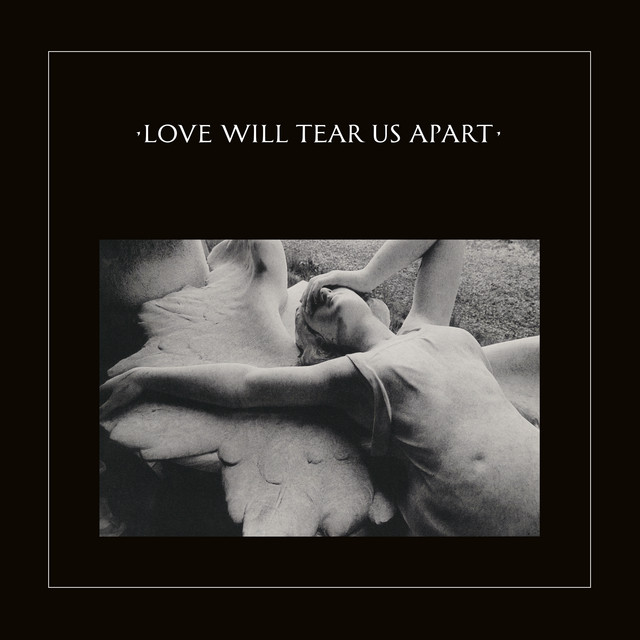
9. Love Will Tear Us Apart
Joy Division, 1980. This is post-punk's melancholic anthem, a stark, beautiful confession. Ian Curtis's baritone, that driving bassline, the jangling guitar, and the insistent drums – it's all perfectly balanced. It's bleak, yet incredibly moving, capturing the despair and introspection of a generation. A profound, haunting piece of work that defines the era and still resonates with brutal honesty.

10. Blue Monday
New Order, 1983. This track was a complete game-changer, fusing post-punk angst with pure dancefloor propulsion. That iconic drum machine beat, the thumping synth bass, the icy coolness – it redefined what a band could be. They took the ashes of Joy Division and built something entirely new, paving the way for alternative dance and electronic rock. Still sounds utterly vital, still fills floors.