

1 / 12
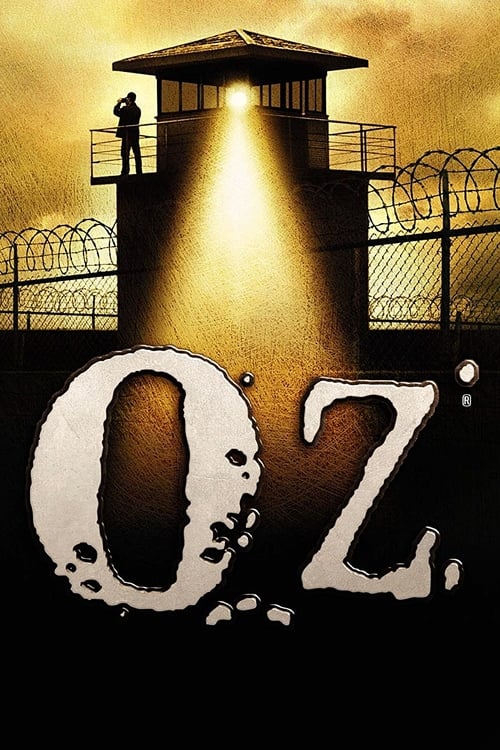
1. Oz
Before Tony Soprano, there was Emerald City, and it was a revelation. *Oz* wasn't just a prison drama; it was a visceral, unflinching look at power, survival, and morality, completely shattering network TV's polite boundaries. HBO proved it wasn't messing around, delivering serialized storytelling with an ensemble cast where no one was safe. It was gritty, raw, and fundamentally changed what cable drama could be, setting the stage for everything that followed.
2 / 12
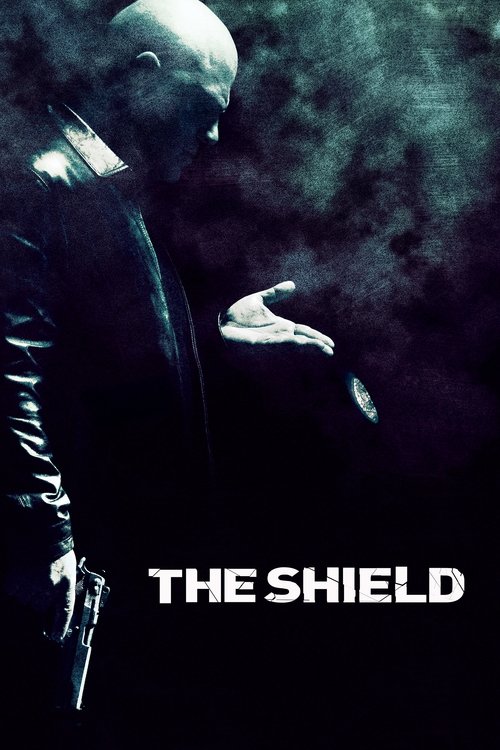
2. The Shield
FX threw its hat in the ring with *The Shield*, and it hit hard. Vic Mackey wasn't just an anti-hero; he was a walking ethical dilemma, blurring the lines of justice so effectively you questioned everything. This show grabbed you by the throat, demonstrating that cable wasn't just HBO's playground. Its brutal, serialized narrative and complex character work showed what network television wouldn't dare touch, cementing a new kind of dramatic realism.
3 / 12

3. Six Feet Under
Only HBO would greenlight a show about a family running a funeral home, and *Six Feet Under* delivered. It confronted mortality head-on, not with gore, but with profound, often darkly funny, humanity. The Fisher family's dysfunctional lives, intertwined with the weekly ritual of death, offered a serialized, deeply emotional experience. It was intimate, artistic, and showcased how character-driven drama could explore the biggest questions with quiet brilliance.
4 / 12
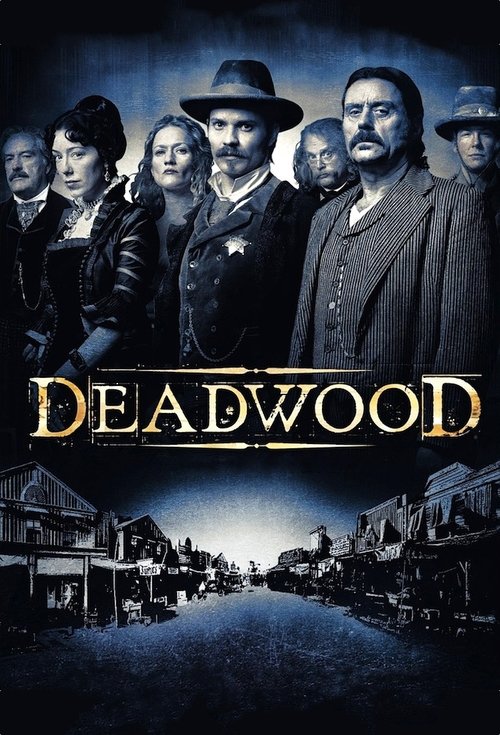
4. Deadwood
*Deadwood* was like nothing else on TV, a foul-mouthed Shakespearean western that felt utterly authentic. David Milch's dialogue, a poetic blend of period speech and modern profanity, created a world so rich and lived-in, it was intoxicating. This wasn't just a historical drama; it was a masterclass in ensemble storytelling and cinematic ambition, proving that TV could be as artful and complex as any feature film, pushing the boundaries of language and narrative.
5 / 12
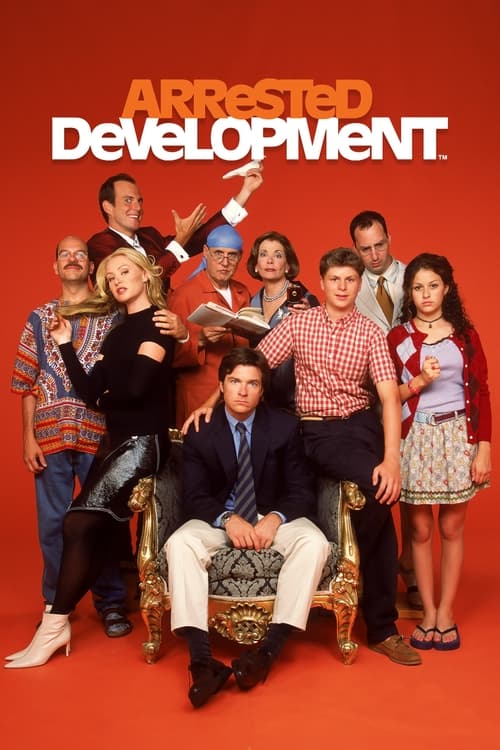
5. Arrested Development
Before streaming gave it a second life, *Arrested Development* was a cult classic ahead of its time. This mockumentary sitcom was a whirlwind of callbacks, running gags, and meta-humor, requiring active viewing to catch every brilliant layer. Its rapid-fire wit and unique narrative structure were too much for network TV audiences then, but it laid groundwork for sophisticated comedy and proved that smart, unconventional humor could build a fiercely loyal fanbase.
6 / 12
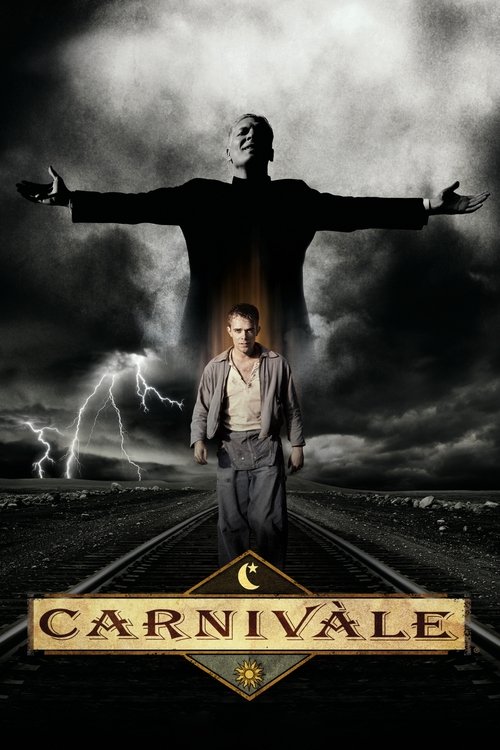
6. Carnivàle
*Carnivàle* was HBO's swing for the fences, a sprawling, visually stunning epic steeped in dust bowl mysticism. It was dense, dark, and demanding, building an intricate mythology around a traveling carnival during the Great Depression. While its narrative was famously opaque for some, its sheer ambition, cinematic scope, and commitment to a serialized, mysterious world proved that premium cable wasn't afraid to invest heavily in truly unique, challenging storytelling.
7 / 12
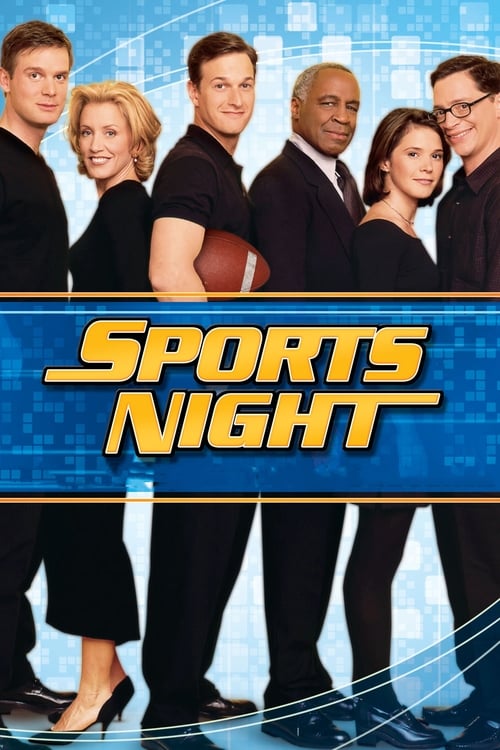
7. Sports Night
Before *The West Wing*, Aaron Sorkin brought his signature rapid-fire dialogue and walk-and-talks to *Sports Night*. It was a network show, but it transcended the sitcom format, blending sharp humor with genuine dramatic stakes behind the scenes of a sports news show. It was smart, character-driven, and a clear precursor to the era of intelligent, serialized dramedy, proving that even broadcast TV could deliver sophisticated, emotionally resonant narratives.
8 / 12
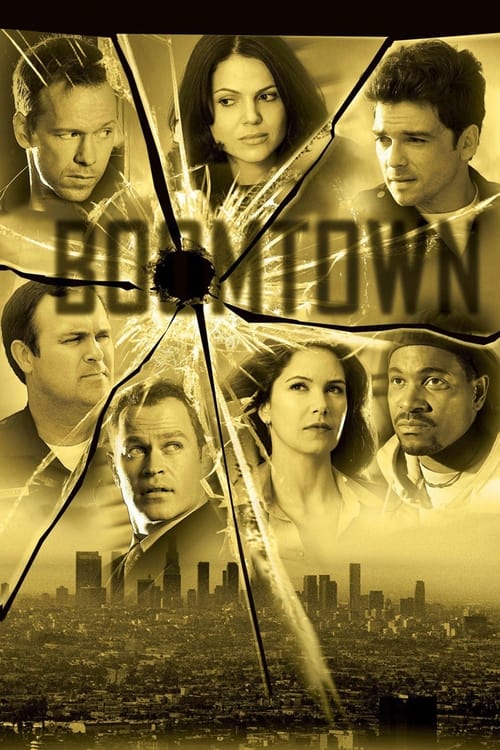
8. Boomtown
*Boomtown* was an ambitious network procedural that dared to be different. Each episode tackled a crime from multiple, shifting perspectives – victims, cops, criminals – presenting a complex, non-linear mosaic. It was a critical darling for its innovative structure and sharp writing, a real cinematic achievement for broadcast TV. Though short-lived, it pushed the boundaries of traditional crime drama, showing how far narrative experimentation could go even on a major network.
9 / 12
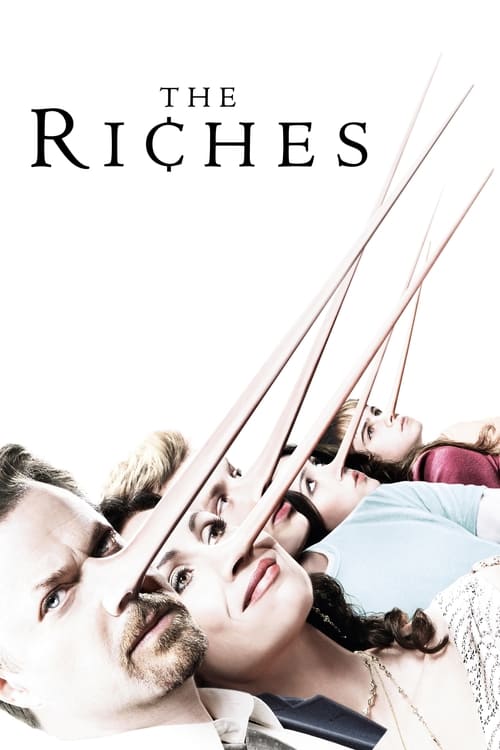
9. The Riches
*The Riches* found FX again betting on unique, character-driven drama. It followed a family of Irish Travelers who steal the identity of a wealthy suburban couple, exploring themes of class, identity, and the American dream with a dark, often comedic, edge. It was a fascinating, morally ambiguous ride led by strong performances, demonstrating cable's willingness to invest in quirky, serialized stories that wouldn't fit neatly into traditional network slots.
10 / 12

10. Dead Like Me
Showtime stepped into the original programming arena with *Dead Like Me*, a dark, quirky comedy about a grim reaper who collects souls. It blended existential angst with sharp wit and a healthy dose of cynicism, creating a unique tone. This show, with its offbeat premise and ensemble cast navigating the afterlife's bureaucratic absurdity, proved that Showtime could offer a distinctive, serialized voice, drawing in a dedicated cult following.
11 / 12
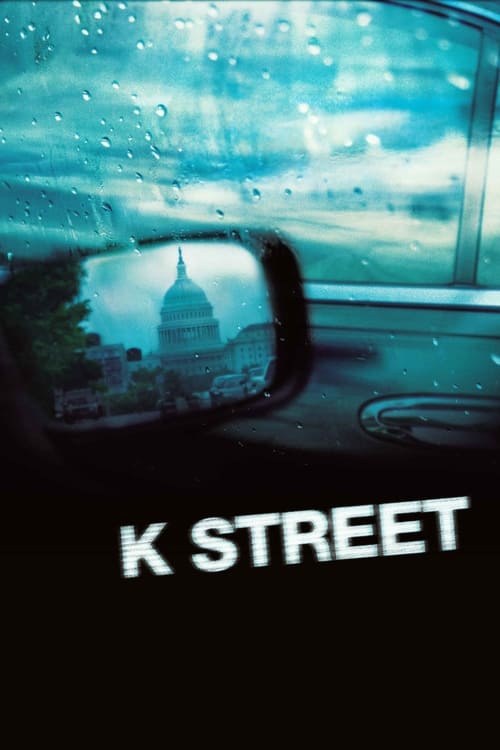
11. K Street
*K Street* was a bold, experimental move by HBO and Steven Soderbergh. Blurring the lines between fiction and reality, it featured real political figures playing fictionalized versions of themselves, often improvising scenes based on current events. Shot and aired almost in real-time, it was an early, fascinating attempt at hybrid storytelling and political satire, showing how cable could innovate with form and content, even if it was a bit too niche for mass appeal.
12 / 12
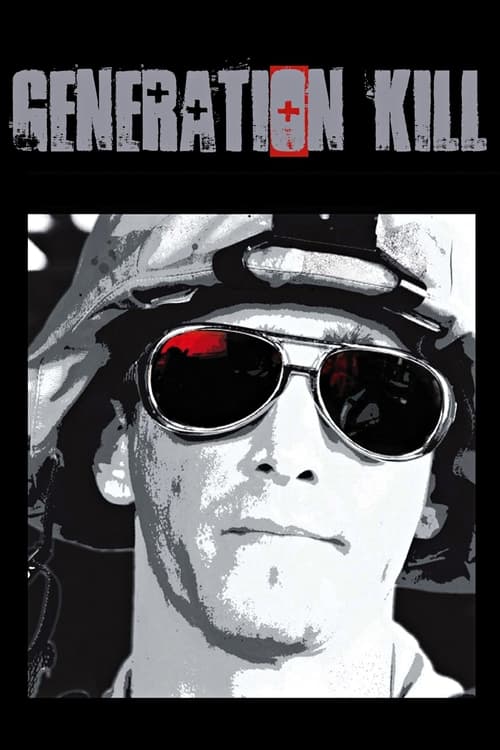
12. Generation Kill
From the creators of *The Wire*, *Generation Kill* was an unflinching, miniseries portrayal of the 2003 invasion of Iraq through the eyes of a Marine reconnaissance unit. It was less about heroics and more about the mundane, chaotic, and often absurd realities of modern warfare, based on Evan Wright's embedded reporting. Its cinematic scope, raw authenticity, and serialized structure epitomized HBO's commitment to prestige, impactful storytelling.