
1 / 7
1. Twin Peaks
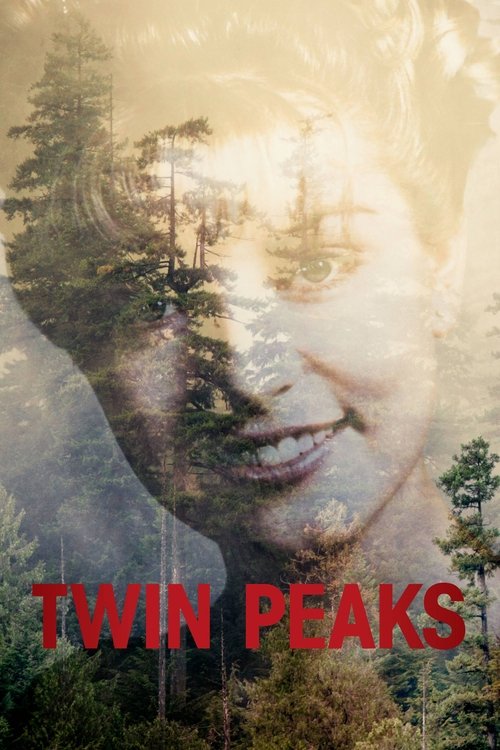
Before binge-watching was even a glint in a streaming executive's eye, *Twin Peaks* dropped onto network TV like a dream. Lynch and Frost crafted a serialized mystery that demanded attention, week after week. Its surreal tone, iconic characters, and lingering questions proved that television could be art, not just episodic filler. It wasn't just a show; it was an event, a water cooler phenomenon that showed how deep and weird a story could get when you stretched it across a season, blurring the lines between film and the small screen.
2 / 7
2. Northern Exposure
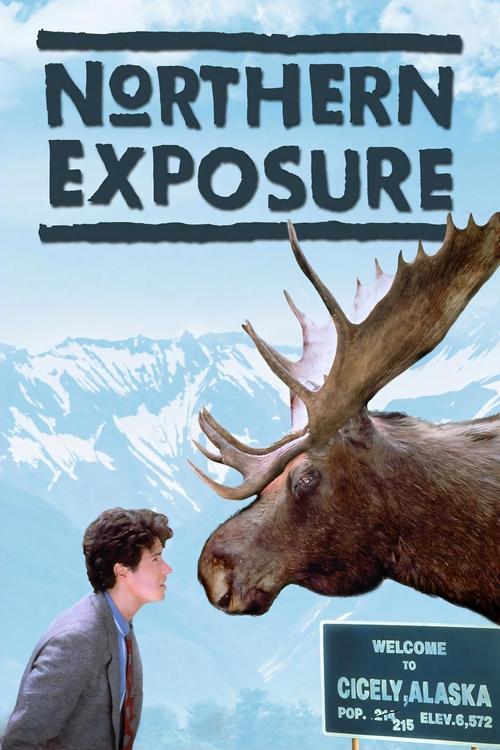
Right alongside *Twin Peaks*, *Northern Exposure* showed how ensemble-driven serials could thrive. This wasn't about a single overarching mystery, but a tapestry of quirky characters in a remote Alaskan town, whose interconnected lives unfolded with charm and intellect. Its episodic nature often masked the deep, continuous character development and thematic serialization. It was a comfortable, smart hang, demonstrating that long-form storytelling could be about atmosphere and relationships just as much as plot twists.
3 / 7
3. EZ Streets
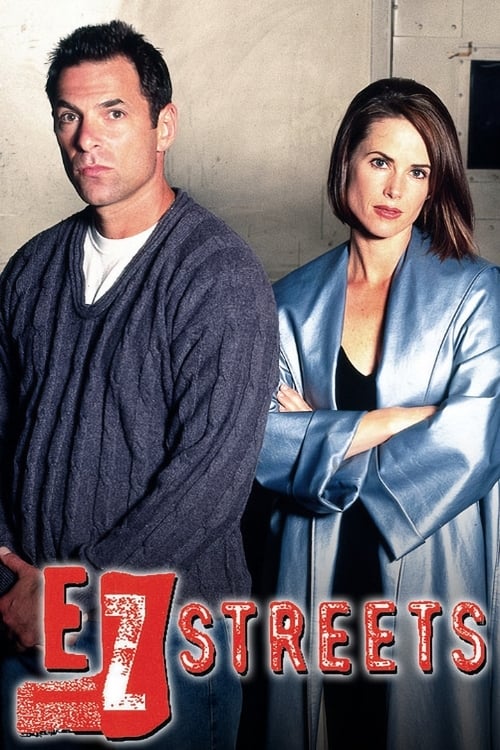
Ahead of its time, *EZ Streets* was a moody, intricate crime drama that set the bar for serialized complexity. This CBS show was too smart, too dark, and too serialized for network television in '96, leaving audiences struggling to keep up. But for those who stuck with it, it was a masterclass in gritty, character-driven storytelling, showcasing how a show could build a world and narrative arc over an entire season, a precursor to the prestige dramas that would dominate cable later.
4 / 7
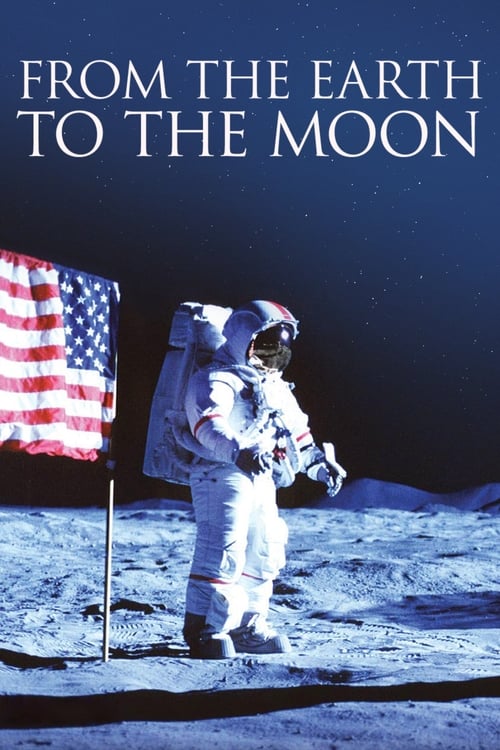
4. From the Earth to the Moon
HBO's *From the Earth to the Moon* wasn't just a miniseries; it was a statement. Tom Hanks’ epic production proved cable could swing for the fences, delivering cinematic scope and historical depth that broadcast networks wouldn't touch. Each episode felt like a standalone film, yet contributed to a grand, serialized narrative, chronicling the space race. This was premium cable showing its muscle, setting the stage for an era where quality, serialized storytelling became HBO's hallmark.
5 / 7
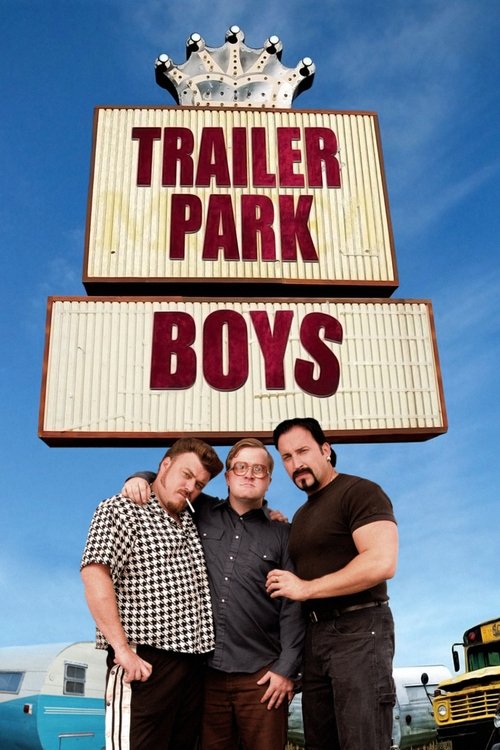
5. Trailer Park Boys
Before mockumentaries were everywhere, the *Trailer Park Boys* were perfecting the art of serialized, low-budget chaos. This Canadian import, later a Netflix staple, tracked the ongoing, ill-fated schemes of Ricky, Julian, and Bubbles with a raw, unvarnished honesty. Their lives were a continuous, hilarious mess, pushing the boundaries of what a comedy could be. It cemented the idea that you could tell a long-form story with an ensemble of deeply flawed characters, no matter how unconventional the format.
6 / 7
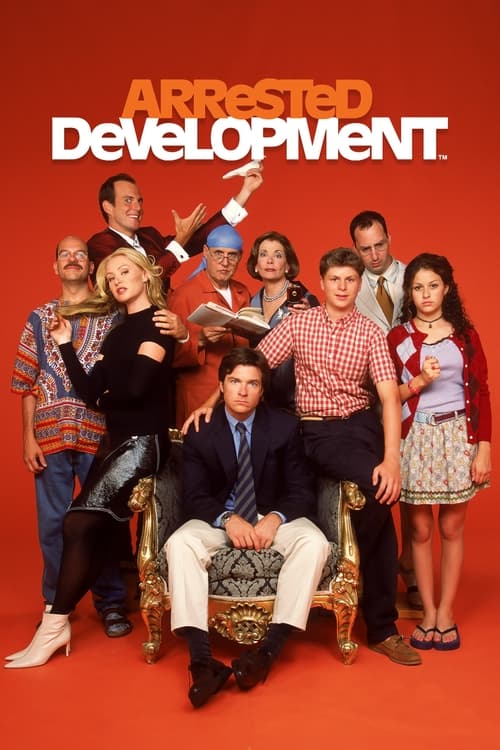
6. Arrested Development
*Arrested Development* was a comedic marvel, a dense, serialized joke machine that practically invented the rewatch. Its rapid-fire gags, intricate callbacks, and mockumentary style meant missing an episode meant missing half the fun. It was a show built for a different viewing model, one where you could pause, rewind, and re-binge, foreshadowing the on-demand era. This ensemble comedy proved that even humor could benefit from highly serialized, long-form storytelling, demanding viewer engagement like few before it.
7 / 7
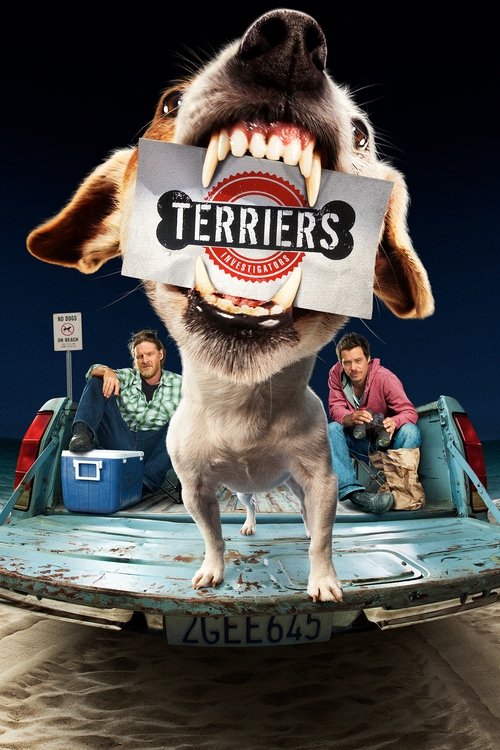
7. Terriers
*Terriers* was the kind of FX show that proved cable was where the character-driven, serialized magic happened. This dramedy about two unlicensed private investigators was a slow burn, building its world and its nuanced protagonists over a single, brilliant season. It was critically acclaimed for its gritty realism and ongoing narrative threads, but its early cancellation highlighted the challenges of serialized storytelling finding its audience before the streaming boom fully hit. A cult classic that deserved more time.