

1 / 8
1. Playhouse 90
Now that was television. Ninety minutes, live, every single week, and they weren't afraid to tackle serious subjects. You saw real acting, real stories unfold right before your eyes. Sometimes it was a bit stiff, sure, but the ambition, the sheer scope of it, was something else entirely. It showed what the small screen could truly accomplish, even in those early, flickering black-and-white days. A true event, every time.
2 / 8
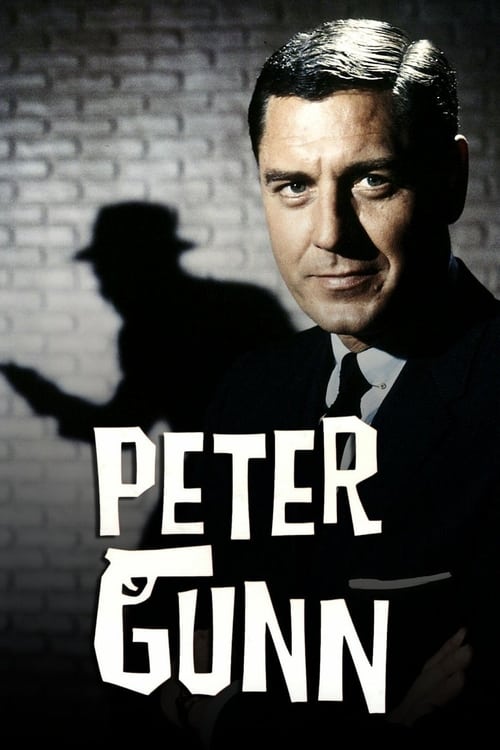
2. Peter Gunn
Oh, this one had style, didn't it? Black and white, of course, but it used the shadows like nobody's business. That Henry Mancini score was as much a character as Peter Gunn himself. He was a cool cat, always in the right place, always with a smart line. It wasn't just another gumshoe show; it was an atmosphere, a mood. And those titles? Ahead of their time. You just knew you were in for something slick.
3 / 8
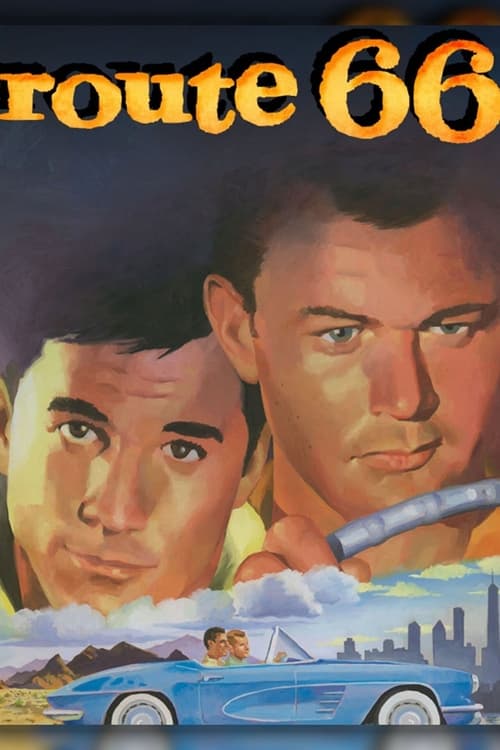
3. Route 66
Two young men, a Corvette, and the open road. That was the magic of it. They went to different towns each week, solving local problems, meeting interesting folks. It felt real, you know, not just shot on some backlot. You got a sense of the country, of different lives. And the acting, especially from George Maharis, was always top-notch. It was an adventure, but with a heart, telling little slice-of-life stories across America.
4 / 8
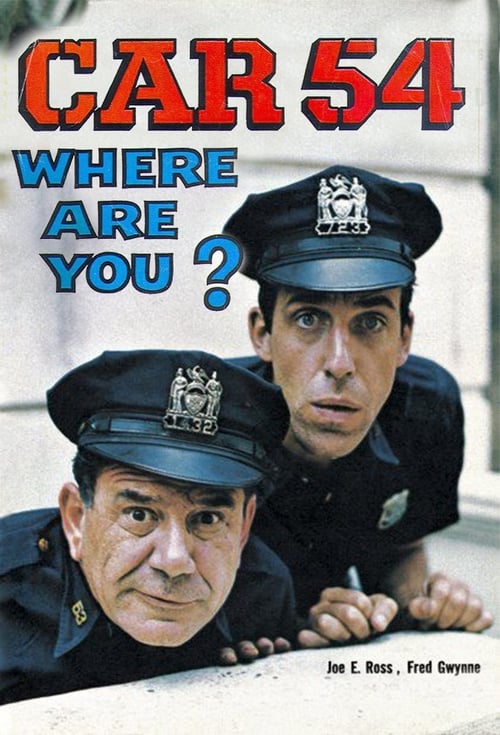
4. Car 54, Where Are You?
This was just pure, unadulterated silliness, and I mean that as a compliment. Two Bronx cops, one a dreamer, the other a grump, bumbling their way through their beat. It was a classic setup, but the physical comedy and the snappy dialogue were fantastic. You just don't see that kind of broad, good-natured humor much anymore. It was honest, working-class comedy, and it always left you with a smile. A real gem.
5 / 8
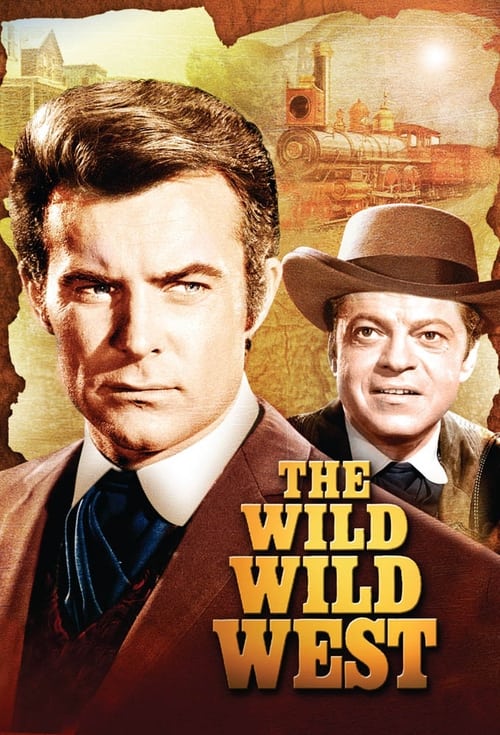
5. The Wild Wild West
Well, this was certainly a strange brew, wasn't it? Secret agents, the Old West, and all these crazy contraptions. It felt like a Saturday matinee serial, but on your television every week. Robert Conrad was a dashing lead, and Ross Martin played a dozen different characters. The stunts were wild, the villains even wilder. It was imaginative, a real flight of fancy, and proof that TV didn't always have to play it straight. A lot of fun.
6 / 8
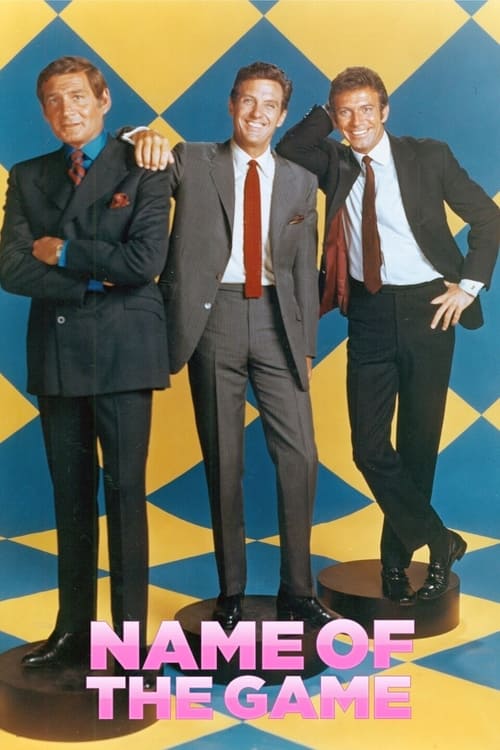
6. The Name of the Game
This was ambitious, a 90-minute rotating lead drama, long before anyone thought that could work. You had three big stars, each carrying their own story arc, but all connected by a publishing empire. It felt grander than your average hour-long show, giving stories room to breathe. And the production values were high, too. It was an early attempt at making television feel like a movie, without losing that episodic hook. A real groundbreaker.
7 / 8
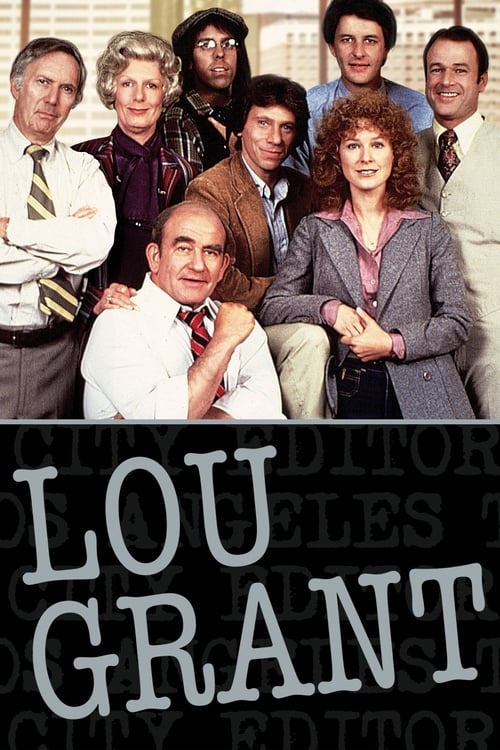
7. Lou Grant
When Lou left the sitcom and got his own drama, it was a revelation. This wasn't about laughs; it was about real journalism, real issues. Edward Asner was just magnificent, portraying a gruff but principled editor. The newsroom felt authentic, and the stories tackled tough subjects with intelligence and nuance. It showed that television could be serious, thought-provoking, and still absolutely compelling. A truly adult drama, and much needed.
8 / 8
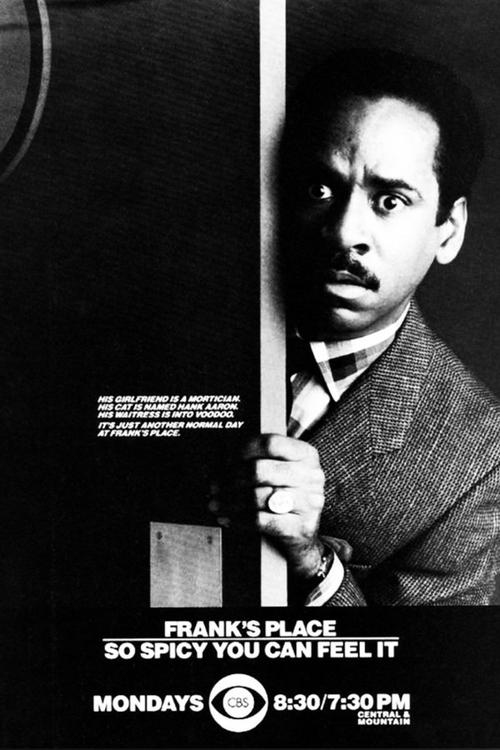
8. Frank's Place
This was a different kind of comedy, a real quiet storm. Set in a New Orleans restaurant, it blended humor with genuine pathos and a deep sense of place. The characters felt lived-in, and the stories often had a bittersweet quality. It wasn't about punchlines; it was about atmosphere, community, and the rhythms of life. Frankly, it was too good for its time, demanding too much from viewers expecting a laugh track. A beautiful, understated show.