
1 / 7

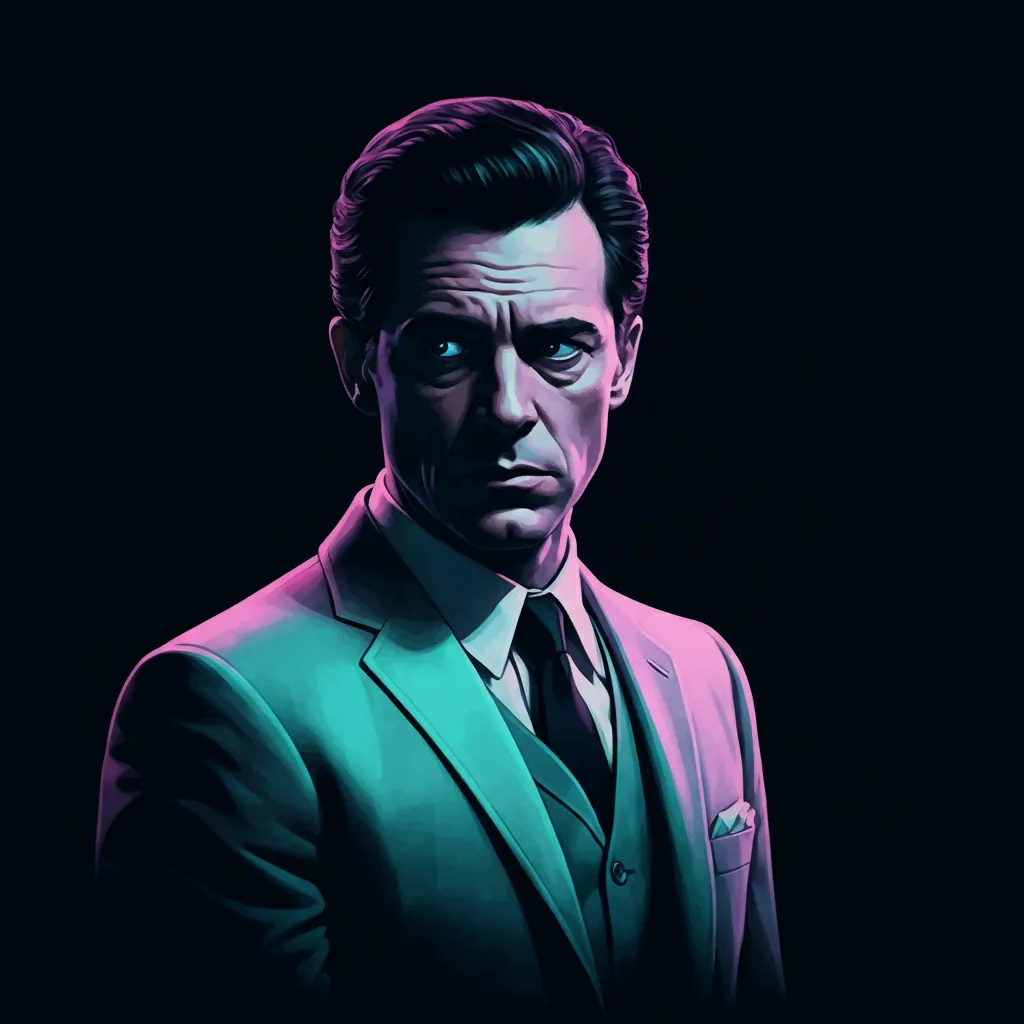
1. The Fugitive
And here's where continuity really started to make its mark, see? This wasn't just a new story every week; it was the same man, Dr. Kimble, always on the run, trying to clear his name. That black-and-white photography made every shadowy alley and dusty roadside just drip with suspense. You’d tune in, week after week, just to see if he'd finally find that one-armed man. It was television building a real, sustained tension, a long-form drama before most even knew what that meant.
2 / 7
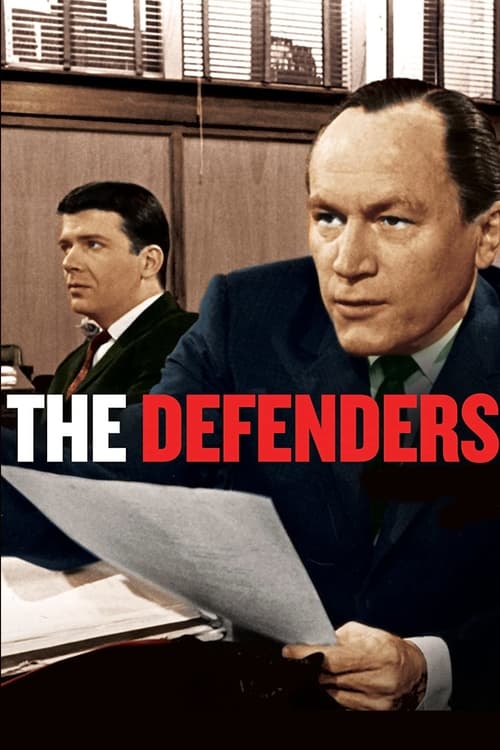
2. The Defenders
This show, it pulled no punches. A legal drama, sure, but it wasn't afraid to dive deep into the kind of social issues most programs wouldn't touch with a ten-foot pole back then. Father and son lawyers, challenging the system, the moral dilemmas were thick. It had a gritty, realistic feel, even in black-and-white. And it showed you that television could be more than just escapism; it could make you think, really consider the world around you.
3 / 7
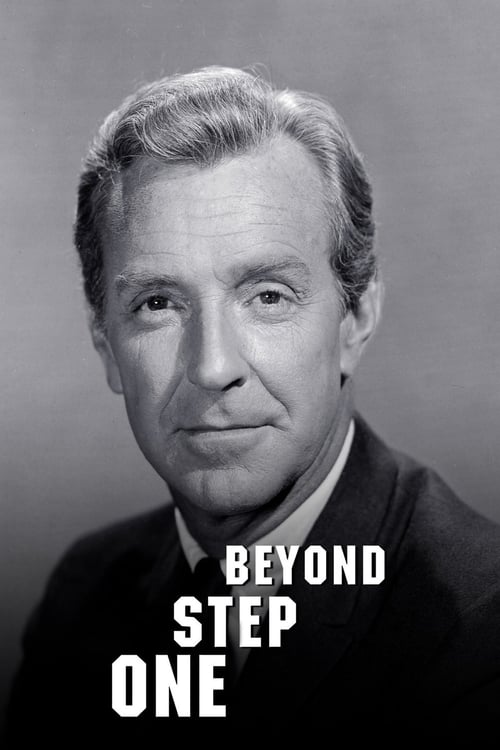
3. One Step Beyond
Before *The Twilight Zone* had its chokehold on the eerie, there was this. An anthology that delved into the supernatural, often presented as 'true' accounts. John Newland’s calm, almost clinical hosting kept you on edge, making you wonder what impossible thing would happen next. The black-and-white cinematography was perfect for those unsettling, atmospheric tales. It tapped into that primal fear of the unknown, proving that a good scare didn't need monsters, just a chilling premise.
4 / 7
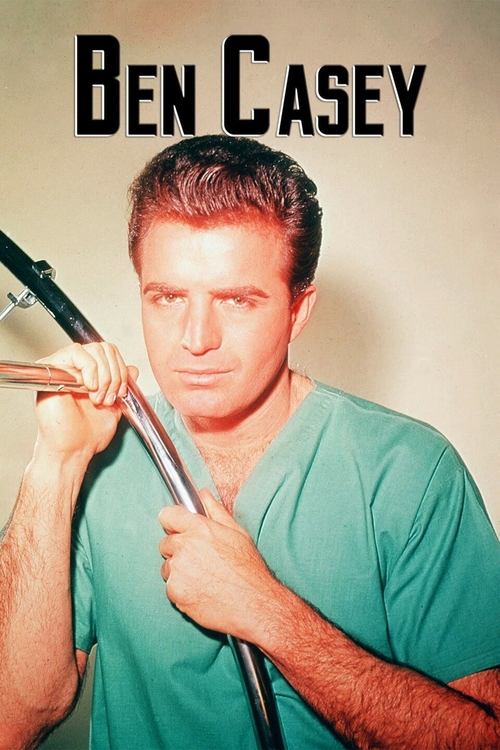
4. Ben Casey
Ah, *Ben Casey*. He was the intense, brooding doctor who brought real drama to the hospital wards. This medical show wasn't just about operations; it was about the moral battles, the human toll, the struggles of life and death. You felt the weight of every decision. That stark, black-and-white melodrama amplified the stakes, making every furrowed brow and desperate plea feel profoundly important. It set a high bar for all the medical dramas that followed.
5 / 7

5. The Millionaire
A simple premise, but oh, the human drama it unleashed! An anonymous benefactor hands out a million dollars, and you get to watch how it changes, or ruins, lives. Each week was a new story, a moral fable about greed, charity, or consequence. It was pure anthology gold, often leaving you to ponder what you'd do with such a windfall. And how it could twist a person. Made for great watercooler talk the next day.
6 / 7
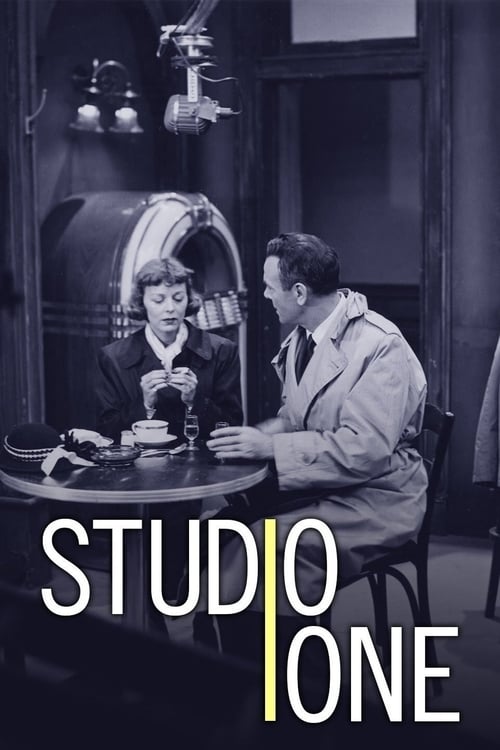
6. Studio One
Now, if you want to talk about raw television, this was it. Live drama, every single week, right there in your living room, mistakes and all. You felt like you were watching a play unfold right before your eyes, a genuine event. And the kinescopes, well, they caught that immediate, unpolished energy. It was experimental, sure, but it proved television could deliver serious, engaging stories, showcasing what the medium was capable of before polished film took over everything.
7 / 7
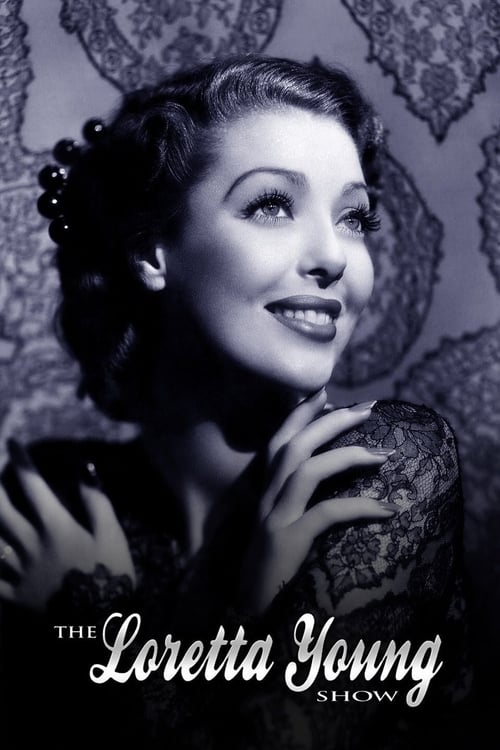
7. Letter to Loretta
Loretta Young, always graceful, always glamorous, descending that staircase in a different gown each week before introducing a new tale. This was prime melodrama, an anthology that often featured Loretta herself in a leading role. The stories were generally moralistic, sometimes a bit sentimental, but always delivered with a certain polish. It was a star vehicle that understood the power of a charismatic presence addressing the audience directly, making it feel personal.