
1. Alpha Protocol
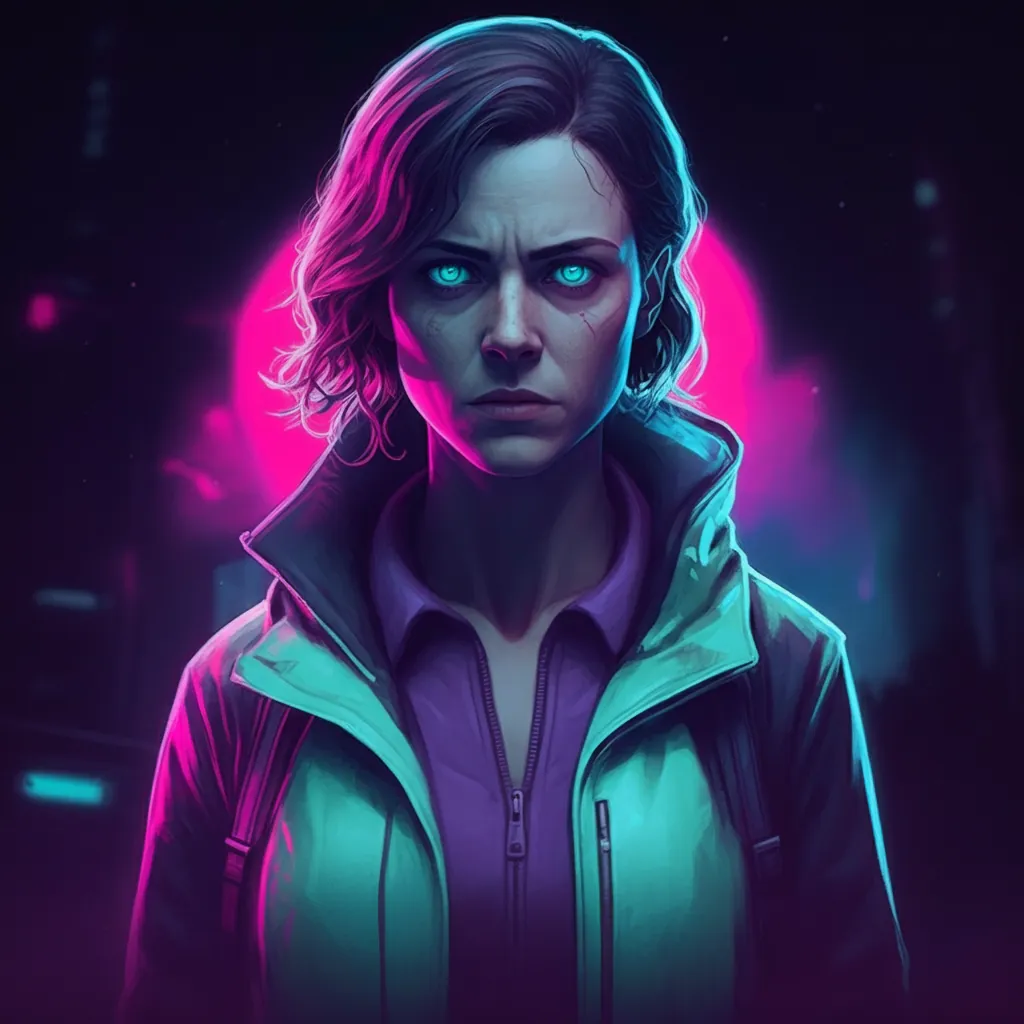
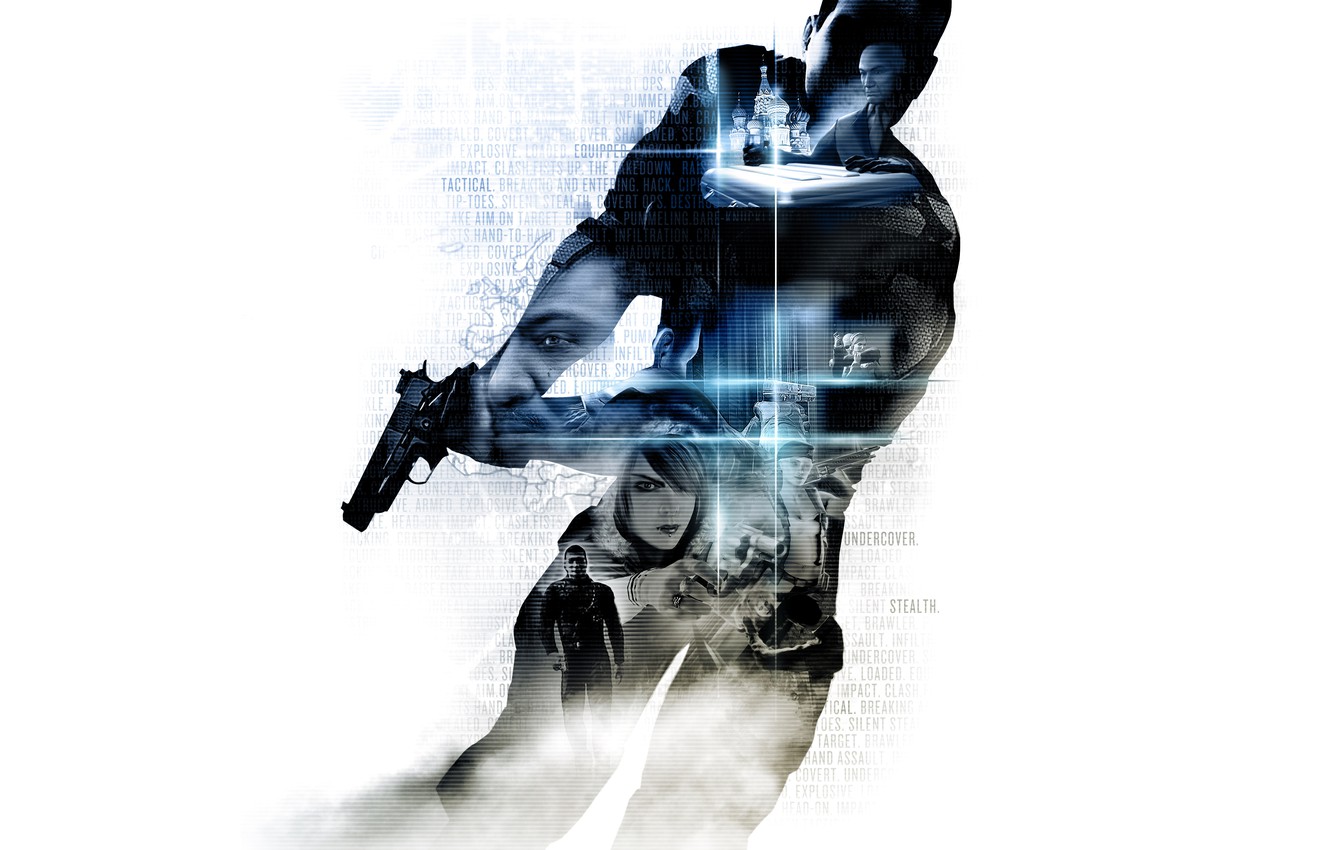
Obsidian's espionage RPG, this game was a buggy mess on release, sure. But man, its branching narrative and player choice genuinely mattered, even down to character relationships and mission outcomes. And so, it offered a kind of agency you just don't see anymore. Devs now, they're too scared of the complexity and cost of truly reactive storytelling, opting for linear paths or illusion of choice instead. It's a damn shame we lost this spirit of ambition.
2. Enslaved: Odyssey to the West
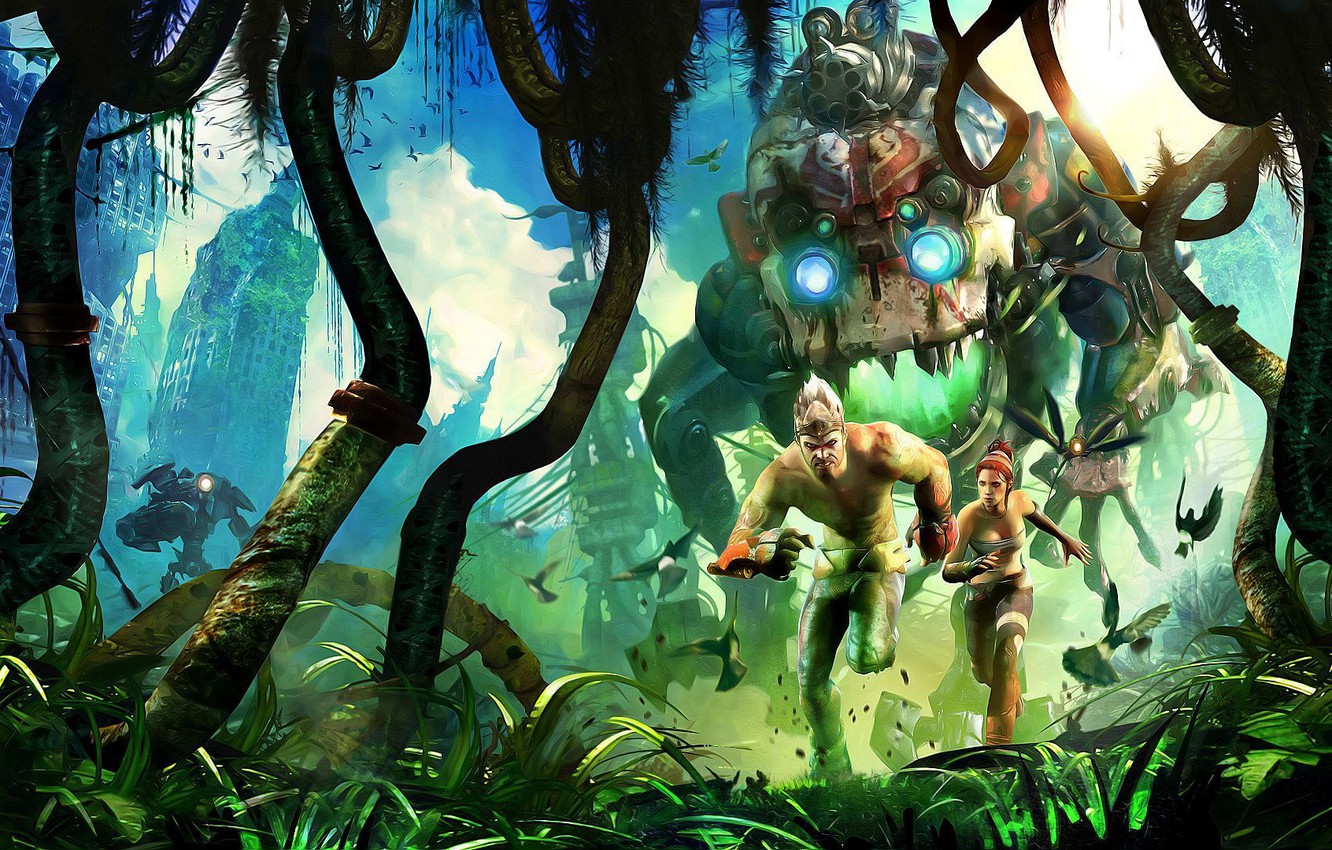
Ninja Theory delivered a genuinely beautiful, character-driven action-adventure with a unique post-apocalyptic vibe. Its strength lay in the dynamic relationship between Monkey and Trip, which felt earned and authentic. Instead of stuffing it with endless side quests and collectibles, it focused on a tight, compelling narrative journey. And so, it's a testament to how a focused, well-told story with memorable characters can outshine any sprawling, but ultimately empty, open world.
3. Prey
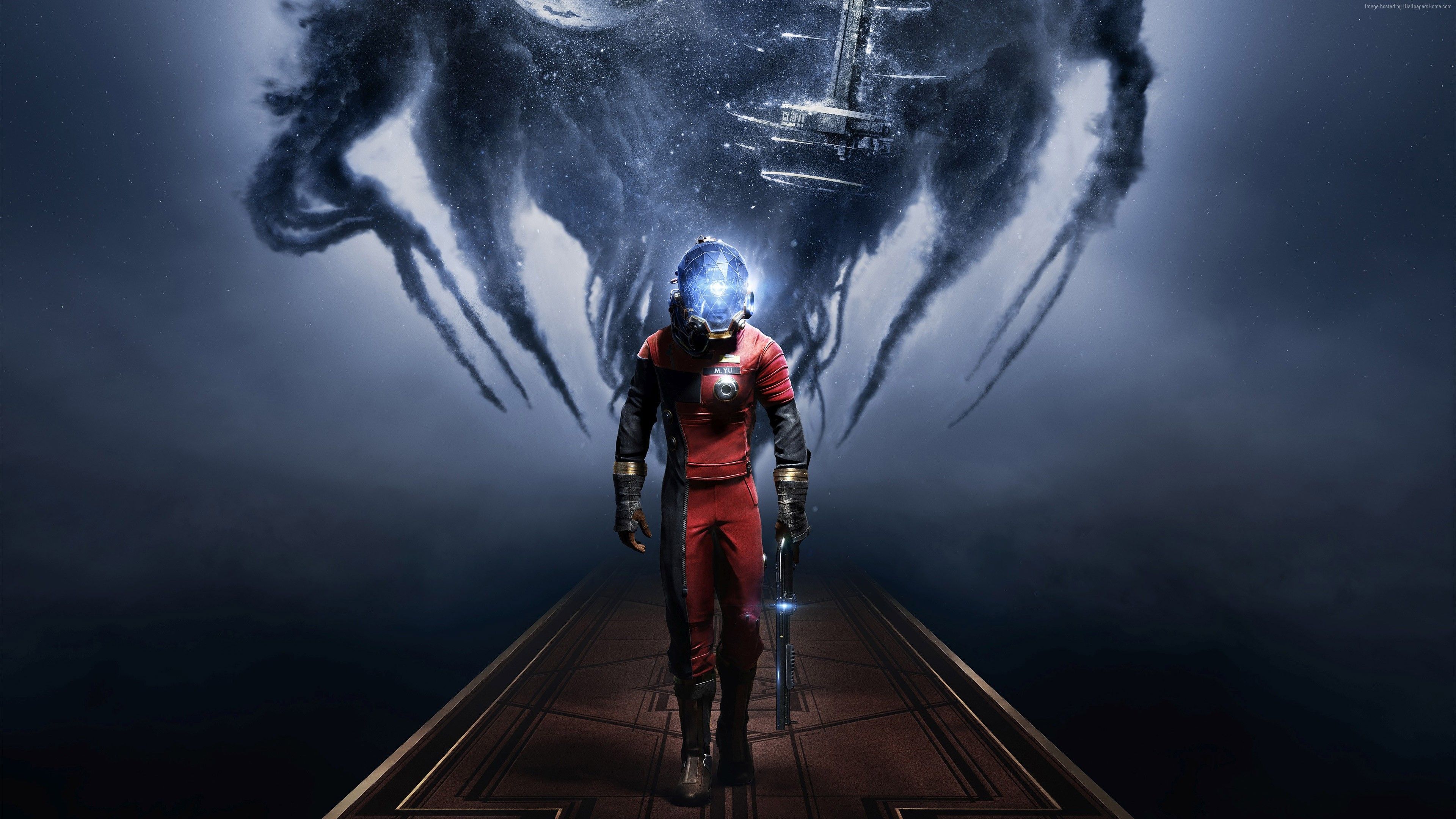
Arkane crafted an immersive sim masterpiece. Talos I was a character in itself, full of interconnected systems and environmental storytelling that rewarded exploration and clever thinking. Yet, its reliance on player agency and emergent gameplay meant less hand-holding, a rarity in today's market. And so, many missed out on its brilliant design because publishers often push for lowest common denominator appeal, fearing anything too 'niche' or challenging for the mainstream.
4. Sleeping Dogs
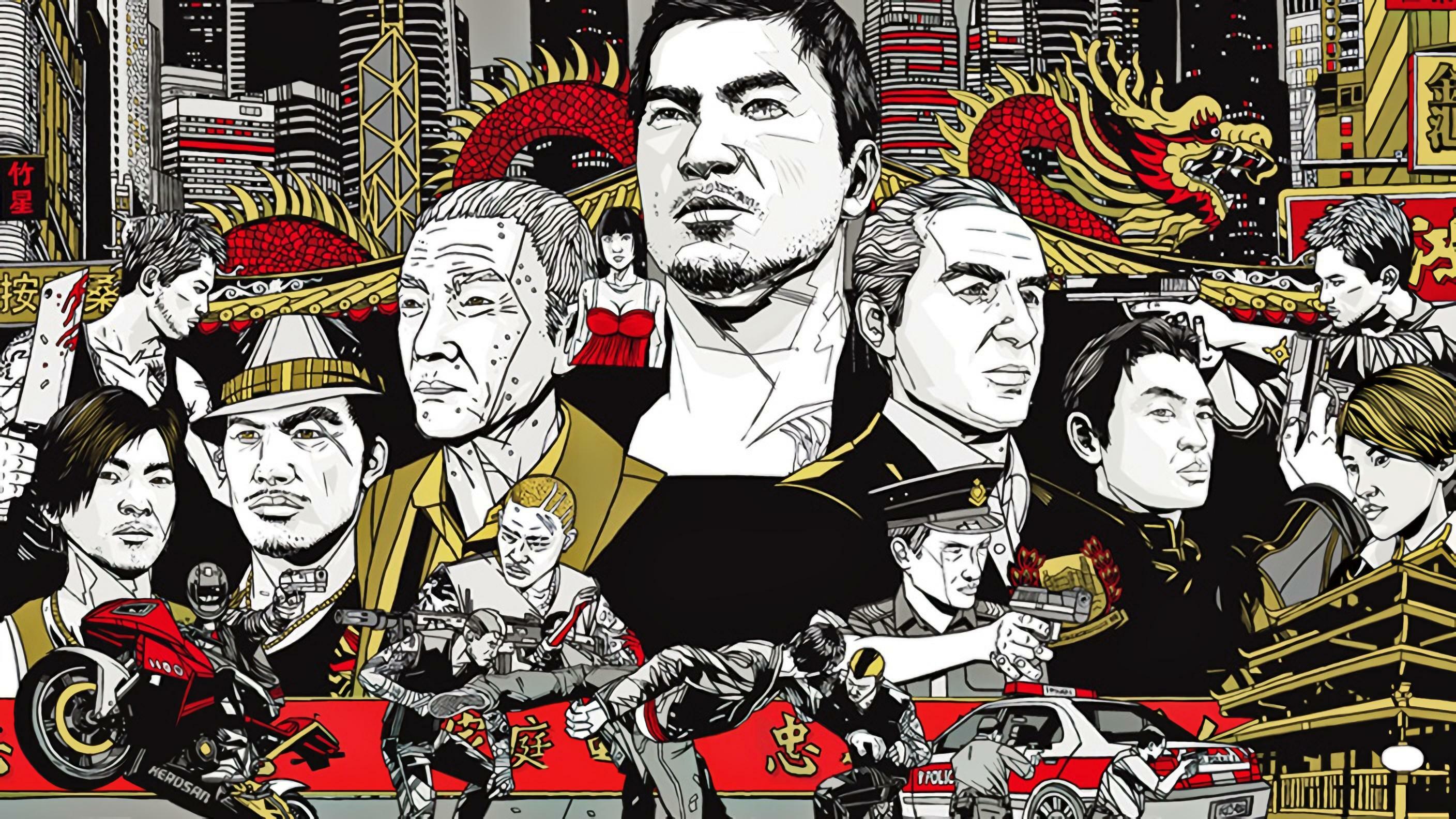
United Front Games absolutely nailed the Hong Kong crime drama vibe with this one. Its martial arts combat was fluid, the story surprisingly deep, and the open world felt alive, not just a checklist of icons. But it struggled to find its place in a market dominated by established open-world giants. And so, we rarely see new IPs given the chance to develop such a distinct identity when publishers prefer sequels or proven formulas.

5. S.T.A.L.K.E.R.: Shadow of Chernobyl
This game was a brutal, atmospheric, and utterly unique FPS experience. Navigating the Zone was a constant struggle for survival, filled with palpable dread and a distinct Eastern European grit. It didn't care if you were having 'fun' in the traditional sense; it aimed for immersion and challenge. And so, in an era of accessible, streamlined shooters, its uncompromising vision feels like a relic, a reminder of when games dared to be difficult and obtuse.
6. Psychonauts
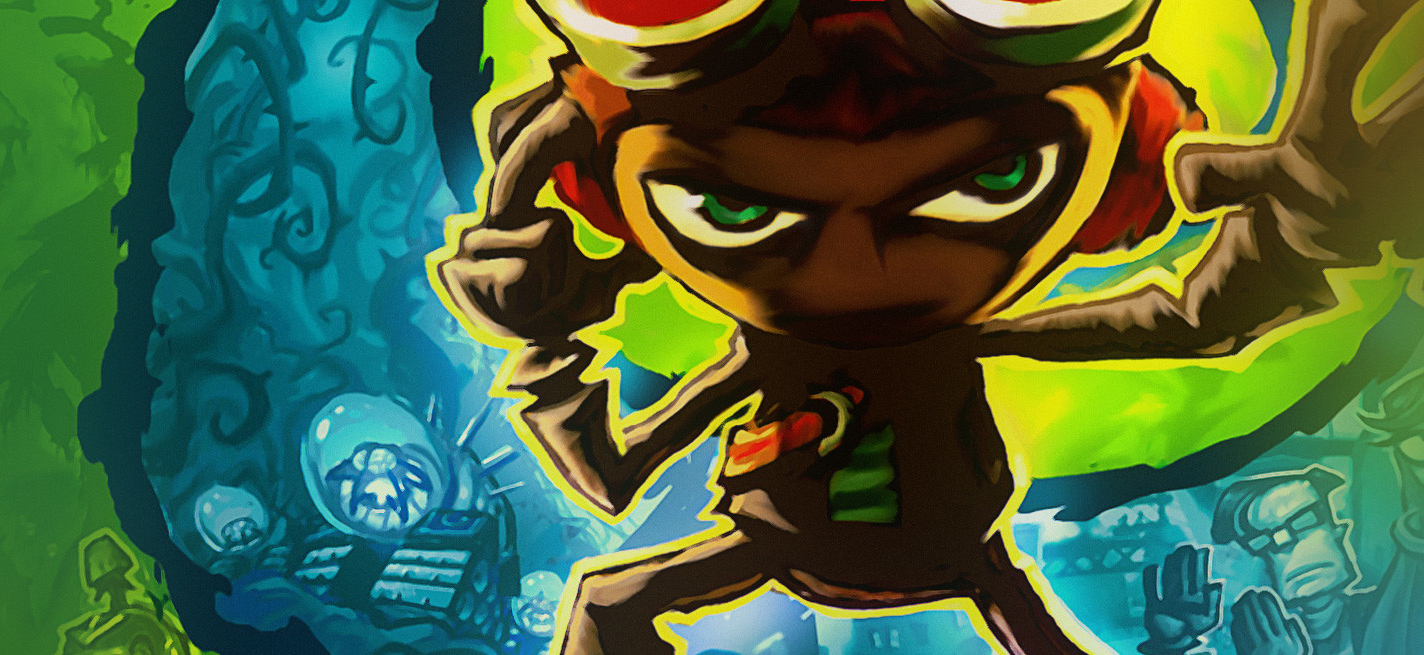
Double Fine's debut was a whimsical, imaginative platformer that took players inside people's minds, literally. The level design was incredibly inventive, each mental world a unique, surreal playground reflecting its host's psyche. Its humor and creativity were off the charts, but its initial sales were not. And so, it's a prime example of how truly original ideas, especially in the platforming genre, often struggle to find mass appeal, pushing developers towards safer bets.