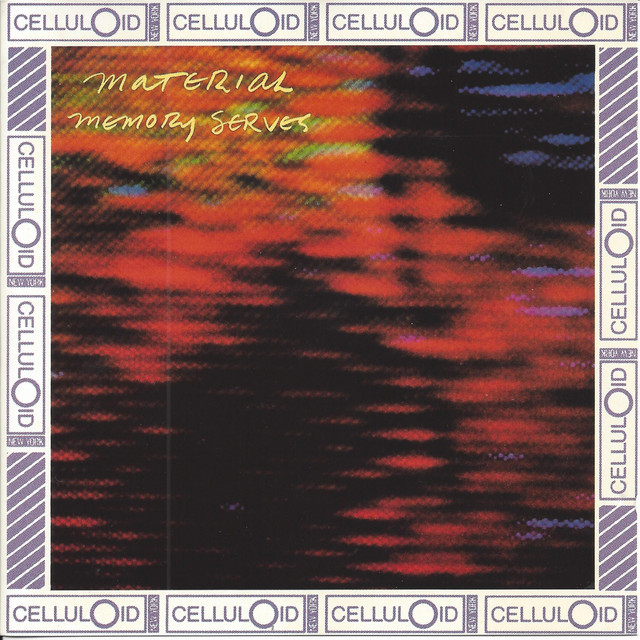
1. Memory Serves
Material's debut, a challenging listen, but crucial for understanding early 80s avant-funk. Bill Laswell's meticulous basslines anchored a volatile fusion of jazz, funk, and no-wave abstraction, all captured with a stark, pre-digital clarity. The studio became an instrument, bending traditional forms into something new, cold, and utterly urban. It’s a rhythmic dissection of the era.

2. Half Mute/Scream With A View
Tuxedomoon crafted coldwave's theatrical heart here. Their bleak, minimalist soundscapes, built on stark synths and melancholic brass, felt like a film noir soundtrack. The arrangements were precise, almost surgical, evoking a sense of dread and beauty simultaneously. This was art-rock for the shadowed corners, a masterclass in analog atmosphere.

3. Mix-Up
Cabaret Voltaire’s debut album was a visceral assault, a jagged tapestry woven from tape loops, distorted guitars, and unsettling vocal fragments. This wasn't just industrial music; it was a blueprint for sonic aggression, recorded with an almost brutalist fidelity that prioritized raw impact over polish. It still sounds like machinery malfunctioning beautifully.
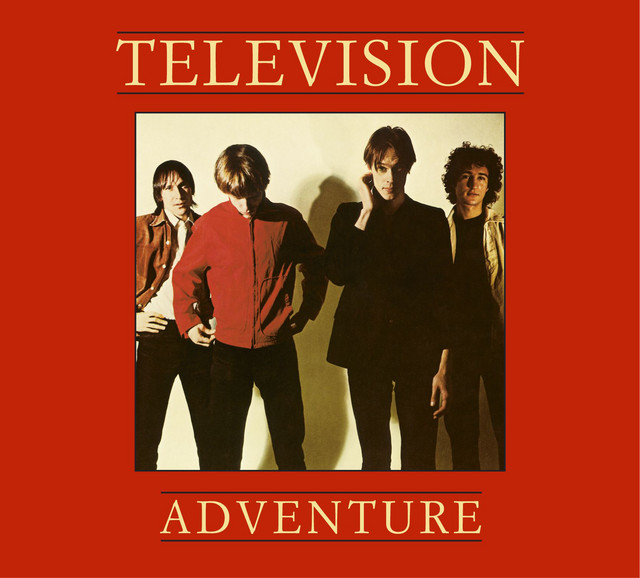
4. Adventure
Television’s second effort, often overshadowed, expanded their intricate guitar interplay into richer, more reflective territory. Verlain and Lloyd’s dual leads remained central, but the arrangements took on a more expansive, almost orchestral quality, without losing their angular edge. It’s an art-rock masterclass, a testament to analog guitar tones and thoughtful composition.
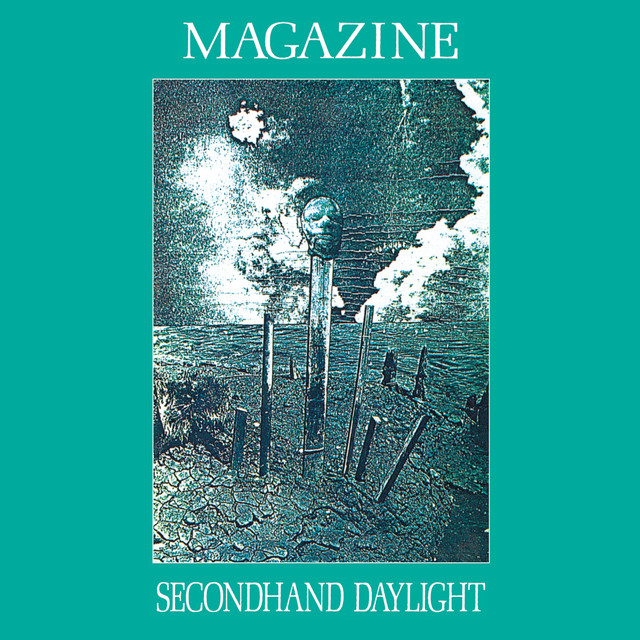
5. Secondhand Daylight
Magazine perfected their post-punk melancholy on this record. Howard Devoto's literate angst found its perfect foil in John McGeoch's shimmering, effects-laden guitar and Dave Formula's icy synthesizers. The production is a masterclass in capturing atmosphere, creating a sonic space that feels simultaneously vast and claustrophobic, deeply intellectual and emotionally resonant.
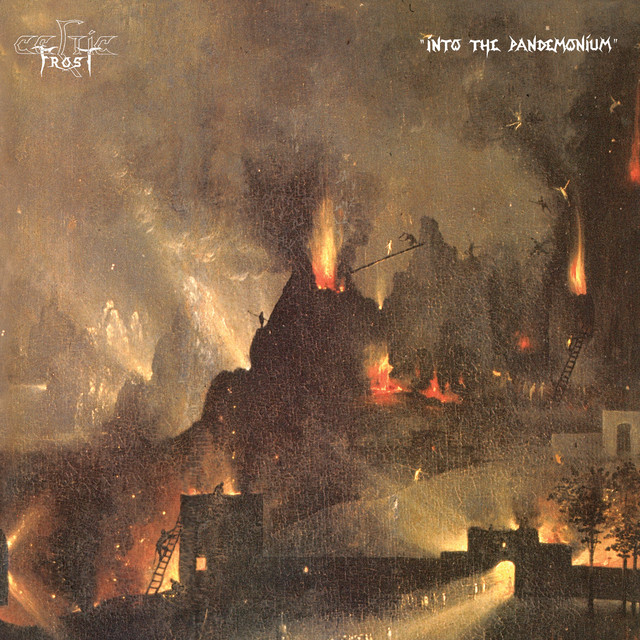
6. Into the Pandemonium
Celtic Frost shattered metal's conventions with this audacious, genre-defying statement. Incorporating classical elements, female vocals, and industrial percussion alongside their signature heaviness, they proved extreme music could be profoundly experimental. It’s a raw, analog-recorded kaleidoscope of dark ideas, challenging expectations with every track from the pre-digital era.
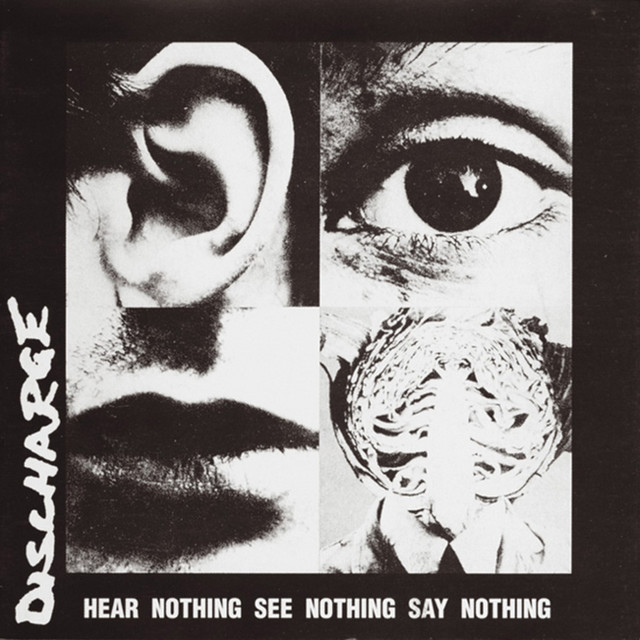
7. Hear Nothing See Nothing Say Nothing
Discharge delivered a sonic sledgehammer that redefined hardcore punk and laid groundwork for thrash. Its relentless D-beat, raw production, and politically charged screams offered no quarter. The analog ferocity here is absolute, an unyielding wall of sound that was both primal and devastatingly effective, influencing generations of heavy music with its stark aggression.
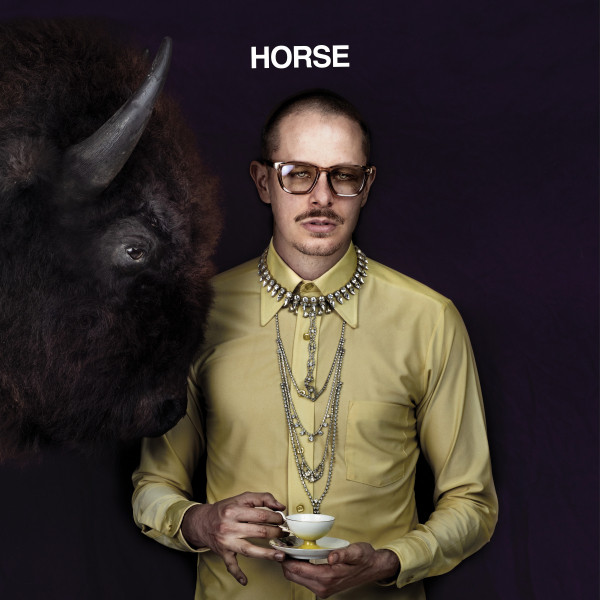
8. Horse
ESG's early EPs, epitomized by tracks like "Moody" and "UFO," demonstrated how much groove could be extracted from so little. Raw, stripped-down bass, drums, and sparse guitar riffs created hypnotic rhythms that bypassed intellect for pure physical response. This was post-punk as pure, unadulterated funk, recorded with a minimalist analog fidelity that still sounds fresh.
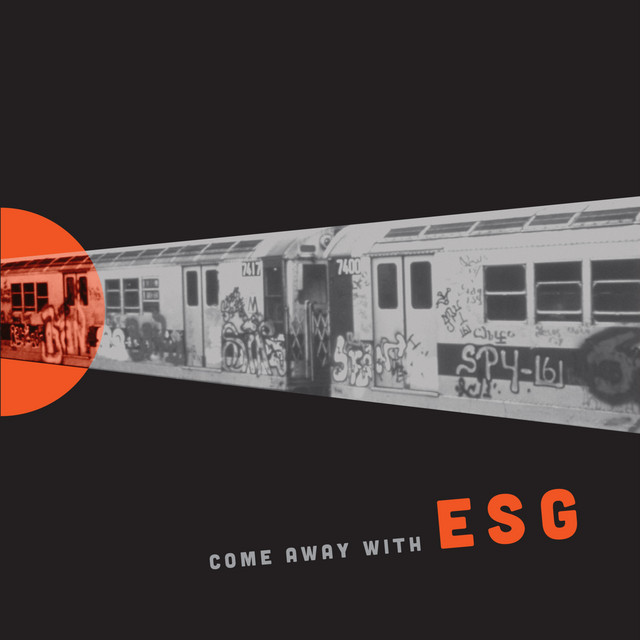
9. Come Away with ESG
This debut album cemented ESG's place as rhythmic innovators. Their signature, skeletal funk grooves, built on infectious basslines and precise drumming, continued to defy easy categorization. It’s a masterclass in minimalist composition and raw, pre-digital studio capture, proving that less instrumentation often yields more profound rhythmic impact and undeniable feel, a true analog gem.
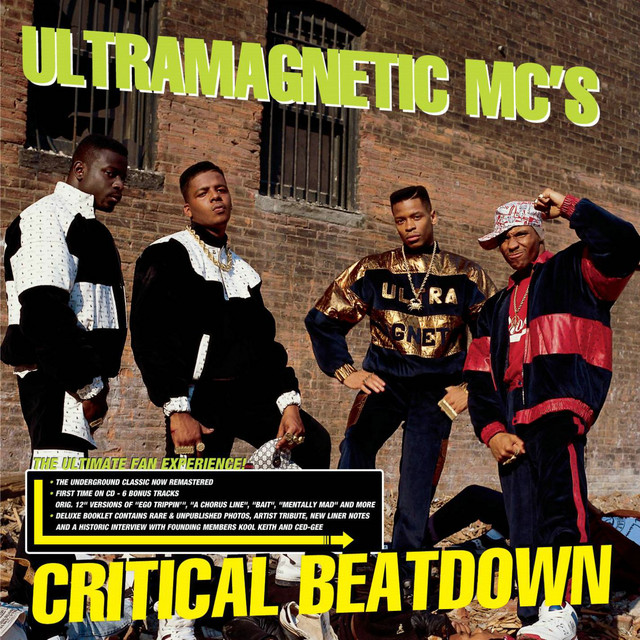
10. Critical Beatdown (Re-Issue)
Ultramagnetic MCs crafted a hip-hop landmark, pushing lyrical complexity and sampling techniques to new heights. Kool Keith's abstract narratives over Ced Gee's raw, often dissonant beats, felt like a collision of science fiction and street reality. This was foundational, pre-digital crate-digging artistry, influencing a generation with its avant-garde approach to rhythm and rhyme.