1. Oz
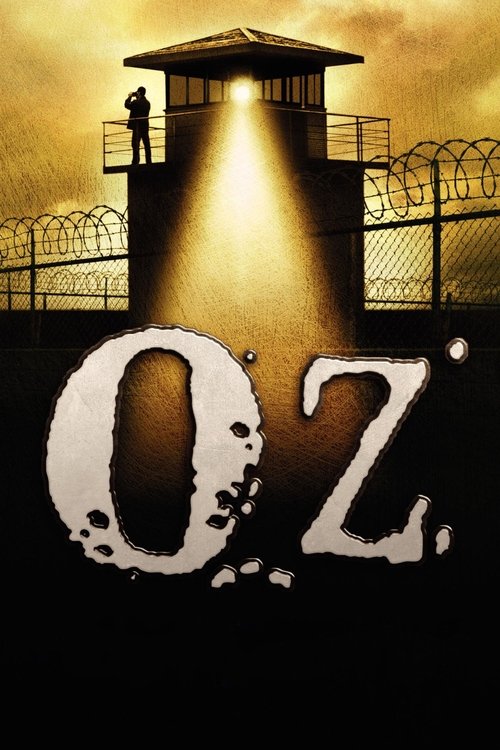
This wasn't just a prison show; it was HBO’s first hour-long drama, a brutal, uncompromising dive into an experimental prison unit. It established the network as a serious player, showing what serialized storytelling could really do when unshackled from network rules. The ensemble cast was incredible, and the narrative was relentless, forcing you to confront humanity at its absolute worst and occasionally, its most resilient. It was a visceral, cinematic experience years before that term was common.
2. Homicide: Life on the Street
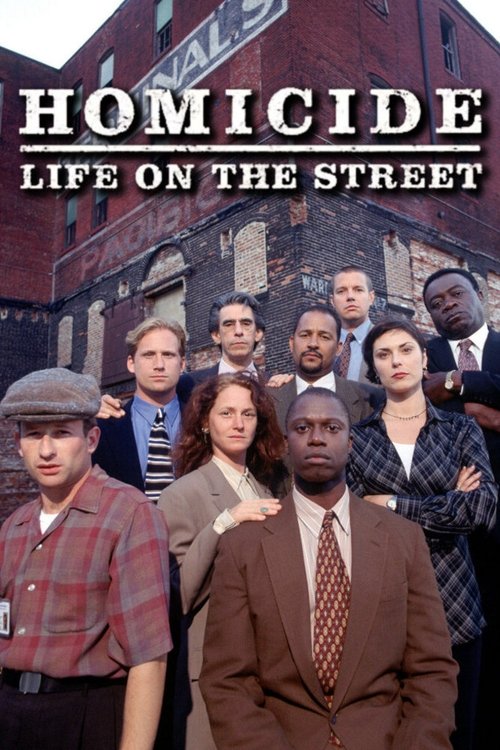
Before *The Wire*, there was *Homicide*. Barry Levinson and Tom Fontana brought a raw, documentary-style grittiness to network TV that felt revolutionary. The jump cuts, the overlapping dialogue, the ensemble cast, and those intense interrogation scenes pushed the boundaries of what a police procedural could be. It was serialized, character-driven, and unflinching, laying groundwork for the more complex, cinematic dramas that would follow on cable, but it did it on broadcast.
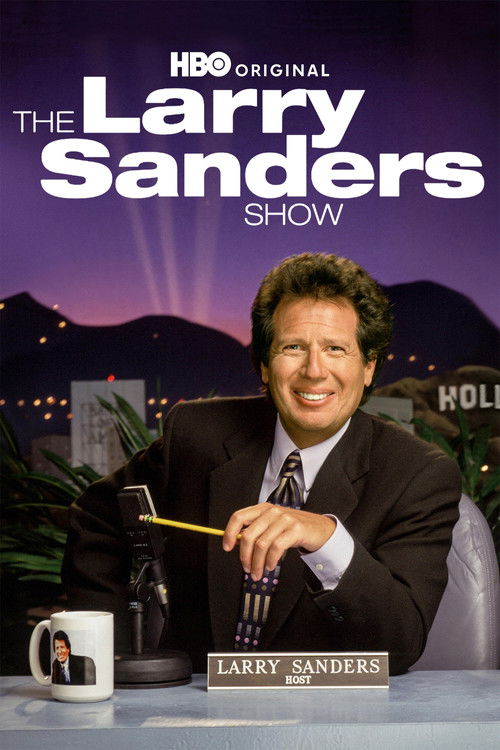
3. The Larry Sanders Show
This show pioneered the mockumentary style for a whole generation, satirizing late-night talk shows with a vicious, hilarious honesty. Garry Shandling's portrayal of a neurotic host behind the scenes of his own fame was brilliant. HBO let them explore uncomfortable truths about celebrity, ego, and the television machine itself. It was smart, subtle, and hugely influential, showing that comedy could be just as serialized and character-driven as any drama.
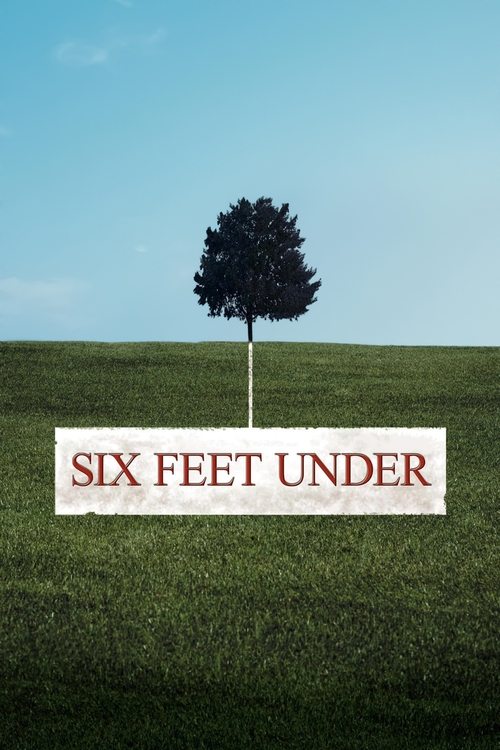
4. Six Feet Under
Alan Ball’s post-American Beauty project for HBO was a masterclass in serialized drama, making death a constant, central character. The Fisher family navigating their funeral home business and their own messy lives was deeply human, darkly funny, and profoundly melancholic. It explored grief, relationships, and existence with an ensemble cast that felt like a real family. Each episode started with a death, but it was always about life.
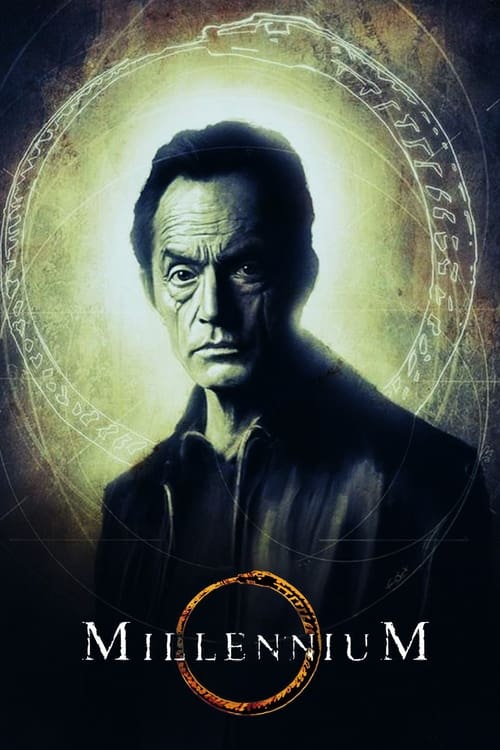
5. Millennium
Chris Carter tried to go darker, more psychologically intense than *The X-Files* with *Millennium*. Frank Black, a former FBI profiler, saw the world's evil, and the show was drenched in a pervasive sense of dread and mystery. Fox was trying to tap into that prestige drama vibe, and while it never quite hit *X-Files* heights, its atmospheric, serialized dive into the darker corners of humanity was genuinely unsettling and often brilliant.
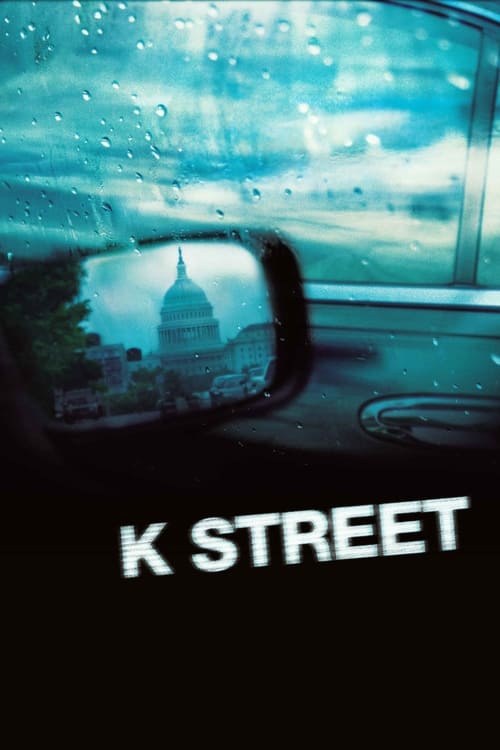
6. K Street
Steven Soderbergh and George Clooney pushing boundaries on HBO. This was an experimental, semi-improvised political drama shot in real-time, blurring lines between fiction and actual D.C. events. It was a fascinating, often frustrating, look at lobbying and power, featuring real political figures playing themselves. While not a mainstream hit, it felt like a bold step towards a more fluid, almost on-demand style of storytelling, years before binge-watching was a term.

7. The Comeback
Lisa Kudrow's Valerie Cherish was a cringe-comedy icon. This HBO mockumentary skewered reality television and the desperate pursuit of fame with brutal precision. Valerie's unshakeable delusion and her pathetic attempts to reclaim the spotlight were both hilarious and heartbreaking. It was perhaps too uncomfortable for its time, but its sharp, serialized satire of the entertainment industry and celebrity culture proved incredibly prescient, a true cable gem.
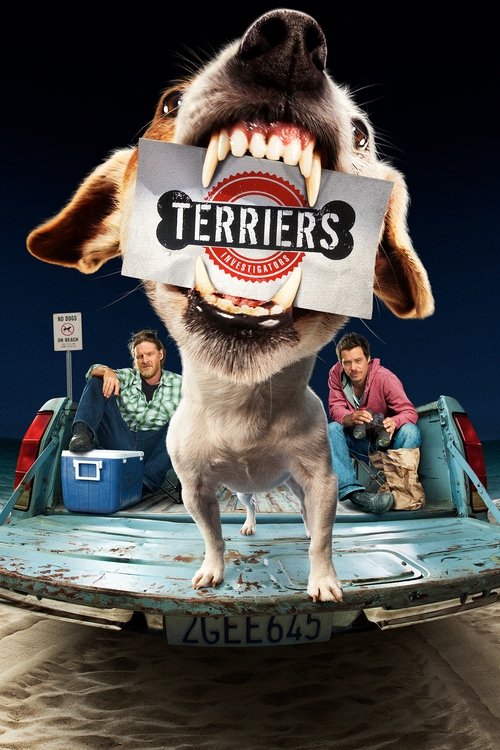
8. Terriers
This FX gem was a perfectly crafted, serialized neo-noir about two unlicensed private investigators in San Diego. Donal Logue and Michael Raymond-James had incredible chemistry, driving a story that was funny, heartbreaking, and genuinely thrilling. It was critically adored but criminally overlooked, a testament to cable's willingness to take risks on character-driven, morally ambiguous stories that network TV wouldn't touch. A true cult classic.
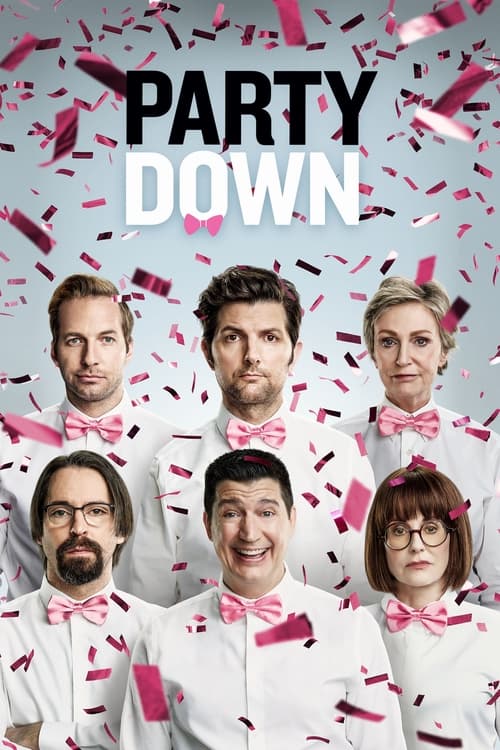
9. Party Down
Starz delivered a perfectly bittersweet, ensemble comedy about a group of aspiring, struggling caterers in L.A. Each episode was a new party, a new set of rich weirdos, and new disappointments for our lovable losers. The sharp writing and incredible cast (Adam Scott, Lizzy Caplan, Jane Lynch) made it shine. It captured the indignities of gig work and unfulfilled dreams with such wit, becoming a foundational cable comedy.
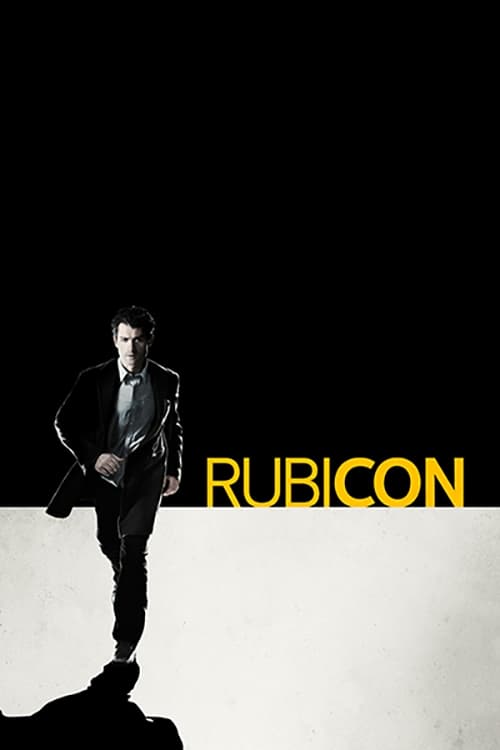
10. Rubicon
AMC, hot off *Mad Men* and *Breaking Bad*, tried its hand at a slow-burn, intellectual conspiracy thriller. This serialized drama followed a brilliant intelligence analyst who uncovers a vast, shadowy organization. It was dense, meticulously plotted, and demanded attention, feeling more like a novel than a typical TV show. While perhaps too subtle for some, it represented cable's ambition to tell complex, character-driven stories that unfolded deliberately.
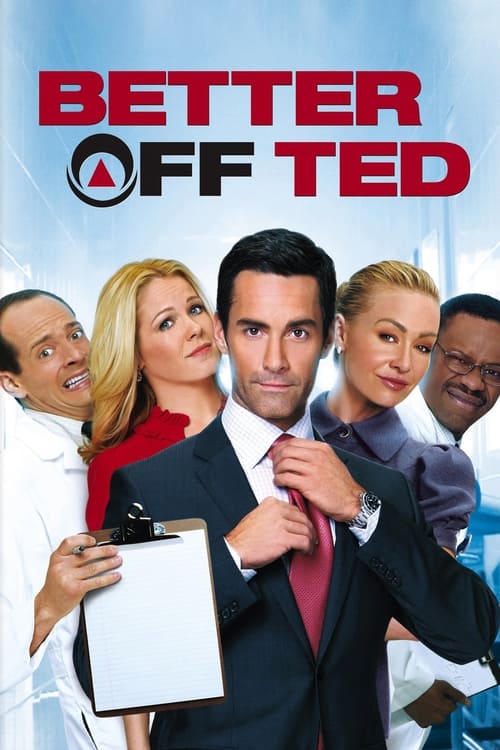
11. Better Off Ted
This ABC workplace comedy was brilliantly quirky, smart, and often absurd, set in a soulless, morally bankrupt research and development company. It married sharp satirical writing with a fantastic ensemble cast, delivering clever one-liners and surprisingly deep character moments. Network TV often struggled with serialized, high-concept comedy, but *Better Off Ted* proved it could be done, even if it was too smart and funny for its own good.