
1 / 10
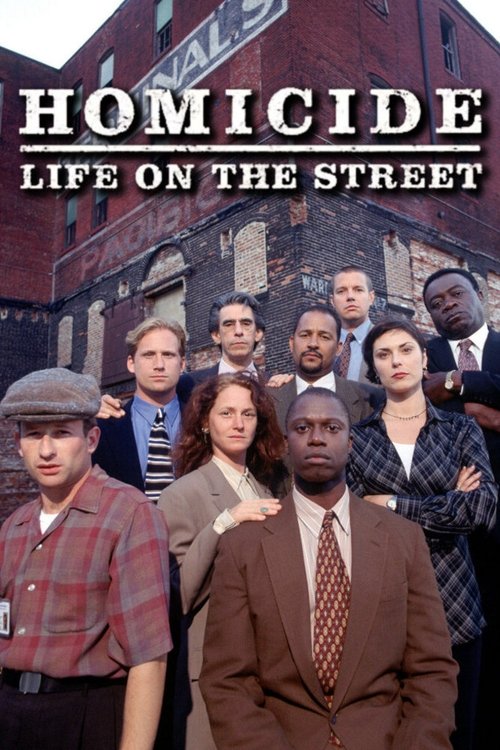
1. Homicide: Life on the Street
Forget everything you thought network TV could do. *Homicide* dropped in '93, looking more like a film than a procedural. That handheld camera work? Revolutionary. It wasn't just solving cases; it was about the grind, the politics, the way these detectives lived and breathed that messy precinct. Barry Levinson and Tom Fontana truly built a world, not just a weekly puzzle. This was a foundational piece for what we'd later call "prestige," long before HBO owned the term. It showed network could be art.
2 / 10
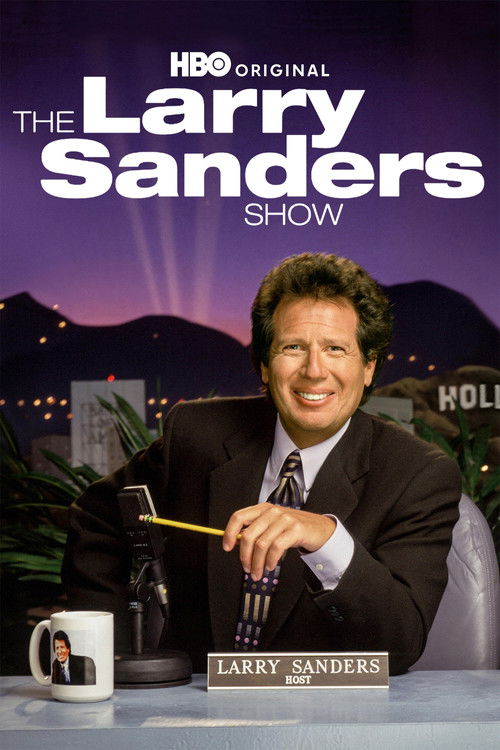
2. The Larry Sanders Show
Before "The Office," there was Larry. HBO’s *The Larry Sanders Show* in '92 ripped the curtain back on late-night, but it wasn't just jokes. It was a masterclass in cringe and ego, shot with that fake-doc feel that blurred lines. Garry Shandling and Rip Torn were phenomenal, selling the insecurity and the power plays behind the smiles. It nailed the mockumentary before it was a buzzword, exposing the ugliness of fame with an unflinching, hilarious eye. A brave, cynical, and utterly brilliant move for cable.
3 / 10
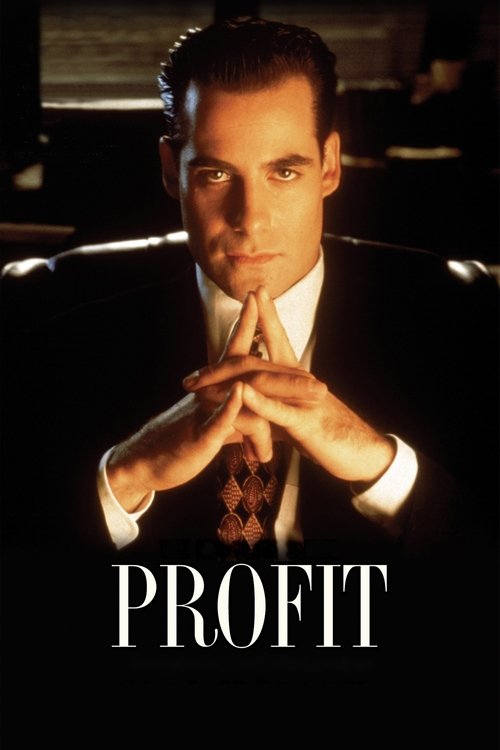
3. Profit
Fox tried to get weird in '96 with *Profit*. John Gaunt was the kind of villain protagonist networks just didn't do. He was openly amoral, manipulative, and he narrated his schemes right to the camera. It was a dark, cynical look at corporate power, way ahead of its time for network television. Too far, apparently, as it barely lasted. But for those who saw it, *Profit* was a shocking, serialized experiment in exploring pure evil, a precursor to the anti-heroes we'd later embrace.
4 / 10
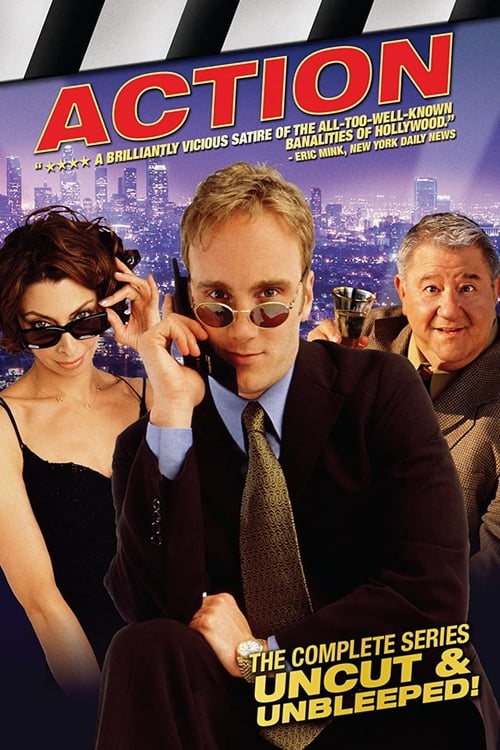
4. Action
1999's *Action* was Fox again, pushing boundaries, this time with a Hollywood satire so dark and foul-mouthed, it felt like it accidentally aired on network TV. Jay Mohr as the sleazy producer was perfect. It was brutally honest about the industry, cynical and hilarious, dropping F-bombs in a way that made you wonder how it even got past standards. It was too much for most viewers then, but it perfectly foreshadowed the no-holds-barred content that would soon define cable.
5 / 10
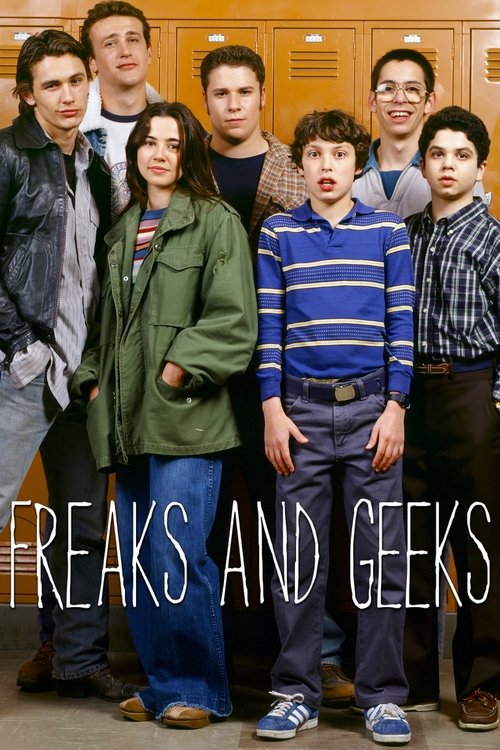
5. Freaks and Geeks
Judd Apatow and Paul Feig gave us *Freaks and Geeks* in '99, a show that felt almost too real for network TV. It was a serialized, character-driven masterwork about high school awkwardness, where every kid felt like someone you knew. No easy answers, no tidy endings. It focused on the messy, authentic moments, the small victories and big heartbreaks. It redefined what a coming-of-age story could be, paving the way for more nuanced, less saccharine portrayals of youth.
6 / 10
6. The Shield
When *The Shield* hit FX in '02, it blew the doors off what cable drama could be. Vic Mackey was an anti-hero of the highest order, a cop who did terrible things for what he believed were the right reasons. It was serialized, gritty, and fearless in its moral ambiguity, showing law enforcement as a brutal, compromised world. This wasn't a case-of-the-week show; it was a long, dark character study that proved basic cable could deliver cinematic, compelling storytelling.
7 / 10
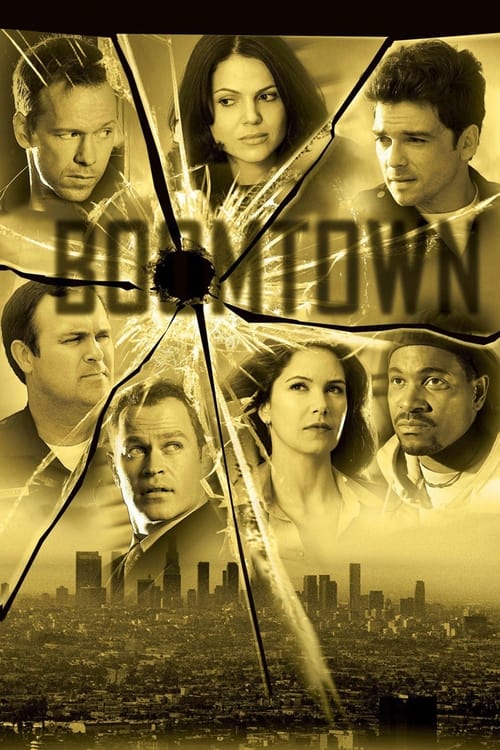
7. Boomtown
*Boomtown*, in '02, was a narrative experiment. Each episode re-told a crime from multiple perspectives – the cops, the victims, the criminals – often non-linearly. It was ambitious, a true ensemble piece that demanded your attention, showing how subjective truth really is. While it looked like a procedural, its complex structure and cinematic approach made it something else entirely. It pushed network TV's boundaries for storytelling, demonstrating a sophisticated serial vision long before it was commonplace.
8 / 10
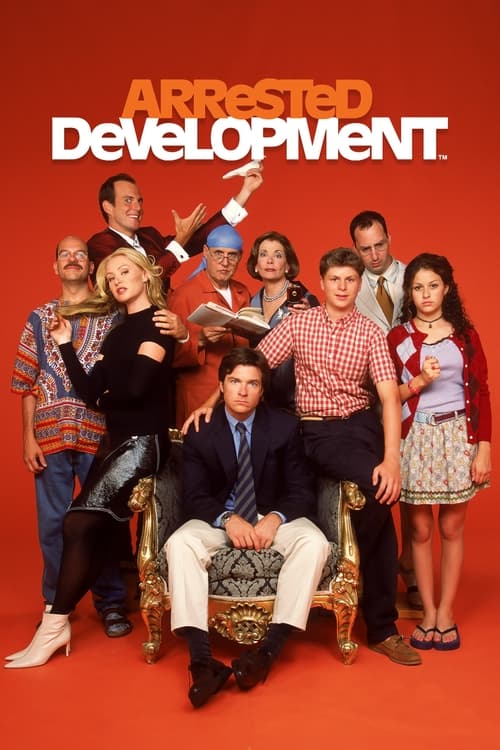
8. Arrested Development
2003 brought us *Arrested Development*, a mockumentary sitcom so dense with running gags and callbacks, it practically invented serialized comedy. Mitch Hurwitz crafted a show that rewarded re-watching, packed with meta-humor and an unreliable narrator. The Bluths were a hilariously dysfunctional ensemble, and the show's unique visual style and rapid-fire editing felt like nothing else on network TV. It was a comedy that treated its audience as smart, paving the way for complex, layered sitcoms.
9 / 10
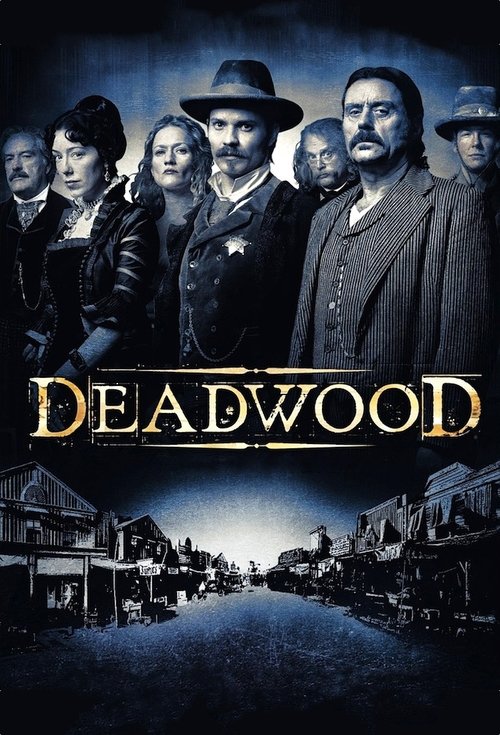
9. Deadwood
*Deadwood* in '04 was pure HBO: a raw, poetic, and utterly profane historical drama. David Milch's dialogue was a character unto itself, dense and beautiful, and the ensemble cast was legendary. It wasn't about a plot; it was about the birth of a society, the brutal reality of the frontier. This was serialized storytelling at its most ambitious, cinematic in scope and unflinching in its portrayal of humanity's dark side. It proved TV could be literature, uncensored and profound.
10 / 10
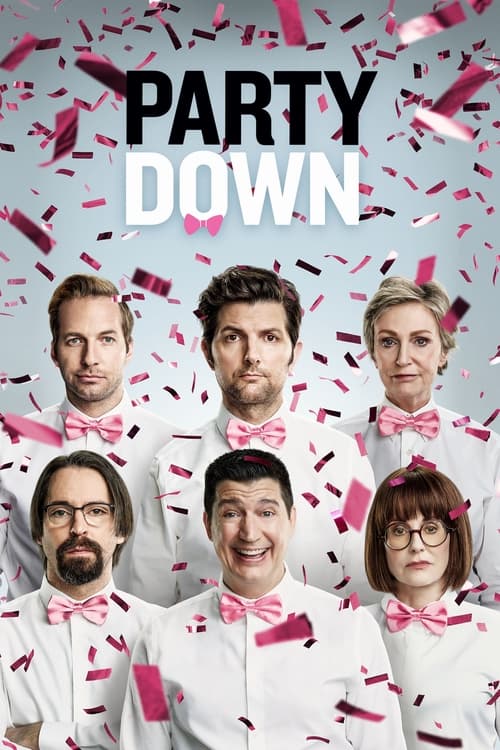
10. Party Down
*Party Down* hit Starz in '09, a cynical, hilarious workplace comedy about caterers in L.A. It captured that unique blend of hope and despair of struggling actors and writers. The cringe comedy and stellar ensemble cast were brilliant, but it felt ahead of its time, a show perfect for the emerging on-demand viewing culture that could appreciate its dry wit. It was a cult classic waiting to happen, truly a gem that exemplified smart, character-driven serialized comedy outside the mainstream.