

1 / 10
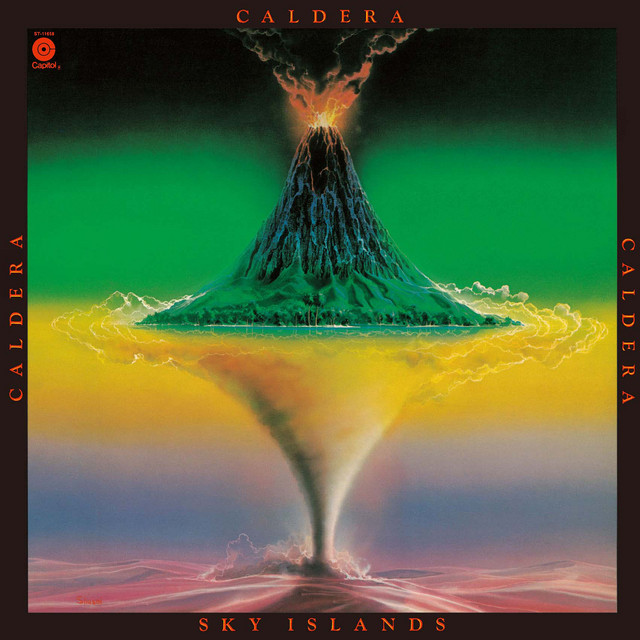
1. Sky Islands
This 1979 private press gem, 'Sky Islands,' showcases a nascent ambient school, blending ethereal analog synthesis with delicate, almost improvisational jazz-fusion textures. The production, clearly pre-digital, relies on meticulous microphone placement and natural reverb, creating vast, contemplative soundscapes. Its sonic ambition, achieved with limited 8-track setups, reveals a profound understanding of space and timbre, a blueprint for later, more polished electronic efforts. It's a testament to the era's boundless sonic exploration.
2 / 10

2. Late Bloomer, Early Death
From '82, this forgotten slab of vinyl, 'Late Bloomer, Early Death,' embodies the raw, unpolished energy of the post-hardcore fringe. Its abrasive guitar work and guttural vocals are recorded with a palpable urgency, likely a quick two-day studio session on cheap tape. The rhythmic section, a relentless, tight pulse, drives home an unvarnished fury. It’s an authentic, albeit short-lived, document of youthful disillusionment, predating much of the genre's later polish.
3 / 10

3. Tied Down
Negative Approach's 1983 full-length, 'Tied Down,' remains an uncompromising testament to hardcore's primal force. The sound is utterly devoid of studio trickery; just a raw, unvarnished assault captured with minimal overdubs, likely straight to 2-inch tape. John Brannon's snarling delivery, coupled with breakneck tempos and thick, distorted guitars, creates an unrelenting, visceral experience. It’s pure, undiluted aggression, a definitive statement of its time, refusing any commercial sheen.
4 / 10
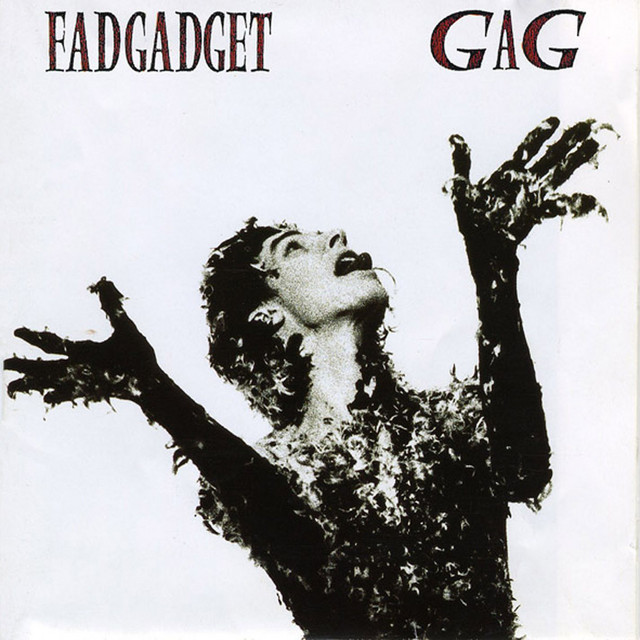
4. Gag
Fad Gadget's 1984 opus, 'Gag,' is a masterclass in early industrial and darkwave, showcasing Mute's impeccable analog production. The stark, processed drum machines and biting synth lines are layered with unexpected acoustic elements, creating a uniquely unsettling sonic tapestry. It’s a rhythmic, almost danceable record, yet permeated by an underlying tension. The cold, mechanical precision achieved in the studio, without digital crutches, remains profoundly influential, a truly artful exploration of dread.
5 / 10

5. Throwback, Vol. 2 (Sugar Hill 83 - 86)
This 1986 Sugar Hill compilation, 'Throwback, Vol. 2,' is a crucial historical document, charting the formative years of rap from '83 to '86. It encapsulates the genre's live band origins, often featuring tight funk and disco breaks replayed by session musicians rather than samples. The raw, often unpolished mixes highlight the MCs' rhythmic prowess and storytelling, before drum machines fully dominated. It’s a vibrant snapshot of rap’s nascent rhythmic patterns, unburdened by digital sheen.
6 / 10
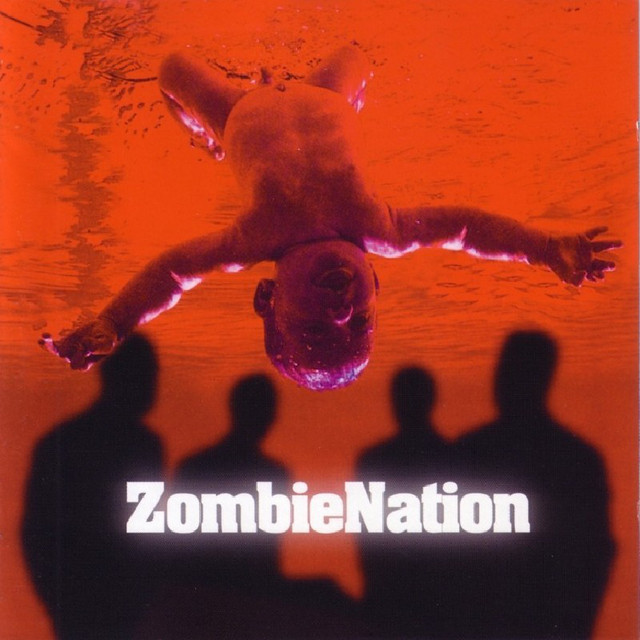
6. Leichenschmaus
Grauzone’s 1981 'Leichenschmaus' is a stark, essential coldwave statement from the Swiss scene, showcasing a minimalist approach to post-punk. Its icy synth lines, driving bass, and often detached vocals create a profoundly melancholic, yet compelling, atmosphere. The production emphasizes space and reverb, allowing each analog instrument to cut through with chilling clarity. It embodies that early 80s sense of urban alienation, a dark, rhythmic pulse for colder nights. Truly atmospheric, before the term became overused.
7 / 10
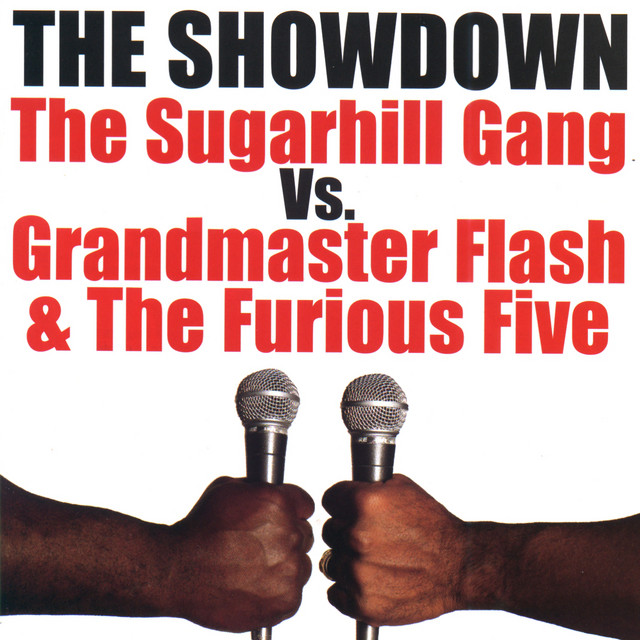
7. The Showdown: The Sugarhill Gang vs. Grandmaster Flash & The Furious Five
The 1980 'Showdown' single from Sugar Hill is a foundational piece in rap's evolution, pitting two titans against each other. It captures the raw energy of early disco-rap, with live bands providing the rhythmic backbone for the MCs' call-and-response flows. The production is direct, focusing on clear vocals and driving funk grooves, reflecting the era's sound system culture. It’s a vibrant, almost primitive, glimpse into rap’s competitive spirit and its indelible connection to funk and boogie.
8 / 10

8. Deceit
This Heat’s 1981 'Deceit' is a challenging, yet endlessly rewarding, art-rock masterwork, a true anomaly of its time. The album’s dense, often dissonant sonic architecture, built with tape loops, live instrumentation, and unsettling vocal treatments, creates a claustrophobic, anxious world. Its stark, dry production amplifies the urgency of its political themes, feeling less like music and more like a document of impending societal collapse. A testament to experimental fortitude within the pre-digital studio constraints.
9 / 10
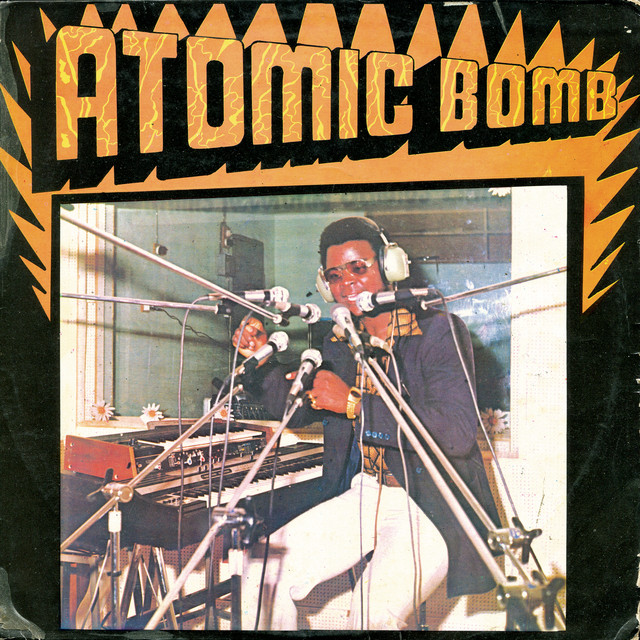
9. Atomic Bomb
William Onyeabor's 1978 'Atomic Bomb' is an electrifying, deeply idiosyncratic fusion of funk, psychedelic rock, and early synth experimentation from Nigeria. Onyeabor’s self-contained production, often playing all instruments, results in a sound that’s both raw and meticulously crafted, brimming with analog synth quirks and infectious, hypnotic grooves. The recording quality, while sometimes lo-fi by Western standards, possesses an undeniable warmth and energy, pushing the boundaries of what 'funk' could entail in the late 70s.
10 / 10
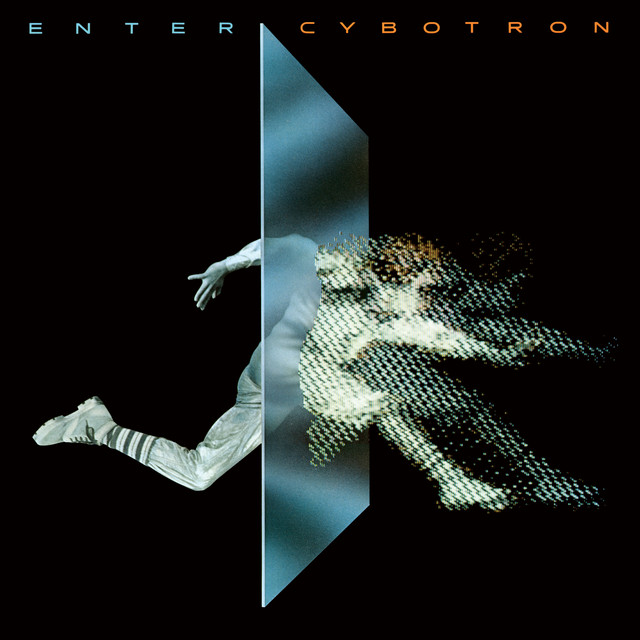
10. Enter (Deluxe Edition)
Cybotron’s 1983 'Enter' is a seminal text in the genesis of Detroit techno and electro, a blueprint for the future. Juan Atkins and Richard Davis crafted these tracks with an almost scientific precision, utilizing drum machines and synthesizers to evoke stark, mechanical, yet strangely soulful, landscapes. The production is clean and sparse, emphasizing the rhythmic interplay and alien textures. It's a foundational statement, predicting the digital age's sound while being entirely a product of careful analog manipulation.