1 / 7

1. Pong (1972)
This wasn't just a game; it was the spark. Released in '72, Pong distilled interaction down to its purest form: two paddles, a ball, and a screen. It demonstrated that electronic entertainment could be simple, addictive, and commercially viable. Its widespread adoption in arcades laid the groundwork for an entire industry, showing millions that video games were a legitimate, accessible form of leisure. A true genesis moment.
2 / 7
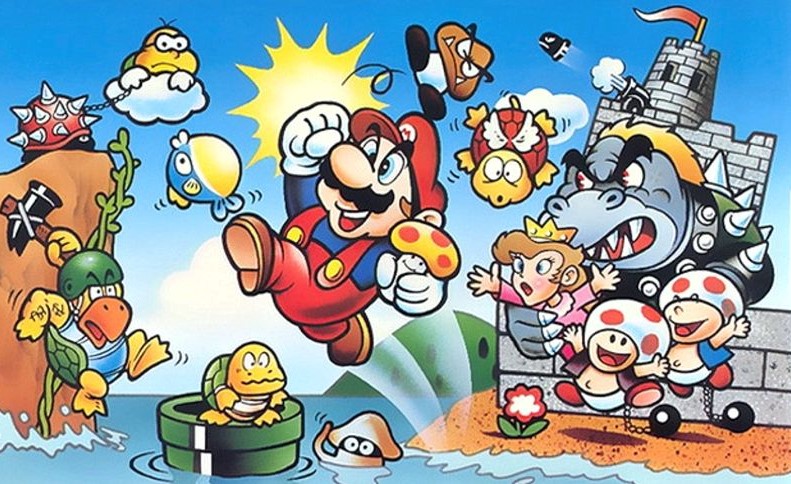
2. Super Mario Bros.
When Super Mario Bros. landed, it didn't just sell an NES; it defined a generation's understanding of what a video game could be. Its intricate level design, responsive controls, and iconic characters set the gold standard for platforming. It proved that games could have personality, challenge, and a sense of progression, rescuing the industry from its early-80s slump and establishing Nintendo as a powerhouse.
3 / 7
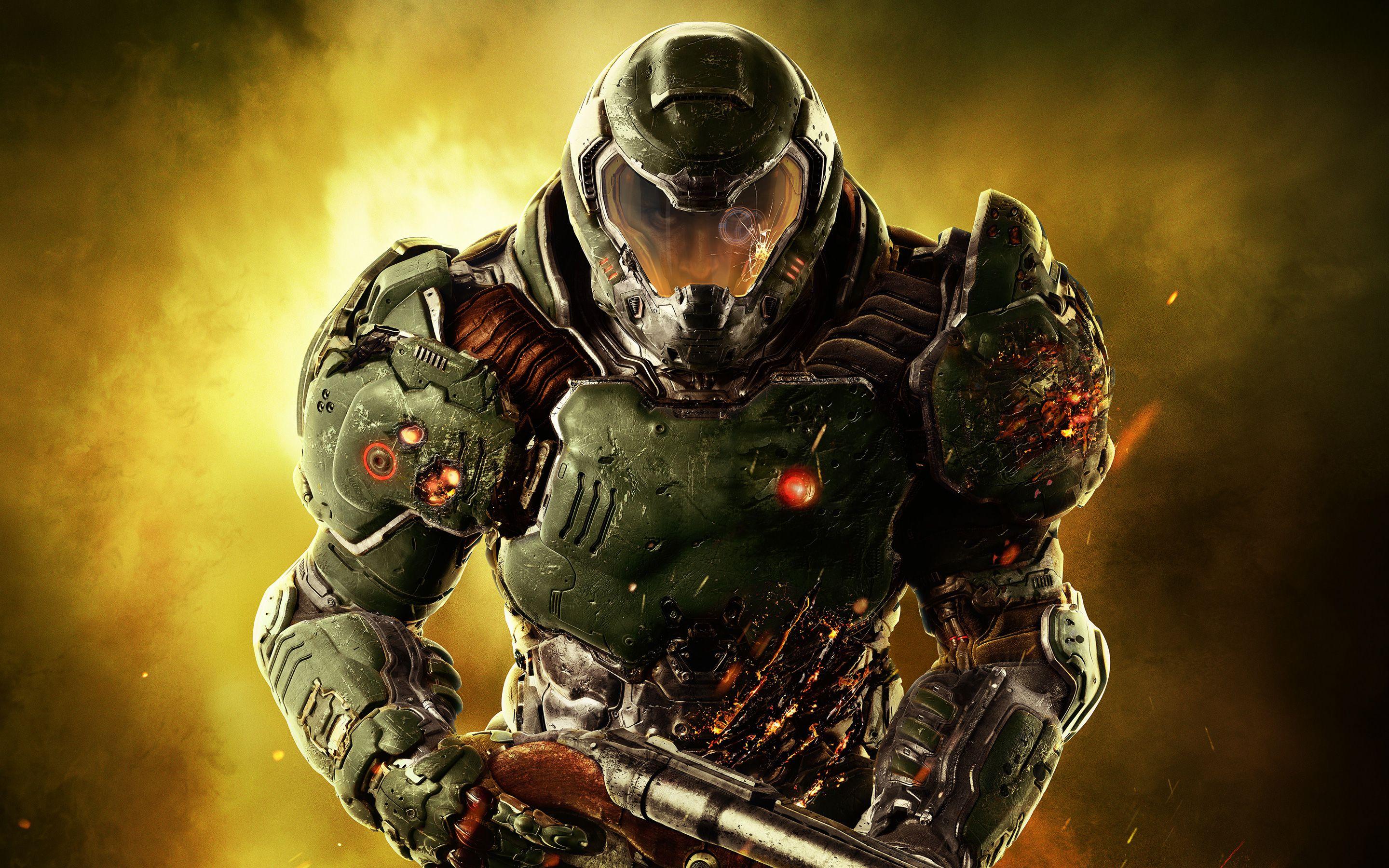
3. DOOM (2016)
The 2016 iteration of DOOM wasn't just a reboot; it was a masterclass in reinterpreting a classic for a new era. It blended relentless, aggressive combat with a surprisingly deep lore, proving that single-player shooters could still be visceral and engaging. It rejected trends, instead doubling down on its core identity, reminding players of the sheer, unadulterated thrill that a well-crafted FPS could deliver.
4 / 7
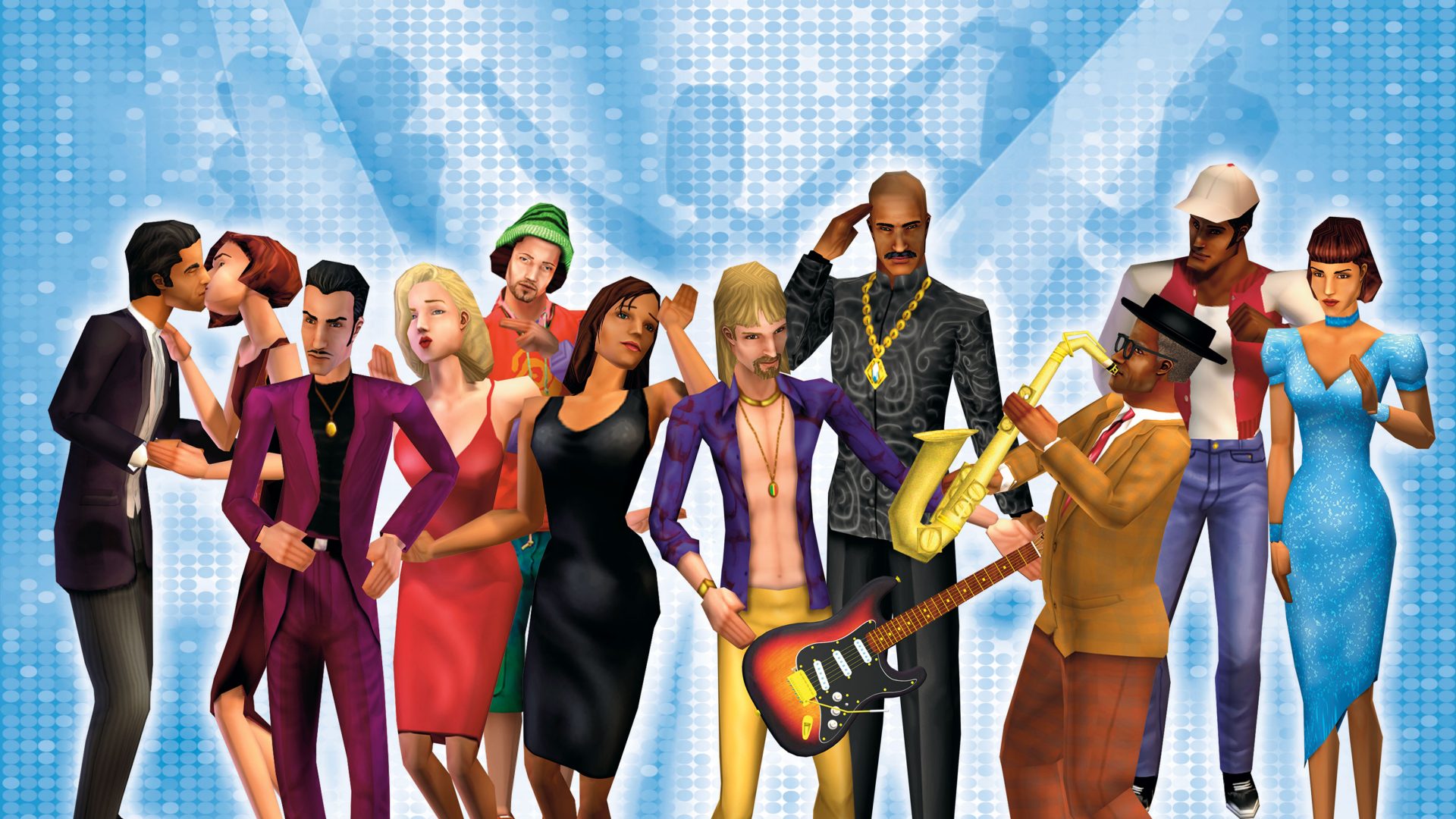
4. The Sims
This game fundamentally shifted perceptions of who played games and what games could be. The Sims offered a virtual dollhouse, a life simulator where creativity and personal narrative trumped traditional objectives. It captivated a massive, diverse audience, many of whom never considered themselves "gamers." It normalized player-driven storytelling and proved that simulation could be an incredibly potent form of entertainment and expression.
5 / 7
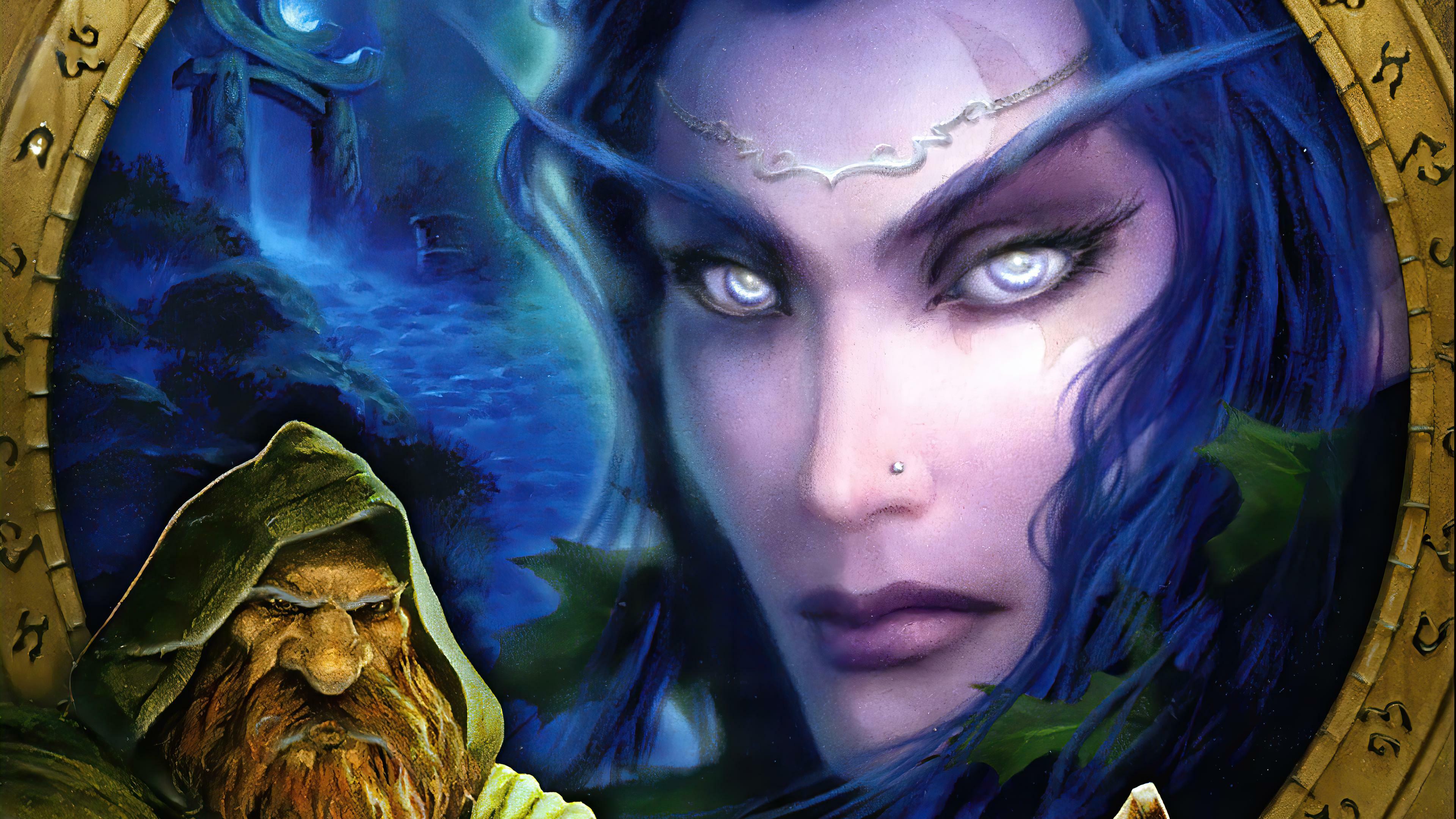
5. World of Warcraft
Few games have shaped online social interaction quite like World of Warcraft. It cultivated vast, persistent communities, redefining concepts of digital identity, cooperation, and conflict over nearly two decades. From epic raids to political intrigue within guilds, WoW wasn't merely a game; it was a second life for millions, demonstrating the immense power and cultural gravity of the massively multiplayer online experience.
6 / 7
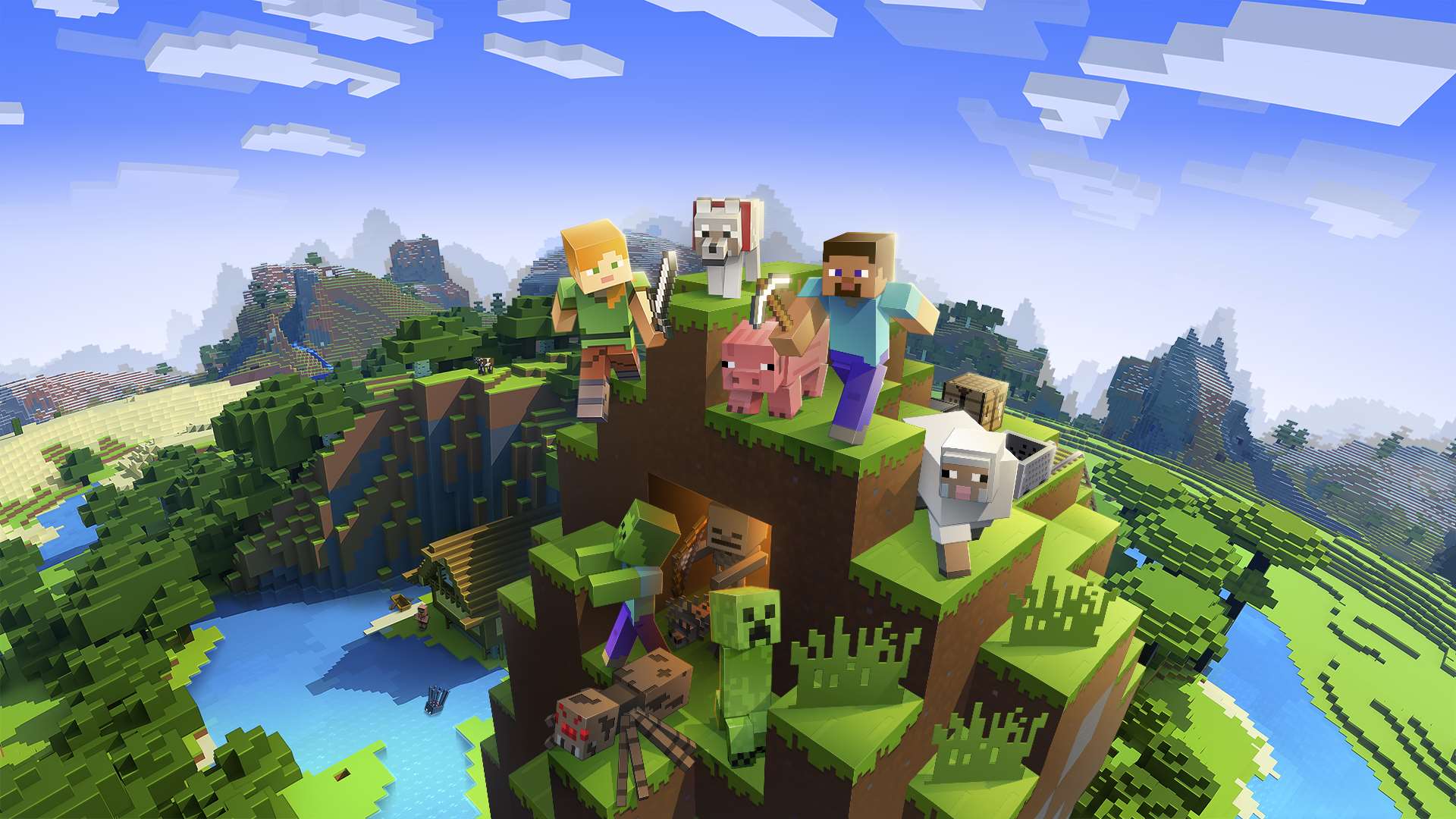
6. Minecraft
Minecraft's blocky aesthetic belies its profound impact. It democratized game design, empowering millions to build, explore, and create entire worlds from scratch. Its open-ended nature fostered unparalleled player creativity, spawning communities dedicated to elaborate constructions and emergent gameplay. This wasn't just a game; it was a platform for limitless digital expression, influencing everything from education to pop culture.
7 / 7
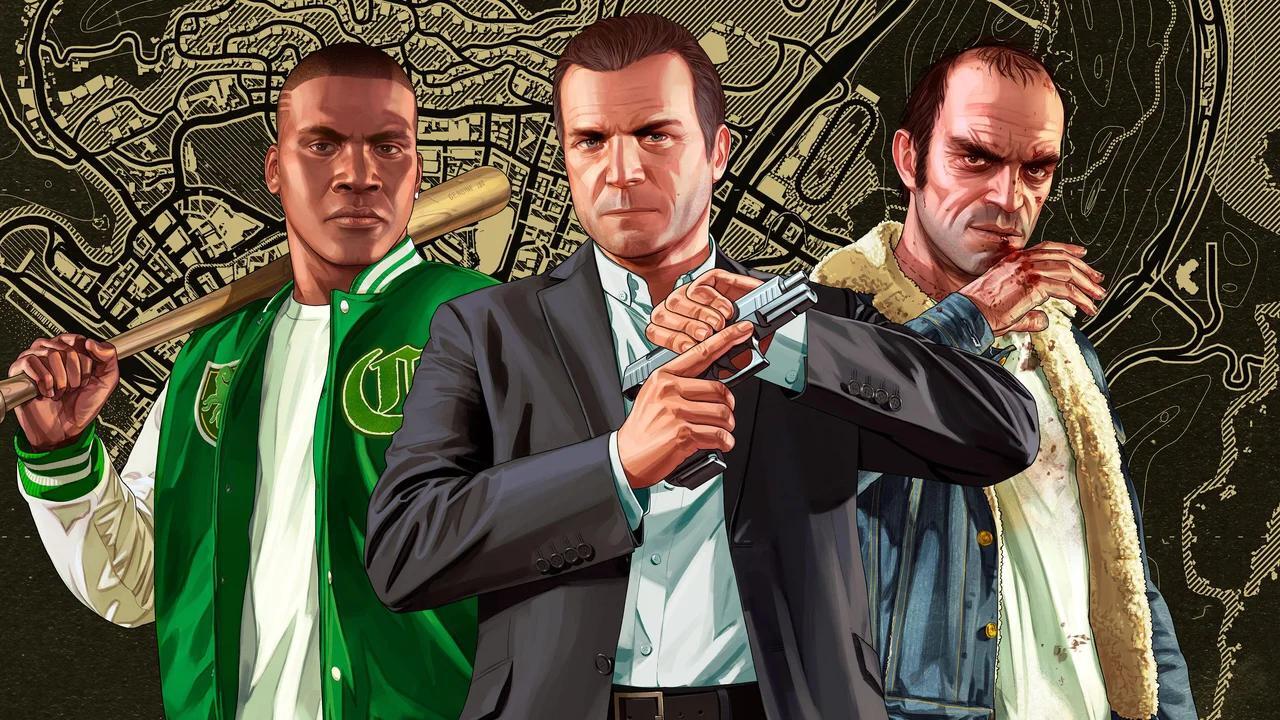
7. Grand Theft Auto V
Grand Theft Auto V pushed the boundaries of open-world design and narrative ambition. Its sprawling Los Santos became a vibrant, often satirical, canvas for player freedom and chaotic escapism. Beyond its massive sales, GTA V cemented the idea that video games could rival Hollywood in production value and cultural commentary, even if that commentary often sparked debate. It’s a landmark for scale and immersion.