

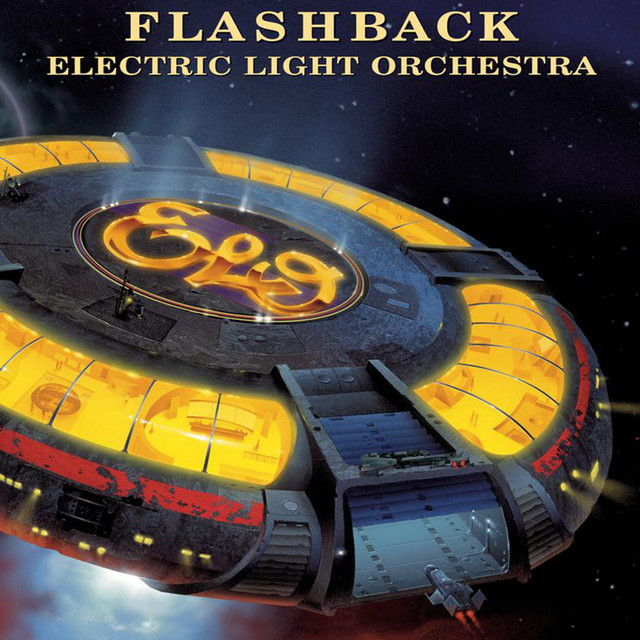
1. Flashback
Dee D. Jackson's "Flashback" is pure cosmic disco, a testament to the European studio wizardry of the late '70s. The arpeggiated synthesizers, particularly that driving sequencer line, create an almost otherworldly propulsion. And yet, the production retains a warmth, an analog sheen that digital never quite replicated. It's a precisely engineered dancefloor journey, perfectly capturing that era's futuristic optimism, all built from discrete components and tape.
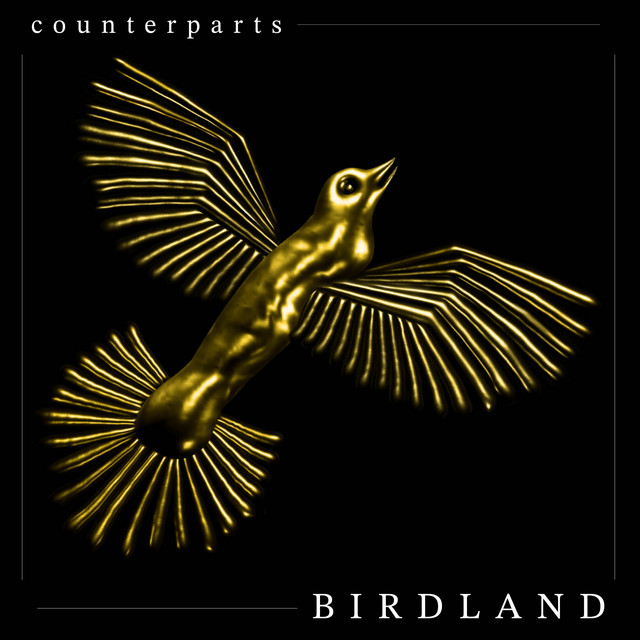
2. Birdland
Weather Report's "Birdland" remains a foundational text in jazz-fusion, a masterclass in ensemble interplay and melodic invention. Joe Zawinul’s synthesizer voicings, especially that instantly recognizable main theme, are pivotal, blending acoustic sensibility with nascent electronic textures. And Jaco Pastorius's fluid, fretless bass work, so distinct and lyrical, anchors the piece, demonstrating what truly gifted musicians could achieve in the pre-digital studio.
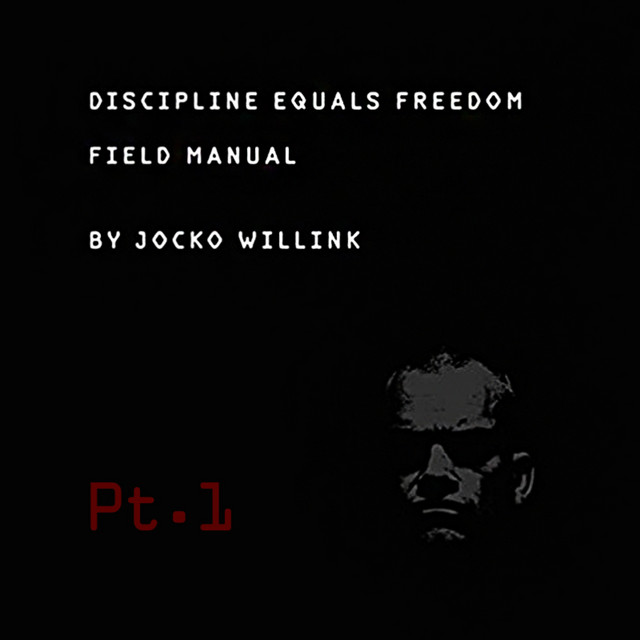
3. Discipline Equals Freedom Field Manual, Pt. 1 (Thoughts)
SPK's "Discipline Equals Freedom Field Manual, Pt. 1 (Thoughts)" is a stark, unsettling transmission from the industrial frontier. Its rhythmic core, built from sampled metallic clangs and processed vocal fragments, creates a suffocating atmosphere. This wasn't merely music; it was sonic warfare, meticulously constructed in a pre-DAW environment, relying on tape loops, crude samplers, and sheer, grinding will to convey its bleak vision.
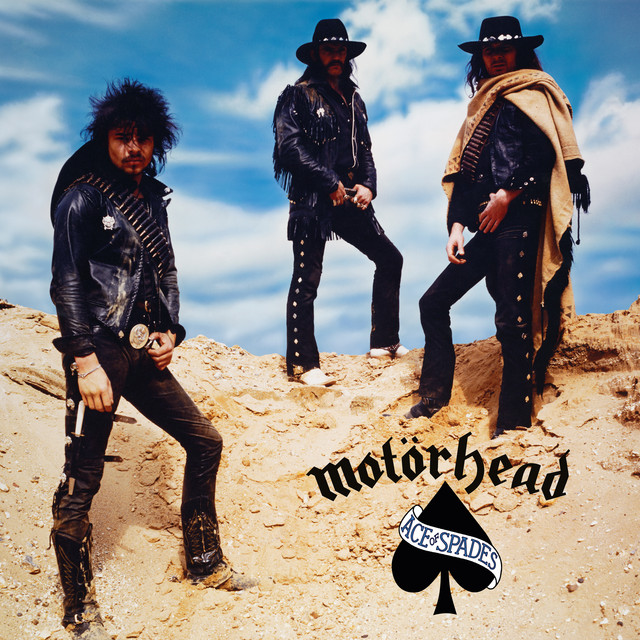
4. Ace of Spades
Motörhead’s "Ace of Spades" is an unholy racket, a three-chord blitzkrieg that tore through the early '80s. Lemmy’s gravel-throated bark, combined with Philthy Animal Taylor’s unrelenting drumming and Fast Eddie Clarke’s no-frills guitar, defined a new blueprint for speed and aggression. The production, while raw, perfectly captures their live ferocity, a testament to capturing lightning in a bottle before click tracks dominated studio floors.

5. Blue Monday
New Order's "Blue Monday" is a technological marvel, an austere yet utterly compelling dance track. Its iconic drum machine pattern, reportedly hand-programmed on a custom-built sequencer, laid the groundwork for countless electronic rhythms. The layered synths, cold and precise, created a new sonic architecture, proving that machines could deliver profound emotional weight, all without resorting to organic warmth or traditional rock instrumentation.
6. A Forest
The Cure’s "A Forest" is a masterclass in atmospheric gloom, a dark wave anthem that defined a mood. Robert Smith’s guitar, drenched in reverb and chorus, weaves a haunting melody over Simon Gallup’s driving, melancholic bassline. And the sparse, almost skeletal arrangement, recorded with an impressive sense of space, allowed every element to breathe, crafting a chilling narrative through sound alone on multi-track tape.
7. Don't Stop The Magic
Teddy Pendergrass’s "Don't Stop The Magic" is pure, unadulterated post-disco boogie, a masterclass in sophisticated groove. The tight rhythm section, punctuated by bright horns and shimmering synthesizers, creates an irresistible propulsion. And Pendergrass’s commanding, yet tender, vocal delivery elevates it beyond mere dance music into something truly soulful, a testament to opulent, meticulously arranged studio craft from a live band.
8. Love Can't Turn Around
Farley Jackmaster Funk’s "Love Can't Turn Around" is early house music at its most essential, a raw, joyous explosion of sound. Darryl Pandy’s impassioned, gospel-tinged vocals soar over a relentless Roland 909 beat and simple, yet infectious, bassline. This track, forged in Chicago clubs with nascent technology, proved the power of repetition and emotion, stripped down to its absolute dancefloor core, recorded direct.

9. UFO
ESG’s "UFO" is a minimalist funk manifesto, a percussive marvel that influenced generations. Its skeletal arrangement – a hypnotic bassline, sparse guitar stabs, and raw, insistent drumming – created a groove so deep it felt elemental. This was about what you *didn't* play, about negative space, proving that maximum impact could be achieved with absolute economy, recorded live and unfussy, before digital intervention.
10. Head Hunters
Herbie Hancock’s "Head Hunters" redefined funk and jazz-fusion, a pivotal moment where synthesizers truly found their voice. The album’s infectious grooves, anchored by Paul Jackson’s bass and Harvey Mason’s drums, are augmented by Hancock’s pioneering use of the ARP Odyssey and Mellotron. It's a masterclass in analog synthesis and tight, improvisational funk, shaping the sound of a decade with its innovative studio approach.
11. Rise Above
Black Flag’s "Rise Above" is the sound of pure, unadulterated hardcore punk, a furious, visceral scream against conformity. Greg Ginn's angular, almost atonal guitar riffs, combined with Chuck Dukowski’s propulsive bass and the relentless drumming, created a wall of sound. The raw, no-frills recording captured their explosive energy, a defiant middle finger delivered with maximum speed and minimum polish, straight to tape.
12. The Message
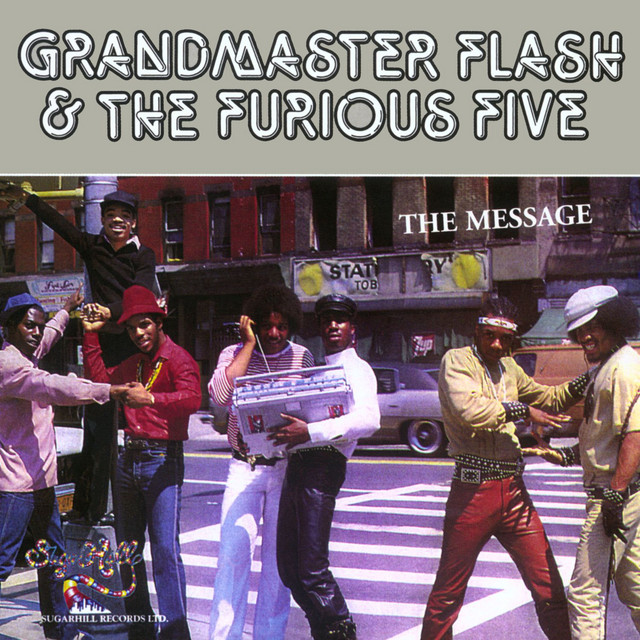
Grandmaster Flash & The Furious Five’s "The Message" was a seismic shift, transforming rap from party music into urgent social commentary. The stark, almost industrial beat, built around a Roland CR-78 and a Prophet-5 synth, provided a grim backdrop to Melle Mel’s stark lyrical observations. It was a pre-digital masterpiece of mood and message, proving the profound power of rhythm and rhyme as a social tool.