
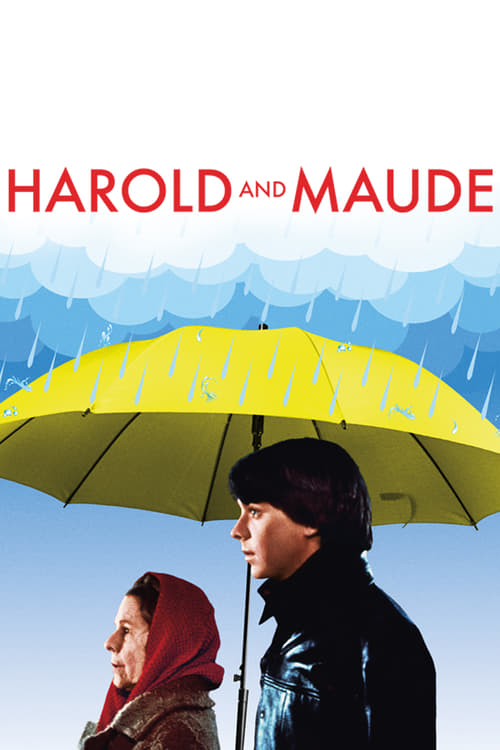
1. Harold and Maude
This film feels like a blueprint for how AI could generate truly unique, heartwarming stories. Imagine an algorithm that learns human connection not from typical rom-coms, but from the beautifully offbeat. Its quirky charm and dark humor show that narratives don't need conventional logic to resonate deeply. Plus, it explores taboo relationships with such grace, it's a masterclass in pushing storytelling boundaries, even without VR headsets.
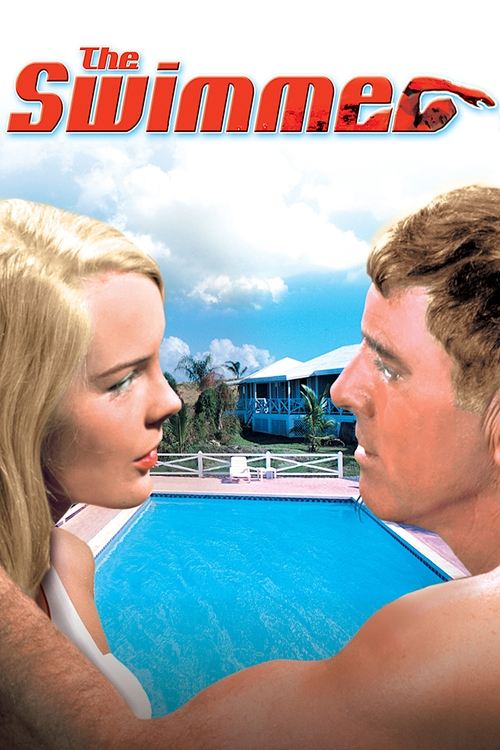
2. The Swimmer
This movie is like a fever dream unfolding in plain sight, a perfect example of how virtual reality could warp perception. Burt Lancaster's journey through those backyard pools feels less like a literal swim and more like a descent into a fragmented memory, or a simulation gone awry. It captures that unsettling feeling when reality starts to fray, making you wonder if you're truly present or just experiencing a hyper-realistic, yet broken, narrative.
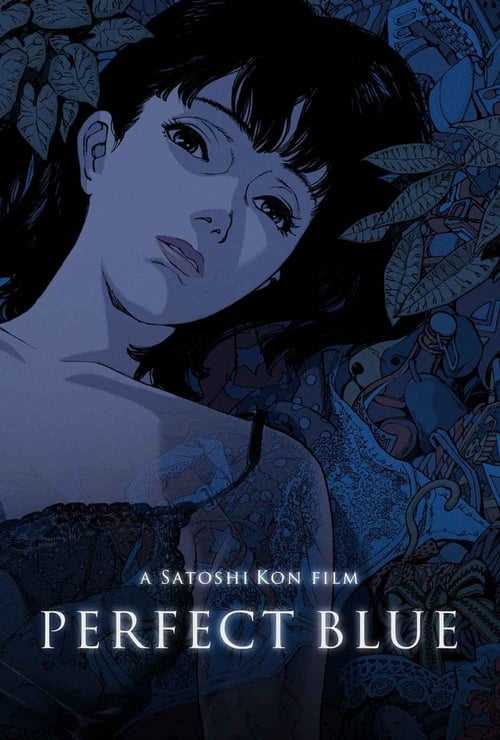
3. Perfect Blue
Before deepfakes and AI-generated personas were common, this anime showed the chilling potential of digital identity and blurring lines between reality and fiction. It's a psychological thriller that feels incredibly relevant now, exploring how public perception and online personas can consume an individual. This film is a stark reminder for future AI narrative designers about the ethical tightrope walk of creating compelling, yet potentially dangerous, virtual worlds.
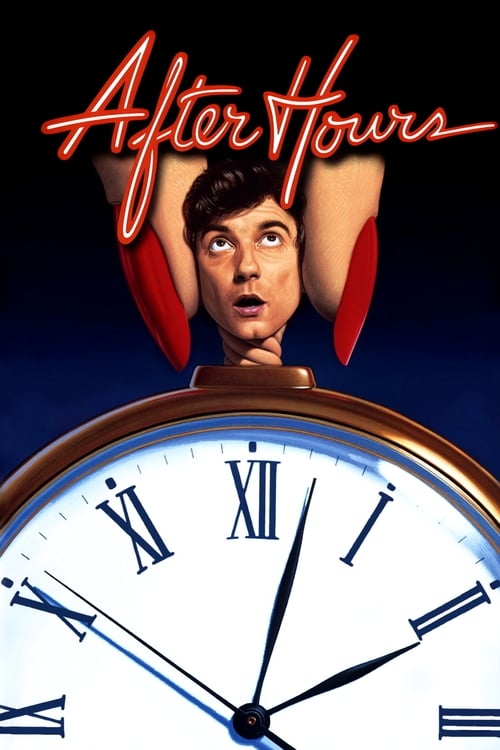
4. After Hours
This is a masterclass in controlled chaos, a scenario perfect for an AI-driven choose-your-own-adventure game where every decision leads to more absurd, inescapable consequences. The protagonist's increasingly bizarre night in SoHo feels like a meticulously crafted virtual reality experience designed to induce anxiety and existential dread. It’s a hilarious, yet terrifying, dive into urban paranoia that still feels fresh, proving that innovative storytelling never truly ages.
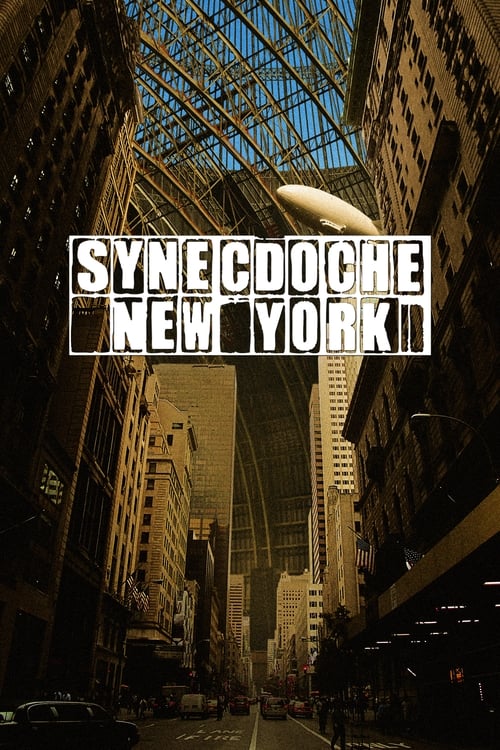
5. Synecdoche, New York
This film is the ultimate meta-narrative, showing how far we can push storytelling within a story. It's like an AI trying to simulate an entire life, creating infinite layers of reality and artifice. The sheer ambition of its scope, building a literal replica of life, is mind-boggling. It makes you think about how future immersive experiences might blur the lines between creation and existence, challenging our very perception of what's real.
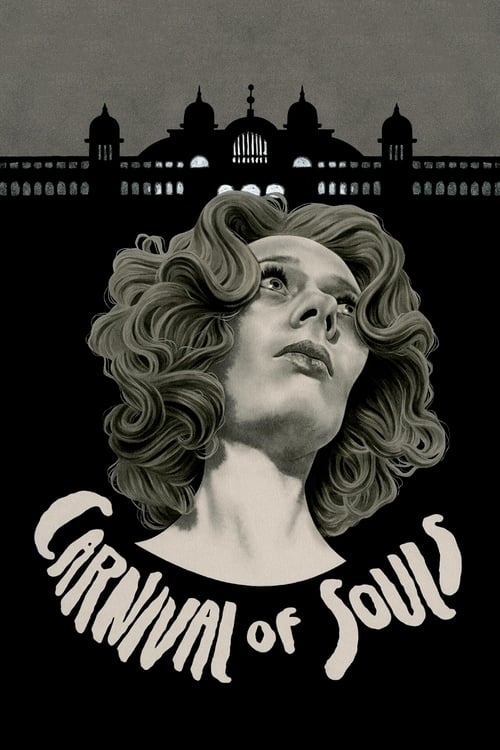
6. Carnival of Souls
This independent horror classic proves you don't need massive budgets or cutting-edge CGI to create an utterly unsettling atmosphere. Its stark, dreamlike quality and sense of pervasive dread could inspire future VR horror experiences that rely on psychological discomfort rather than jump scares. The film’s quiet, persistent creepiness shows how effective a minimalist approach can be when crafting narratives that get under your skin and stay there.
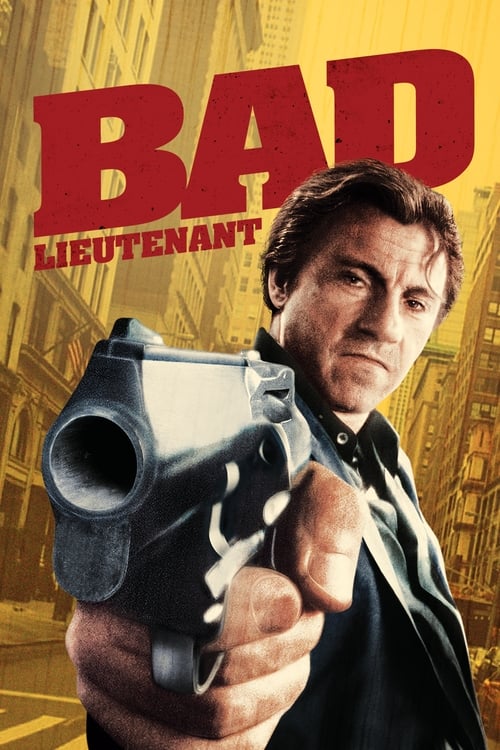
7. Bad Lieutenant
Abel Ferrara’s raw, unflinching look at moral decay is a powerhouse. It doesn't shy away from the ugly truths, pushing boundaries with its gritty realism and intense character study. This kind of narrative, without judgment, offers a template for AI-generated stories that explore the complex depths of the human psyche. It’s a challenging watch, but shows how powerful unfiltered, visceral storytelling can be, even when confronting uncomfortable realities head-on.