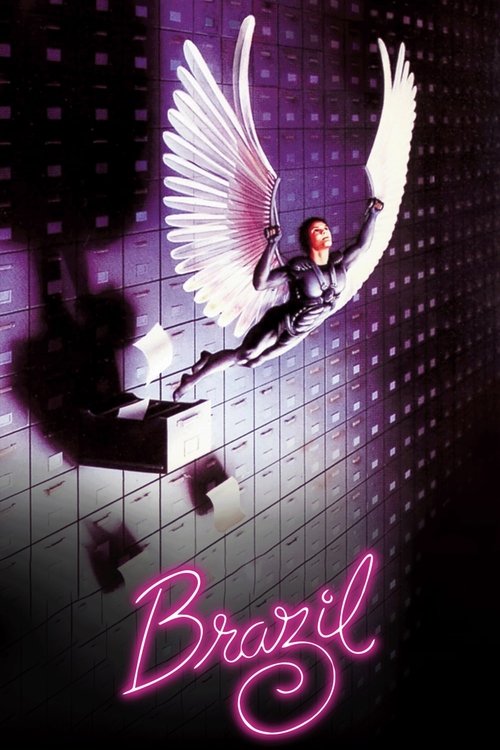
1. Brazil
Terry Gilliam’s 1985 vision of a retro-futuristic bureaucracy is still so sharp. It's a wild ride into a world where paperwork reigns and dreams offer the only escape. You can totally see how its blend of mundane oppression and surreal flights of fancy could inspire complex AI-driven narratives, letting players navigate absurd systems or craft their own virtual rebellions. It really challenges what 'real' even means.
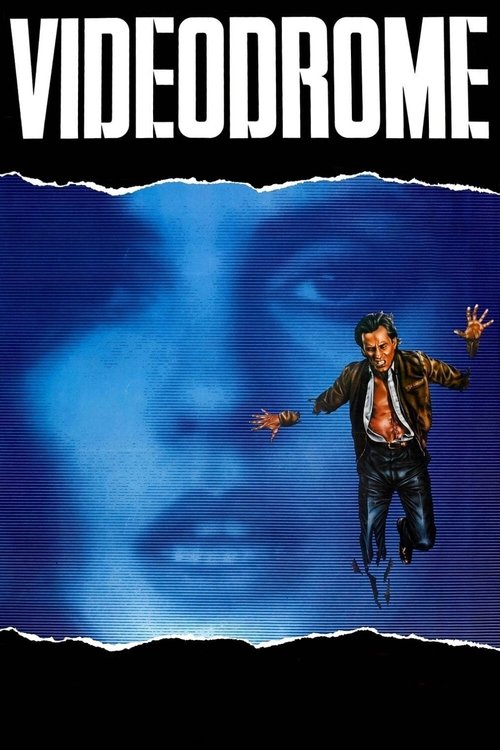
2. Videodrome
David Cronenberg’s 1983 classic is incredibly prescient, right? It shows how media can literally warp perception and reality, blurring the lines between what’s real and what’s broadcast. This deep dive into media's power and its physical effects feels so relevant for VR experiences and AI that crafts hyper-personalized, potentially invasive narratives. It makes you think about how immersive tech might mess with our minds, and where the story truly ends.

3. Primer
Shane Carruth's 2004 indie gem, *Primer*, is a masterclass in complex, grounded sci-fi. It throws you into time travel with such gritty realism, focusing on the tangled consequences rather than flashy effects. For future storytellers, especially with AI, its layered narrative and reliance on viewer interpretation are gold. Imagine AI-generated branching paths that mimic this film's intricate web, pushing players to truly piece together their own complex, unfolding reality. It’s super smart.

4. Dark City
Dark City from 1998 is such a cool take on a constructed reality. The Strangers literally reshape the city and people's memories every night, exploring identity within a fabricated world. This concept is pure fuel for VR narratives, where environments and backstories can be dynamically altered by AI. It makes you wonder what happens when the 'game master' isn't just a designer but an evolving intelligence, constantly rewriting the rules and your past. Super atmospheric too.
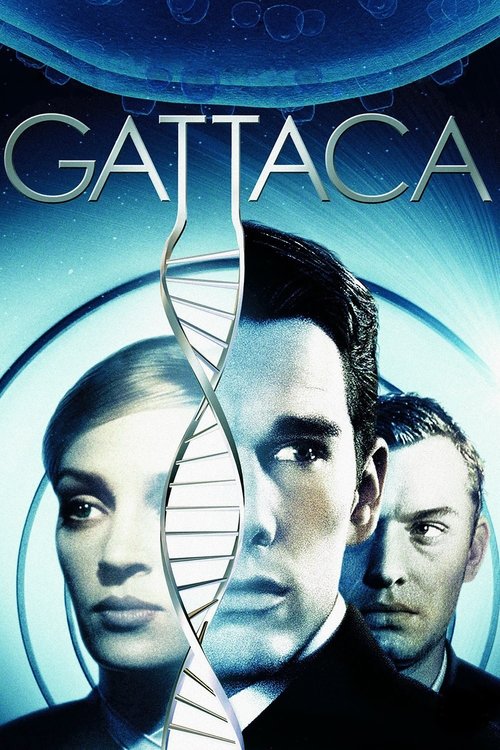
5. Gattaca
Gattaca (1997) still hits hard with its depiction of a society defined by genetic destiny. It's about breaking free from predetermined paths, even when the system is rigged. For AI-driven stories, this raises awesome questions about player agency within highly structured virtual worlds. Could AI craft personalized narratives that challenge 'genetic' predispositions, allowing players to forge their own identity against incredible odds? It’s a hopeful, human story within a rigid future.
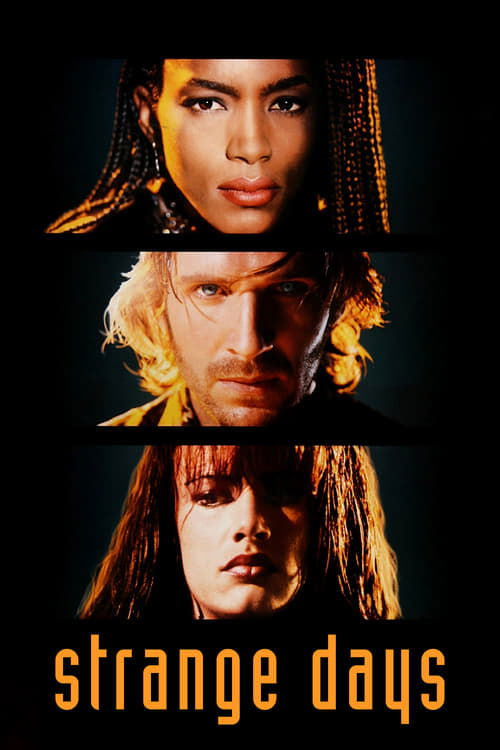
6. Strange Days
Strange Days (1995) practically predicted the immersive tech we’re still chasing. It’s all about recording and re-experiencing memories, letting you literally walk in someone else's shoes. This film directly tackles the ethical gray areas of VR and shared experiences, anticipating how AI might curate or even manipulate these memory streams. It really highlights the power of empathy, but also the dangers of voyeurism when reality becomes so perfectly reproducible. So ahead of its time.

7. Paprika
Satoshi Kon's 2006 *Paprika* is a dazzling, mind-bending trip into shared dreams and the collective unconscious. It blurs reality and fantasy in such a vibrant, imaginative way. This movie is a blueprint for what AI could do with dream-like VR experiences, where narratives are less linear and more about emotional states or subconscious exploration. Imagine AI crafting a shared dreamscape where the rules of physics are suggestions, and every encounter is deeply symbolic. So cool and visually stunning.

8. Coherence
Coherence (2014) is a brilliant, low-budget indie that plays with quantum mechanics and alternate realities during a dinner party. It’s a masterclass in unsettling psychological suspense, showing how small choices ripple across infinite possibilities. This film is a goldmine for AI-driven branching narratives, where player decisions could genuinely splinter the story into countless parallel universes, making every playthrough unique and deeply personal. It proves you don't need huge effects for huge ideas.