
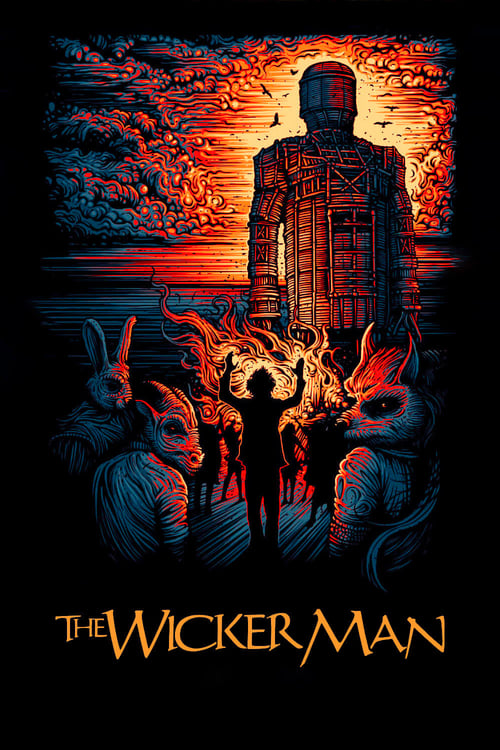
1. The Wicker Man
Robin Hardy's *The Wicker Man* from 1973 stands as a foundational text in folk horror, its narrative building a suffocating sense of dread rather than relying on jump scares. Sergeant Howie's devout Christian beliefs clash tragically with the pagan rituals of Summerisle, revealing a meticulous, insidious logic to their isolated society. Christopher Lee's Lord Summerisle exudes a chilling, seductive charm, guiding Howie towards a shocking, unforgettable sacrifice. The film's enduring power lies in its exploration of faith, primal fear, and cultural collision, leaving a lasting, unsettling impression.

2. Point Blank
John Boorman's *Point Blank* (1967) is a quintessential neo-noir, a brutal, stylish revenge tale that feels both dreamlike and starkly real. Lee Marvin's Walker is a man out of time, a ghost stalking a sun-drenched, modernist Los Angeles, relentlessly pursuing his betrayal. Boorman employs a fractured, non-linear narrative and an almost minimalist visual style, emphasizing alienation and the futility of violence. It's a masterclass in mood and character, less about plot mechanics and more about the existential weight of a man wronged.
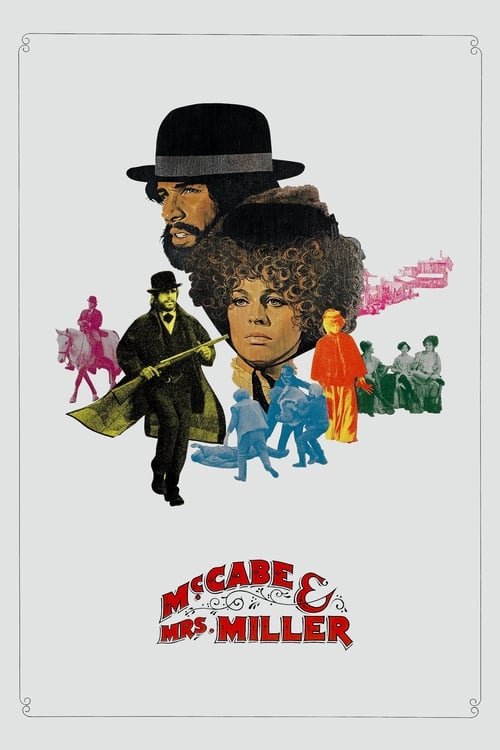
3. McCabe & Mrs. Miller
Robert Altman's 1971 anti-western, *McCabe & Mrs. Miller*, fundamentally redefines the genre. It's a film steeped in a hazy, naturalistic aesthetic, capturing the muddy, raw existence of a frontier town. Warren Beatty's McCabe and Julie Christie's Mrs. Miller are deeply human, flawed entrepreneurs trying to carve out a living in a world both beautiful and brutal. Altman's overlapping dialogue and subtle character work create an immersive, melancholic portrait of ambition, love, and inevitable loss, culminating in a snow-swept, haunting finale.
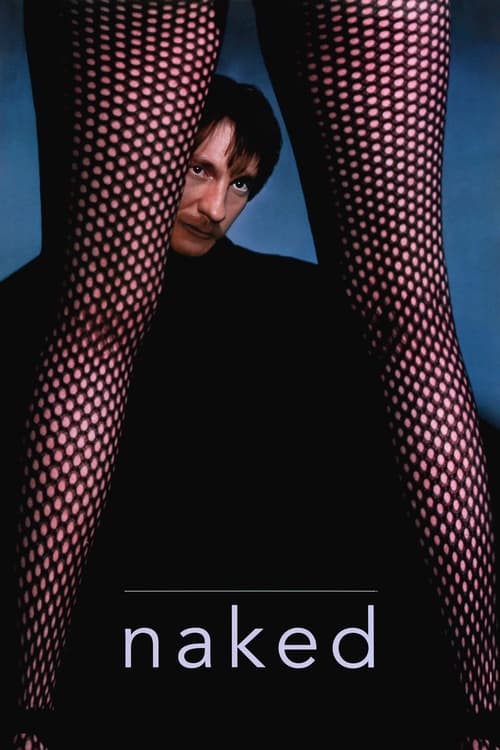
4. Naked
Mike Leigh's *Naked* (1993) is a confrontational, unflinching exploration of urban alienation and intellectual despair. David Thewlis delivers a blistering performance as Johnny, a verbose, nihilistic drifter who verbally assaults everyone he encounters during a nightmarish peregrination through London. The film's raw, almost documentary-like style and its relentless, often uncomfortable dialogue create an intensely unsettling experience. It's a profound, if bleak, meditation on human connection, misogyny, and the search for meaning in a seemingly meaningless world.

5. Withnail & I
Bruce Robinson's *Withnail & I* (1987) remains a towering achievement in British black comedy, a perfectly quotable, melancholic ode to failed artistic ambition and decaying friendship. Richard E. Grant and Paul McGann are unforgettable as the two unemployed actors whose disastrous trip to the countryside yields both hilarity and profound sadness. Its acerbic wit, iconic dialogue, and the palpable sense of late-sixties disillusionment resonate deeply, cementing its status as a cult classic that only grows richer with repeat viewings.
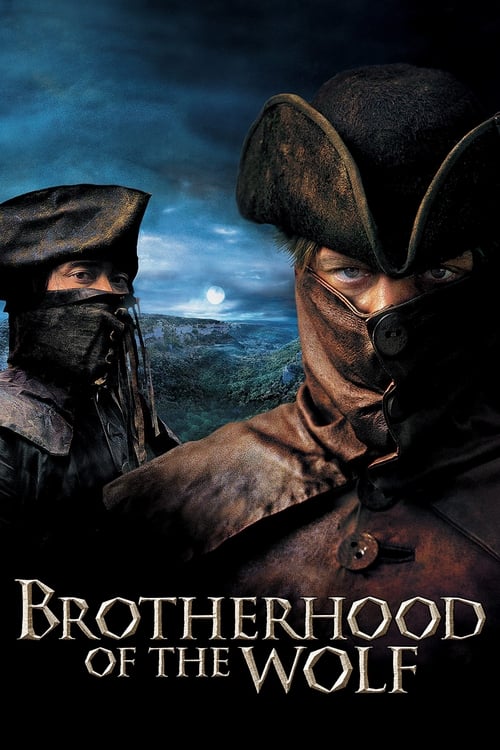
6. Brotherhood of the Wolf
Christophe Gans' *Brotherhood of the Wolf* (2001) is a fascinating, maximalist genre hybrid, blending historical horror, martial arts, and political intrigue into a visually stunning spectacle. Set in 18th-century France, it dramatizes the legend of the Beast of Gévaudan with lavish production design and dynamic action sequences. Samuel Le Bihan and Mark Dacascos lead a compelling ensemble, navigating a labyrinthine plot that delves into conspiracy and superstition. It's an ambitious, often overlooked epic that rewards revisiting for its sheer inventiveness and distinct aesthetic.
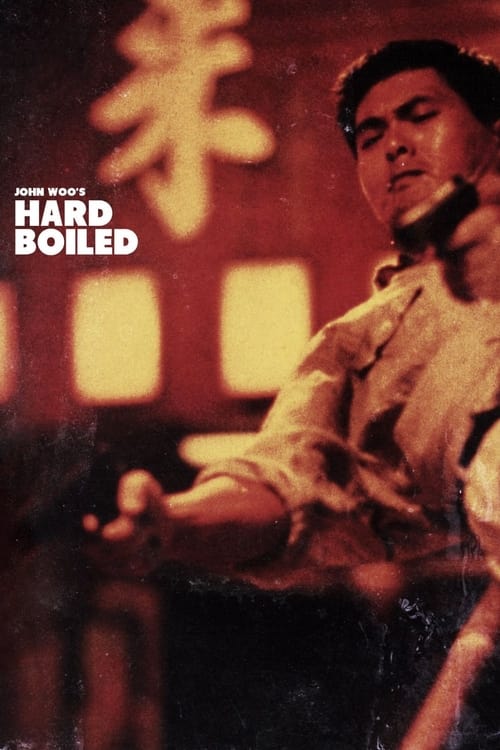
7. Hard Boiled
John Woo's *Hard Boiled* (1992) is the apotheosis of Hong Kong action cinema, a relentless, operatic symphony of bullets and brotherhood. Chow Yun-fat's Inspector Tequila is an iconic embodiment of the "heroic bloodshed" archetype, navigating a morally ambiguous underworld. The film's extended, balletic action sequences, particularly the hospital shootout, remain unparalleled in their choreography and visceral impact. It's a masterclass in kinetic filmmaking, pushing the boundaries of what action cinema could achieve, a true spectacle demanding multiple views.

8. Blow Out
Brian De Palma's *Blow Out* (1981) is a masterful, paranoid thriller that owes as much to Hitchcock as it does to Italian Giallo. John Travolta delivers a career-best performance as Jack Terry, a sound engineer who accidentally records evidence of a political assassination. De Palma meticulously crafts a world of surveillance and conspiracy, using exquisite camera work and groundbreaking sound design to immerse the viewer in Jack's desperate quest for truth. It’s a cynical, stylish, and deeply unsettling commentary on power and cover-ups.
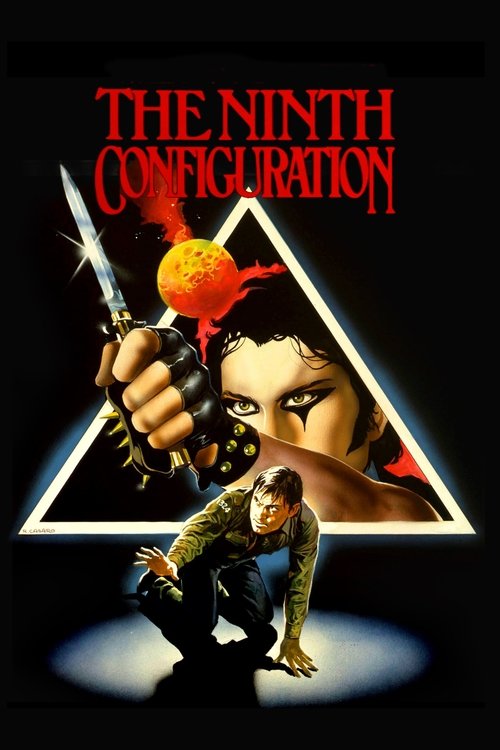
9. The Ninth Configuration
William Peter Blatty's *The Ninth Configuration* (1980), a deeply idiosyncratic psychological drama, defies easy categorization. Set in a gothic asylum for disturbed servicemen, it probes profound questions of faith, sanity, and heroism. Stacy Keach delivers a powerful performance as a compassionate psychiatrist navigating the absurd yet profound delusions of his patients. Blatty, adapting his own novel, crafts a darkly humorous, philosophical, and ultimately moving exploration of the human spirit's capacity for both madness and redemption. It's an underrated gem.