

1 / 12
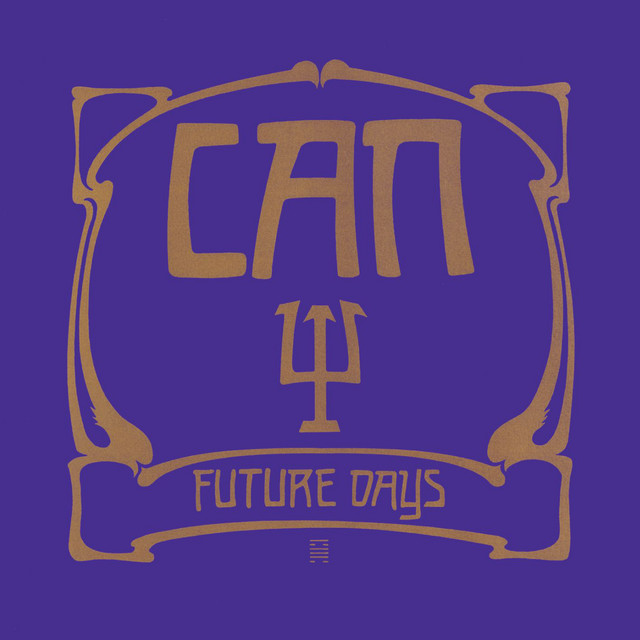
1. Future Days (Remastered Version)
This 2006 remastered version of Can’s 1973 opus still shimmers with that unique krautrock pulse. It’s an ethereal, rhythmic journey, a testament to what happens when jazz sensibilities meet rock’s raw power and then dissolve into pure sonic exploration. The mastering here retains the original's hypnotic depth, letting Holger Czukay’s bass lines truly breathe, propelling you through vast, atmospheric soundscapes. It's the sound of consciousness expanding, and the fidelity of this edition truly serves that vision. A foundational trip.
2 / 12
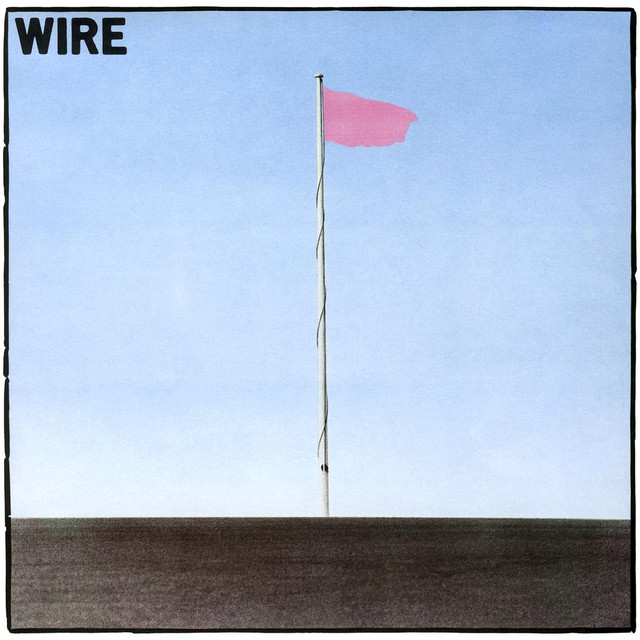
2. Pink Flag (2006 Remastered Version)
Wire’s debut, presented here in its 2006 remastered glory, remains a stark, uncompromising declaration. This isn't just punk; it's an exercise in brutalist minimalism, stripping rock down to its bone and sinew. Each track is a concise, urgent statement, often ending abruptly, leaving no fat whatsoever. The remastering sharpens the edges, making those staccato guitar riffs and Colin Newman’s detached delivery even more potent. It's a blueprint for post-punk, a masterclass in economy and impact.
3 / 12
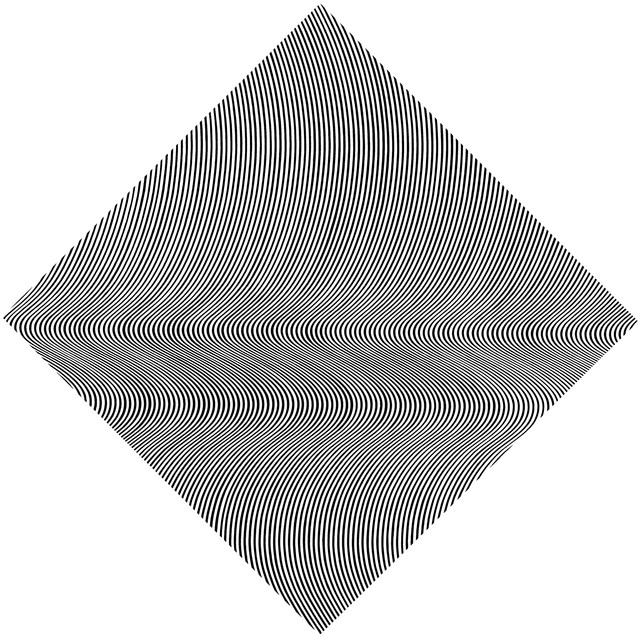
3. The Faust Tapes
Forget convention; Faust’s 1973 *The Faust Tapes* is a glorious mess, a cut-up collage of krautrock ambition and industrial-grade noise. This was originally sold at the price of a single, a deliberate provocation, and the content is equally jarring. You get field recordings, warped melodies, and raw, untamed experimentation stitched together with audacious disregard for continuity. It's not a comfortable listen, but it's an essential, mind-altering document of a band pushing every boundary, daring you to follow.
4 / 12
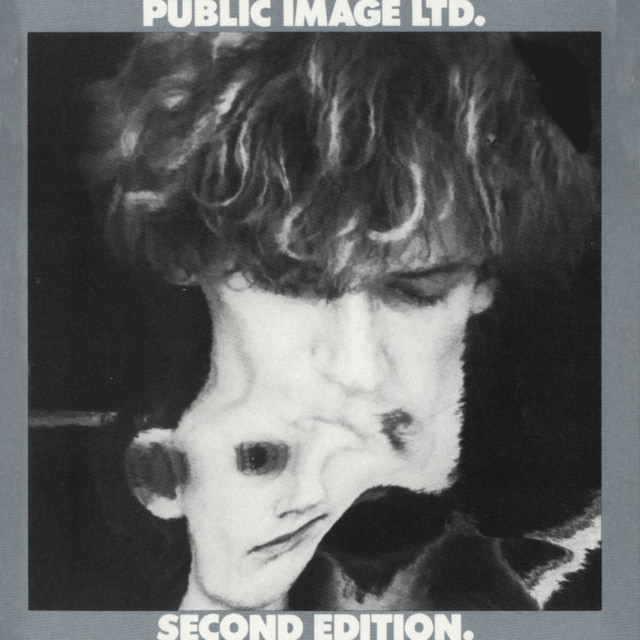
4. Second Edition
Public Image Ltd.’s 1979 *Second Edition*, or *Metal Box* as it was known in its original can packaging, is an industrial-strength testament to post-punk's bleak, deconstructed future. It jettisons punk's three-chord fury for sparse, dub-inflected basslines, metallic percussion, and John Lydon’s chilling, almost spoken-word vocals. This album carved out a new sonic space, one of alienation and stark beauty. Its influence on everything from goth to early industrial is undeniable, a truly unsettling, yet mesmerizing, experience.
5 / 12
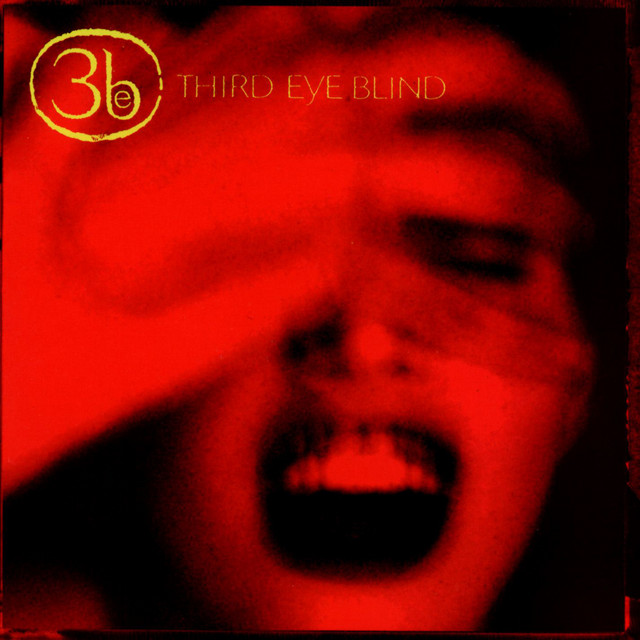
5. Third Eye Blind
While chronologically a bit later than my usual beat, the self-titled debut from Third Eye Blind, 1997, carries a certain melodic post-punk sensibility beneath its radio-friendly sheen. It’s got a jangling, almost Byrdsian quality to its guitars at times, albeit filtered through a 90s lens. The lyrics are often sharper than the average alt-rock fare, hinting at anxieties that echo the earlier, more introspective strains of the 80s. It’s a pop record, yes, but with a surprising amount of grit.
6 / 12

6. Dub Housing
Pere Ubu’s 1978 *Dub Housing* is a jagged, unsettling artifact from Cleveland’s burgeoning post-punk scene. David Thomas’s unique, yelping delivery and the band's avant-garde approach to rock structure create something truly bizarre and compelling. It’s a collision of industrial clang, bluesy deconstruction, and a frantic energy that feels perpetually on the verge of collapse. And yet, there's a strange, almost grotesque catchiness to its angular rhythms. It stands as a singular, uncompromising statement of intent.
7 / 12
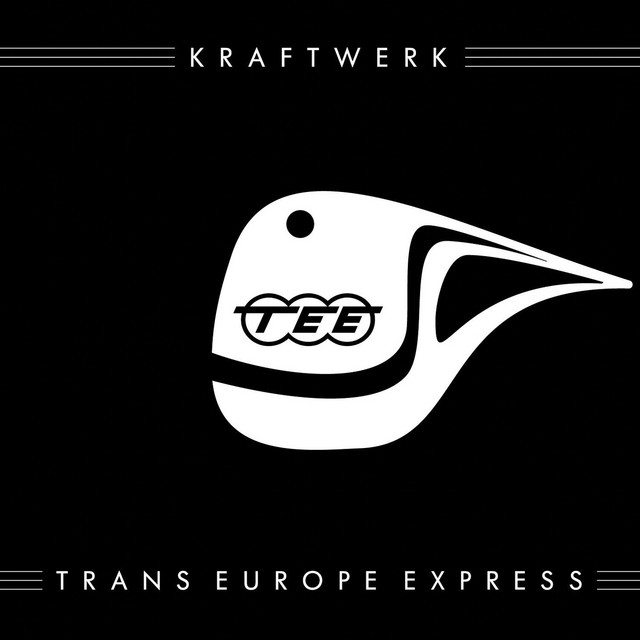
7. Trans-Europe Express (2009 Remaster)
Kraftwerk's 1977 masterwork, here in its 2009 remaster, is the sound of the future arriving, not with a bang, but with a sleek, rhythmic hum. This is electronic minimalism as high art, celebrating the romance of technology and travel. The clarity of this remaster truly brings out the precision of their synthesized melodies and vocoder-processed voices, making the intricate clockwork of each track shine. It's cool, calculated, and utterly revolutionary, laying groundwork for entire genres to come.
8 / 12
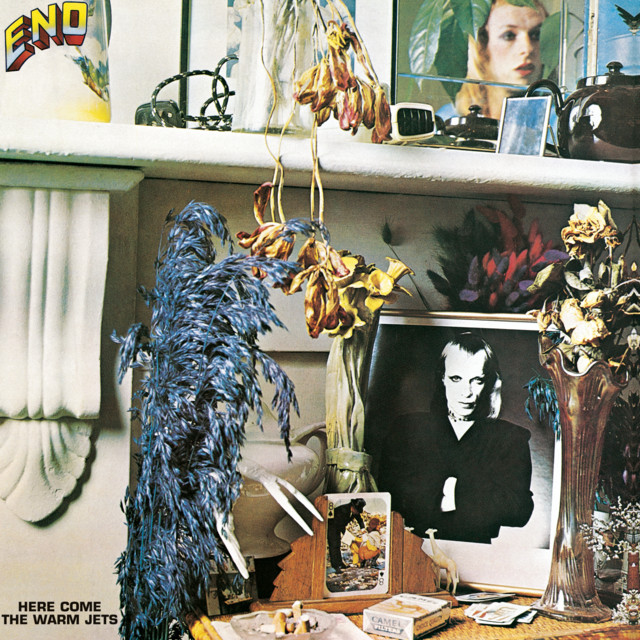
8. Here Come The Warm Jets
Brian Eno’s 1974 solo debut is a delightful, idiosyncratic romp through glam rock's artier fringes and experimental soundscapes. It’s a playful, unpredictable affair, brimming with unusual instrumentation, quirky lyrics, and a healthy dose of sonic mischief. Eno, ever the non-musician, orchestrates a vibrant tapestry of sounds, inviting collaborators to push boundaries without ever losing his distinct, charmingly eccentric vision. This album is a testament to embracing the 'happy accident' in the studio.
9 / 12
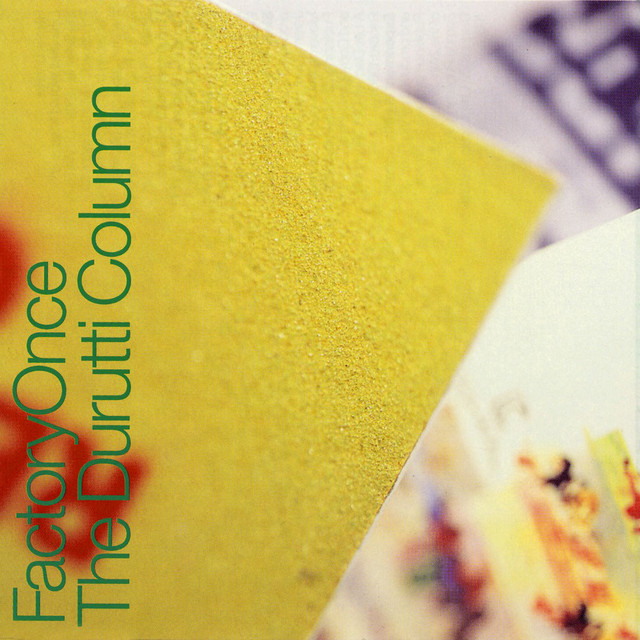
9. The Return of The Durutti Column
Vini Reilly's 1980 debut as The Durutti Column, released on Factory, is a stark, almost fragile counterpoint to punk's aggression. His distinctive, reverb-drenched guitar work, often accompanied by sparse drums and melancholic melodies, creates an atmospheric, introspective sound. It’s a dreamlike, understated beauty, less about overt statements and more about mood and texture. This album whispers where others shout, providing a meditative, almost ambient corner within the post-punk landscape. A truly unique vision.
10 / 12

10. The Modern Lovers (Expanded Version)
Jonathan Richman and The Modern Lovers’ 1976 album, especially this expanded version, is proto-punk at its most earnest and infectious. Recorded years earlier, its raw simplicity and directness pre-date much of the punk explosion, yet carries all the same restless energy. Richman’s innocent, almost childlike observations on modern life and rock'n'roll are delivered with a garage-rock charm that's both endearing and revolutionary. It's stripped-down, honest, and utterly essential.
11 / 12

11. The Barrel-House Blues of Speckled Red
Hailing from the foundational era, Speckled Red's barrel-house piano blues are a raw, undiluted shot of the real deal. This collection captures the essence of early 20th-century juke joint piano, full of rollicking rhythms and a boogie-woogie swagger that practically defines the genre. His playing is earthy, unpolished, and utterly authentic, laying down grooves that would influence countless rock and roll pioneers. It’s a crucial glimpse into the wellspring of American popular music.
12 / 12
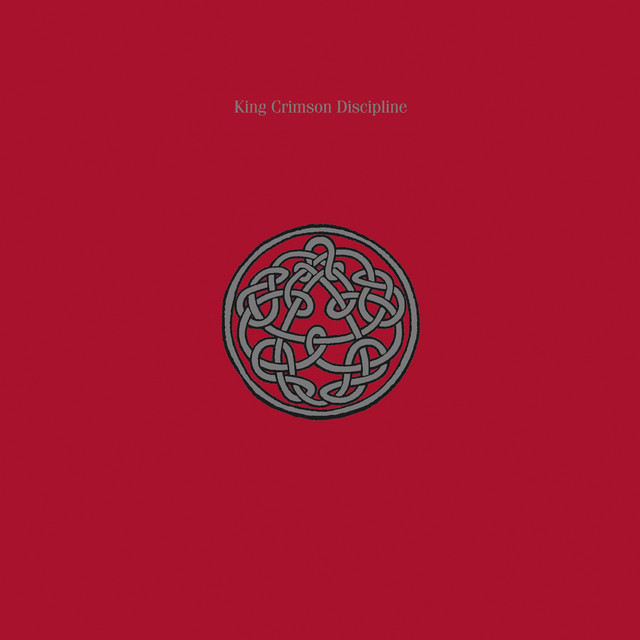
12. Discipline
King Crimson’s 1981 *Discipline* was a radical reinvention, a crisp, angular leap from progressive rock's often-bloated past into a more streamlined, rhythmic future. Robert Fripp’s 'frippertronics' and Adrian Belew’s distinctive guitar work weave intricate, interlocking patterns, often dubbed 'polyrhythmic new wave.' It's precise, intellectual, and yet possesses a surprising drive. This album proved that complexity could be lean and sharp, influencing everything from math rock to post-punk's more ambitious strains.