1. Omikron: The Nomad Soul
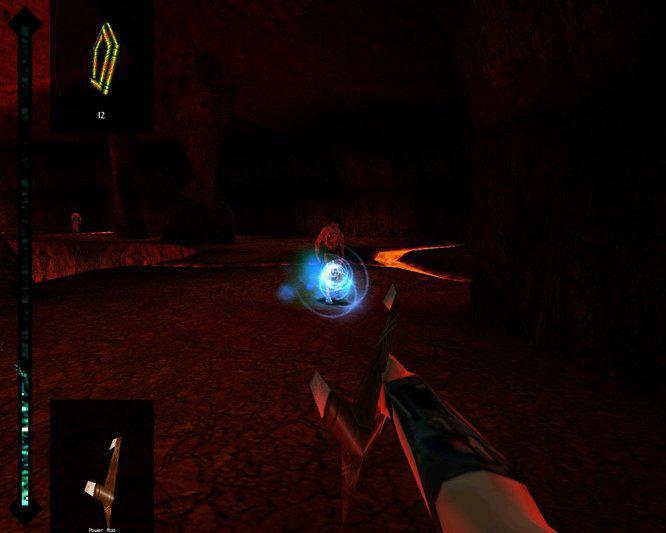
Oh, Omikron. This game was a wild, messy fever dream, starring David Bowie as a digital prophet. It tried to be everything: adventure, fighting, FPS, and even a rhythm game. Sure, it was clunky, and the controls often felt like fighting a greased octopus, but the sheer ambition and the deep, unsettling cyberpunk world stuck with you. It dared to be weird, something most big studios wouldn't touch today, opting for safe, focus-grouped mediocrity. A true cult classic for those who appreciate glorious failure.
2. Sacrifice
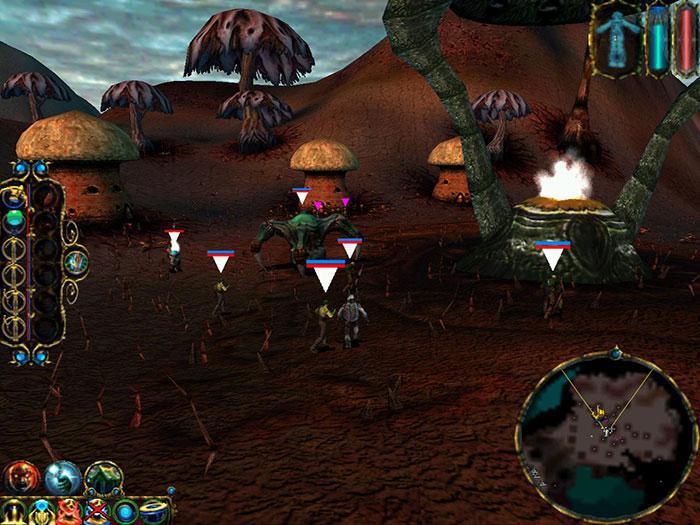
Sacrifice is a real-time strategy gem that got absolutely steamrolled by the Warcrafts and Command & Conquers of its era. You played a wizard, summoning bizarre creatures and flinging god-tier spells across stunning, alien landscapes. The art direction was fantastic, a wonderfully grotesque nightmare, and the gameplay blended action with strategy in a way few games ever managed. It was too innovative for its own good, I guess, a testament to how the industry often overlooks brilliance for the familiar.
3. The Operative: No One Lives Forever
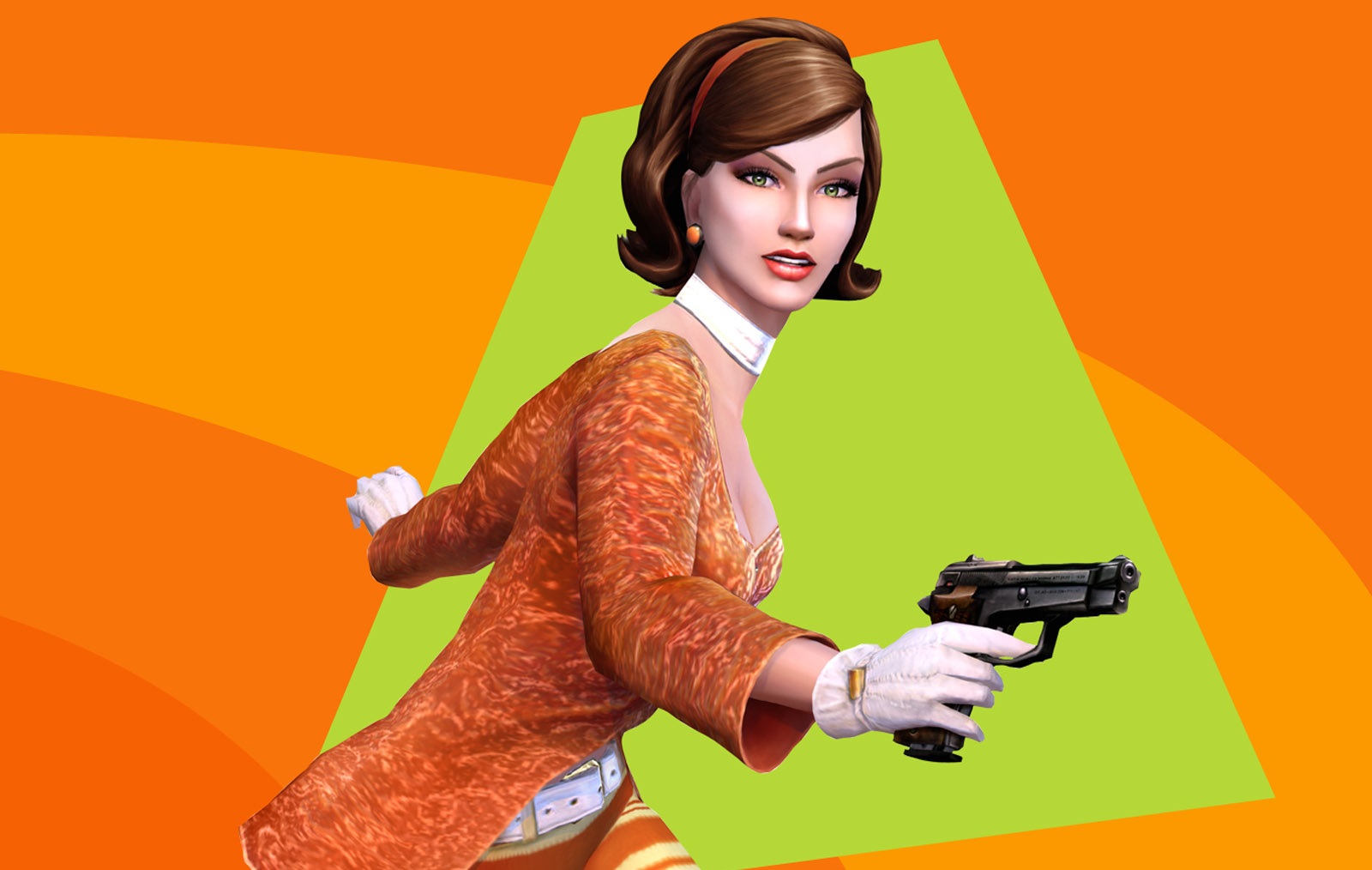
Seriously, how is this game not readily available everywhere? NOLF was peak 60s spy cool, brimming with witty dialogue, fantastic characters, and levels that felt like actual places, not just combat arenas. Cate Archer was a phenomenal protagonist, way before gaming decided women had to be grimdark soldiers. It effortlessly blended stealth, shooting, and genuinely funny moments, making modern "cinematic" shooters look utterly soulless. A tragic loss to IP rights hell, reminding us that sometimes the best games are just gone.
4. Freedom Fighters
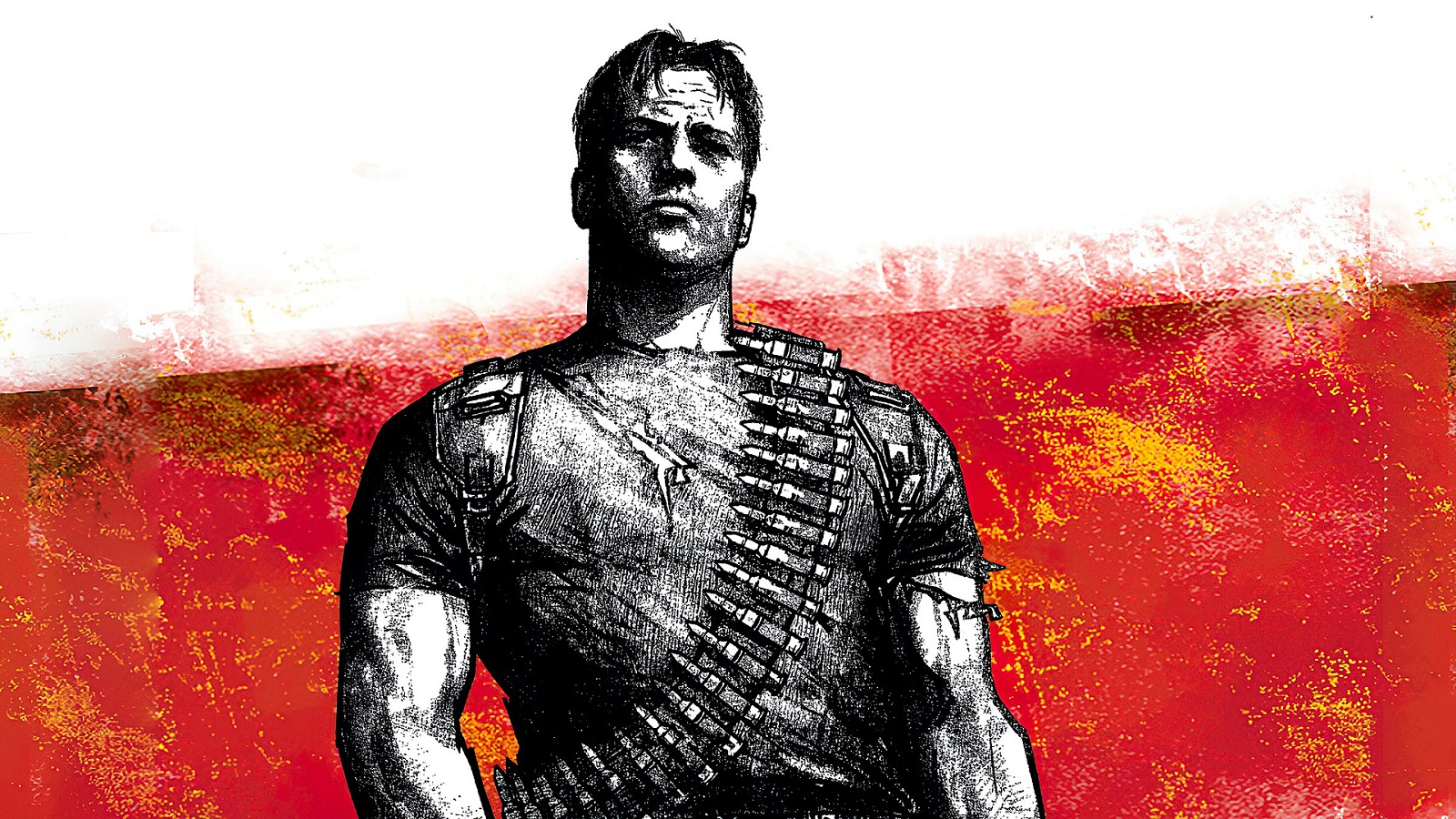
Remember when IO Interactive made more than just Hitman? Freedom Fighters was a gritty, alternate-history squad shooter where the Soviets invaded New York. You were a plumber leading a resistance, recruiting comrades and fighting for every block. The squad mechanics were simple but effective, and the sense of escalating guerrilla warfare was palpable. It had heart, a surprisingly strong narrative, and a unique premise that felt fresh. A precursor to bigger, blander shooters, it deserved so much more recognition.

5. Second Sight
Before Free Radical imploded, they gave us Second Sight. This game had you playing a psychic protagonist, John Vattic, piecing together his past while escaping a shadowy organization. The blend of stealth, action, and genuinely cool psychic powers—teleportation, telekinesis, healing—was incredibly well-executed. Its narrative was surprisingly mature and engaging, a far cry from the often-mindless power fantasies we get today. It's a reminder that compelling stories and innovative gameplay can exist without a massive marketing budget.

6. War of the Monsters
Man, this game was pure, unadulterated kaiju chaos. War of the Monsters let you smash cities to bits as gigantic creatures, duking it out with other beasts across destructible urban environments. It was an arcade fighter done right, simple to pick up but with surprising depth in its environmental interactions. The B-movie aesthetic and over-the-top destruction were fantastic. It wasn't trying to be an epic narrative or a deep RPG, just fun, destructive mayhem – a concept often forgotten in today's overly serious gaming landscape.
7. Rez
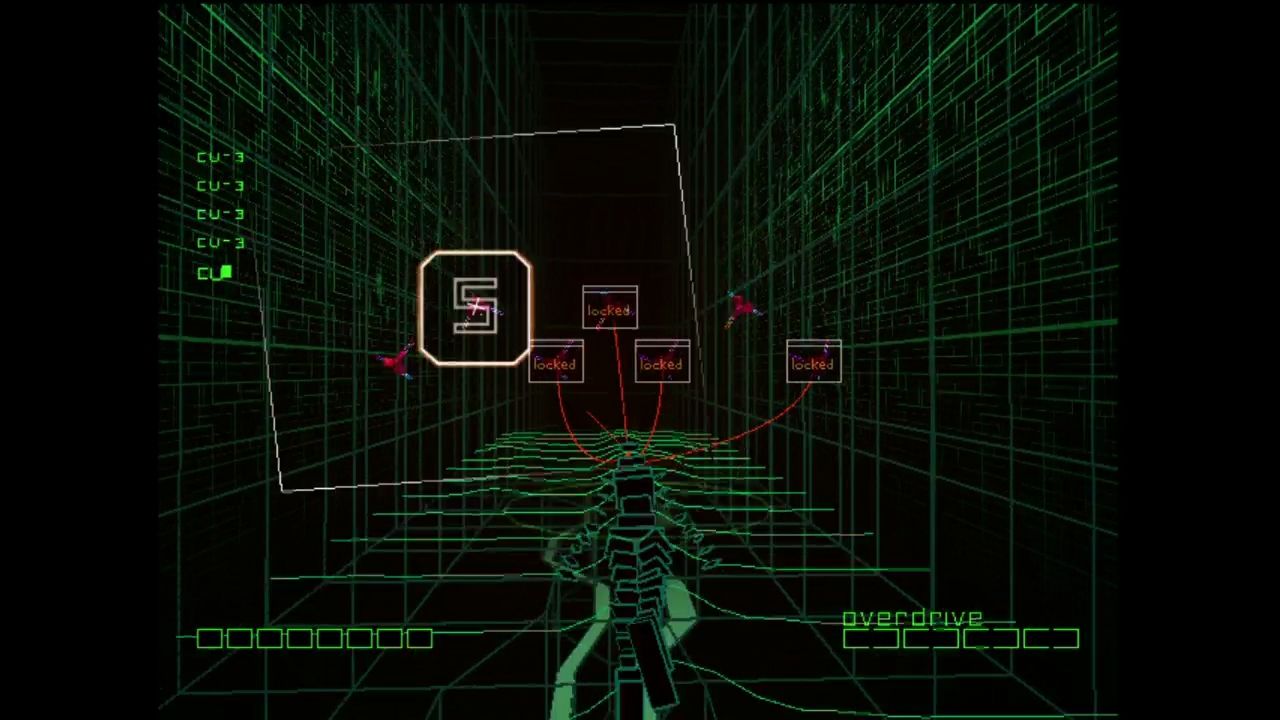
Rez is less a game and more a hypnotic, synesthetic experience. It's an on-rails shooter where every shot, every enemy destroyed, layers into a pulsing, evolving electronic soundtrack. The visuals are abstract, vibrant, and utterly mesmerizing, pulling you into a trance-like state. Playing Rez in VR is something else entirely, but even on a flat screen, it's a testament to how gaming can transcend traditional mechanics to create pure, unadulterated art. It's a journey for your senses, not just your thumbs.
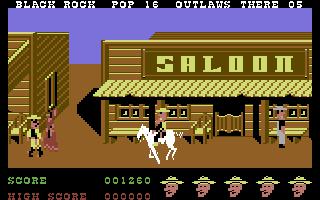
8. Outlaws (1985)
Okay, let's talk about *Outlaws* from 1985, not the more famous LucasArts shooter. This was a Level 9 text adventure, a brutal, unforgiving journey into the Wild West. You were navigating a harsh landscape with limited commands, solving puzzles through pure logic and often, sheer luck. It demanded patience and a vivid imagination, something modern gamers might scoff at. It's a relic, yes, but also a stark reminder of gaming's roots, before graphical fidelity became the sole benchmark for "immersion" and hand-holding tutorials were standard.
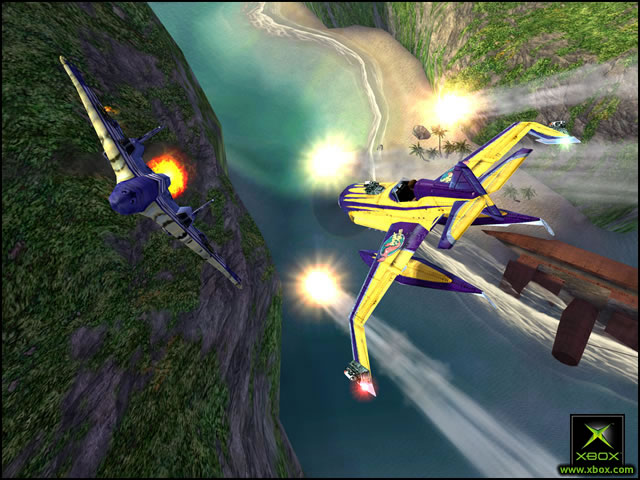
9. Crimson Skies: High Road to Revenge
Crimson Skies: High Road to Revenge on the original Xbox was pure pulp adventure in the sky. Set in an alternate 1930s where air pirates rule the fragmented American continent, you were Nathan Zachary, a charismatic rogue with a custom plane. The dogfighting was tight, arcadey, and incredibly satisfying, with fantastic mission variety and a killer aesthetic. It had style, personality, and a sense of swashbuckling fun that's sorely missing from today's ultra-realistic flight sims. A true gem that flew under too many radars.
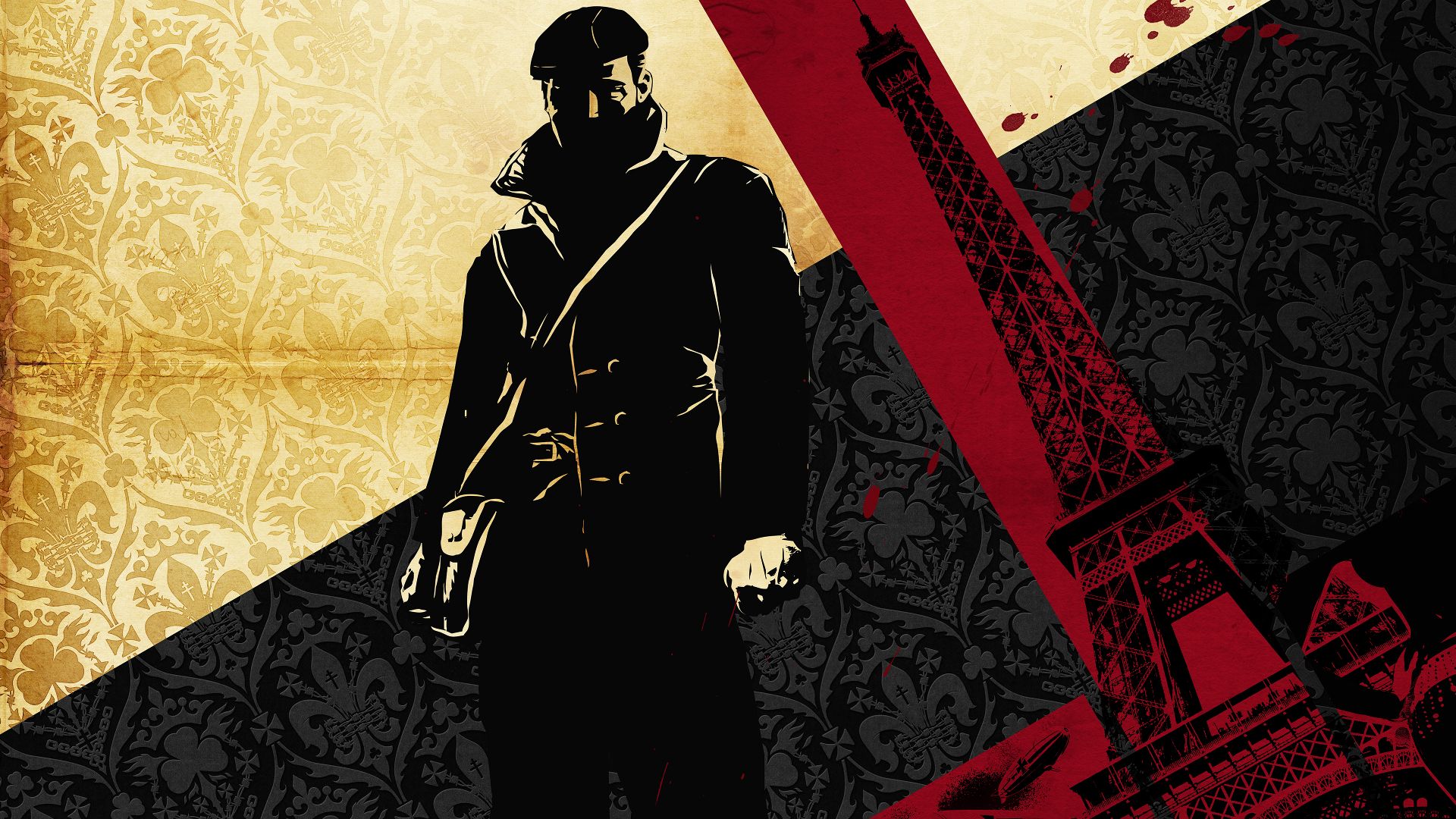
10. The Saboteur
Pandemic Studios' final hurrah, The Saboteur, is often overlooked, and that's a shame. This open-world WWII game had you playing an Irish mechanic turned resistance fighter in Nazi-occupied Paris. Its unique color palette, where occupied areas were black and white until you liberated them, was brilliant. The parkour, stealth, and explosive action were all solid, but it was the atmosphere and Sean Devlin's roguish charm that made it special. It was a stylish, gritty underdog story, a final flicker of creative spark before the industry consolidated.