1 / 7

1. Pong (1972)
The genesis. Two paddles, a ball, and a screen. Yet, Pong wasn't just a game; it was an invitation into a new digital realm. It demonstrated that electronic circuits could translate simple human interaction into compelling entertainment, laying the groundwork for an entire industry. Its stark minimalism forced players to engage with pure mechanics, showing the elegant power of immediate feedback and competitive spirit. This was the spark.
2 / 7
2. Space Invaders (1978)
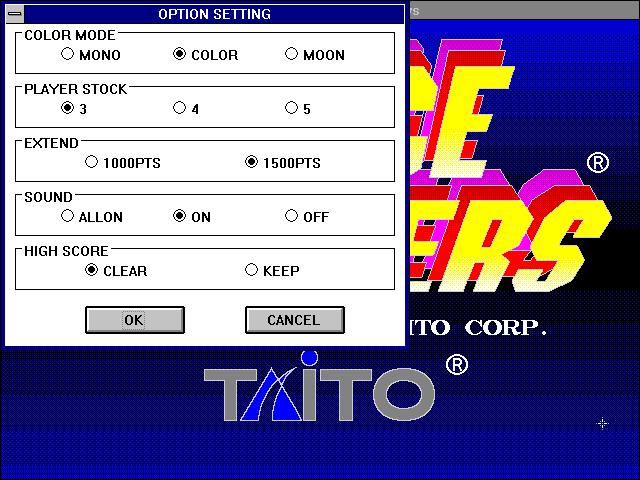
The relentless march of pixelated aliens captured arcades worldwide. Space Invaders wasn't merely about shooting; it was about managing escalating pressure, quick reflexes, and the desperate hope for a high score. It cultivated a nascent competitive culture, turning public spaces into arenas of digital prowess. The simple, iconic design and escalating tension embedded itself deeply into the collective consciousness, shaping early gaming anxiety.
3 / 7
3. Super Mario Bros.
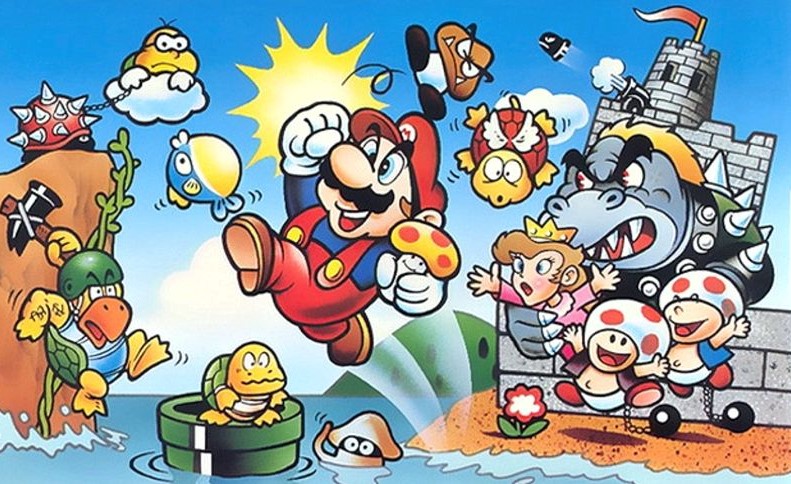
This wasn't just a game; it was a cultural phenomenon that pulled an entire industry from the brink. Super Mario Bros. defined the modern platformer, introducing intricate level design, iconic characters, and a sense of joyous exploration. Its meticulous mechanics and hidden secrets encouraged mastery and replayability, proving that console gaming could be a sophisticated, widely appealing form of entertainment. It taught generations how to jump.
4 / 7
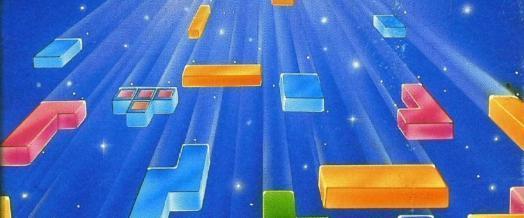
4. Tetris (1984)
From Soviet labs to global ubiquity, Tetris proved that profound engagement didn't require complex narratives or cutting-edge graphics. Its deceptively simple premise — rotating and stacking falling blocks — tapped into a primal human desire for order. This puzzle game transcended language and culture, becoming a pervasive, almost meditative, force. It demonstrated how elegantly designed mechanics could create an enduring, addictive experience.
5 / 7
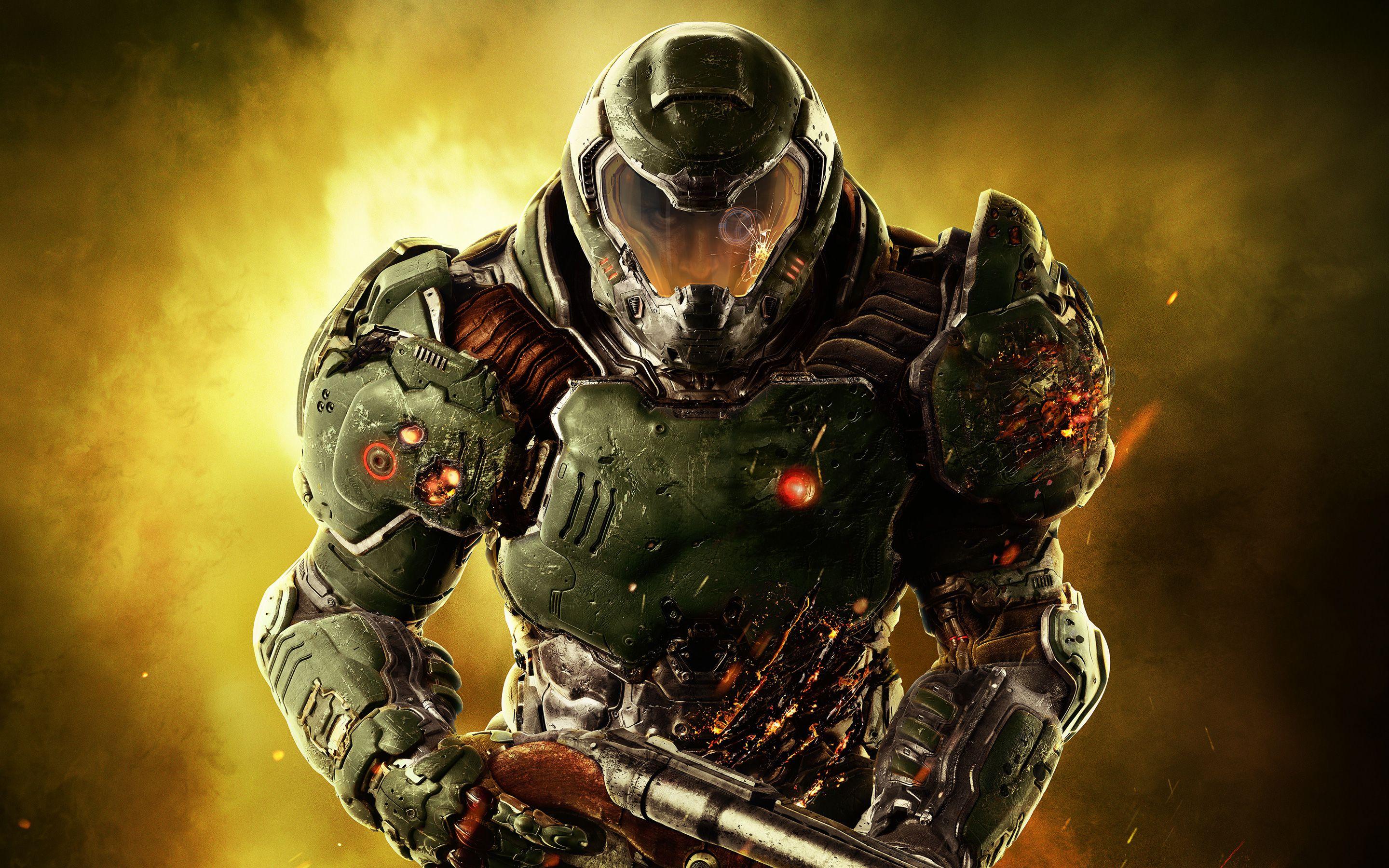
5. DOOM (2016)
After years, DOOM returned not as a nostalgic retread, but as a visceral, uncompromising statement on modern FPS design. It stripped away unnecessary complexity, focusing on relentless, aggressive combat and a potent power fantasy. The game's brutal efficiency and kinetic flow redefined what a single-player shooter could be, proving that speed, metal, and demon-slaying still held immense, satisfying power. It was pure, unadulterated adrenaline.
6 / 7
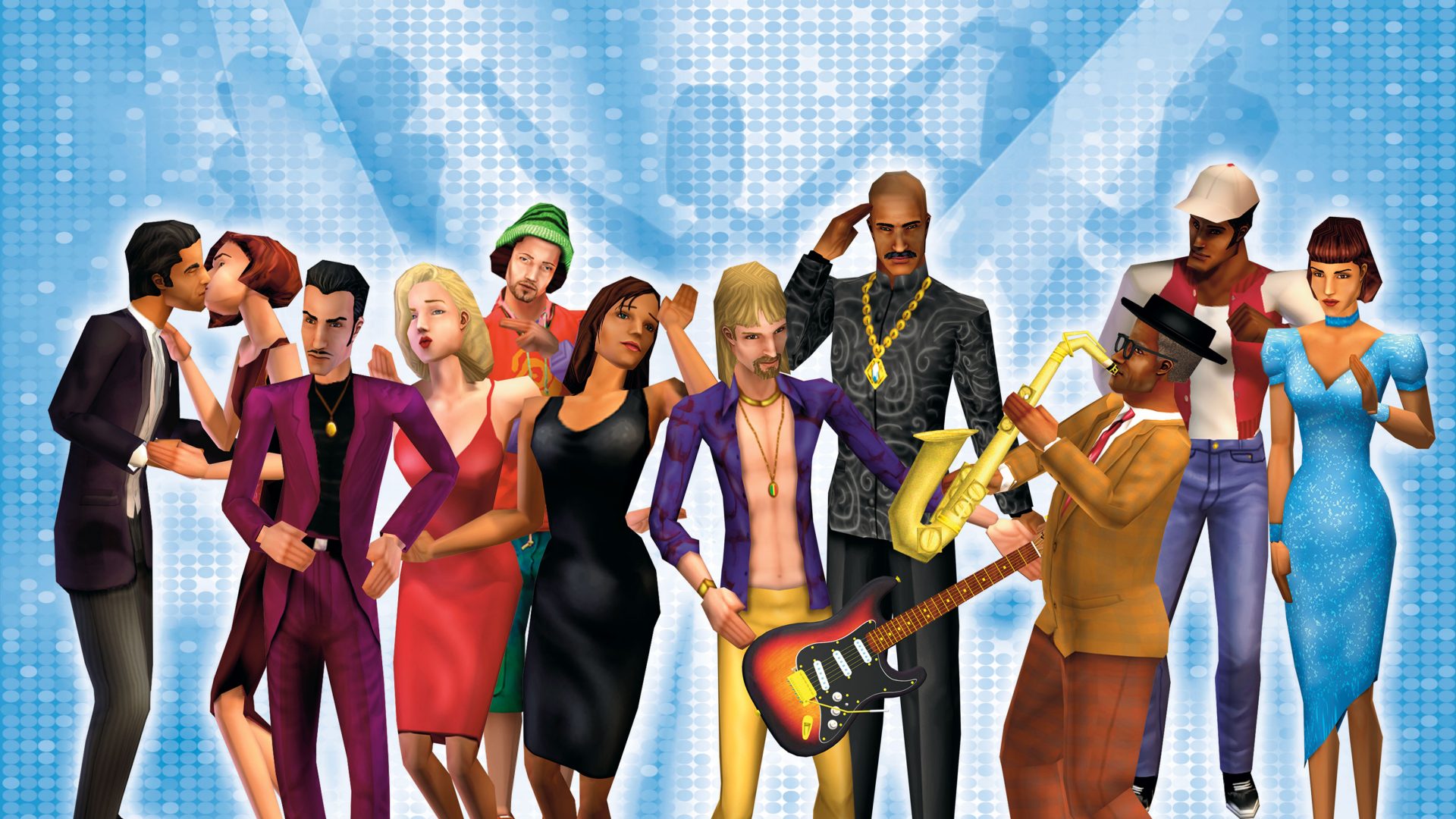
6. The Sims
The Sims didn't offer a traditional goal; it offered a digital dollhouse where players became architects of virtual lives. It tapped into our inherent curiosity about human behavior and our desire to build, control, and tell stories. Its broad appeal shattered preconceptions about who plays games, creating a sandbox for creativity and social experimentation that extended far beyond typical gaming demographics. This was life, simulated and manipulated.
7 / 7
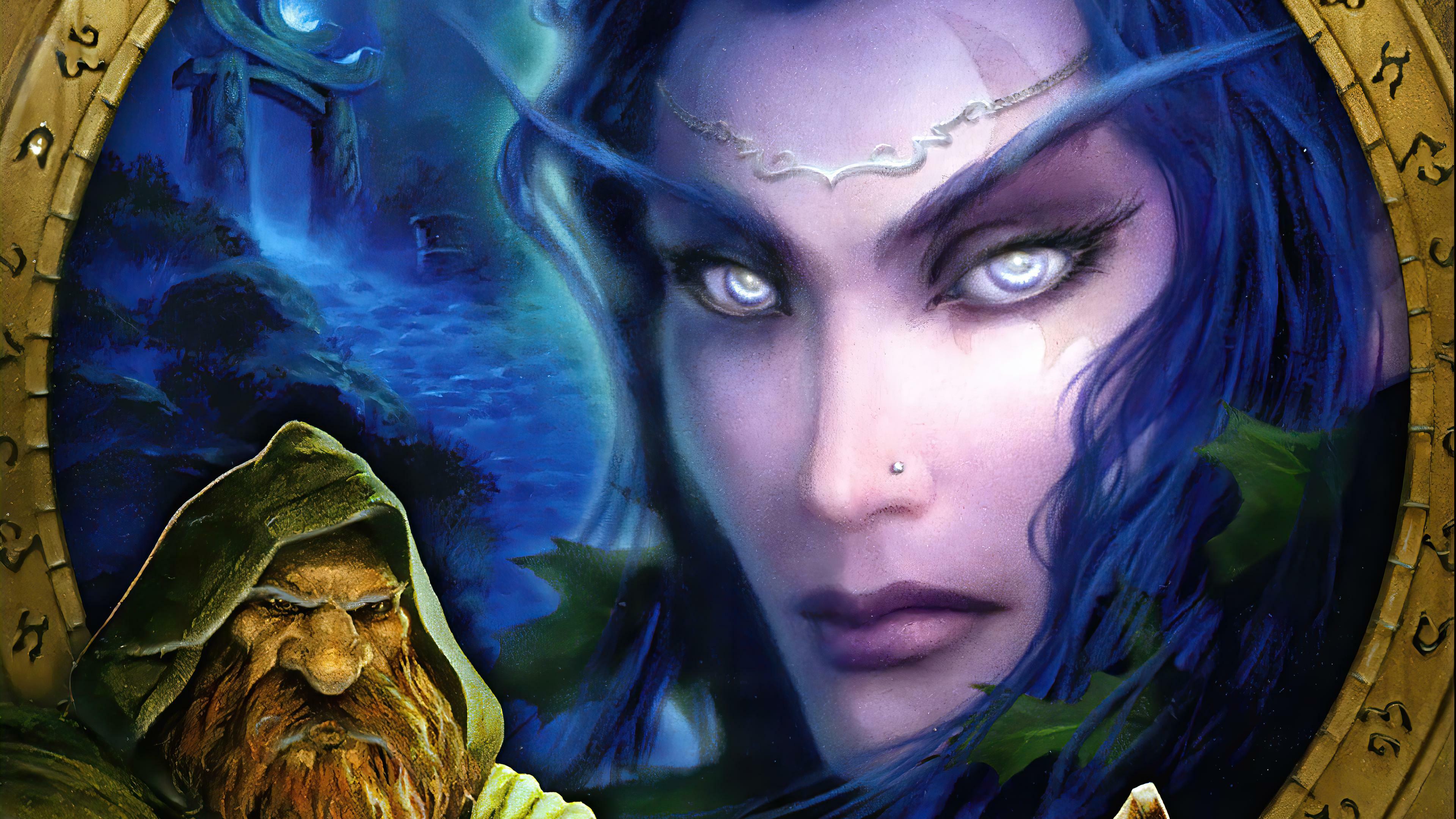
7. World of Warcraft
World of Warcraft wasn't just a game; it was a digital continent, a second life for millions. It perfected the MMORPG formula, building sprawling communities, complex economies, and enduring social structures. Its persistent world demanded immense time investment, fostering deep relationships and shaping real-world identities. This was the ultimate realization of a shared online fantasy, demonstrating the profound social power of virtual spaces.