1. Brazil
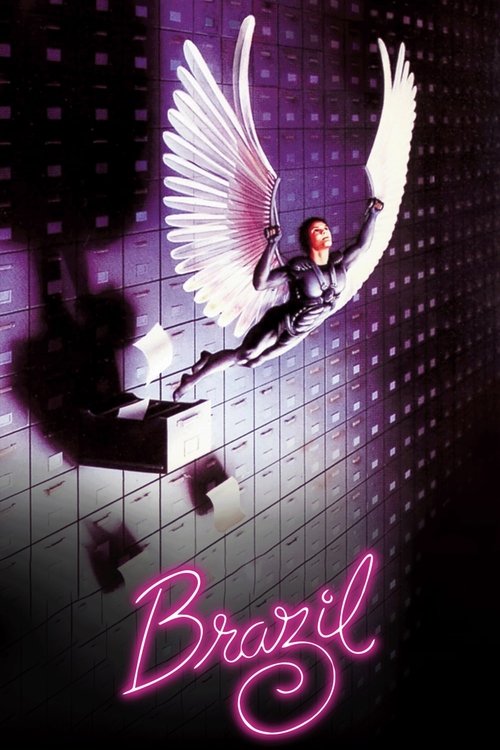
This film’s dystopian bureaucracy and incredible dream sequences are just begging for an upgrade. Imagine AI dynamically generating the absurd paperwork mazes, or letting you physically navigate Sam Lowry’s soaring, fantastical dreams in a VR headset. The blend of retro-futurism and biting social commentary could really pop with next-gen visual and narrative tech, making its critique feel even sharper and more immediate.

2. Come and See
The raw, unflinching brutality of this war film is already legendary. But with AI, we could explore the psychological toll even deeper. Imagine adaptive soundscapes or haptic feedback that truly convey the horror, or AI-driven NPCs whose reactions make the experience uniquely harrowing. It wouldn't just be watching; it would be a profound, almost unbearably immersive journey into the darkest parts of history, ethically handled, of course.

3. Primer
This low-budget sci-fi masterpiece is all about intricate time travel and complex paradoxes. A next-gen rerender could use AI to help untangle its narrative threads, perhaps offering dynamic visual timelines or even letting you trace the branching possibilities of each time loop in a VR space. It would make understanding its genius more accessible, while still preserving its intellectual challenge and cult status.

4. After Hours
Scorsese’s chaotic night out is ripe for a procedural narrative treatment. AI could generate endless variations of Paul’s increasingly surreal encounters, making each playthrough a unique descent into urban madness. Imagine stepping into a VR version of SoHo, where every turn presents a new, bizarre character or an unexpected twist, amplifying the film's already potent sense of escalating anxiety.
5. The Fountain
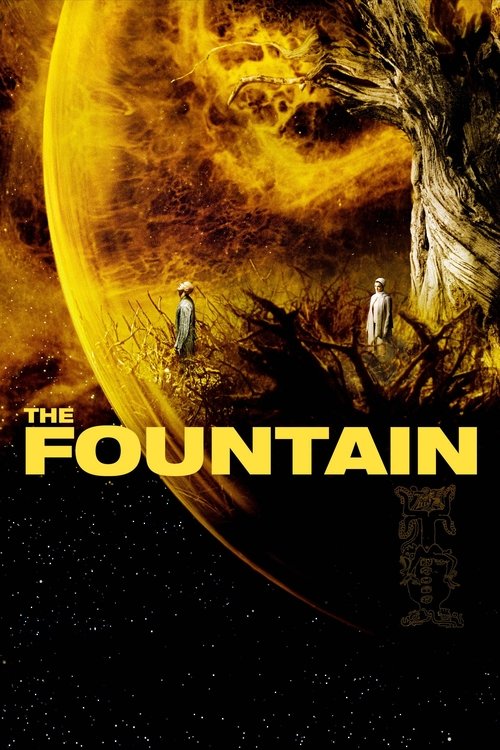
Darren Aronofsky’s visually stunning, multi-timeline epic about love and mortality would be incredible with next-gen tech. AI could expand its symbolic landscapes and character arcs, perhaps offering alternate narrative paths based on viewer emotional responses. And in VR, navigating those breathtaking cosmic journeys or ancient Mayan worlds would transform its philosophical depth into a truly transcendent, personal experience.
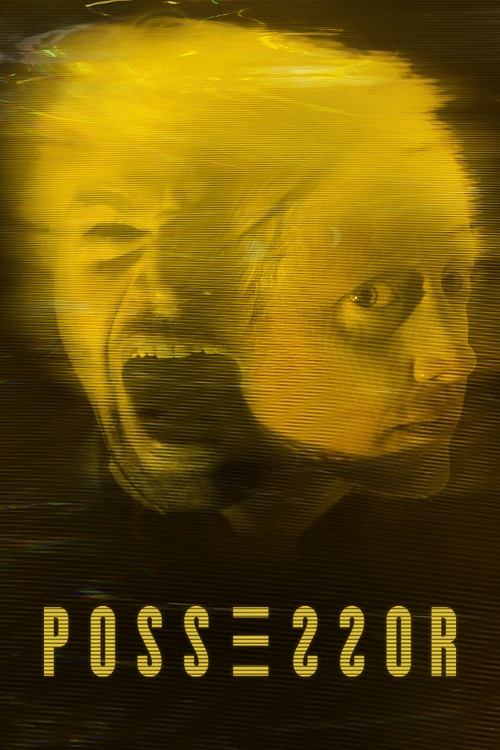
6. Possessor
This chilling dive into identity and corporate espionage is perfect for an AI-driven overhaul. Imagine an AI that dynamically shifts perspectives, blurring the lines between host and invader even further, potentially creating a personalized psychological thriller. In VR, the body-swapping concept could become terrifyingly real, making the viewer question their own presence and control within the narrative itself.

7. The Science of Sleep
Michel Gondry's whimsical exploration of dreams and reality could be a playground for AI. Imagine an engine that procedurally generates unique, fantastical dream sequences every time you watch, or allows you to literally build and interact with Stéphane’s subconscious world in VR. It would transform the film into an endlessly replayable, deeply personal journey through the mind's most creative spaces.

8. Paprika
Satoshi Kon’s anime is already a visual feast, blending dreams and reality seamlessly. With AI, its surreal dream logic could become even more fluid and interactive. You could literally wander through its mind-bending landscapes in VR, with AI adapting the dream environment to your gaze or thoughts, creating an experience where the narrative isn't just watched, but actively shaped by your presence.