

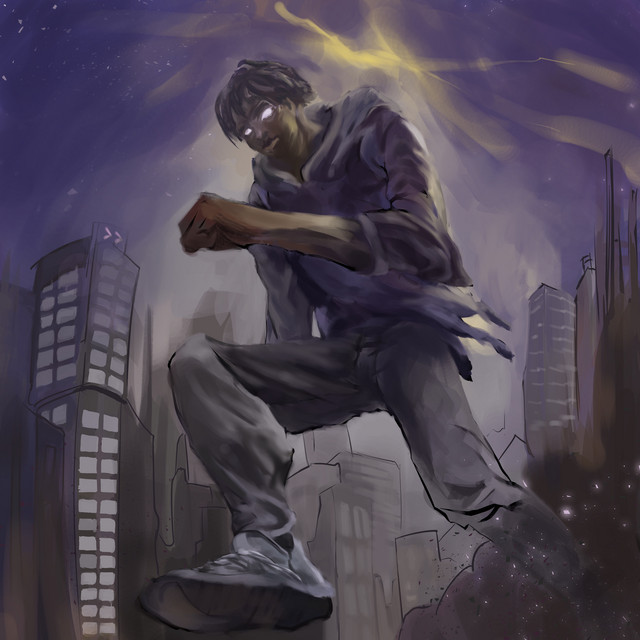
1. Hex
This one, it’s just foundational. Bark Psychosis really carved out a space with "Hex," blending post-rock's expansive textures with an almost digital crispness that felt so new back then. The way acoustic guitars merged with subtle electronics, creating these vast, melancholic soundscapes – it was less about riffs and more about atmosphere. It felt like the soundtrack to a quiet, rainy city night, digitally aware but deeply human. Still incredibly influential.
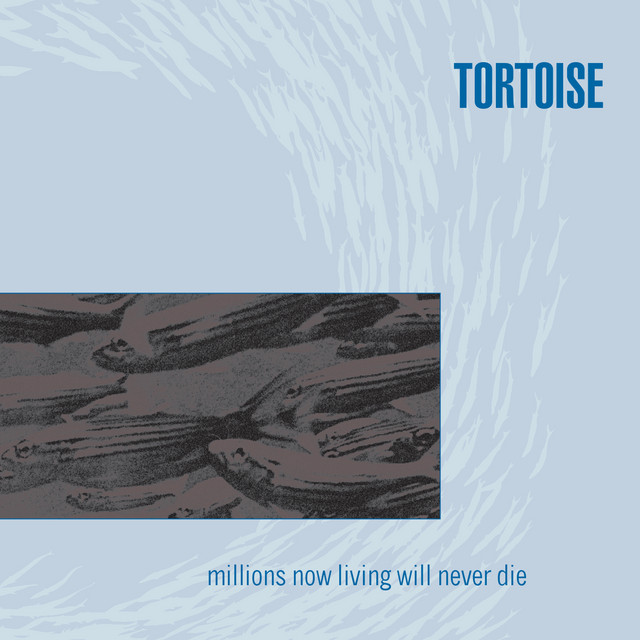
2. Millions Now Living Will Never Die
Tortoise, with "Millions Now Living Will Never Die," just blew minds. It wasn't rock in the traditional sense; it was this intricate, almost mathematical exploration of rhythm and texture. They took jazz, dub, krautrock, and fused it with a precision that felt distinctly digital-era. Every layer felt meticulously placed, yet the whole thing grooved effortlessly. It expanded what instrumental music could be, paving the way for so much experimental stuff that followed.
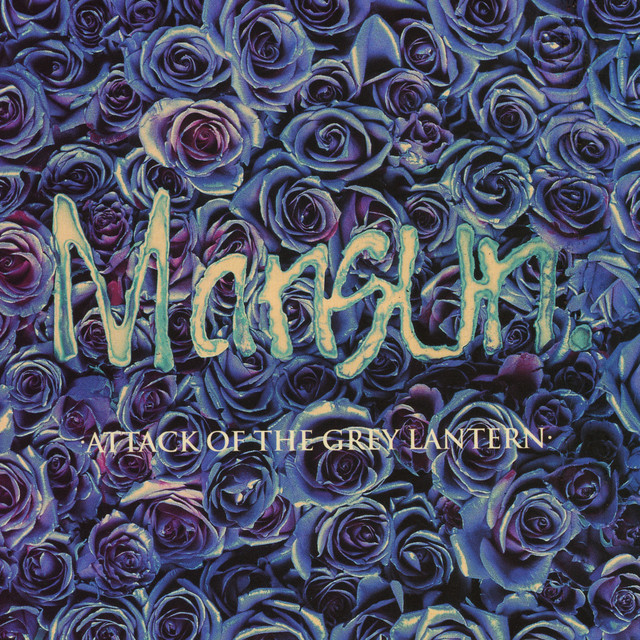
3. Attack of the Grey Lantern
Mansun’s "Attack of the Grey Lantern" was like Britpop on acid, with a huge theatrical streak. It was ambitious, sprawling, and utterly bizarre, yet still packed with these undeniable hooks. From the orchestral flourishes to Paul Draper's enigmatic lyrics, it felt like a grand, cinematic statement. And it completely refused to fit into any neat box, which was exactly what made it such a compelling, singular listen in a scene that was often too predictable.
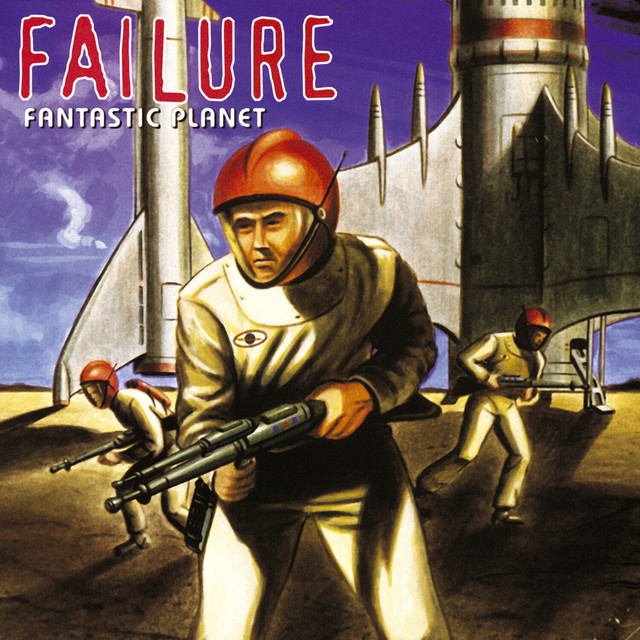
4. Fantastic Planet
Failure’s "Fantastic Planet" is just immense, a masterclass in heavy yet atmospheric rock. It has this incredible dynamic range, shifting from crushing riffs to moments of delicate, almost spacey introspection. The production was ahead of its time, so rich and layered, giving it a tangible depth. It’s got that post-grunge weight but infused with a cosmic dread that really resonated with anyone looking for something more substantial than arena rock. Still hits hard.
5. Not For Threes
Plaid’s "Not For Threes" was a landmark in IDM. It felt like electronic music had grown up, shedding some of the rave-era maximalism for something far more intricate and emotionally resonant. Their melodies were so warm and inviting, built on these complex, almost playful rhythms. It wasn't just background music; it demanded attention, creating these vibrant, detailed sonic worlds. Truly a staple for anyone digging into the intelligent side of electronic music.
6. Modus Operandi
When "Modus Operandi" dropped, Photek redefined drum and bass. It was less about the immediate rush and more about the surgical precision of the breaks, the dark, minimalist atmospheres, and the sheer technicality. Every beat felt meticulously programmed, yet it never lost its visceral impact. It was intelligent, almost scholarly jungle, pushing the boundaries of what electronic rhythms could do. This record still commands respect for its innovation and intensity.
7. The Three E.P.'s
The Beta Band’s "The Three E.P.'s" was just this glorious, messy, experimental indie folk collage. They threw everything at the wall – samples, acoustic guitars, electronic squiggles, spoken word – and somehow it all stuck. It had this incredible, lo-fi charm and a genuine sense of boundless creativity. And it felt genuinely unique, like nothing else happening at the time. It really showed how you could blend genres without losing your eccentric soul.