

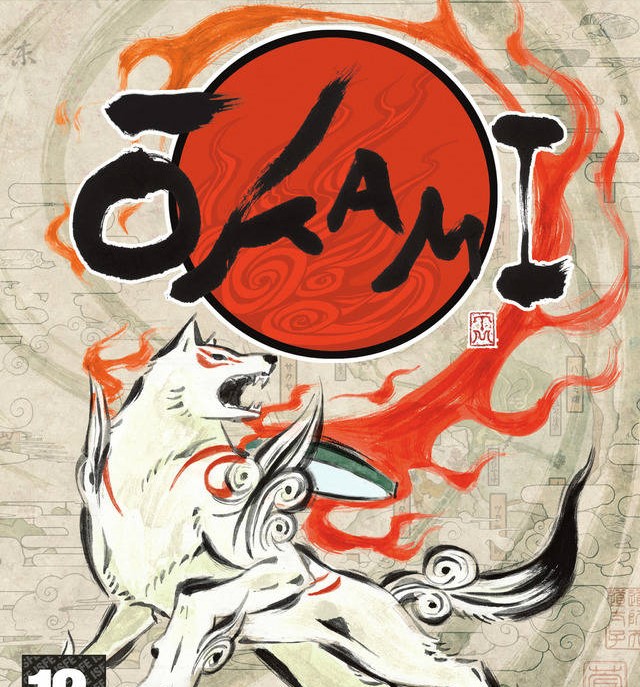
1. Okami
Okami, in its original PlayStation 2 form, offered a breathtaking blend of Japanese mythology and Sumi-e art, a visual feast that remains distinctive. Its Celestial Brush mechanics, allowing players to literally paint solutions into the world, were genuinely innovative. Yet, despite widespread critical acclaim for its artistic ambition and thoughtful gameplay, it often felt overlooked in broader gaming conversations, a testament to how truly unique experiences sometimes struggle for mainstream traction, though its legacy endures.
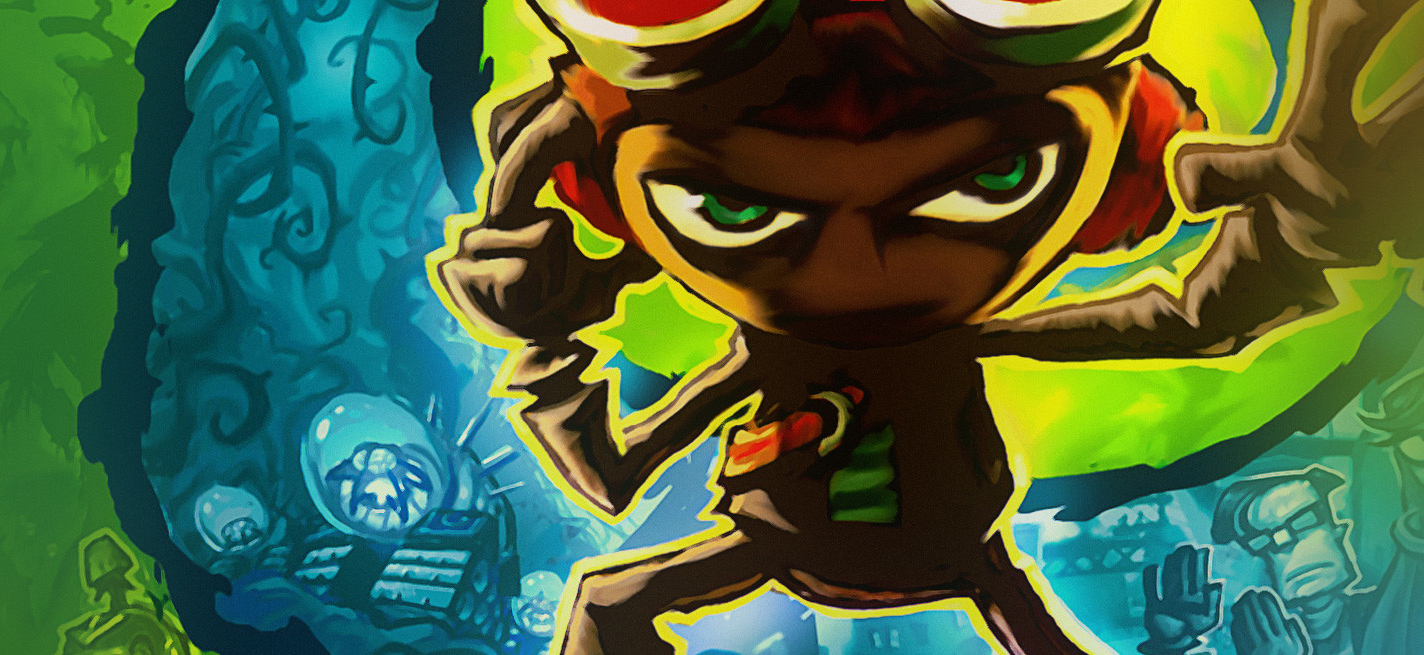
2. Psychonauts
When Psychonauts first appeared on the PlayStation 2, Xbox, and PC, it brought a singular vision of platforming grounded in mental landscapes. Tim Schafer's trademark wit and character design truly shone as Raz explored the bizarre, often poignant inner worlds of others. Despite its creative brilliance, stellar writing, and imaginative level design, it didn't find a massive audience initially. It was a game ahead of its time, slowly building its well-deserved cult following through sheer originality.

3. Jet Set Radio Future
Jet Set Radio Future, a cornerstone of the original Xbox's early identity, amplified its predecessor's vibrant cel-shaded anarchy. The freedom of movement across its futuristic Tokyo, combined with a relentlessly infectious soundtrack, created an unparalleled sense of cool. It wasn't just a game; it was an aesthetic statement, a playable cartoon that oozed style from every graffiti tag. While critics lauded its presentation, its Xbox exclusivity and distinct niche kept it from widespread recognition, though its influence on style is clear.
4. Conker's Bad Fur Day
On the Nintendo 64, Conker's Bad Fur Day was a deliberate, audacious subversion of Rare's cutesy image. This squirrel's foul-mouthed, mature-rated adventure was a technical marvel for the platform, packed with diverse gameplay mechanics and an irreverent, often shocking, sense of humor. It was a bold departure, a statement against convention, but its adult themes meant it was never going to be a Nintendo flagship. Still, its cult status grew precisely because it dared to be different.
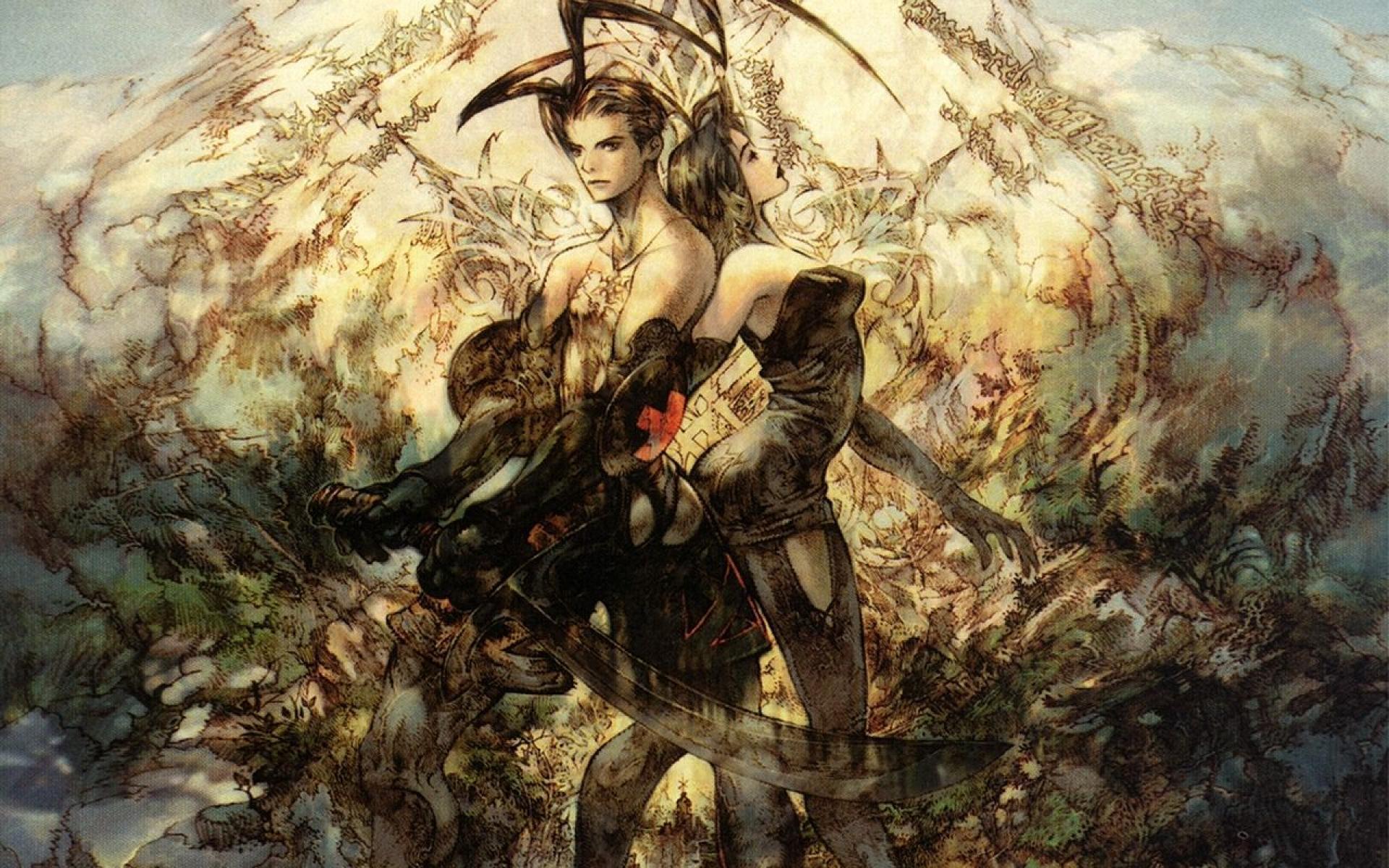
5. Vagrant Story (2000)
Vagrant Story, released in 2000 on the PlayStation, stands as a testament to Square's golden era. It presented a mature, intricate RPG experience, eschewing traditional party systems for a solitary, deeply strategic combat and crafting loop. Its dark, high-fantasy narrative and unique risk-reward chain attack system demanded player engagement, often punishing casual approaches. A masterpiece of atmosphere and mechanics, it remains a nuanced, challenging title that perhaps overshadowed its own brilliance with its complexity.
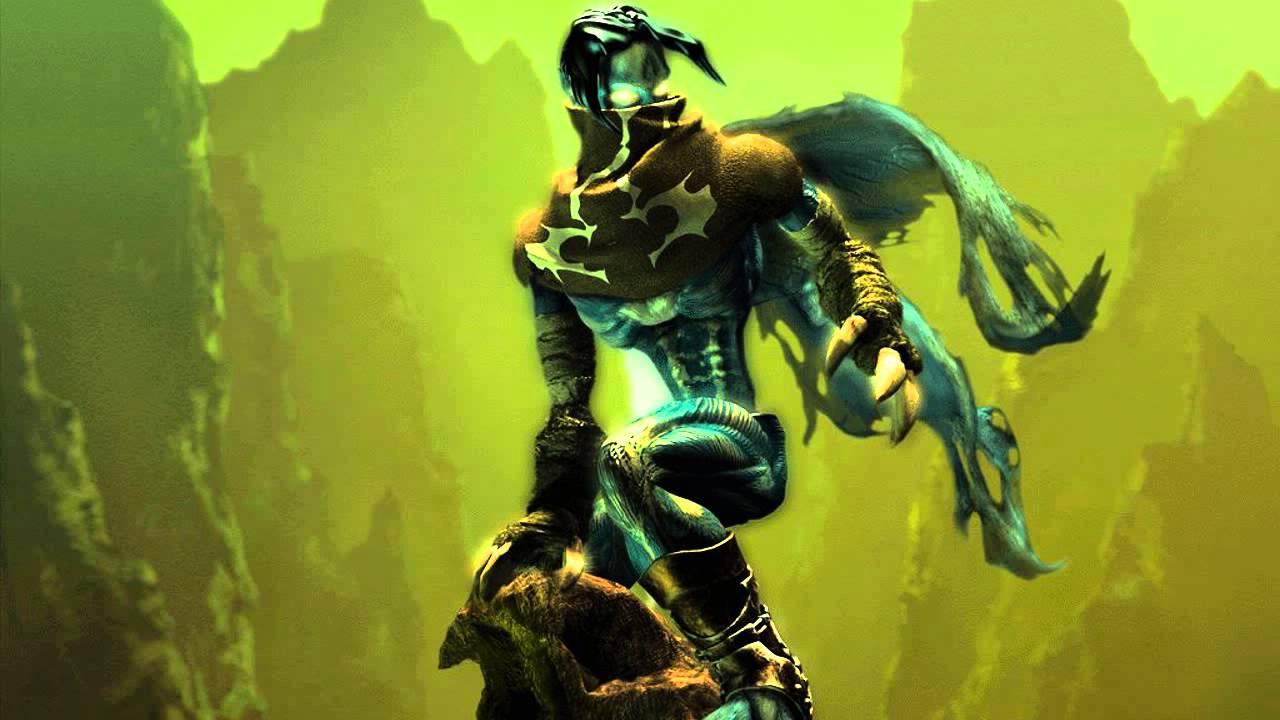
6. Legacy of Kain: Soul Reaver
Legacy of Kain: Soul Reaver on the PlayStation and Dreamcast introduced a narrative richness and environmental puzzle-solving that was truly ahead of its time. Shifting between the spectral and material realms wasn't just a gimmick; it was integral to traversal and combat, adding layers of strategy. Raziel's quest for vengeance, backed by superb voice acting and a gothic, philosophical narrative, built a profound mythology. It created a world that felt ancient and alive, influencing subsequent action-adventure titles profoundly.
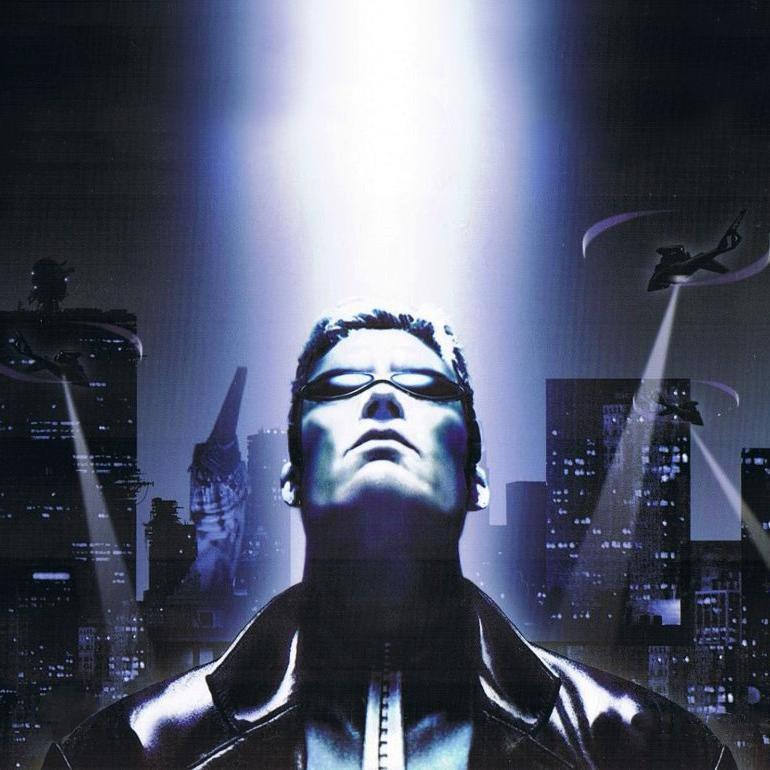
7. Deus Ex
The original Deus Ex, released in 2000 for PC, was a watershed moment for immersive simulations. It offered unparalleled player agency, allowing multiple approaches to every objective, whether through stealth, combat, or dialogue. Its intricate cyberpunk narrative, blending conspiracy theories with technological advancement, felt incredibly prescient. This wasn't just an FPS or an RPG; it was a genre-defining experience that championed player choice, setting a new bar for emergent gameplay and interactive storytelling that few have matched.
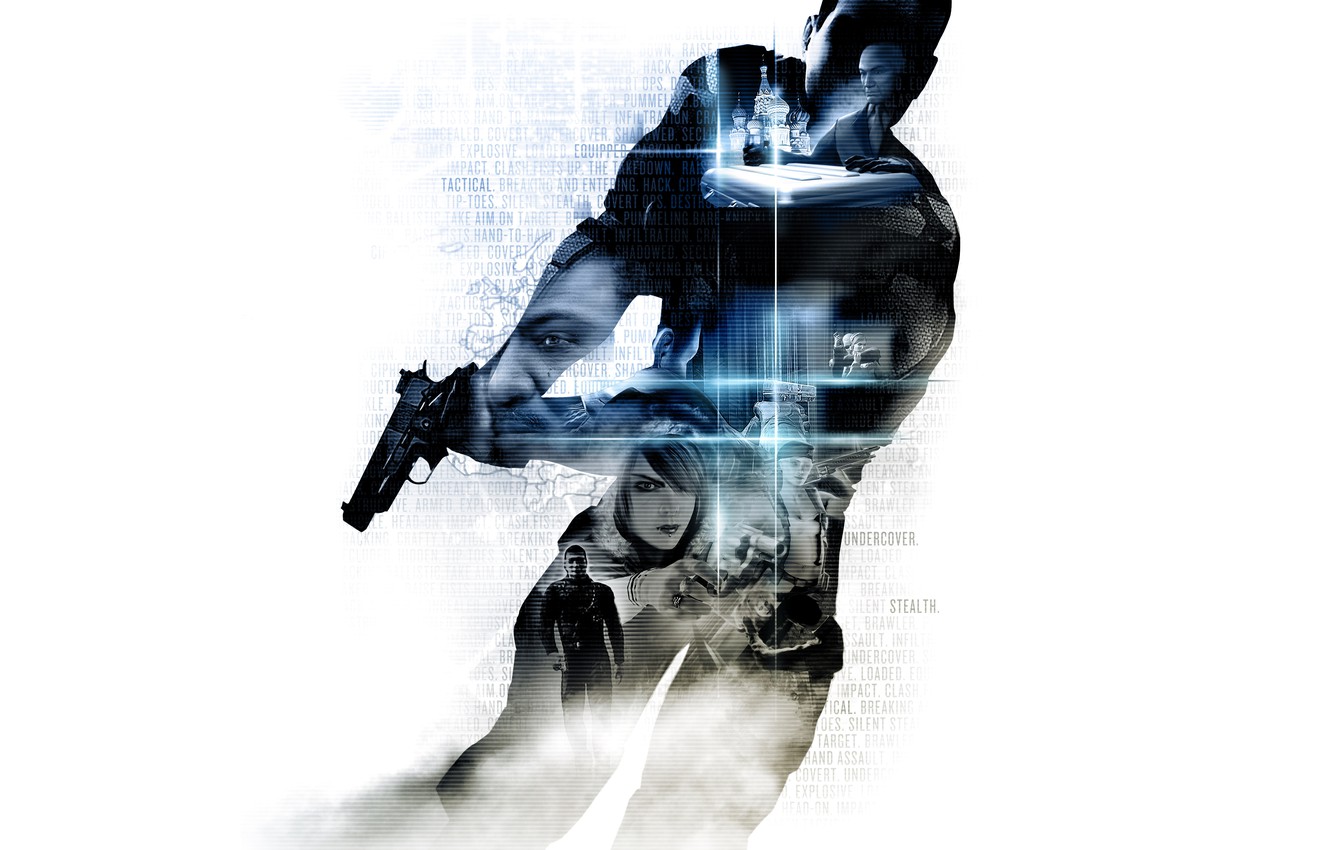
8. Alpha Protocol
Obsidian Entertainment's Alpha Protocol, launched in 2010, was an ambitious espionage RPG that suffered from technical rough edges but offered remarkable player choice. Its dialogue system, allowing players to genuinely shape Michael Thorton's personality and relationships, felt groundbreaking. Consequences for actions truly rippled through the narrative, crafting a uniquely personal spy thriller. Despite its flaws, it was a bold experiment in player-driven storytelling, an often-overlooked precursor to more polished choice-and-consequence games.
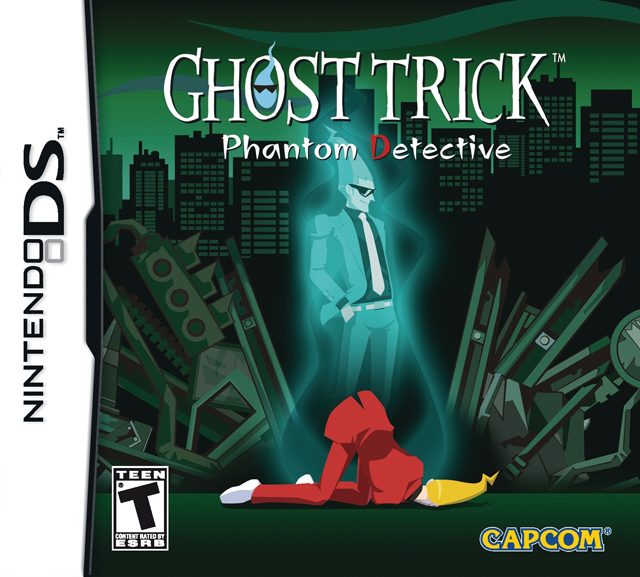
9. GHOST TRICK: Phantom Detective
GHOST TRICK: Phantom Detective, a Nintendo DS gem from Shu Takumi, presented a unique blend of puzzle-solving and compelling narrative. Players, as the recently deceased Sissel, manipulated objects to alter fate and uncover the truth behind his murder. Its distinct art style, sharp dialogue, and ingenious 'Ghost Tricks' created a truly original experience. This was a masterclass in clever design and storytelling, proving that innovation could still thrive on handhelds, offering an unforgettable, brain-teasing mystery.