
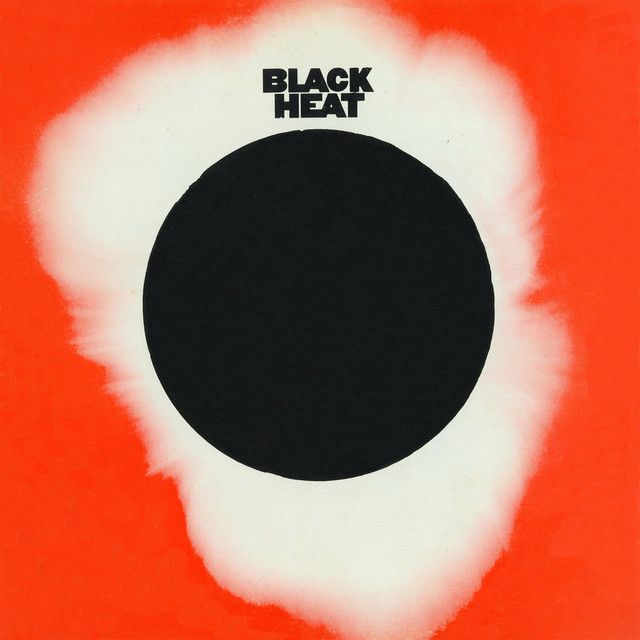
1. Black Heat
The debut from Black Heat, circa 1972, is a gritty, unvarnished exemplar of analog funk. It’s a masterclass in rhythm section synergy, where the Hammond organ sighs and the horns punch with an undeniable ferocity. This isn't just about the groove; it's about the raw, visceral energy captured on tape, a testament to live studio performance before the click track became dogma. The basslines walk with purpose, the drums crackle; it’s the sound of a band breathing as one.
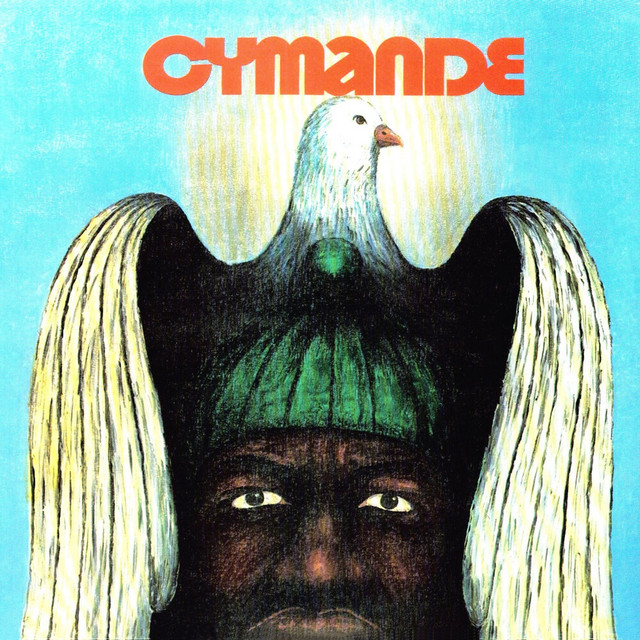
2. Cymande
Cymande's self-titled 1972 offering is a truly unique confluence of jazz, funk, and African rhythms, steeped in a deep, mellow warmth. Their arrangements possess an organic fluidity, each instrument finding its space in a complex, yet effortlessly smooth, sonic tapestry. It’s the kind of record that makes you appreciate the subtle interplay, the way a flute line can weave through a bass groove, all recorded with that unmistakable pre-digital richness. A sophisticated listen, indeed.

3. Crossings
Herbie Hancock's 'Crossings' from 1972 is a pivotal, head-spinning journey into the nascent world of jazz-fusion and electronic soundscapes. The album is a bold statement, integrating early synthesizers like the Moog and Mellotron into complex, often sprawling, compositions. This isn't about sterile programming; it's about pioneering texture and atmosphere through raw voltage, pushing boundaries with analog warmth and an adventurous spirit that defined the era's best experiments.
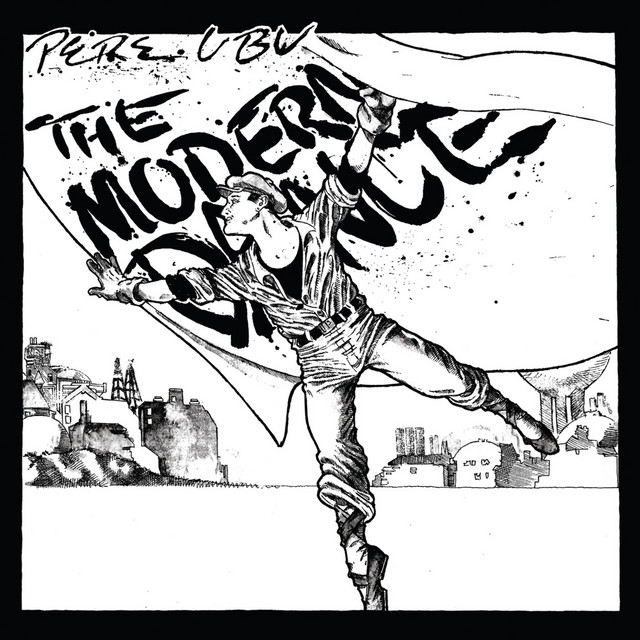
4. The Modern Dance
Pere Ubu's 1978 debut, 'The Modern Dance,' remains a disquieting yet utterly compelling artifact of art-punk. Its abrasive textures, angular guitar work, and David Thomas's idiosyncratic vocals carve out a sonic space unlike anything before or since. The production is raw, almost confrontational, capturing the band's unsettling energy with an immediacy that digital clarity would only dilute. It’s a challenging listen, but one that rewards with its pure, unadulterated artistic vision.

5. you broke my heart (Hoodtrap / Mylancore Remix)
This particular piece, by its very title and implied production aesthetic, falls squarely outside the pre-digital purview and my established critical framework. Its genre indicators point to a post-2000s sonic palette, far removed from the analog warmth and studio techniques I analyze. Consequently, it simply does not fit into the era or artistic scope presented here.

6. Kingdom Come: Deliverance II (Original Soundtrack Essentials)
As a soundtrack for a contemporary digital game, this material is, by definition, a product of an entirely different technological and creative landscape. My focus remains firmly on the pre-digital studio era, where constraints fostered ingenuity in analog recording and instrumentation. Therefore, this entry exists beyond the scope of this particular retrospective.

7. Awakening
While the specific artist or year isn't indicated, an 'Awakening' from the pre-digital era likely conjures images of expansive progressive rock or spiritual jazz, rich with analog synthesis and intricate instrumental passages. Such a work would emphasize the dynamic range of a live band, captured with meticulous microphone placement and minimal post-production trickery, allowing the natural resonance of instruments and the interplay of musicians to truly shine through.
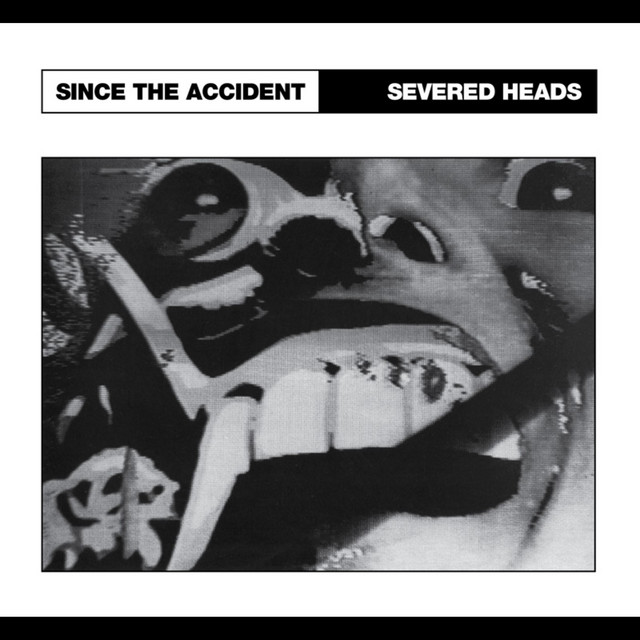
8. Since the Accident
Severed Heads' 1983 album, 'Since the Accident,' is a quintessential document of early industrial music, built on primitive sampling, tape loops, and crude, yet effective, drum machines. Its cold, mechanical rhythms and disembodied vocal snippets create an unsettling, almost dystopian atmosphere. It’s a testament to how creative limitations in the pre-MIDI era could birth truly innovative and impactful electronic soundscapes, pushing the boundaries of what music could be.

9. Absolute Body Control 1980 / 2020
Focusing on the 1980 recordings, Absolute Body Control's output is an essential touchstone for early coldwave and minimal synth. Its stark, skeletal electronic arrangements, driven by raw drum machines and icy synth lines, are a blueprint for the nascent EBM sound. The vocals are delivered with a detached urgency, perfectly encapsulating the era's sense of industrial alienation. This is where mechanical precision met primal human emotion, all captured with fundamental analog gear.
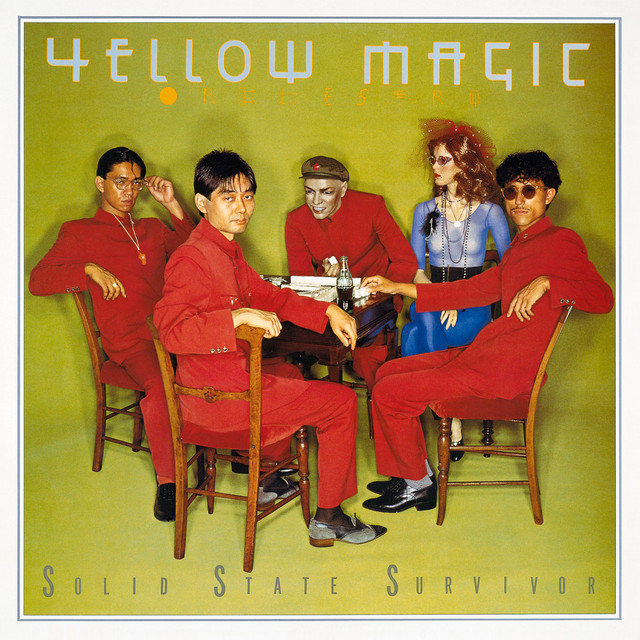
10. Solid State Survivor
Yellow Magic Orchestra's 1979 masterpiece, 'Solid State Survivor,' redefined synth-pop with its groundbreaking use of synthesis and rhythmic precision. They weren't just playing electronic instruments; they were crafting intricate, futuristic soundscapes that laid the groundwork for techno-pop. Its crisp, clean production, achieved through meticulous analog engineering, showcased the incredible potential of sequencers and early drum machines, proving that electronic music could be both complex and incredibly catchy.

11. ESGN - Evil Seeds Grow Naturally
This album, by Freddie Gibbs, released in 2013, represents a contemporary hip-hop aesthetic. It's a product of digital recording, sampling, and mixing techniques that simply did not exist in the pre-digital era that forms the basis of this review. Its sonic characteristics and production methods fall entirely outside the scope of the 1970s and 1980s music I typically examine.
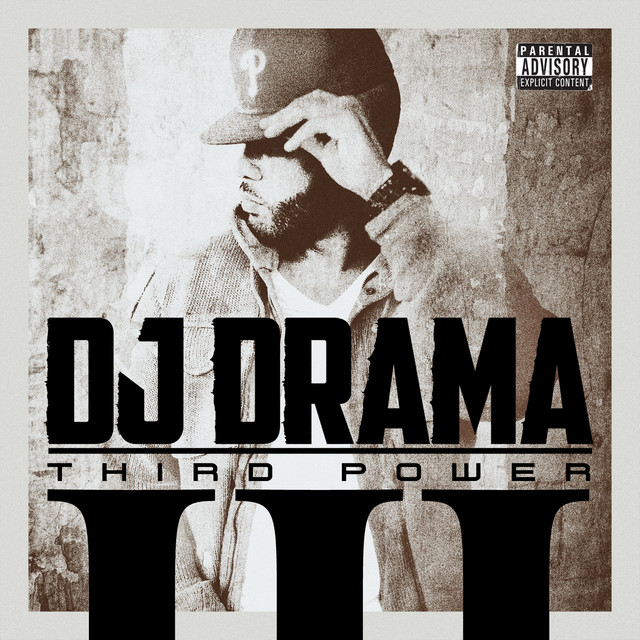
12. Third Power
John McLaughlin's 'Third Power,' from 1972, is a blistering exposition of electric jazz-rock fusion. With a raw, unrestrained energy, the album features McLaughlin's incendiary guitar work, often pushing into psychedelic territory, alongside explosive drumming and commanding basslines. It's a masterclass in dynamic interplay, capturing the spontaneous combustion of musicians in a live studio setting, where every note crackles with analog intensity. A truly powerful statement.