

1 / 9

1. The Discreet Charm of the Bourgeoisie
Buñuel’s surrealist masterpiece dissects the superficiality of the European upper class. A series of perpetually interrupted dinner parties becomes a brilliant vehicle for satirical critique, revealing the absurd rituals and repressed desires beneath their polished veneer. It’s a dreamlike, cyclical narrative where the characters are trapped, forever failing to achieve their mundane goal, brilliantly exposing the hollow core of societal conventions with dry, subversive wit.
2 / 9
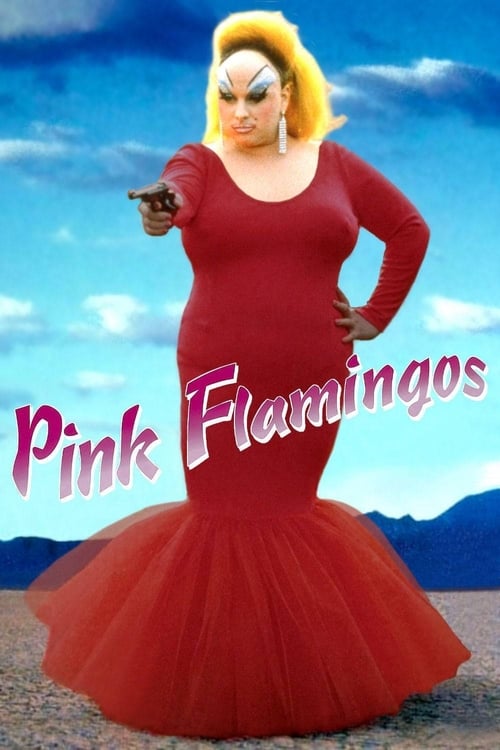
2. Pink Flamingos
John Waters’ transgressive cult classic remains a defiant middle finger to polite society. Starring the iconic Divine as Babs Johnson, "the filthiest person alive," this film revels in its deliberate provocation and gleeful depravity. It's an unapologetic exploration of bad taste as an art form, pushing every boundary with a celebratory, anarchic spirit that has solidified its place as a cornerstone of queer cinema and underground artistry.
3 / 9
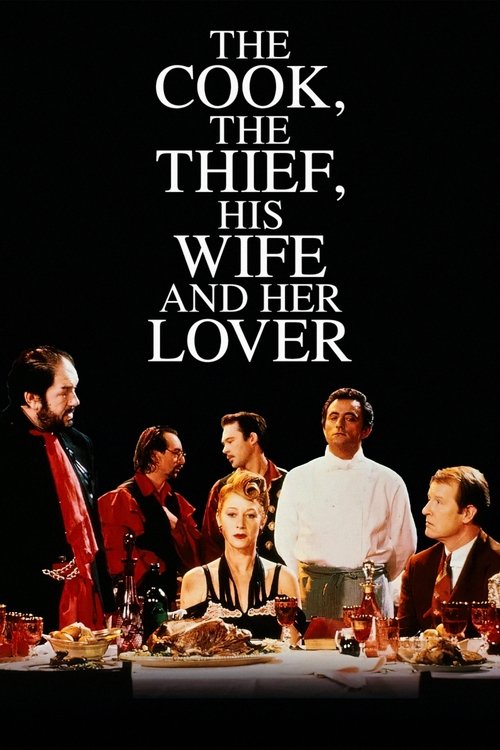
3. The Cook, the Thief, His Wife & Her Lover
Peter Greenaway orchestrates a lavish, brutal allegory of consumption and revenge. Set entirely within a French restaurant, its opulent visuals, vivid color palette, and Michael Nyman's haunting score underscore a narrative of grotesque power dynamics and visceral retribution. Helen Mirren delivers a chilling performance as the wronged wife, navigating a world of exquisite cruelty and ultimately exacting a shocking, unforgettable justice.
4 / 9
4. Kwaidan
Masaki Kobayashi's anthology of Japanese ghost stories is an aesthetic marvel, a painterly exploration of traditional folklore. Each tale unfolds with breathtaking, deliberate pace, utilizing stunning set design, evocative soundscapes, and theatrical lighting to create an immersive, atmospheric horror. The film transcends conventional scares, instead weaving a hypnotic tapestry of dread, beauty, and the lingering melancholic presence of the supernatural. Its exquisite craft is undeniable.
5 / 9
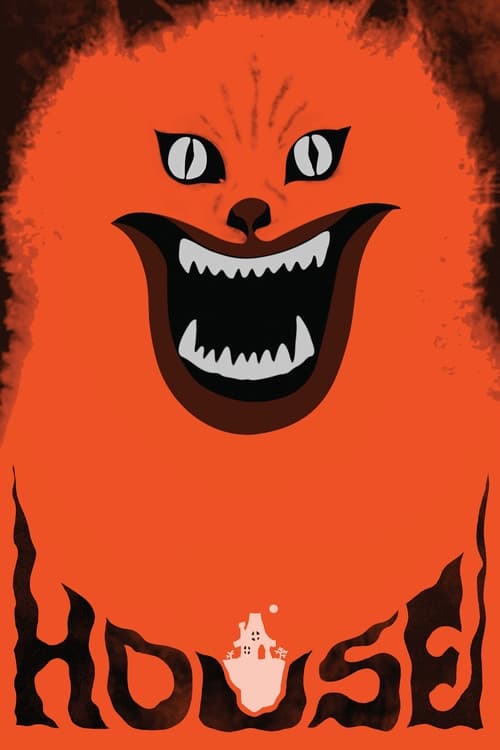
5. House
Nobuhiko Obayashi’s *Hausu* is an unparalleled psychedelic fever dream, a phantasmagoria defying genre. A group of schoolgirls visits a remote, haunted house where the surreal becomes terrifyingly real. Its anarchic visual style, frantic editing, and unhinged special effects create a unique, often comedic, and profoundly unsettling experience. This film is less a narrative and more a joyous, chaotic assault on the senses, an experimental horror masterpiece.
6 / 9

6. The Holy Mountain
Alejandro Jodorowsky’s esoteric epic is a kaleidoscopic journey into spiritual awakening and societal critique. A Christ-like figure embarks on a quest with seven planetary archetypes to ascend the titular mountain and achieve immortality. Rich with alchemical symbolism and stunningly bizarre imagery, it’s a challenging, visually overwhelming experience that merges Eastern mysticism with Western consumerism, urging viewers to question reality and seek enlightenment beyond the material.
7 / 9

7. Tetsuo: The Iron Man
Shinya Tsukamoto's relentless, industrial body horror is a visceral, black-and-white nightmare. A salaryman’s body begins to mutate into scrap metal after a gruesome accident, leading to an escalating, frenetic nightmare of flesh and machinery. Employing raw stop-motion and aggressive sound design, *Tetsuo* captures the anxieties of urban alienation and technological dread, delivering a truly unique, intensely kinetic, and unsettling vision of cyberpunk metamorphosis.
8 / 9
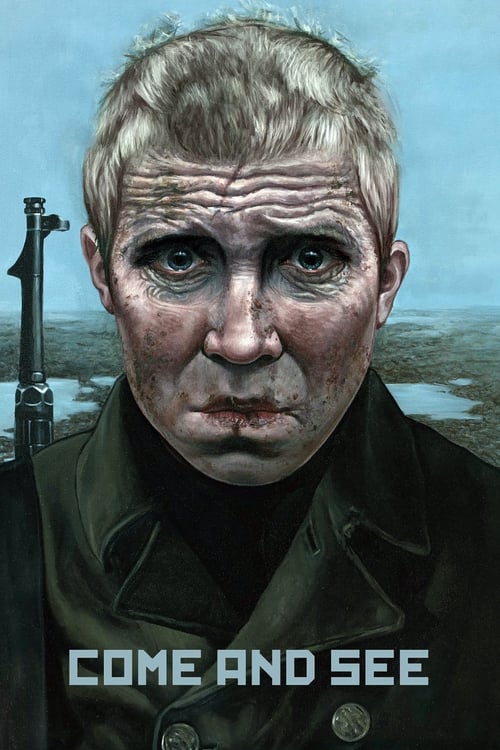
8. Come and See
Elem Klimov’s unflinching masterpiece is a harrowing, immersive descent into the horrors of World War II’s Eastern Front. Seen through the eyes of a young boy, Flyora, who joins the Belarusian partisans, the film meticulously portrays the psychological and physical devastation of war. Its raw, hyper-realistic imagery and disorienting soundscape leave an indelible mark, documenting the brutal loss of innocence and the enduring trauma of historical atrocity.
9 / 9
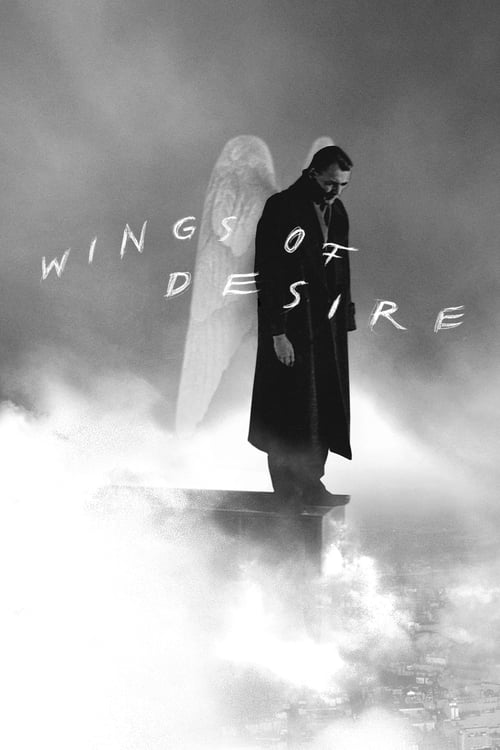
9. Wings of Desire
Wim Wenders’ poetic meditation on existence follows two angels observing humanity in divided Berlin. Damiel, yearning for mortal experience, falls in love, trading immortality for human connection, color, and taste. Shot primarily in stark black and white, shifting to vibrant color upon Damiel's fall, the film is a deeply philosophical and visually stunning exploration of loneliness, love, and the profound beauty found in the everyday human condition.