
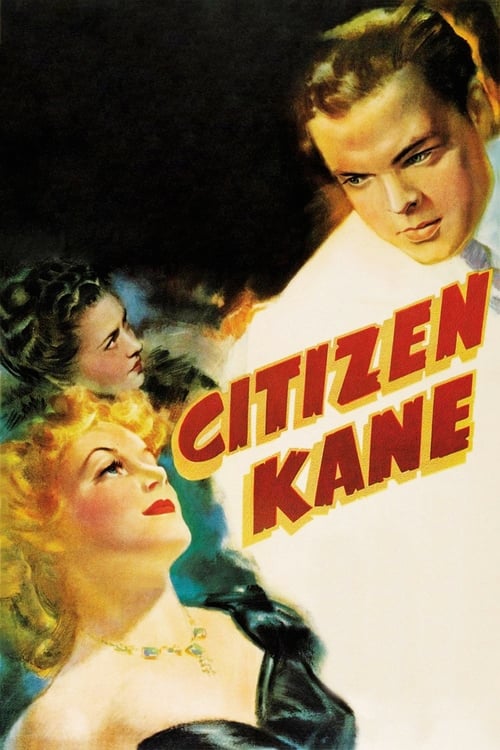
1. Citizen Kane
Orson Welles's debut remains a foundational text for cinematic language, its narrative fractured and reassembled like a cubist painting. Delving into the life of Charles Foster Kane through disparate viewpoints, it revolutionized storytelling by demonstrating that truth is often elusive, shaped by perception and memory. Deep focus cinematography and innovative sound design further cemented its place, proving that film could explore complex psychological terrain with unparalleled artistry, truly reflecting the elusive nature of identity and ambition.
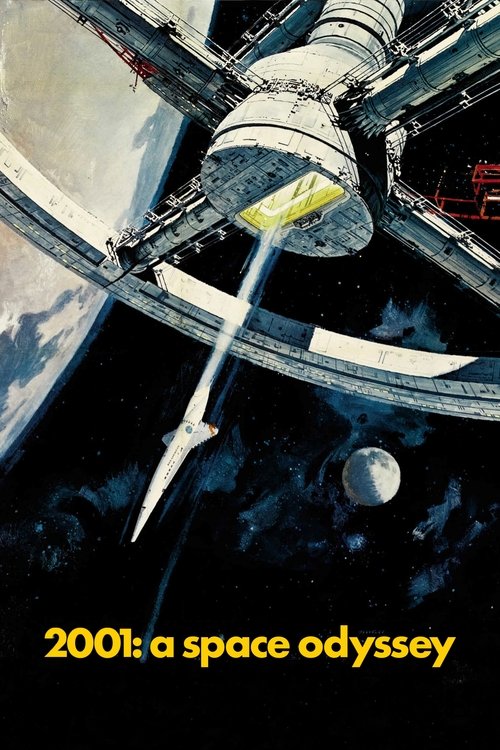
2. 2001: A Space Odyssey
Stanley Kubrick, with *2001*, delivered a singular, often inscrutable, cinematic experience that dared to forgo conventional narrative for pure spectacle and philosophical inquiry. Its vast, silent stretches, punctuated by iconic imagery and classical music, forced audiences to confront humanity's evolution, technology, and existential place in the cosmos. It was less a story told than an experience manifested, an enigmatic journey through time and consciousness that redefined the boundaries of science fiction and visual storytelling, inviting endless interpretation.
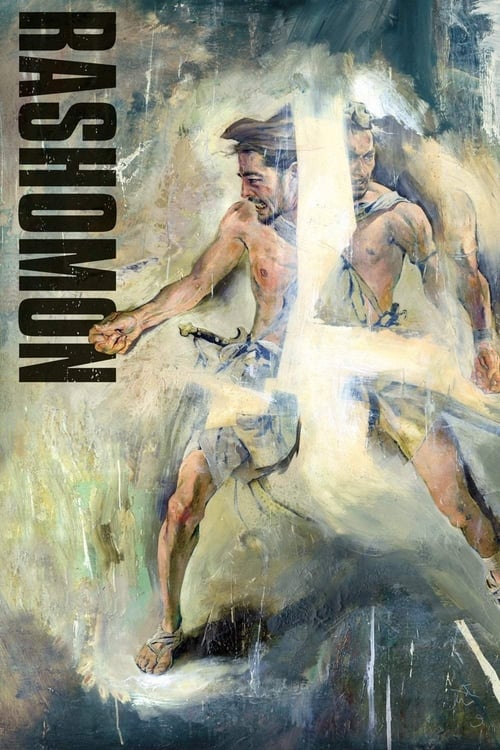
3. Rashomon
Akira Kurosawa’s masterpiece fundamentally challenged the notion of objective truth in narrative. By presenting the same event through conflicting perspectives, each protagonist’s account colored by self-interest and perception, *Rashomon* forced viewers to grapple with the subjective nature of reality itself. Its influence is immeasurable, sparking countless imitations and discussions about reliability in storytelling. This film didn't just tell a story; it interrogated the very act of storytelling, laying bare the complexities of human memory and motivation.
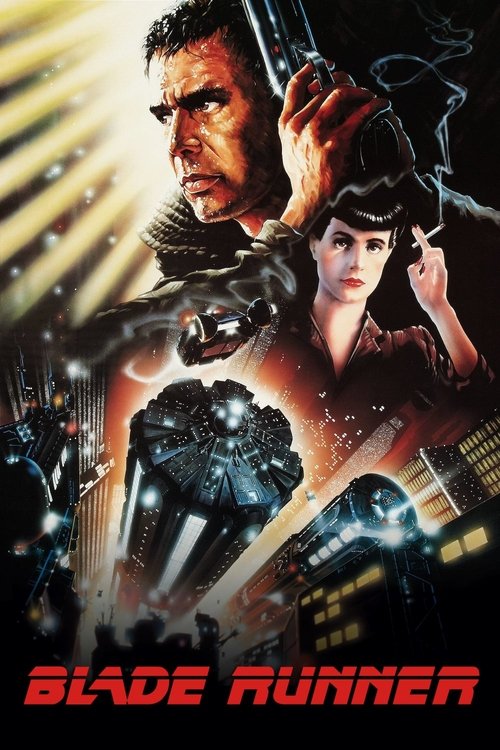
4. Blade Runner
Ridley Scott's *Blade Runner* crafted a dystopian future that felt achingly real, blending classic film noir tropes with groundbreaking science fiction. Its rain-slicked, neon-drenched Los Angeles became a character itself, a decaying testament to technological advancement at humanity’s moral cost. More than just a visual feast, it probed profound questions about what it means to be human, the nature of consciousness, and the ethics of creation, elevating the cyberpunk genre into a meditative, philosophical inquiry that resonates decades later.
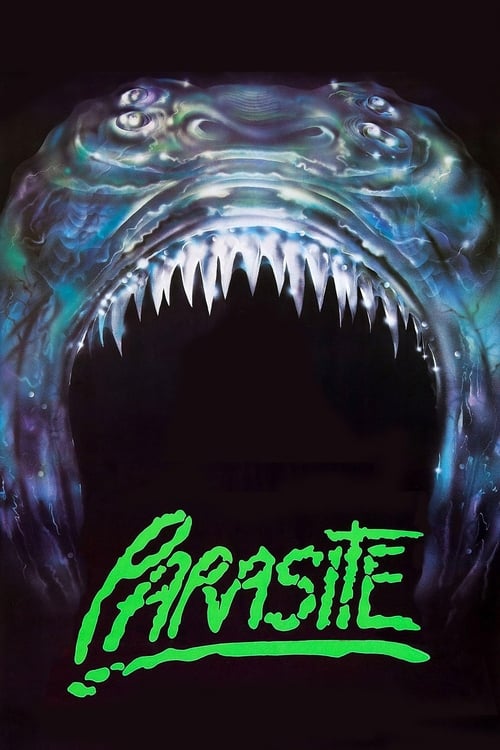
5. Parasite
Bong Joon-ho's *Parasite* masterfully dissects class struggle with a surgical precision that blends dark comedy, thrilling suspense, and poignant drama. It navigates societal inequalities not through broad strokes, but through intricate, often shocking, character dynamics, demonstrating how economic disparity corrupts and distorts relationships. The film's seamless genre shifts and meticulous narrative construction allowed it to critique contemporary capitalism while delivering a universally compelling, emotionally resonant, and utterly unforgettable story, earning its place as a modern classic.
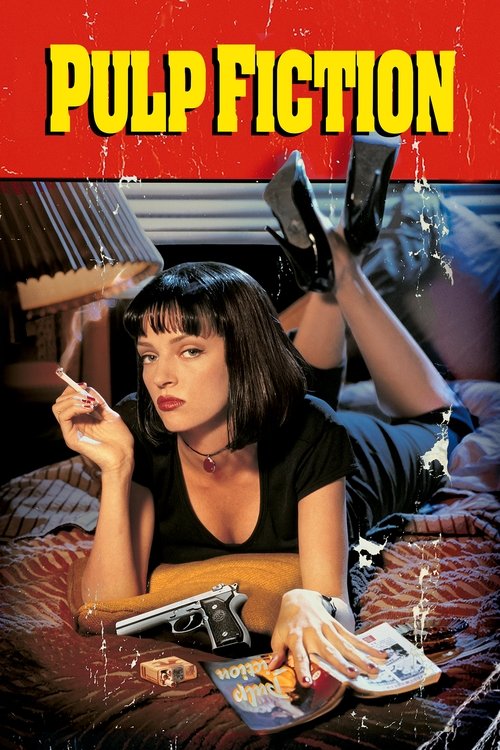
6. Pulp Fiction
Quentin Tarantino exploded onto the scene with *Pulp Fiction*, a film that shattered linear narrative convention with its audacious, non-chronological structure. Its vibrant dialogue, pop culture references, and blend of dark humor with sudden violence created a distinct cinematic voice. It wasn't merely a collection of interconnected vignettes; it was a stylistic declaration, a post-modern pastiche that revitalized independent cinema and cemented Tarantino as an auteur whose films dissect and reassemble genre tropes with irreverent brilliance.