
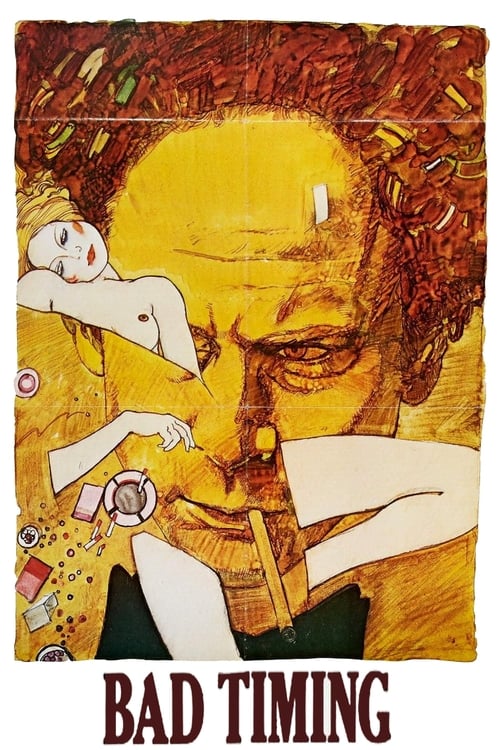
1. Bad Timing
Nicolas Roeg’s fragmented narrative explores a toxic relationship with an almost clinical detachment, yet it pulsates with raw emotion. It's a masterclass in non-linear storytelling, dissecting memory, obsession, and the dark undercurrents of desire. Art-house cinema at its most challenging and rewarding, demanding active participation from the viewer to piece together its disturbing psychological mosaic.

2. Mikey and Nicky
Elaine May’s cinéma vérité masterpiece offers an agonizingly intimate portrait of male friendship and betrayal, unfolding over one long, desperate night. The improvisational feel belies meticulous direction, capturing the raw, unvarnished fear and pathetic loyalty between two small-time mobsters. It's a bruising, unsentimental examination of human frailty, a stark counterpoint to romanticized gangster narratives.
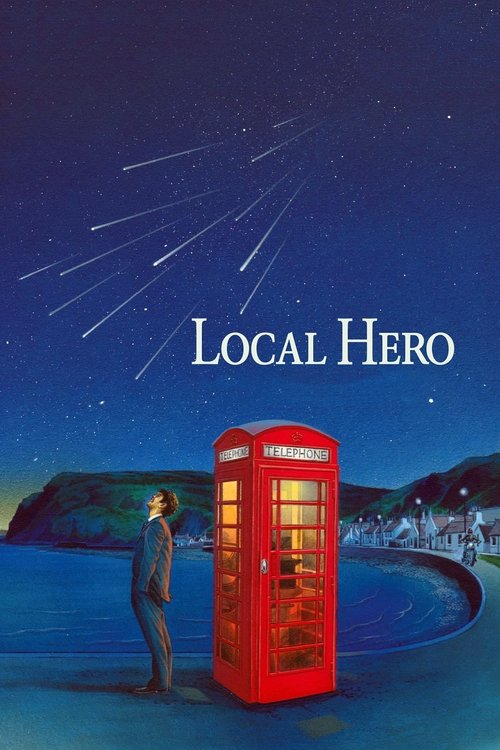
3. Local Hero
Bill Forsyth crafts a gentle, unassuming fable about a Houston oil executive sent to buy a Scottish village. This film is a quiet rebellion against corporate ambition, celebrating community, eccentricity, and the profound beauty of untouched landscapes. It's an understated gem, a testament to the power of place and the unexpected ways life can reorient one's priorities, wrapped in a subtle, humanist comedy.
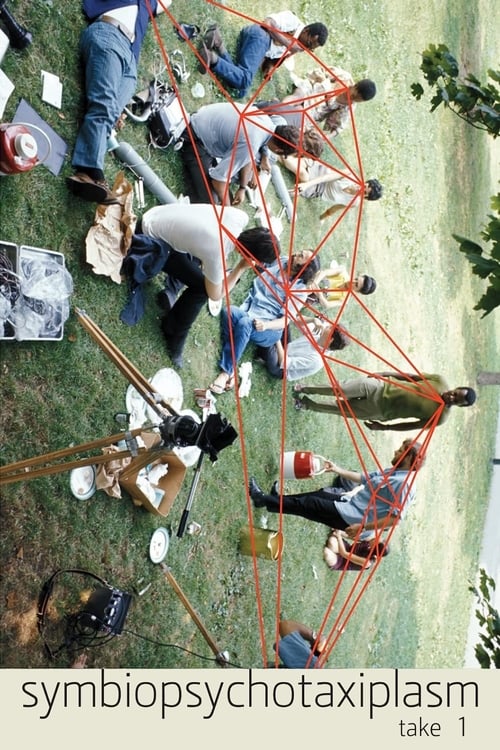
4. Symbiopsychotaxiplasm: Take One
William Greaves’ experimental documentary is a dizzying meta-commentary on filmmaking itself. He films actors rehearsing, while also filming the crew discussing the film, and the people around them. This layered approach dissects the nature of reality, performance, and authorship, questioning who truly controls the narrative. It’s a foundational text for anyone interested in the deconstruction of cinematic form.
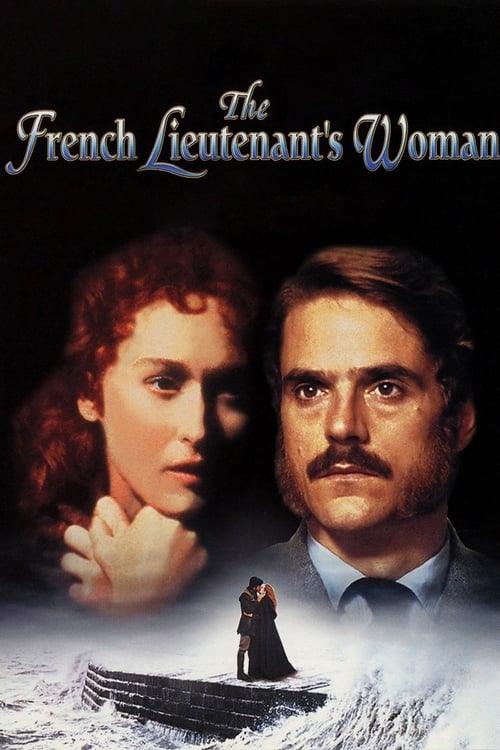
5. The French Lieutenant's Woman
Karel Reisz masterfully adapts John Fowles’ novel, employing a meta-narrative structure that intertwines a Victorian romance with the contemporary drama of the actors portraying them. This film transcends a mere period piece, using its dual timelines to interrogate the nature of storytelling, fidelity, and female agency. Meryl Streep and Jeremy Irons deliver performances of nuanced complexity.
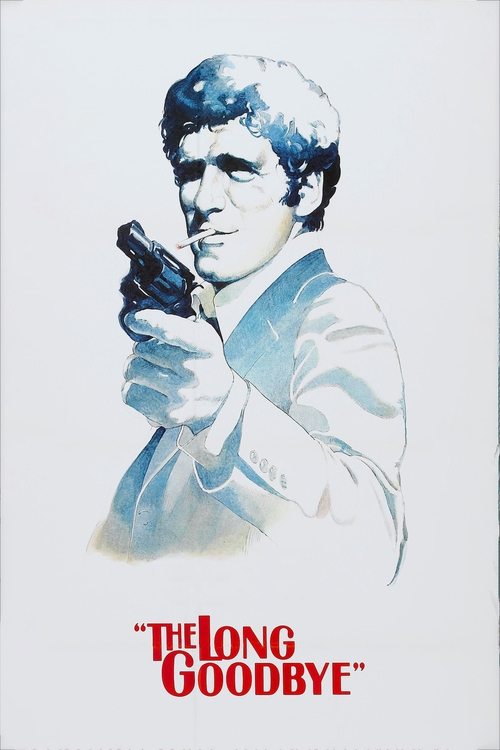
6. The Long Goodbye
Robert Altman reimagines Raymond Chandler's Philip Marlowe as a shambling, anachronistic figure adrift in 1970s Los Angeles. This neo-noir deconstructs the hardboiled detective archetype, replacing cynical heroism with a pervasive sense of moral decay and existential weariness. It's a cynical, hazy dream of a film, reflecting a post-Vietnam America grappling with disillusionment.
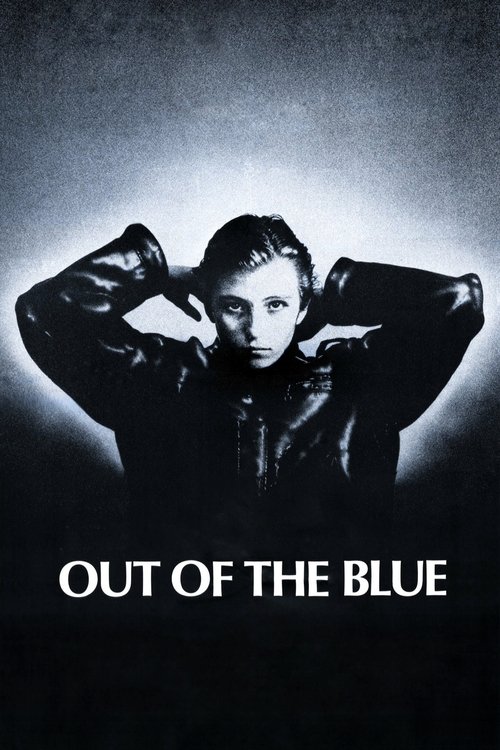
7. Out of the Blue
Dennis Hopper's raw, uncompromising vision of teenage rebellion and societal collapse is a gut punch. Cindy Barnes, a punk rock devotee, navigates a brutal landscape of parental neglect, sexual abuse, and substance addiction. This film is an unflinching indictment of the American dream’s dark underbelly, a visceral cry of pain from the margins, and a powerful, if disturbing, document of its era.
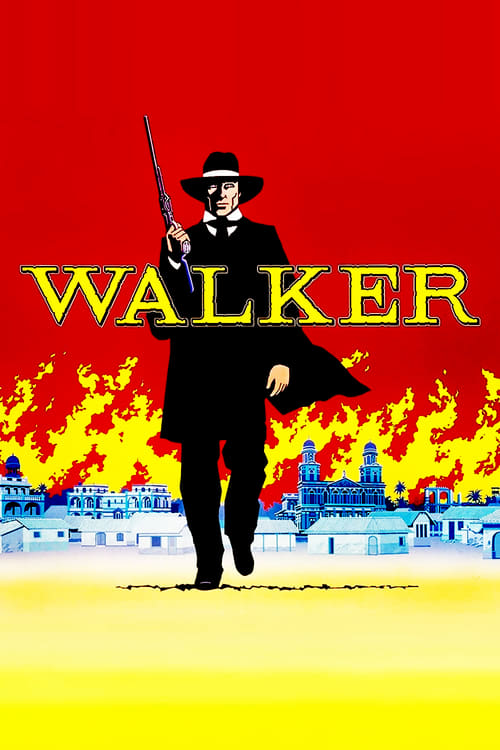
8. Walker
Alex Cox's audacious historical satire is less a biopic and more a punk rock opera of American imperialism. Deliberately anachronistic, it casts a critical eye on manifest destiny through the story of William Walker, a 19th-century filibuster. This film is a furious, darkly comedic deconstruction of historical narrative and interventionism, its themes resonating disturbingly today.
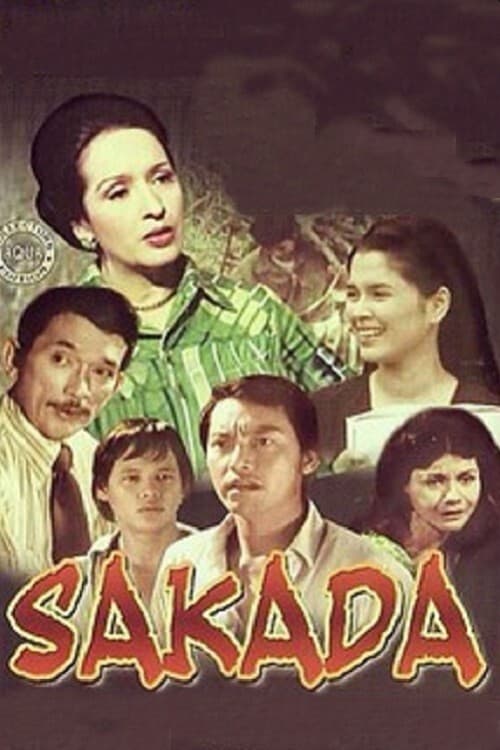
9. The Tenants
This film, based on Bernard Malamud’s novel, explores racial and artistic tension between two writers sharing a dilapidated building. Both Black and Jewish, their struggles for creative voice and personal space become metaphors for broader societal conflicts. It’s a challenging, claustrophobic drama that delves into the complexities of identity, appropriation, and the difficulty of finding common ground amidst deeply entrenched biases.
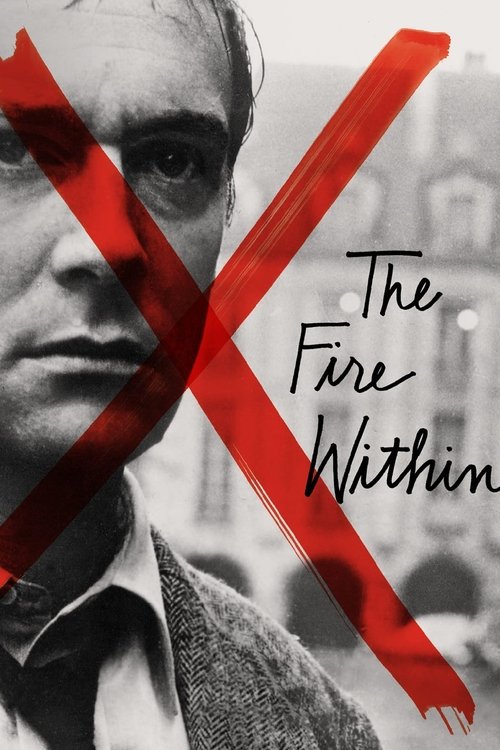
10. The Fire Within
Louis Malle’s poignant character study follows Alain, a recovering alcoholic, during his last 48 hours before an anticipated suicide. Shot with a cool, detached elegance, it observes his interactions with old friends and lovers, painting a melancholic portrait of existential despair. This film is a profound meditation on life, death, and the elusive nature of meaning, quietly devastating in its simplicity.
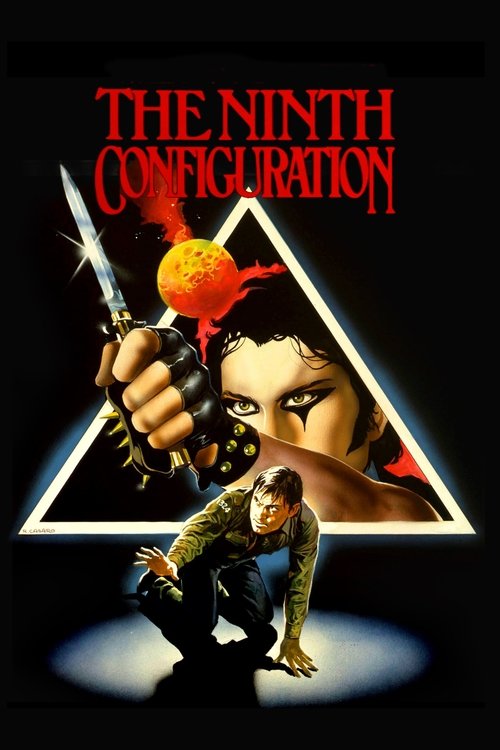
11. The Ninth Configuration
William Peter Blatty's directorial debut is a bizarre, philosophical military-asylum drama, a spiritual sequel to The Exorcist in its thematic concerns. It pits a compassionate psychiatrist against a cadre of seemingly insane former soldiers who may or may not be faking their madness to escape the world. This film is an audacious, intellectual wrestling match with faith, morality, and sanity, often darkly humorous.

12. Scarecrow
Jerry Schatzberg’s road movie is a melancholic, deeply human tale of two drifters, Max and Francis, making their way across America. Al Pacino and Gene Hackman deliver raw, unvarnished performances as men seeking a fresh start, their bond forming the fragile core of the film. It's a poignant exploration of male vulnerability, dreams deferred, and the often-brutal realities of life on the fringes.