

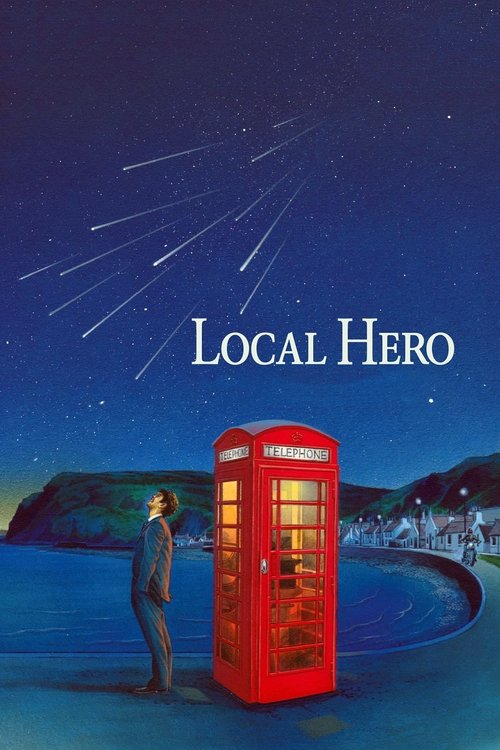
1. Local Hero
Bill Forsyth's 1983 film is a masterclass in understated charm, observing the gentle collision between American corporate ambition and remote Scottish village life. Peter Riegert's executive, tasked with buying out a community for an oil refinery, slowly succumbs to its rhythms and quirky inhabitants. It’s a beautifully shot, melancholic comedy that subtly champions the intangible values of place and belonging over material progress, leaving an enduring, wistful warmth.
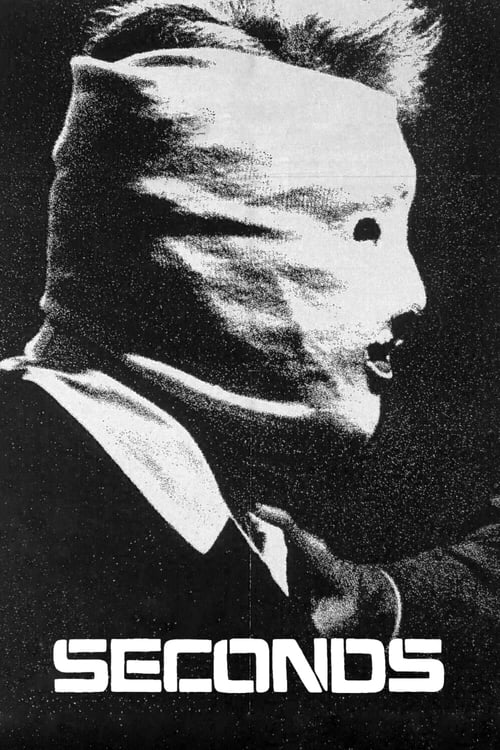
2. Seconds
John Frankenheimer’s 1966 psychological thriller is a profoundly unsettling descent into identity dissolution. Rock Hudson, cast against type, plays a jaded businessman offered a new life through a clandestine procedure, only to find the cost of reinvention is his very self. Its bold cinematography and paranoid narrative explore the terrifying fragility of selfhood and the insidious nature of corporate control, a chillingly prescient critique of consumerist dreams.

3. Possession
Andrzej Żuławski’s 1981 *Possession* is a visceral, utterly unhinged exploration of marital collapse, set against a backdrop of Cold War paranoia in divided Berlin. Isabelle Adjani’s raw, almost animalistic performance as a woman consumed by a monstrous secret transcends conventional horror, delving into existential dread and the grotesque manifestations of emotional decay. It’s a film that demands to be experienced, leaving an indelible, disquieting mark on the psyche.
4. The Vanishing
George Sluizer’s original 1988 Dutch-French *The Vanishing* (Spoorloos) is a masterclass in psychological dread, charting a man's relentless, years-long search for his girlfriend after her sudden disappearance. Its brilliance lies in revealing the perpetrator early, shifting focus from 'who' to 'why,' culminating in one of cinema’s most disturbing, inevitable conclusions. It's a chilling meditation on obsession, curiosity, and the horrifying banality of evil.
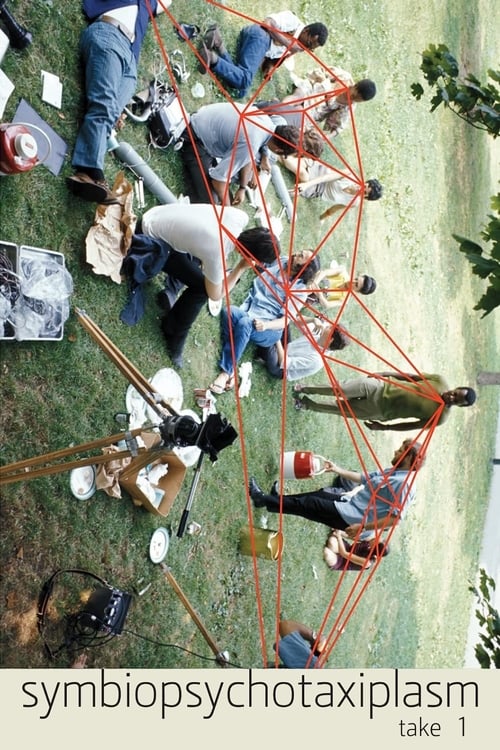
5. Symbiopsychotaxiplasm: Take One
William Greaves’ 1968 *Symbiopsychotaxiplasm: Take One* is an audacious, multi-layered experimental documentary that deconstructs the filmmaking process itself. Greaves sets up a film-within-a-film, capturing actors rehearsing a scene while simultaneously filming the crew, the crew discussing the director, and passersby observing it all. It’s a meta-cinematic puzzle, blurring lines between performance and reality, exploring power dynamics and the very nature of truth in media.
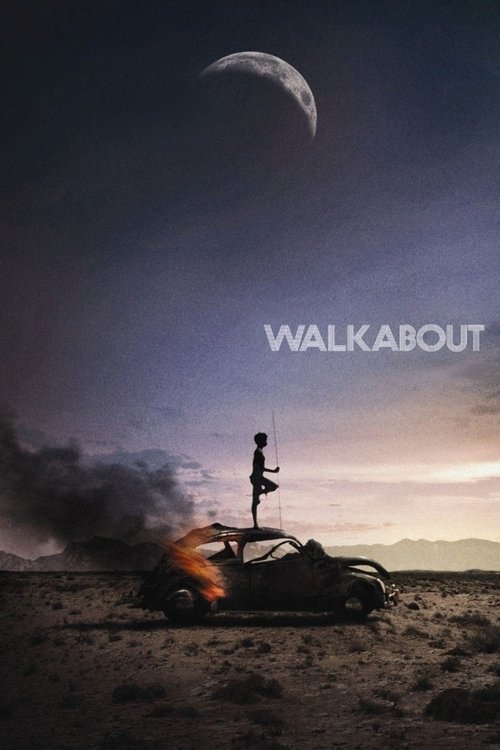
6. Walkabout
Nicolas Roeg’s 1971 *Walkabout* is a mesmerizing, allegorical journey into the Australian outback, where two privileged white children are abandoned and rescued by an Aboriginal boy on his ritual walkabout. Roeg’s stunning cinematography contrasts the brutal beauty of nature with the fragile artifice of civilization, exploring themes of innocence lost, cultural misunderstanding, and the tragic inability to truly connect across profound divides. It’s a profoundly reflective, visually poetic work.